





Traditional Timber Base
These traditional timber base pieces anchor a room with solid wood and practical form, offering functional utility for daily living.
Traditional Timber Base
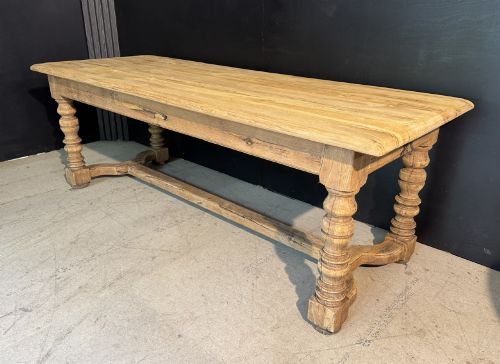
Traditional timber base items encompass heavy furniture foundations and functional household supports, ranging from robust farmhouse tables and dresser bases to lamp stands and chests of drawers. These utilitarian forms rely on sturdy wooden construction to serve practical purposes in kitchens, dining rooms, and living spaces.
The selections available here lean heavily into nineteenth-century and early twentieth-century periods, showing substantial oak, mahogany, pine, and cherrywood builds. Pieces often display regional English country or French provincial character, alongside Victorian and Edwardian refinements.
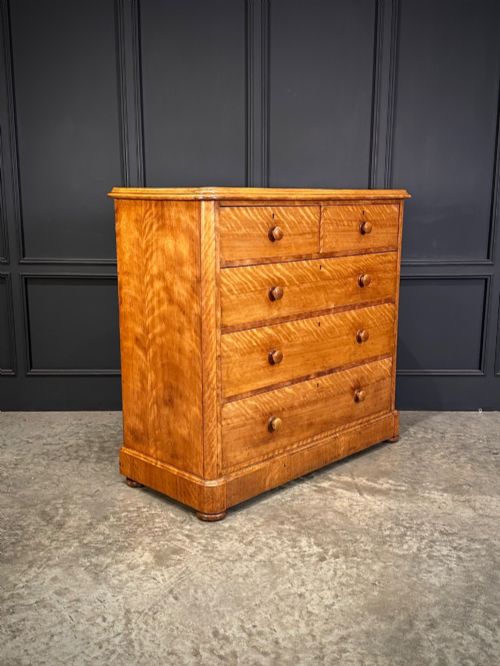
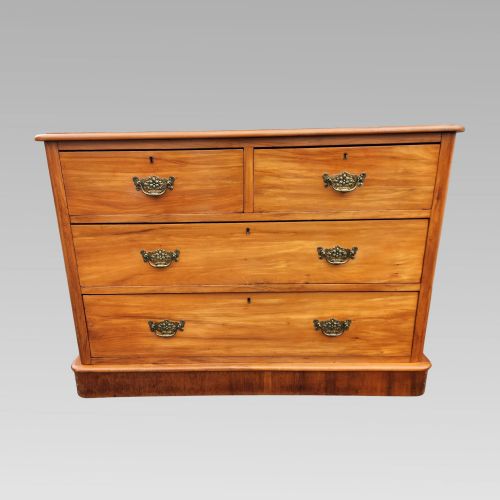
Buyers most frequently encounter robust storage items such as painted potboard dresser bases and mahogany chests of drawers, alongside dining tables and tall standard lamps. These forms demonstrate how solid timber supports were adapted for both utilitarian work and domestic illumination.
How they were made
Construction relies on solid hardwoods and softwoods such as oak, mahogany, pine, fruitwood, and walnut, frequently joined using traditional carpentry methods. Surfaces show plain wood finishes alongside painted treatments, hand-carved details, and occasionally gilt brass mounts.
Larger items like dresser bases and trestle tables utilise sturdy plank construction and potboards, while standard lamps incorporate weighted metal elements or turned timber shafts. Cabinet pieces often retain original handles and mirror backs, reflecting period workshop practices.
Traditional Timber Base Retail Price Guide 2026
Typical asking prices for traditional timber base among the pieces listed under this phrase on Sellingantiques today, from the lower quarter to the upper quarter. They describe what is for sale here now, not the wider market.
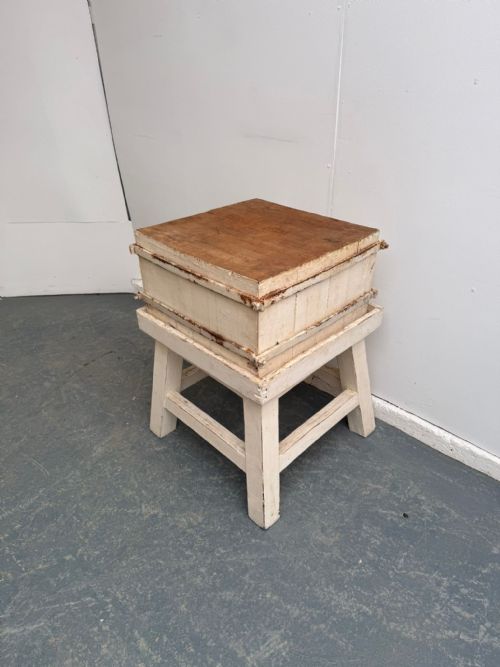
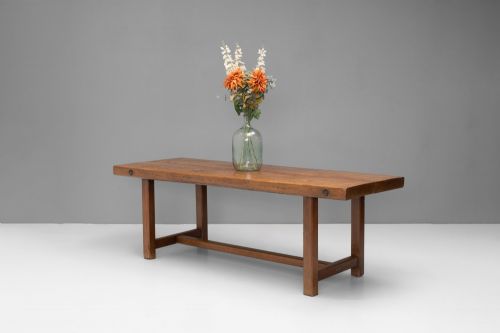
A solitary wooden butcher block stands ready for heavy culinary action.
What varies in quality
The grade of timber selection and the retention of original surfaces separate standard examples from finer works. Dense, well-figured pollard oak, satinwood, and solid cherrywood indicate superior material choices compared to standard pine.
Execution of detail defines the upper tier, seen in crisp carving, well-turned standard lamp shafts, and intact original handles on chests of drawers. The integration of painted finishes over historic timber bases also shifts depending on whether the paint remains period-correct.
The Traditional Timber Base Glossary
- Potboard
- An open lower shelf on a dresser base used originally for storing pots and heavy kitchenware. This practical addition defines traditional English country furniture forms.
- Dresser base
- A low sideboard or cabinet featuring drawers and sometimes a potboard underneath, designed for serving food and storing household goods. These pieces form the backbone of country house dining rooms.
- Standard lamp
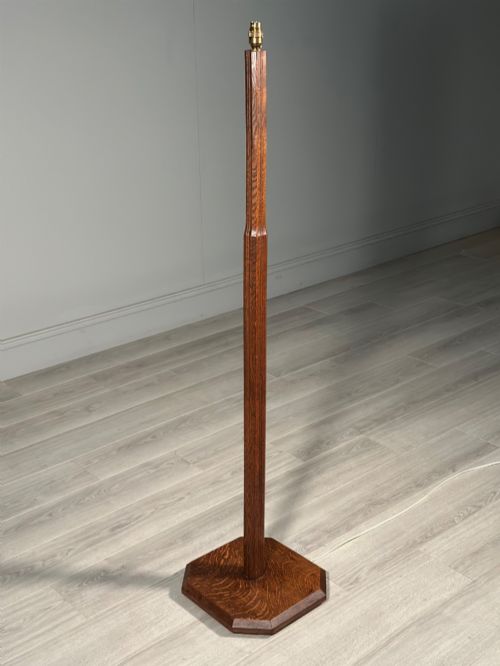
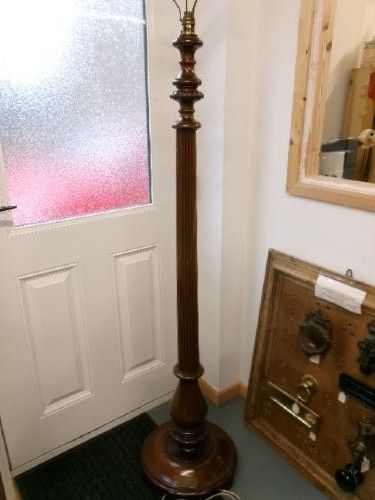
- A tall floor-standing lamp base designed to hold a light fitting and shade. Examples in timber often feature turned columns and weighted bases for stability.
- Tilt-top
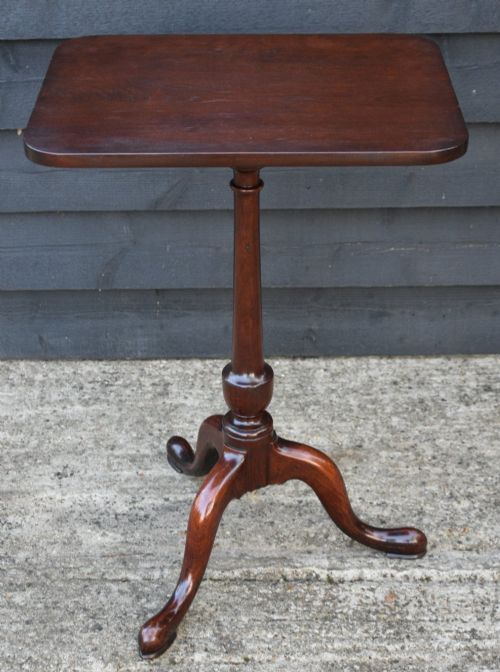
- A tabletop mechanism allowing the surface to tilt vertically when not in use for convenient storage. This feature appears frequently on smaller nineteenth-century wine tables.
- Satinwood
- A fine yellowish wood used for high-quality cabinet work and decorative veneer during the eighteenth and nineteenth centuries. It provides a bright, reflective surface on finer chests of drawers.
Traditional Timber Base: Frequently Asked Questions
What is a traditional timber base?
A traditional timber base refers to the solid wooden foundation of furniture items like tables, dressers, and lamp standards. These pieces rely on durable wood construction to provide stability and functional support.
Such items span various historical periods from the nineteenth century into the early twentieth century. They reflect utilitarian domestic needs across English and continental European homes.
How were dresser bases used?
Dresser bases served as practical work surfaces and storage units in kitchens and dining rooms. The drawers held utensils while lower potboards accommodated heavy earthenware and cookware.
Over time, these sturdy items transitioned into prominent display and serving furniture within country houses. Their solid timber construction ensured they withstood daily domestic labour.
Are timber standard lamps period pieces?
Timber standard lamps date from the late nineteenth and early twentieth centuries, emerging as electric lighting gained popularity in homes. They feature turned wooden columns mounted on stable bases to support shades.
Examples from the Arts and Crafts era or the interwar decades showcase distinct regional woodworking styles. They combine electrical utility with traditional cabinet-making techniques.
How do I identify Victorian chests of drawers?
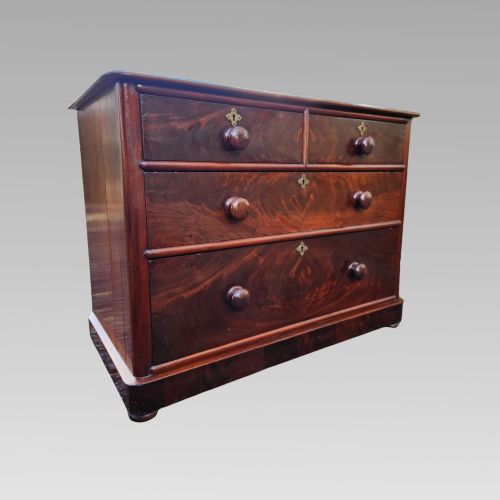
Victorian chests of drawers typically utilise dense hardwoods like mahogany, satinwood, or pollard oak. They feature multiple graduated drawers, often retaining original metal handles and solid timber framing.
Construction methods from this era involve heavy timber builds designed for longevity and formal bedroom use. Variations range from simple provincial forms to highly polished mirror-backed designs.