


Traditional Tilt Top Table
A traditional tilt top table is a versatile surface designed to pivot upright for storage, and you will find sturdy mahogany and oak examples here.
Traditional Tilt Top Table
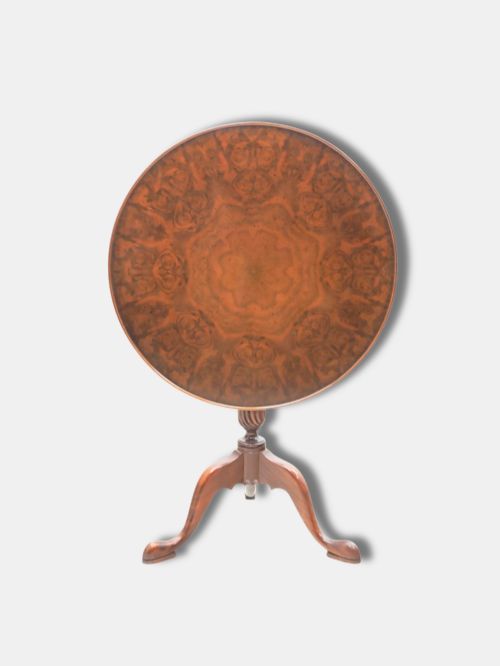
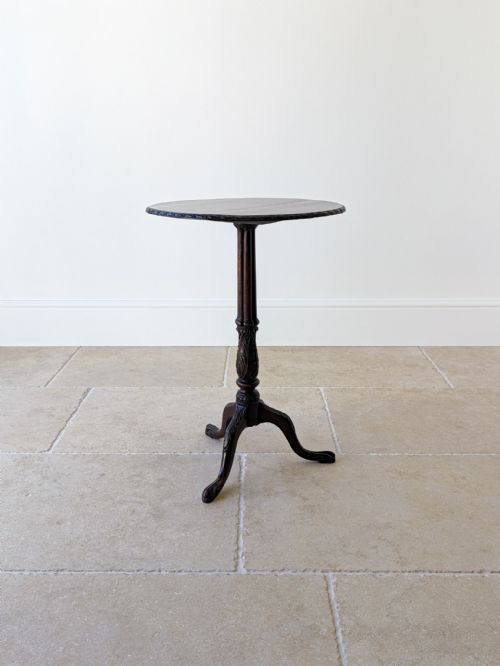
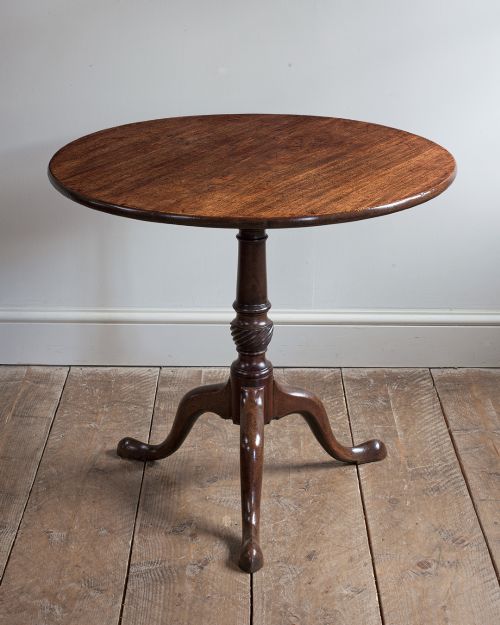
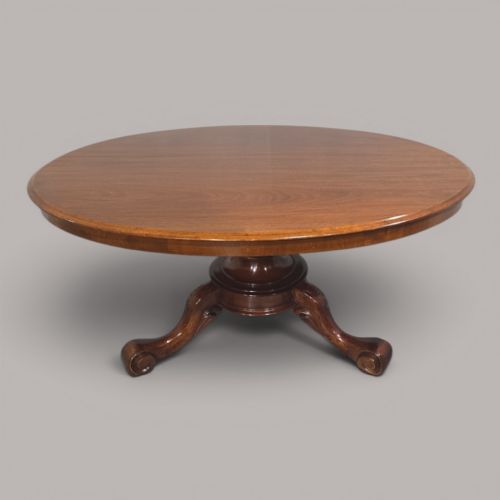
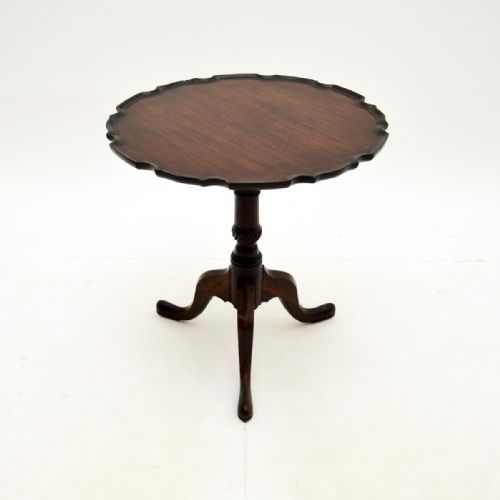
A traditional tilt top table brings together centuries of furniture design, primarily appearing on this page as tripod tables and wine tables from the Georgian and Victorian periods. These pieces are intended for flexible use in sitting rooms and dining spaces, offering the convenience of a hinged top that folds away flat when not needed.
The selection here includes examples in mahogany and oak, ranging from compact wine tables to larger pedestal dining tables and occasional pieces. You will frequently encounter George III designs alongside later Victorian and Edwardian interpretations, demonstrating how cabinetmakers adapted the mechanism over generations.
Beyond standard pillar tables, the listings extend to folding vineyard tables, monks benches, and occasional side tables that share similar pivoting or transforming properties. These variations provide practical surfaces with distinctive historical character for modern interiors.
Materials and construction
Makers relied heavily on solid mahogany and oak for these tables, occasionally employing burr walnut veneer, satinwood, and brass hardware to accent the timber. Cabinetmakers turned central pedestals on lathes and supported them with tripod legs, creating stable bases for the weighted tops.
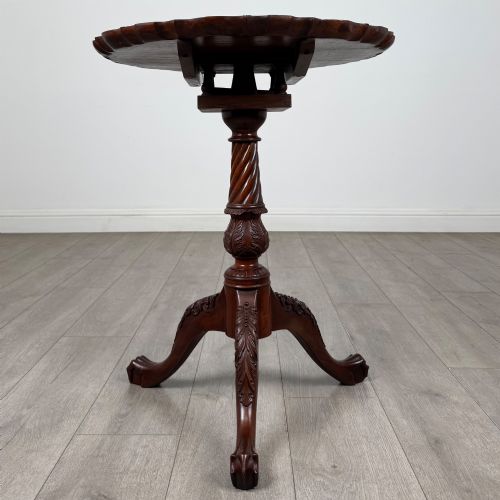
The defining mechanism relies on hinges, catches, and sometimes birdcage assemblies that allow the circular or rectangular top to rotate and lock into a vertical position. Joinery techniques such as dovetails and tenons secure the frames, while hand-finishing brings out the natural grain of the hardwood.
Some tables feature tiny cleats beneath the top, hiding small wooden scars where a maker misjudged a screw hole centuries ago.
Distinctions in quality
The refinement of the timber selection and the precision of the turning on the central pedestal set superior examples apart from standard utility pieces. Finer tables exhibit carefully matched grain patterns on the top and well-proportioned tripod legs that terminate in clean, purposeful feet.
The mechanical integrity of the pivot action and the tightness of the catch mechanism indicate the original standard of craftsmanship. Smooth rotation without excessive wobble in the column demonstrates superior fitting during initial construction.
The Traditional Tilt Top Table Glossary
- Tilt top
- A table top attached to a pivoting mechanism that allows the surface to fold vertical when not in use. This design saved floor space in historic homes.
- Tripod table
- A small freestanding table supported by a central pillar resting on three legs. They are common in mahogany and oak throughout the eighteenth and nineteenth centuries.
- Birdcage mechanism
- A rotating wooden frame fitted beneath the table top that allows the surface to both pivot and spin horizontally. It represents a more complex form of construction.
- Wine table
- A compact occasional table designed to hold glasses or bottles near seating areas. These pieces frequently feature circular tops and tripod bases.
- Monks bench
- A multifunctional furniture form that converts between a bench with a panelled back and a table. The back tilts forward to form the surface.
Traditional Tilt Top Table: Frequently Asked Questions
What is a tilt top table used for?
These tables served flexible roles in historic rooms, acting as tea tables, wine stands, or auxiliary surfaces for evening gatherings. Because the top folded flat, servants could store the furniture against a wall when the room was needed for other activities.
Today, they function well as lamp tables, bedside stands, or accent pieces in living areas. Their compact footprints make them practical for displaying objects without crowding modern floor space.
How do I identify a Georgian tilt top table?
Georgian examples typically feature rich mahogany or oak timbers with hand-turned central columns and tripod bases ending in pad or snake feet. The proportions tend to be slender and balanced, reflecting the cabinetmaking standards of the eighteenth century.
Examining the underside reveals construction details like hand-cut fixings and aged timber patination that distinguish eighteenth-century work from later revivals.
What is a birdcage mechanism?
A birdcage is a specific pivoting assembly fitted between the table top and the central column, named for its resemblance to a wooden cage. It incorporates small spindles that allow the top to rotate in a full circle in addition to tilting.
This feature appears on finer tables, providing extra stability and manoeuvrability for the user.
Are these tables sturdy enough for daily use?
Tripod tables are surprisingly stable on even floors, though their three-legged design means they can tip if uneven pressure is applied near the edge. The central pillar distributes weight effectively across the feet.
With sensible placement away from heavy traffic areas, they handle daily duties like holding books or lamps reliably.
How do I care for antique mahogany and oak?
Wood surfaces respond best to occasional dusting with a dry, soft cloth and minimal exposure to direct sunlight or sudden temperature changes. Avoiding moisture and synthetic polishes preserves the natural finish and historical patination.
Applying a traditional beeswax conditioner periodically helps keep the timber nourished without building up heavy residue.