
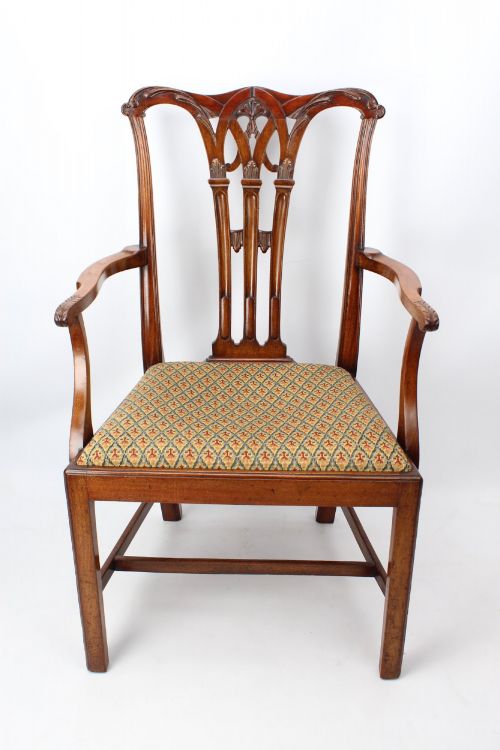

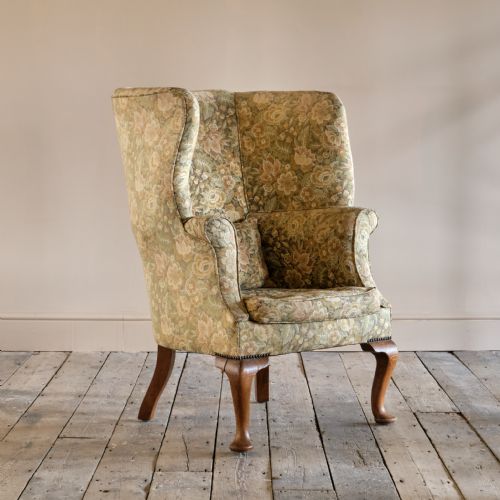

Traditional Tapestry Chair
A traditional tapestry chair brings heavy textiles and hardwood frames together, offering substantial seating with period character.
Traditional Tapestry Chair
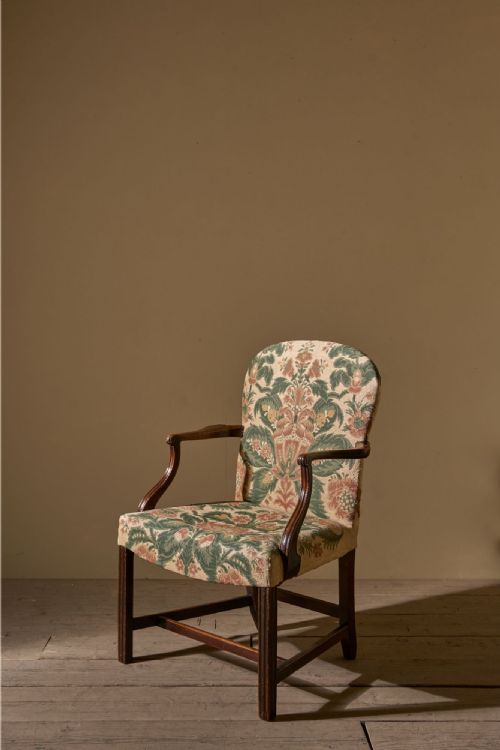
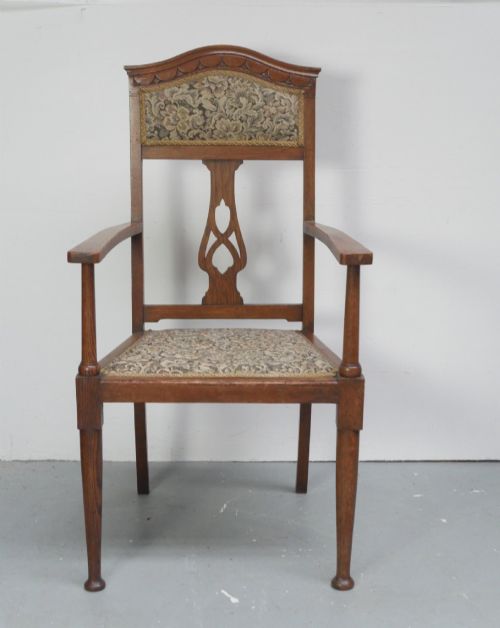
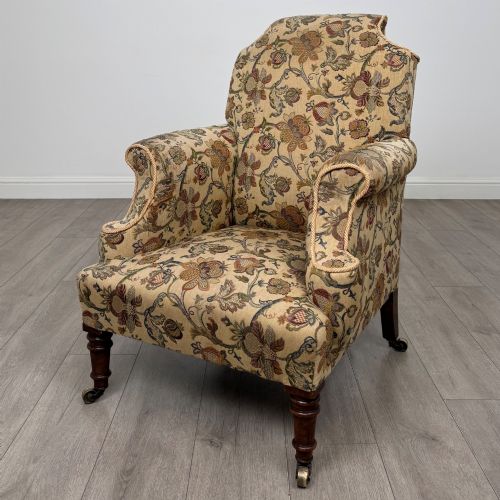
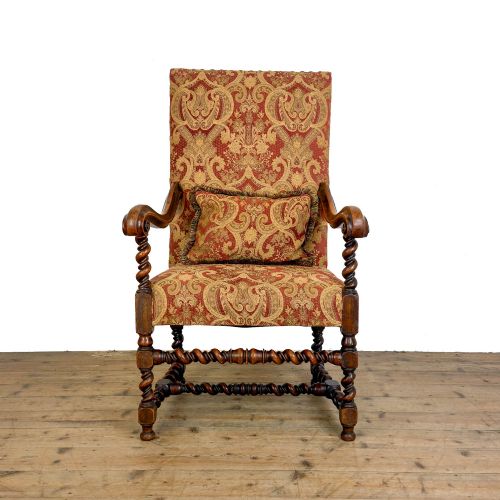
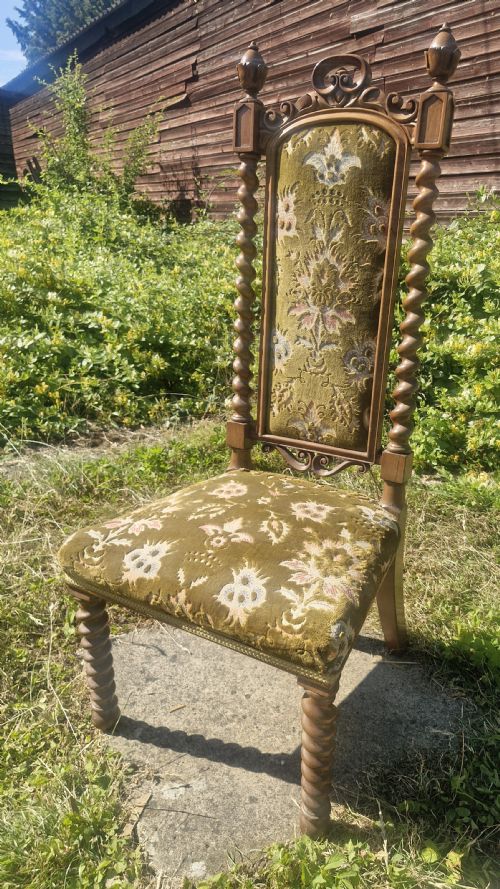
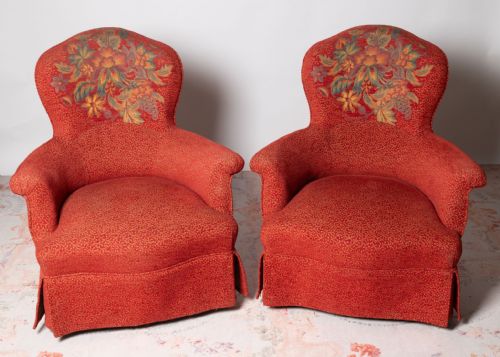
A traditional tapestry chair spans multiple centuries of seating design, encompassing forms such as armchairs, dining chairs, desk chairs, and slipper chairs. When exploring this selection, buyers frequently encounter Victorian, Georgian, and Edwardian examples featuring needlework or textile upholstery.
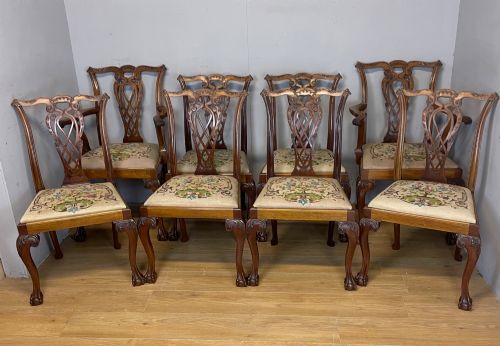
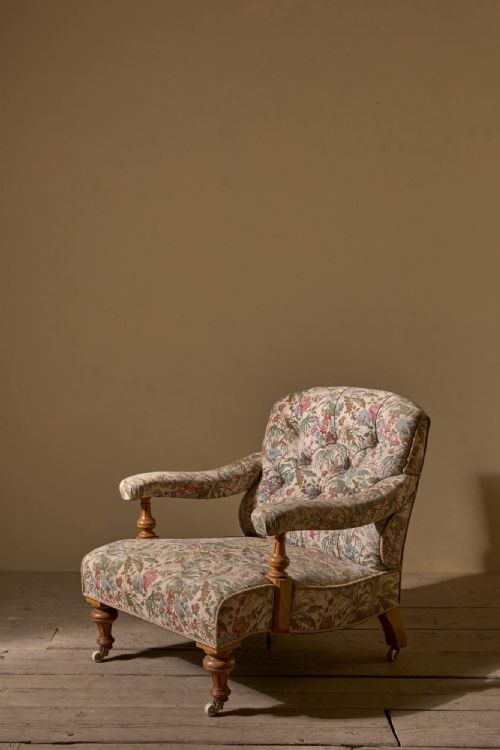
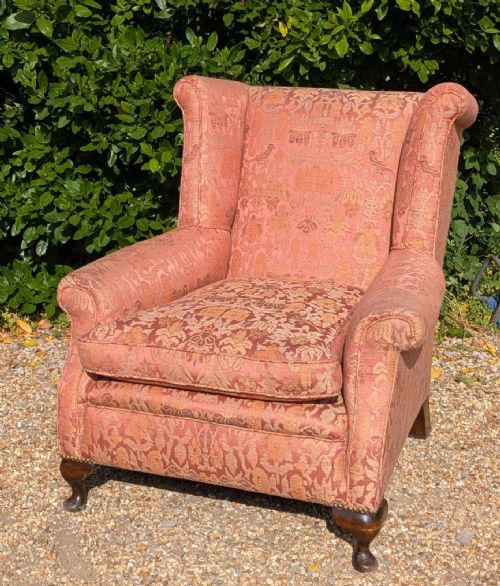
The objects originate from diverse domestic contexts, ranging from country house open armchairs to formal dining sets and wingbacks. Hardwood frames underpin these textile-covered seats, uniting structural woodwork with decorative woven surfaces.
How they were made
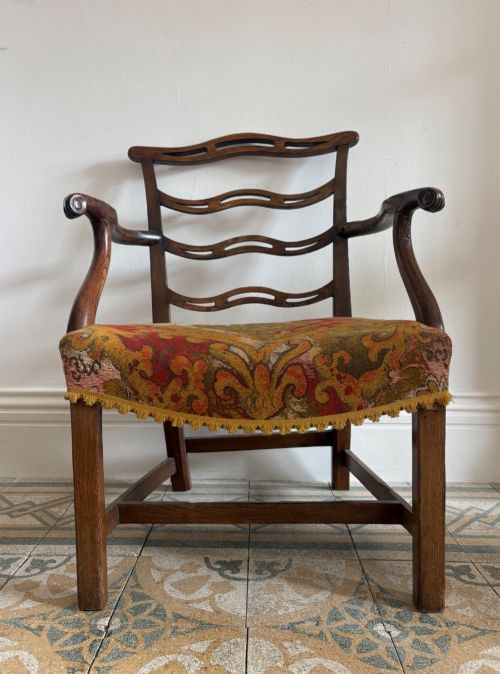
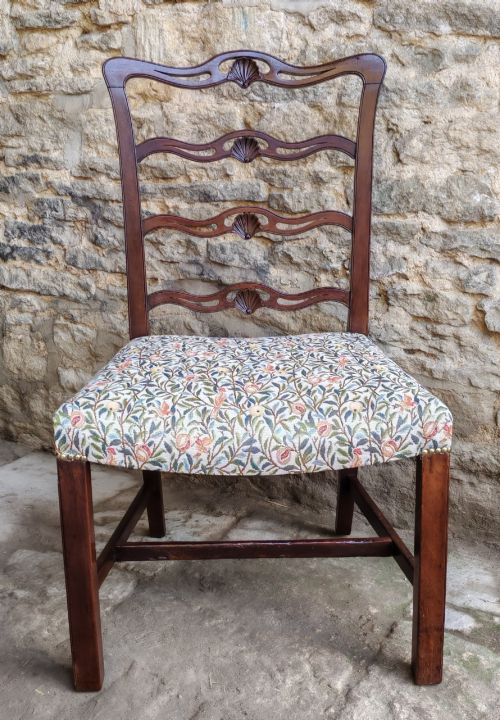
Carpenters and cabinetmakers constructed the underlying frames using hardwoods like mahogany, walnut, oak, and elm, often shaping carved ladders, cabriole legs, or high backs. These wooden structures provide the rigid skeleton required to support upholstered seats and heavy textile coverings.
Tapestry fabric, needlework, carpet, and velvet are applied directly to the frames as upholstery, occasionally secured over feather filling or traditional stuffing. The union of dense woven textiles with carved timber defines the physical construction of these chairs.
One unexpected chair arrives paired with actual carpet upholstery, proving that Victorian floors occasionally climbed onto the furniture.
What varies in quality
The standard of timber selection and the crispness of carved details on mahogany, walnut, or oak frames set finer examples apart from simpler utilitarian seating. Superior construction involves robust joinery and substantial timber scantlings that endure centuries of daily use.
The complexity, density, and preservation of the tapestry fabric or needlework upholstery dictate the visual and material rank of the piece. Intricately woven or stitched textile surfaces command greater attention than plain replacement fabrics.
Warings·Howard and Sons·Liberties
The Traditional Tapestry Chair Glossary
- Tapestry fabric
- A thick, heavy textile featuring woven pictorial or geometric designs. This material forms the primary decorative upholstery surface on these chairs.
- Carver chair
- An open armchair traditionally placed at the head of a dining table. These pieces match the surrounding smaller dining chairs in style and timber.
- Slipper chair
- A low-seated upholstered chair originally designed for bedrooms. Their compact scale allows for comfortable lounging close to the floor.
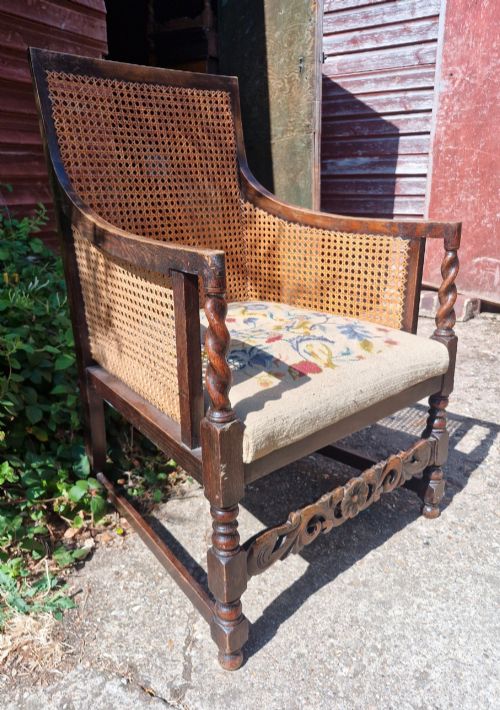
- Bergere
- An enclosed upholstered armchair with exposed wooden framing and woven cane or fabric sides. This classic form appears across various revival styles.
- Ladderback
- A chair back constructed with horizontal slats resembling the rungs of a ladder. Elm and mahogany versions appear frequently in country house settings.
Traditional Tapestry Chair: Frequently Asked Questions
How do I clean tapestry upholstery?
Surface dust can be removed gently using a soft brush attachment on a vacuum cleaner.
Deep cleaning requires specialist textile conservation methods to prevent damage to aged threads and woven structures.
Can I use these chairs daily?
Most sturdy mahogany and oak frames handle regular daily seating without issue.
Delicate antique needlework benefits from careful use to preserve fragile historical fibres over time.
Are these chairs entirely original?
Many pieces retain their foundational timber frames alongside later upholstery updates.
Survivors with original tapestry seats represent uncommon finds within the broader selection.
What rooms suit a tapestry chair?
Armchairs and wingbacks fit comfortably into studies, libraries, and living spaces as statement seating.
Smaller side chairs and slipper chairs function effectively in bedrooms or around dining tables.