



Traditional Tall Wooden Stool
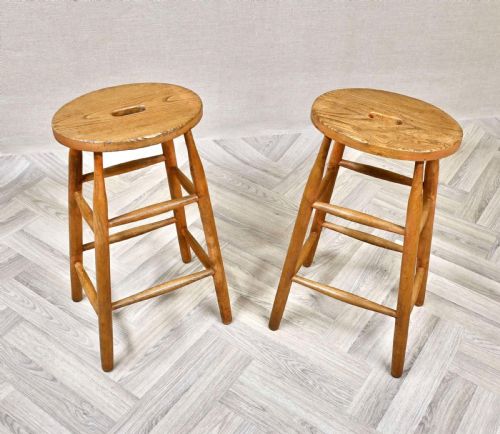
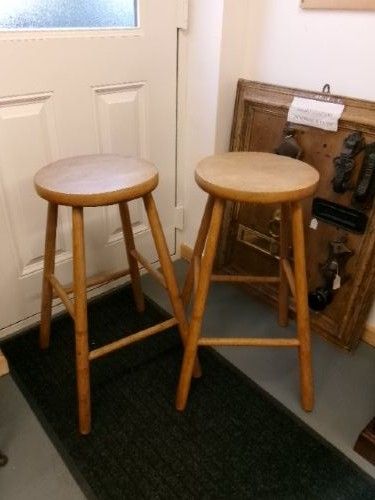
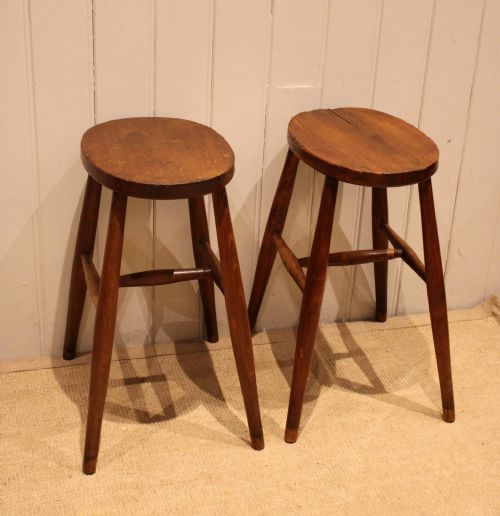
These traditional tall wooden stool examples offer sturdy seating heights shaped by centuries of practical workrooms and public houses.
Traditional Tall Wooden Stool
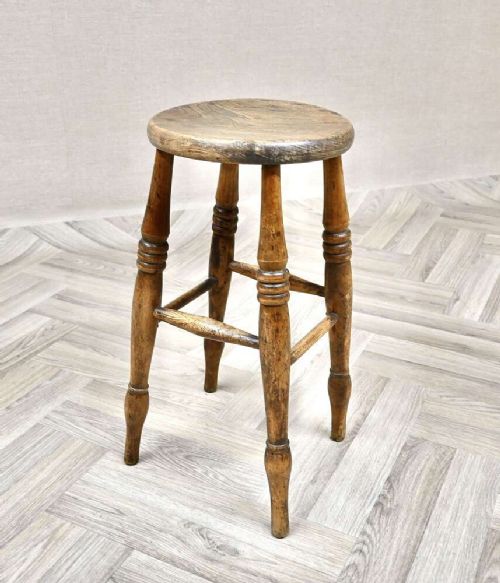
A traditional tall wooden stool serves elevated seating needs through robust forms originating from nineteenth and early twentieth century workshops, taverns, and dairies. Buyers search for these pieces to introduce practical height and rustic character into kitchens, bars, and workspaces.
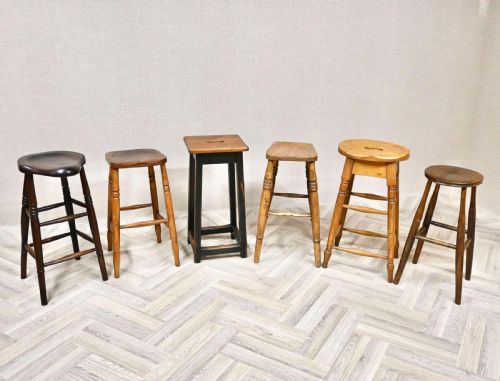
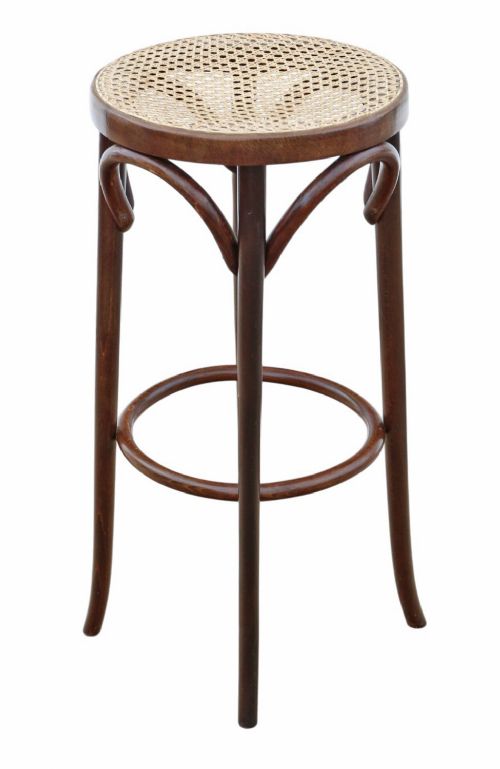
Most pieces encountered on this page date from the nineteenth century through the 1940s, spanning styles such as Victorian, rustic farmhouse, and Edwardian. The selection includes clerk's stools, tavern seats, and bentwood high stools alongside related tall items like library steps.
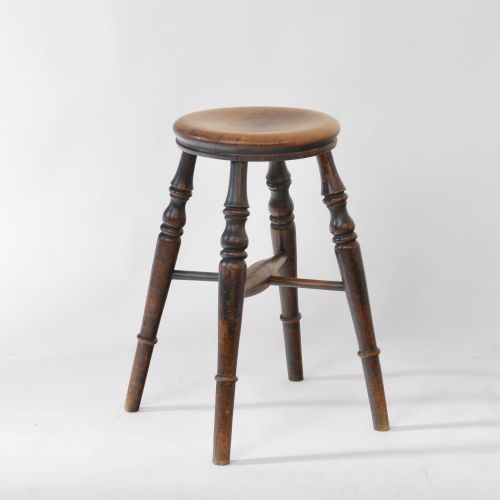
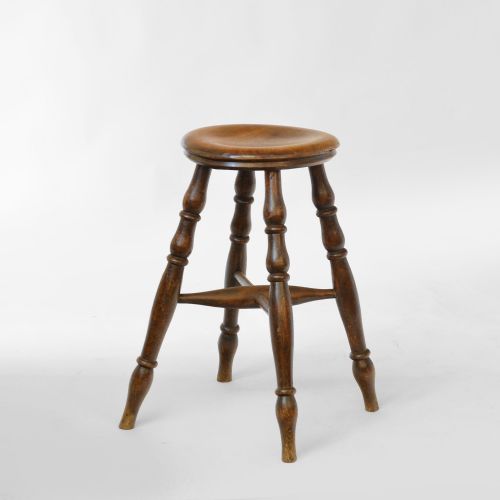
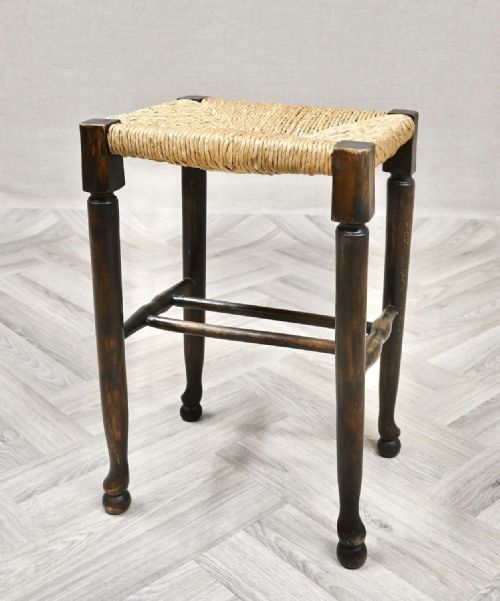
Forms vary from simple three or four-legged turned beech and elm designs to larger pairs and sets of bar stools. Makers built these objects for heavy daily use, resulting in honest structures that show the marks of their working origins.
Materials and construction
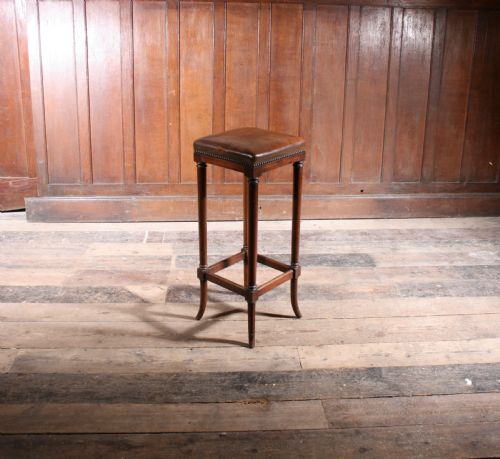
Carpenters utilised solid timbers including elm, oak, beech, sycamore, pine, and mahogany to build these elevated frames. Hardwood tops and seats often combined with turned or straight legs joined by stretchers for added stability at height.
Construction methods relied on traditional joinery such as turned spindles, pegged joints, and occasional additions of rush seating or leather pads. Selected pieces retain remnants of early paint or natural patination developed through decades of handling.
Listings feature timbers including elm, oak, beech, and mahogany across nineteenth and early twentieth century periods.
Variations in quality
Quality rests in the integrity of the timber selection and the retention of original surface patination rather than decorative excess. Denser hardwoods like elm and oak command attention for their durability and handsome grain configuration.
Proportion and structural balance separate simpler utilitarian examples from finer workshop productions. Pieces retaining uncompromised joinery and authentic surface wear demonstrate superior craftsmanship.
The Traditional Tall Wooden Stool Glossary
- Elm
- A durable hardwood prized for its interlocking grain, frequently selected for solid stool seats where splitting resistance matters.
- Stretcher
- Horizontal framing members connecting the legs of a stool to provide structural rigidity and footrests at height.
- Bentwood
- Wood softened through steaming and bent into curved forms, characteristic of high stool production from the early twentieth century.
- Sycamore
- A light-coloured hardwood utilised by turners for tavern and pub stool tops due to its smooth and resilient surface.
- Turned
- Shaped on a lathe to create decorative and structural cylindrical profiles on legs and stretchers.
Traditional Tall Wooden Stool: Frequently Asked Questions
How tall are these traditional tall wooden stool designs?
Heights vary across the selection to accommodate counter seating, bar use, and high workstation requirements from different historical periods.
Buyers should check individual dimensions to ensure the seat height matches specific kitchen islands or bar counters.
Can I use a antique clerk stool at a kitchen island?
These elevated seats function well at modern kitchen counters and breakfast bars, bringing historical character to domestic spaces.
Their narrow footprints and robust construction make them practical for daily seating around modern islands.
How do I care for nineteenth century wooden bar stools?
Maintenance involves gentle cleaning with soft cloths and occasional application of wax to nourish dry hardwood surfaces.
Keep wooden furniture away from direct heat sources and excessive moisture fluctuations to preserve the antique finish.
What is the difference between a pub stool and a library ladder?
Pub stools provide elevated seating supported by turned legs and stretchers, whereas library ladders and steps offer angled climbing access.
Both object types share utilitarian nineteenth-century origins and sturdy hardwood construction.
Are these tall stools comfortable for long sitting?
Utilitarian designs prioritized durability and working height over ergonomic cushioning, featuring shaped wooden tops or occasional rush seats.
Adding loose pads or selecting contoured elm seats can improve comfort for extended use.