
Traditional Tall Clock
A traditional tall clock anchors a room with mechanical gravity, bringing heritage timekeeping and steady pendulum motion into domestic spaces.
Traditional Tall Clock
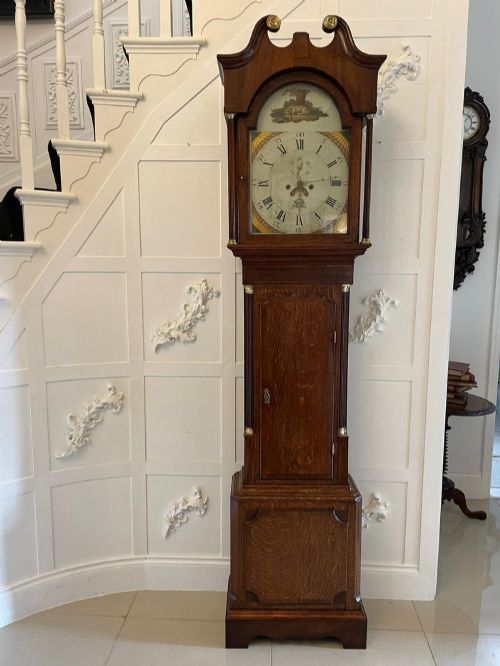
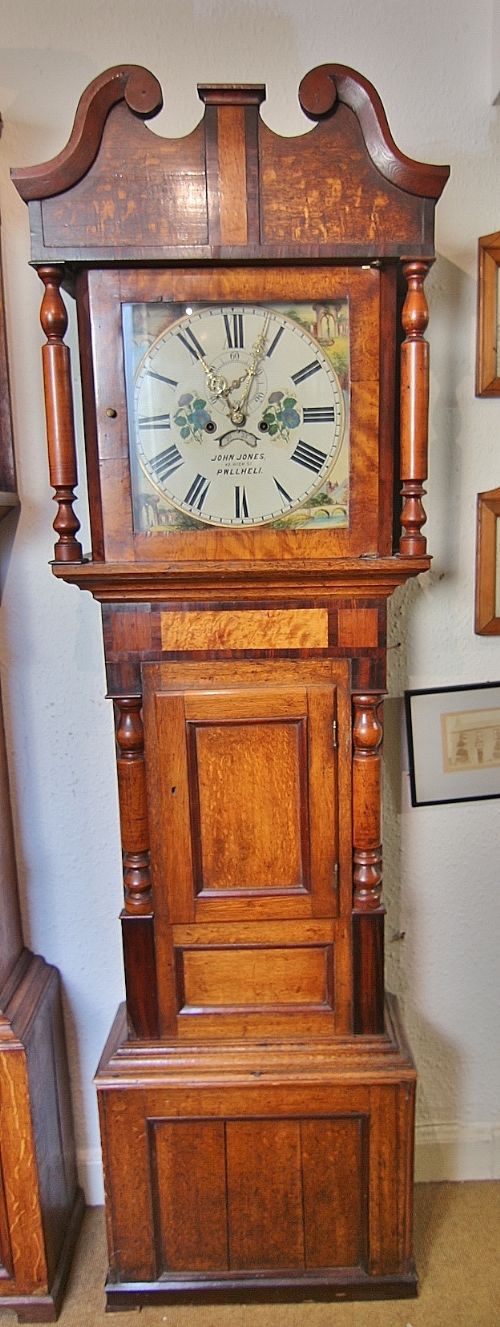
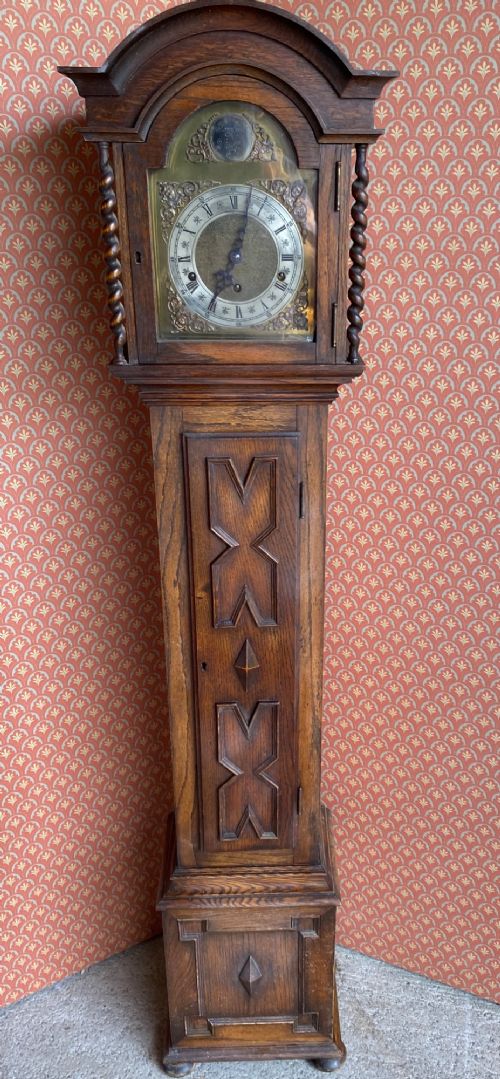
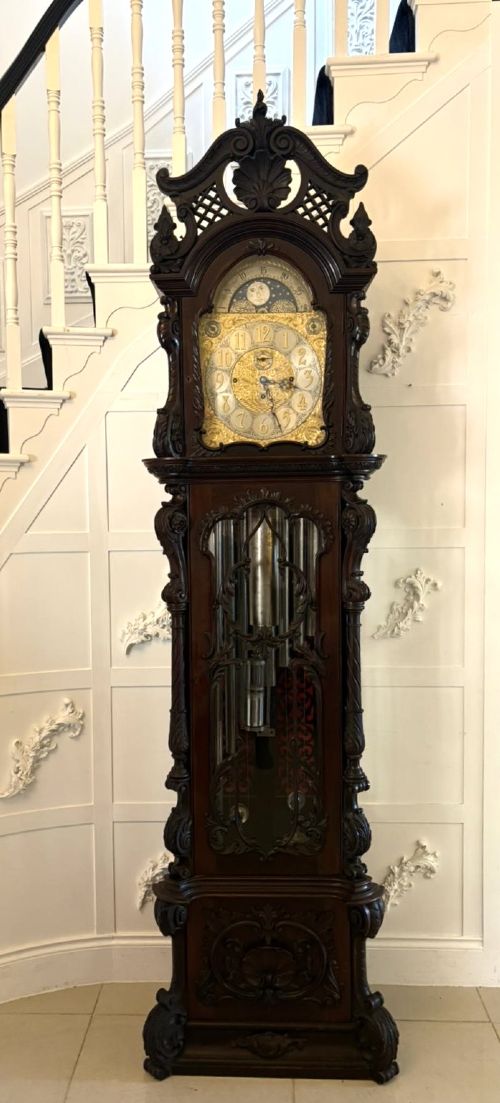
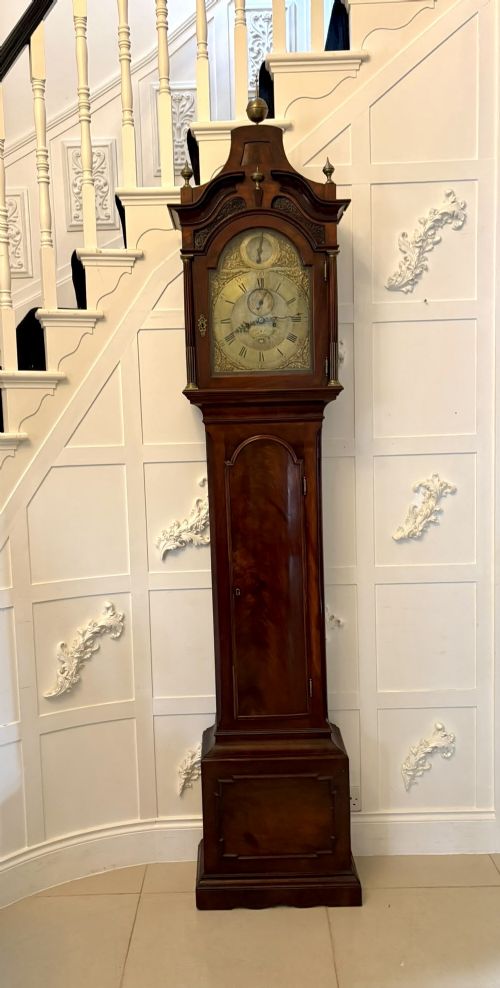
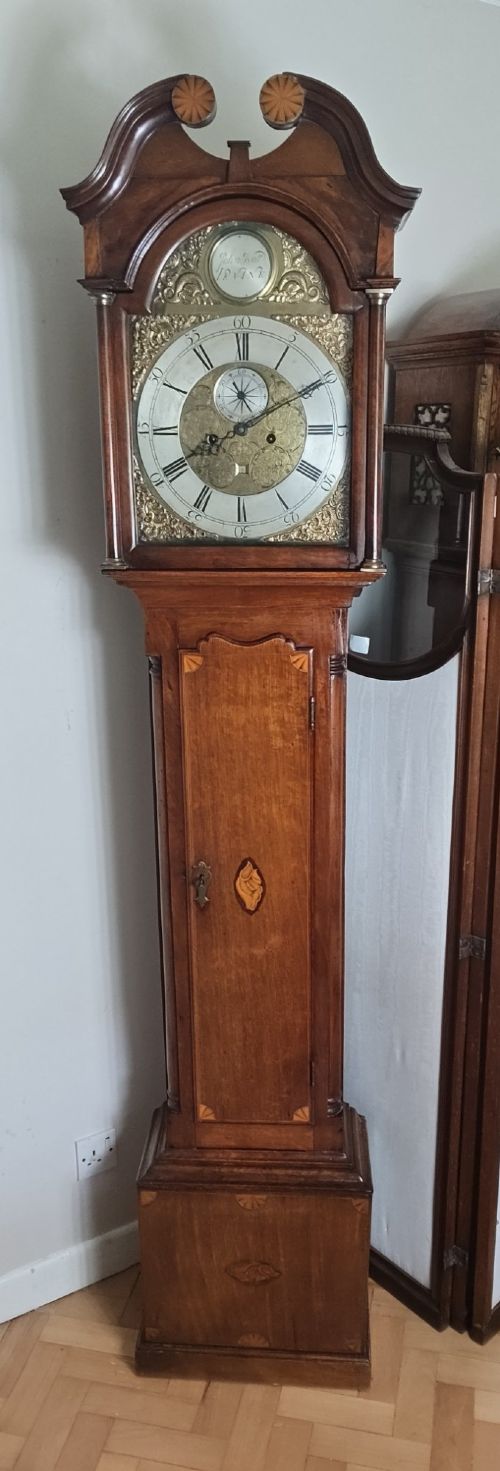
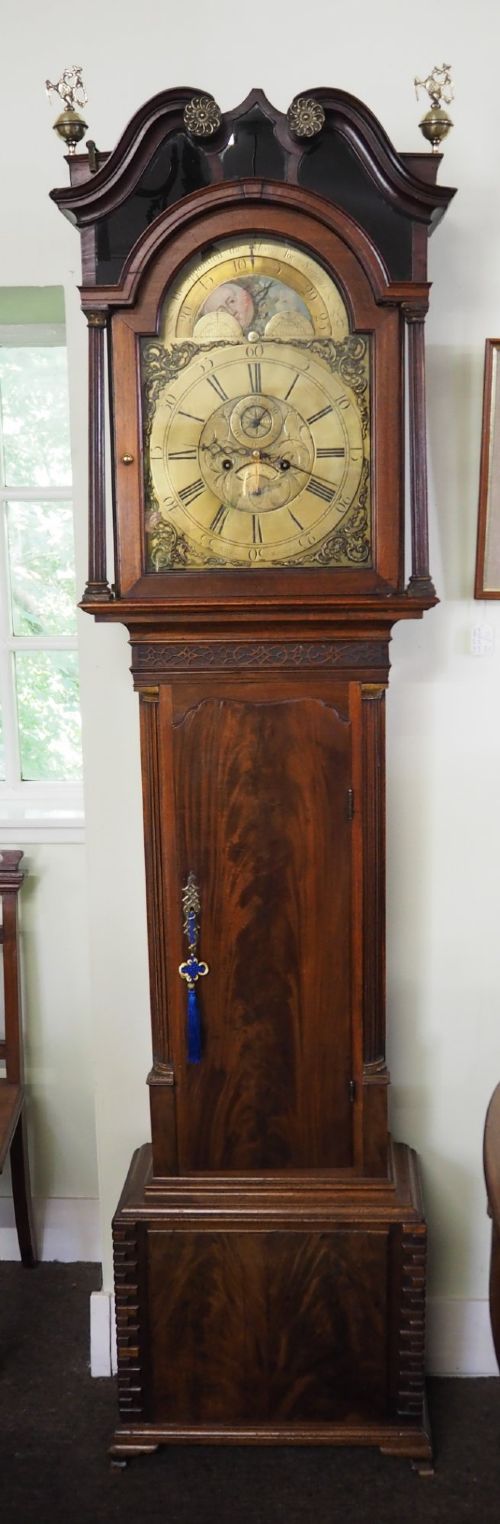
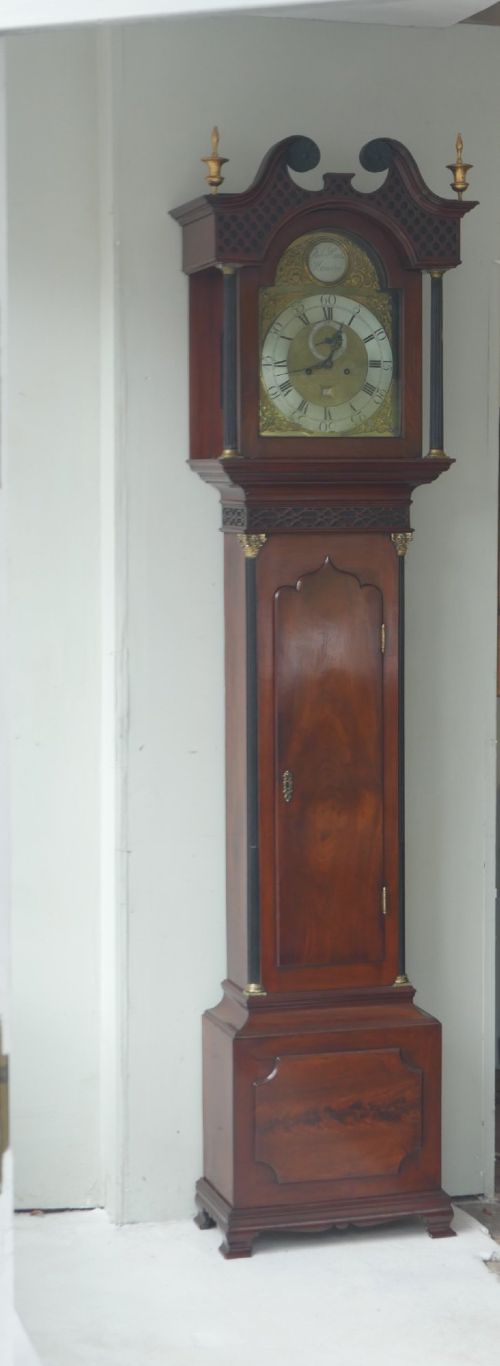
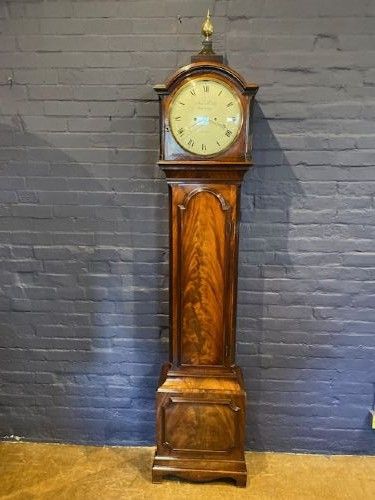
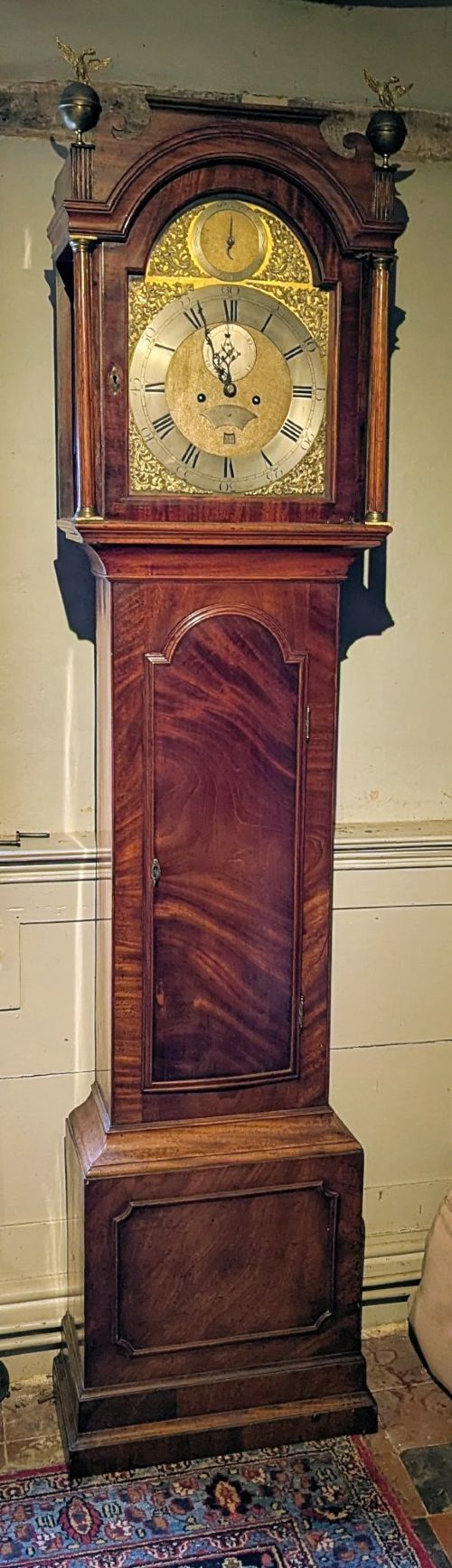
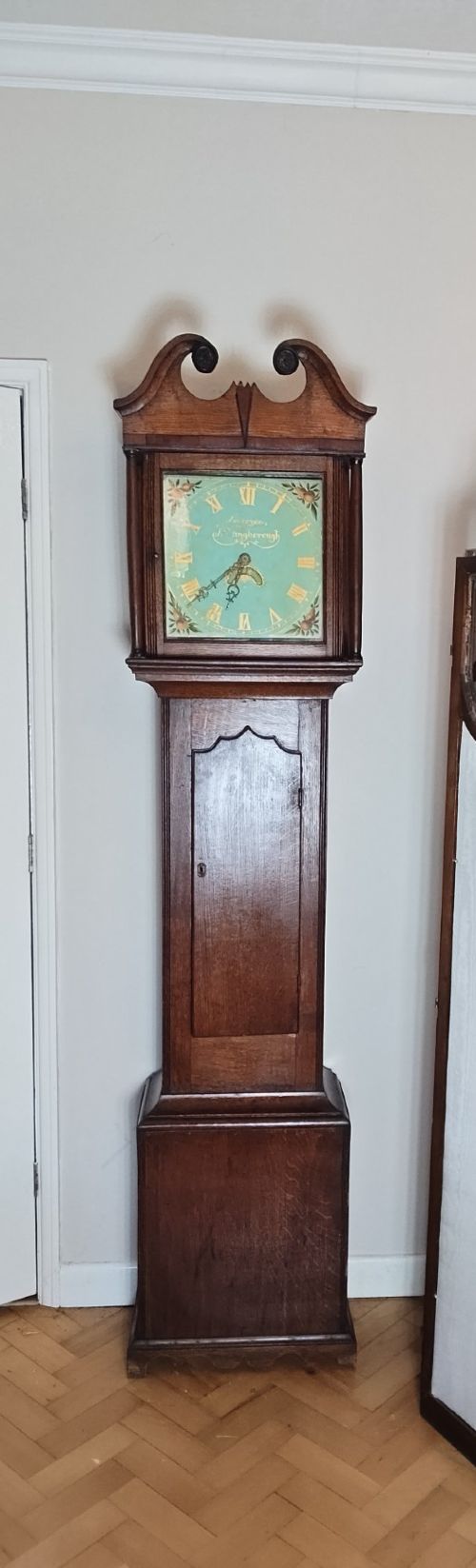
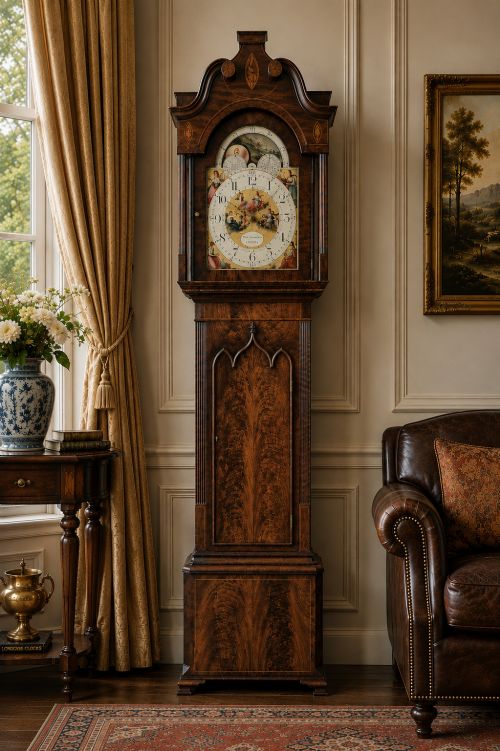
A traditional tall clock stands upright on the floor, enclosing weights and a pendulum inside a protective wooden case. Buyers searching this phrase meet longcase clocks, grandfather clocks, and smaller grandmother clocks originating from Georgian, Victorian, and Edwardian periods.
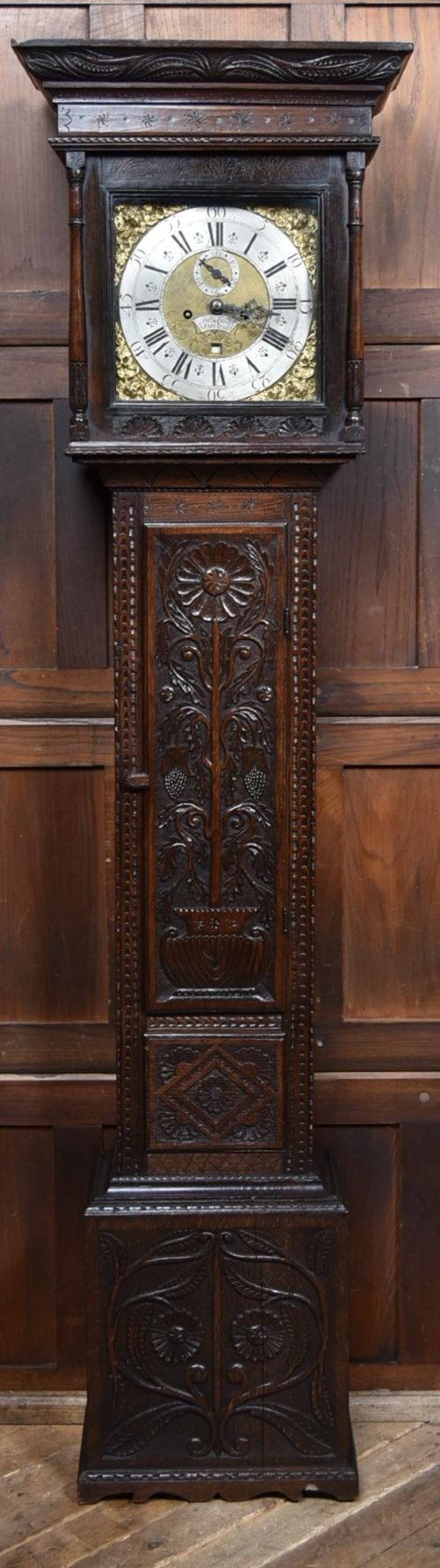
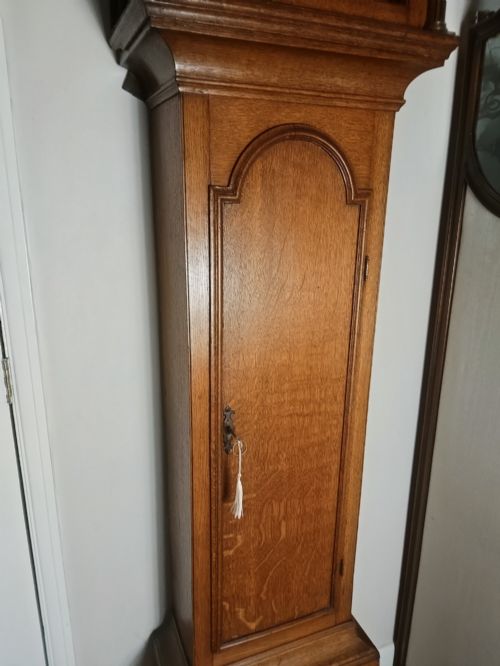
Mahogany and oak dominate the timber choices across these listings, whilst walnut and various regional pine timbers appear periodically. Cases range from tall, architectural London models to compact Scottish drumhead variants and musical 1920s editions.
Regional diversity shapes the selection, with makers from London, Scotland, and provincial towns like Chester and Macclesfield leaving their mark on dials and movements. Dial faces incorporate brass, enamel, and steel details, often featuring moon rollers or strike and silent mechanisms.
Materials and construction methods
Cabinetmakers constructed the tall cases using solid hardwoods such as mahogany and oak, often incorporating figured veneers to highlight the grain. Joinery techniques relied on pegged mortise and tenon joints for structural stability within the trunk and hood.
Clockmakers fitted brass movements, steel arbors, and lead or iron weights suspended by cords or chains to drive the timekeeping and striking trains. Enamel and brass dial plates received hand-painted numerals, delicate steel hands, and subsidiary seconds or calendar rings.
At least one Scottish tall clock includes a painted horse on the dial, proving that even solemn timekeepers occasionally welcomed a touch of humour.
Distinctions in craftsmanship
Quality rests in the precision of the mechanical movement and the crispness of the cabinet carving, where finer examples display well-figured mahogany timbers and finely engraved brass dials. Simpler provincial oak pieces trade ornate architectural detail for robust, honest regional joinery.
The sophistication of the gear train separates standard eight-day striking clocks from complex musical or triple-weight chiming mechanisms. Dial artistry, including painted moon phases and signed maker plates, elevates the standing of an individual piece.
Jn° Smith, Macclesfd·James McCabe·Samuel Kellett of Bredbury·Rickards, Wotton Under Edge·Priory of Dundee Scotland·Andrew Thom·Henry Weedon London·Mclennan, London·David Craig Ford Path head·Bravingtons
The Traditional Tall Clock Glossary
- Longcase clock
- A tall pendulum clock enclosed in a wooden case standing directly on the floor. This term is frequently used interchangeably with grandfather clock.
- Grandmother clock
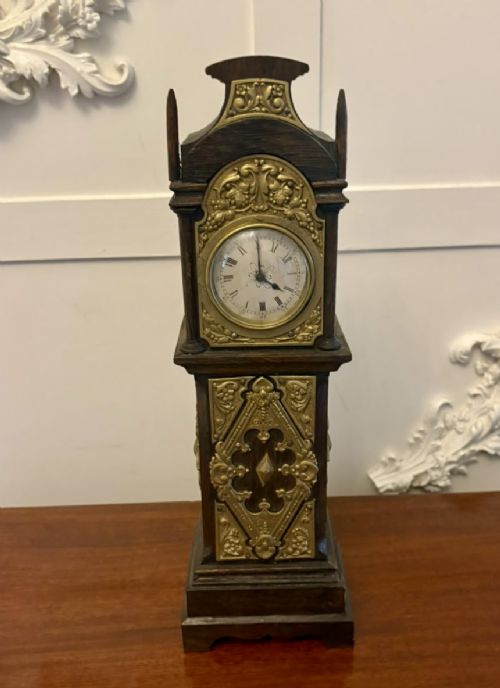
- A smaller, more compact version of the traditional tall clock, usually dating from the twentieth century. These fit comfortably into rooms with lower ceilings.
- Moon roller
- A rotating dial mechanism that tracks the phases of the moon through a painted lunar disc. This complication adds visual interest above the main clock face.
- Strike and silent
- A mechanical lever that allows the owner to silence the hourly chime at night. It engages or disengaging the striking train without stopping the pendulum.
- Drumhead
- A circular dial housing set into the top of a tall trunk, characteristic of specific regional Scottish designs. This style creates a distinct silhouette compared to traditional square or arched hoods.
Traditional Tall Clock: Frequently Asked Questions
How do I wind a tall clock?
Winding involves using a crank key to draw up the weights inside the trunk via the winding holes on the dial face. Care must be taken not to overwind the mechanism.
Most eight-day movements require winding once a week at a consistent time to maintain accurate timekeeping.
Where should I place a tall clock?
Tall clocks need a stable, level floor and a secure fixing to the wall through the backboard to prevent swaying. Avoid exterior walls subject to damp or temperature fluctuations.
Placing the clock away from heavy foot traffic ensures the delicate pendulum swings without floor vibrations interfering with the beat.
What is the difference between oak and mahogany cases?
Oak cases typically reflect earlier provincial manufacture, displaying visible grain patterns and robust, heavy construction. They suit rustic or traditional interior schemes.
Mahogany cases often denote later Georgian or Victorian refinement, featuring deep reddish-brown tones, polished surfaces, and more formal architectural proportions.
How do I date a tall clock?
Dating relies on examining the dial style, case proportions, wood choice, and any signature engraved on the brass face. London makers and regional cabinetmakers evolved dial arches and hood designs across decades.
Movements also progressed from thirty-hour birdcage frames to sophisticated eight-day rack striking systems as manufacturing techniques advanced.