

Traditional Storage Trunk
A traditional storage trunk brings centuries of robust utility and timber character straight into a modern room.
Traditional Storage Trunk
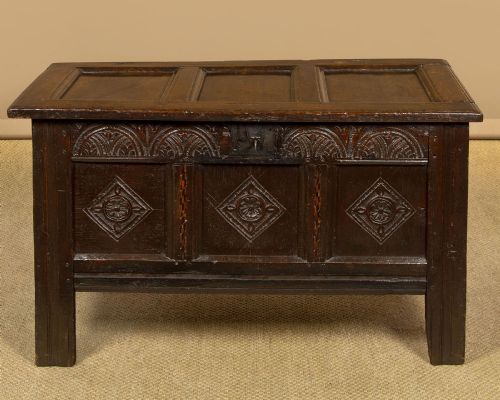
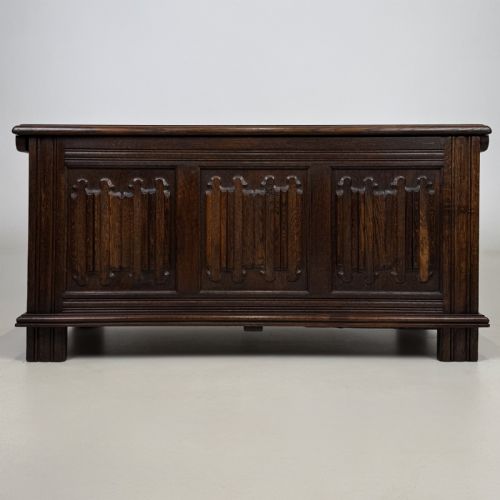
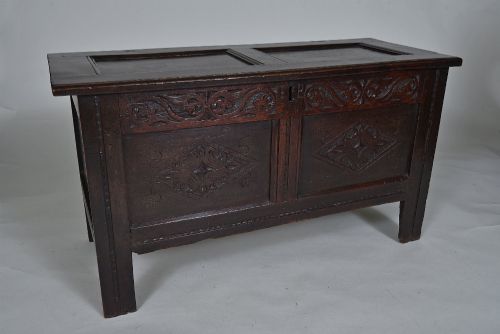
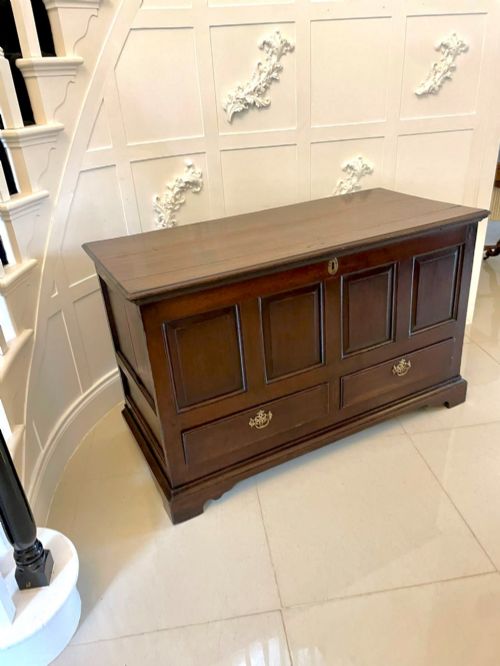
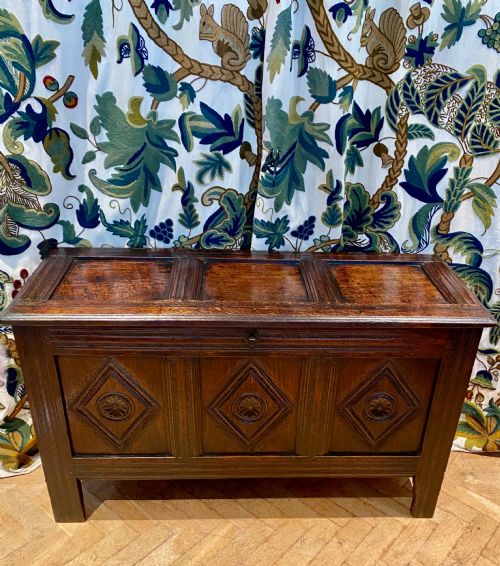
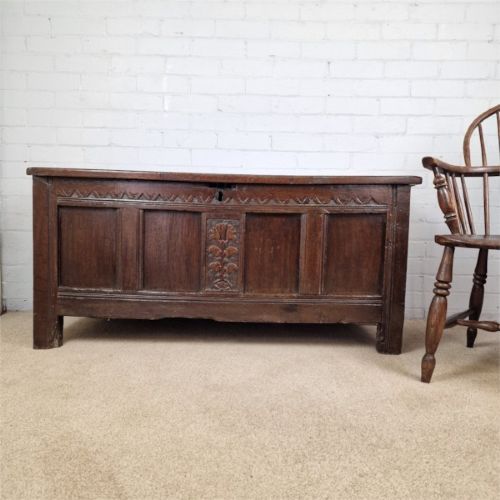
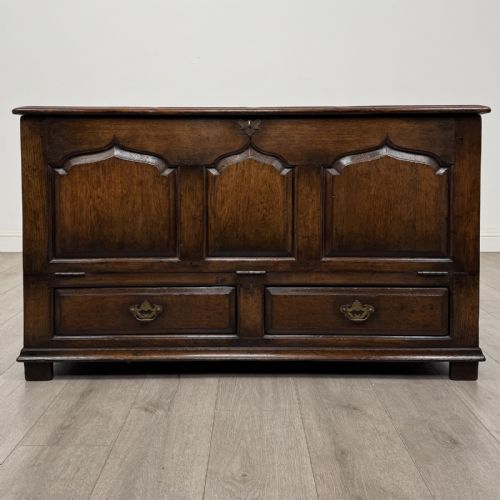
A traditional storage trunk encompasses heavy timber coffers, blanket boxes, and mule chests designed for household containment over generations. Buyers searching for a traditional storage trunk encounter substantial pieces originating from the seventeenth, eighteenth, and nineteenth centuries, alongside later revival pieces.
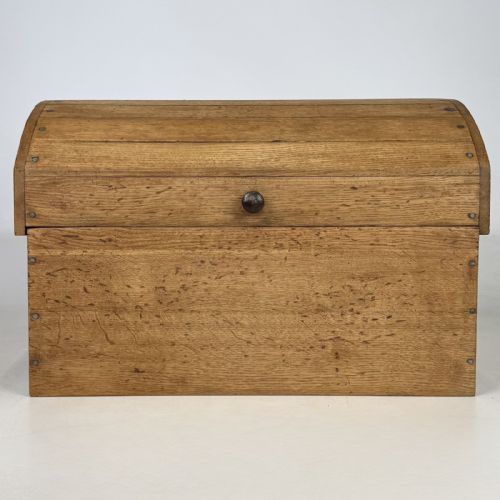
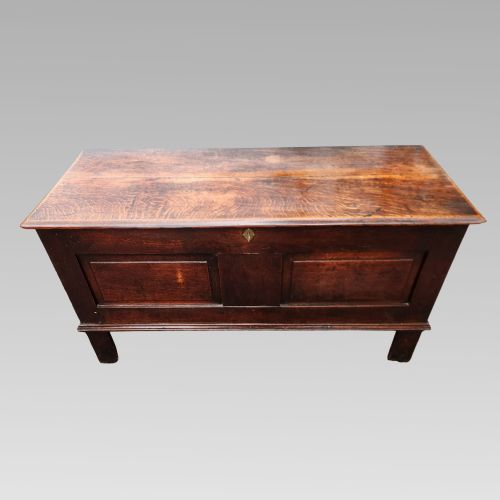
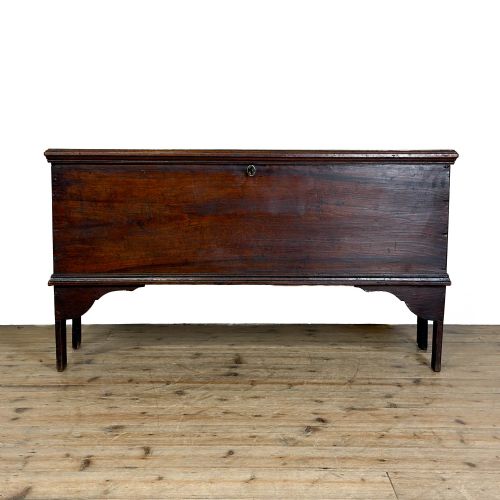
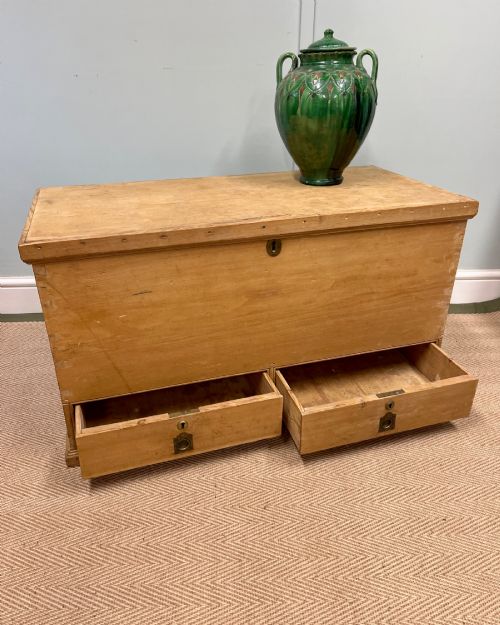
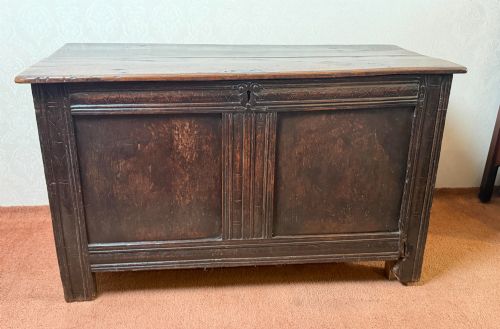
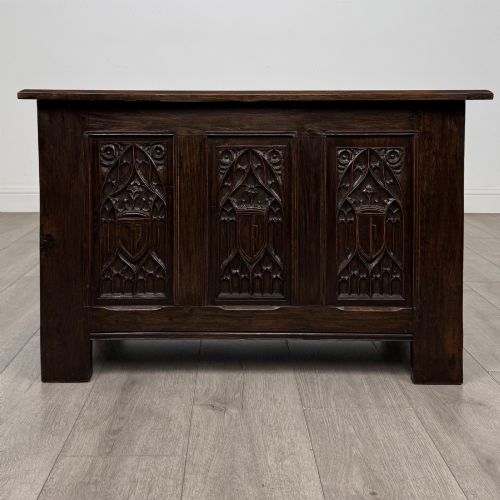
The most common iterations on this page are oak and pine coffers or blanket boxes. These range from plain six-plank vernacular pieces to panelled and carved examples built to store textiles and domestic goods securely.
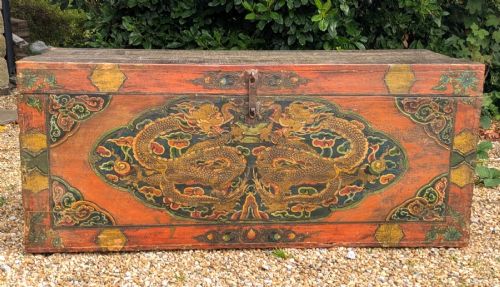
Origins span English country workshops to French provincial makers, with occasional examples in elm, camphor wood, and polychrome painted finishes. Each form reflects the specific regional timber supplies and storage needs of its period.
Materials and Construction
Construction relies heavily on solid native timbers such as oak, pine, and elm, joined using traditional methods like panel-and-frame or simple six-plank assembly. Carpenters utilised durable local woods that could withstand heavy daily use and protect contents from damp environments.
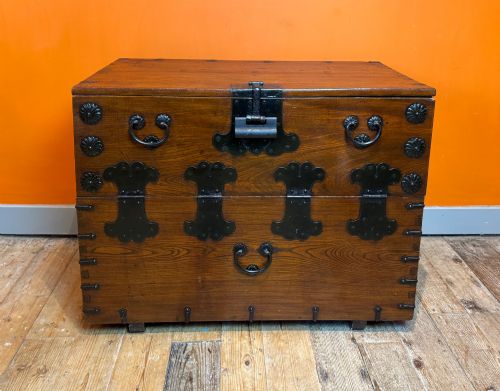
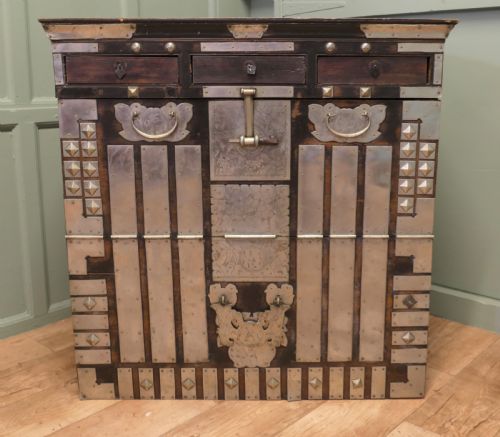
Metal hardware plays a functional role in construction, utilising hand-forged iron strapwork, hinges, and brass side handles. These iron and brass elements reinforce corners and lids while securing the heavy wooden lids during transport or daily handling.
Traditional Storage Trunk Retail Price Guide 2026
Typical asking prices for traditional storage trunk among the pieces listed under this phrase on Sellingantiques today, from the lower quarter to the upper quarter. They describe what is for sale here now, not the wider market.
Listings feature solid oak, pine, and elm storage pieces spanning from the 17th century through the Edwardian period.
Distinctions in Execution
Quality separates primitive utility items from master joinery through the precision of timber selection and joint execution. Finer pieces display carefully matched panels, tight mortise and tenon joints, and well-balanced proportions that maintain structural integrity over centuries.
Surface preservation and original hardware define the upper tier of surviving examples. Retaining original hinges, iron strapwork, and untouched patinated timber surfaces elevates a piece far above heavily restored or later altered trunks.
The Traditional Storage Trunk Glossary
- Coffer
- A heavy wooden chest traditionally used for storing valuables, documents, or textiles. These sturdy boxes often feature hinged lids and robust panelled construction.
- Mule Chest
- A traditional storage chest featuring one or more drawers beneath the main compartment. This form bridges the evolution between the simple coffer and the chest of drawers.
- Blanket Box
- A specialised chest designed specifically for holding woollens and linens. They frequently appear in plain pine or figured oak across the nineteenth century.
- Six-Plank Coffer
- A primitive chest constructed from six individual boards joined at the edges. This method represents one of the earliest and most direct forms of box-making.
- Strapwork
- Ornamental metal bands applied to the exterior of a trunk for reinforcement and decoration. Hand-forged iron strapwork frequently secures early pine and oak chests.
Traditional Storage Trunk: Frequently Asked Questions
What were traditional storage trunks used for?
These chests served as primary storage for household textiles, blankets, clothing, and valuables before fitted wardrobes became common. Their heavy construction also allowed them to double as seating or tables within domestic spaces.
Families utilised them to transport personal belongings during travel or to secure important household documents against fire and theft.
How do I care for an antique wooden trunk?
Keep wooden trunks away from direct heat sources and sudden temperature shifts to prevent timber splitting or warping. Dust regularly with a dry cloth and apply occasional wax to maintain the finish.
Avoid commercial polishes containing silicone, which can penetrate porous historic timber and damage the natural patina built up over centuries.
How can I tell an 17th-century coffer from a later revival piece?
Seventeenth-century coffers display authentic hand-tool marks, pegged mortise and tenon joints, and timber shrinkage consistent with age. Ironwork on early pieces is typically hand-forged rather than machine-cut.
Revival pieces from later periods often show uniform machine milling, standardised screws, and a lighter timber weight that lacks the dense grain of early oak.
Can I use a blanket box as a coffee table?
A sturdy wooden coffer or blanket box makes an excellent coffee table while providing hidden storage for living room clutter. Their flat tops easily support books, trays, and daily items.
Ensure the surface finish is resilient enough to handle occasional spills, and place felt pads underneath decorative objects to protect the historic timber.