







Traditional Storage Seat
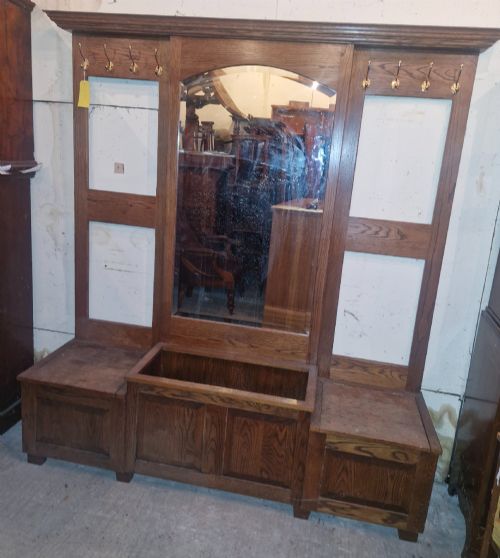
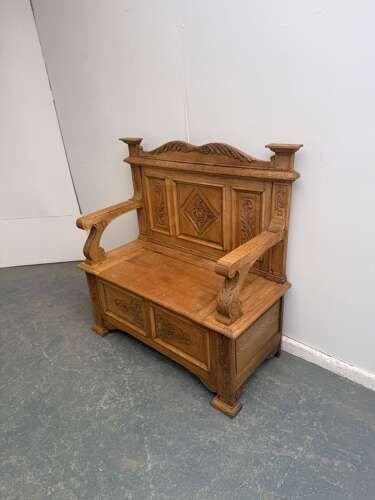
A traditional storage seat gives a hallway or living space dual purpose through built-in compartment space beneath benches and settles.
Traditional Storage Seat
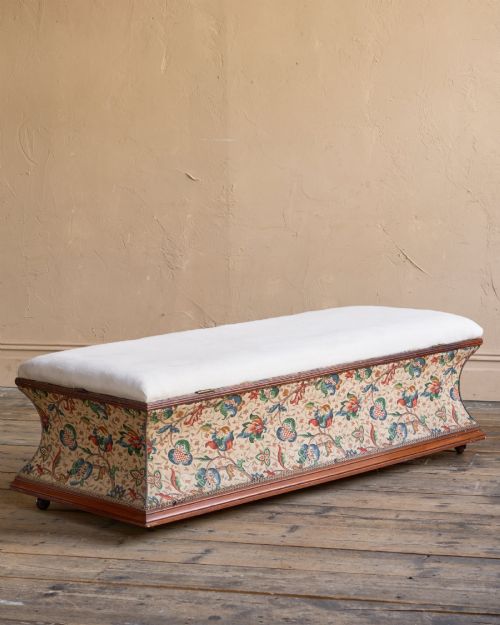
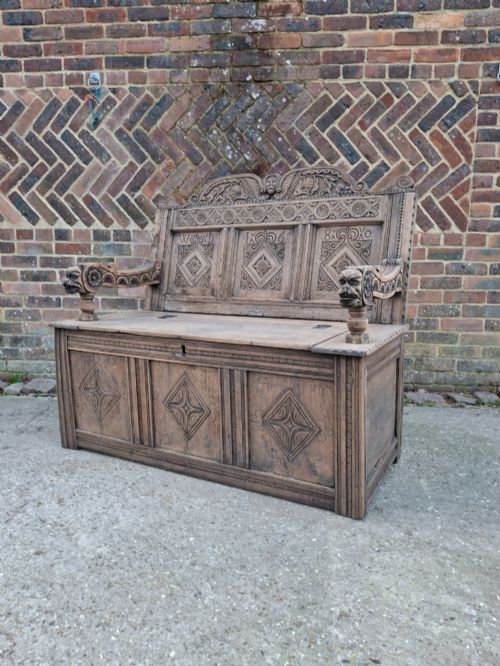
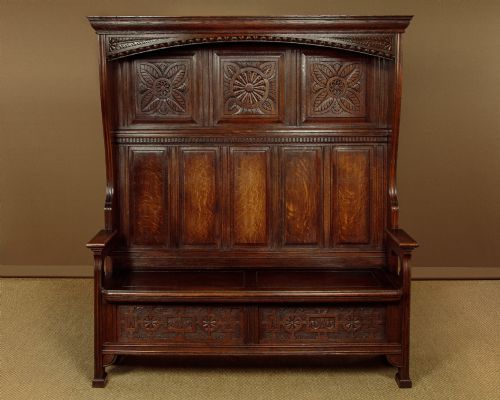
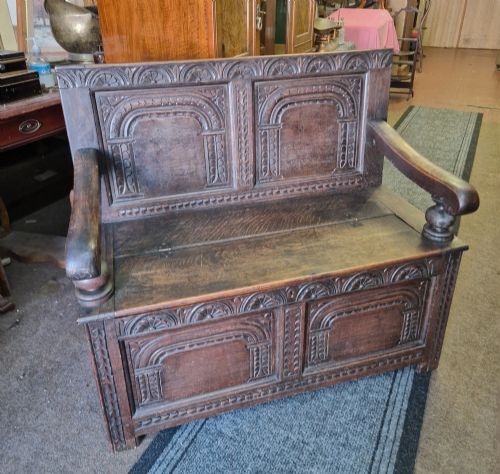
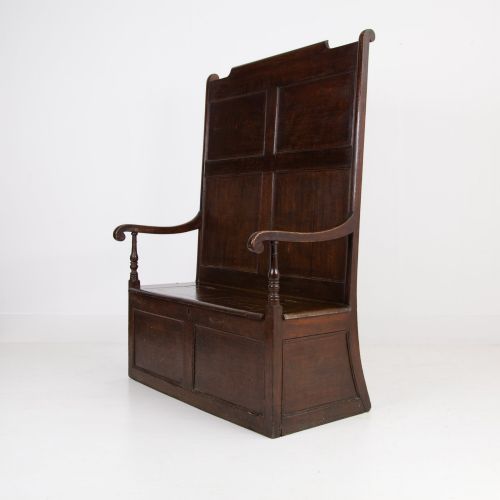
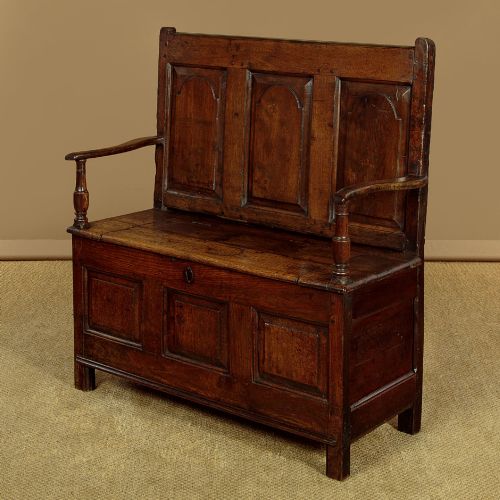
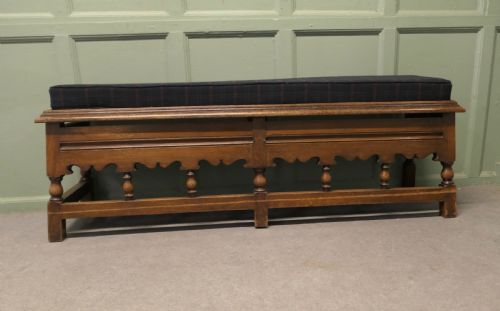
A traditional storage seat is typically encountered as a settle, hall bench, or box seat originating from periods spanning the eighteenth, nineteenth, and early twentieth centuries. These pieces combine seating with concealed compartments accessed via lift-up lids, hinged seats, or fold-over tops.
The selections on this page range from compact oak hall seats and piano stools to large multi-functional hall seat stands and multi-seater pine benches. Country and provincial examples appear frequently alongside revival styles.
Materials and construction
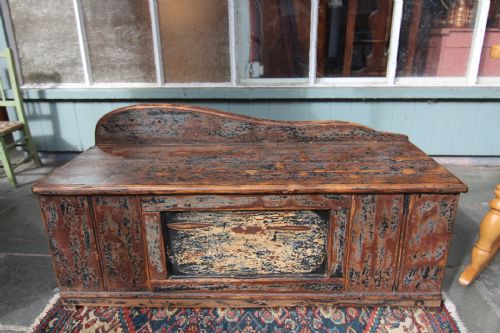
These items are constructed predominantly from solid timbers such as oak, pine, elm, and mahogany, reflecting the regional availability of materials during their respective periods. Oak and elm feature heavily in earlier provincial and carved pieces, while pine frequently carries historical painted finishes.
Joinery relies on traditional carpentry techniques appropriate to the era, such as panelled construction for settles and chests. Hardware components like brass and iron hinges, brackets, and catches facilitate the functional movement of lids and fold-over elements.
Traditional Storage Seat Retail Price Guide 2026
Typical asking prices for traditional storage seat among the pieces listed under this phrase on Sellingantiques today, from the lower quarter to the upper quarter. They describe what is for sale here now, not the wider market.
Some nineteenth-century box seats doubled as tweed window seats and boot stores, proving our ancestors were just as keen on tidy hallways.
Factors influencing quality
Quality rests in the integrity of the timber, the crispness of any carved detailing, and the retention of original surfaces such as aged wax or early paint layers. Pieces showing honest patination and minimal structural alteration stand apart from heavily restored equivalents.
Mechanical components also distinguish finer examples, where original hinges and sturdy internal box construction remain intact after centuries of daily use.
The Traditional Storage Seat Glossary
- Settle
- A wooden bench with a high back, solid wooden arms, and a box seat compartment beneath the cushion area. This form provided draught protection in older domestic interiors.
- Monks bench
- A convertible form featuring a folding back that transforms from a high-backed seat into a flat table top. It typically incorporates a lift-up storage box beneath.
- Bacon settle
- An eighteenth-century vernacular form, often in elm or oak, traditionally featuring high panelled backs and deep storage compartments once utilised for curing meats.
- Polychrome
- Painted in multiple colours, frequently seen on nineteenth-century barge box seats and folk pieces. This decoration preserves historical hues directly on the timber surface.
Traditional Storage Seat: Frequently Asked Questions
What is a traditional storage seat?
A traditional storage seat is a piece of antique furniture that combines a bench or chair with a concealed compartment beneath the seat. These include settles, hall benches, and box seats from various historical periods.
They were designed to maximise domestic space by offering both seating and storage for items like blankets, boots, or household goods.
Where were these seats placed?
These pieces were historically positioned in hallways, boot rooms, and living spaces where practical seating and concealed storage were required. Hall benches managed outdoor wear, while kitchen settles provided warm seating near hearths.
In modern settings, they serve identical functions in entrance halls or as window seats.
How do I date a wooden settle?
Dating relies on examining the timber species, construction joints, tool marks, and overall style characteristics. Eighteenth-century pieces often show hand-planed surfaces and pegged joinery, whereas later Victorian examples utilise machine-sawn boards and different hardware.
Revival pieces from the late nineteenth and early twentieth centuries copy earlier motifs but retain manufacturing traits of their own era.
Are painted finishes original?
Painted finishes on pine and country pieces can be original or later additions applied during subsequent decades of use. Traces of early grey, black, or polychrome pigment often survive beneath modern layers.
Close inspection of the surface wear and underlying timber helps determine the age of the paint application.