


Traditional Stick Stand
A traditional stick stand is a practical hallway furnishing designed for walking canes and umbrellas, combining robust metal or timber with daily utility.
Traditional Stick Stand
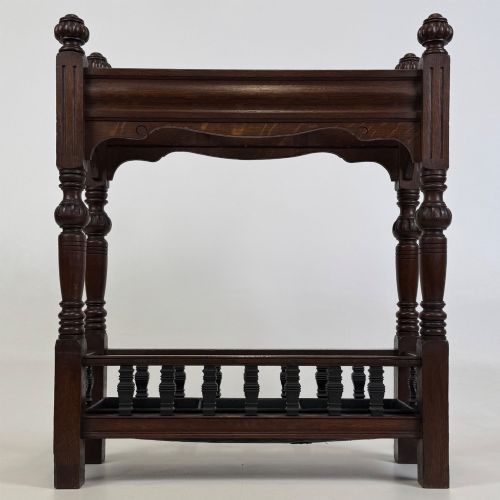
A traditional stick stand serves as a dedicated hallway receptacle for walking canes, umbrellas, and parasols, keeping entryways orderly in period homes. When searching for a traditional stick stand, buyers encounter a variety of forms primarily rooted in the Victorian, Edwardian, and Georgian eras, alongside Arts and Crafts designs.
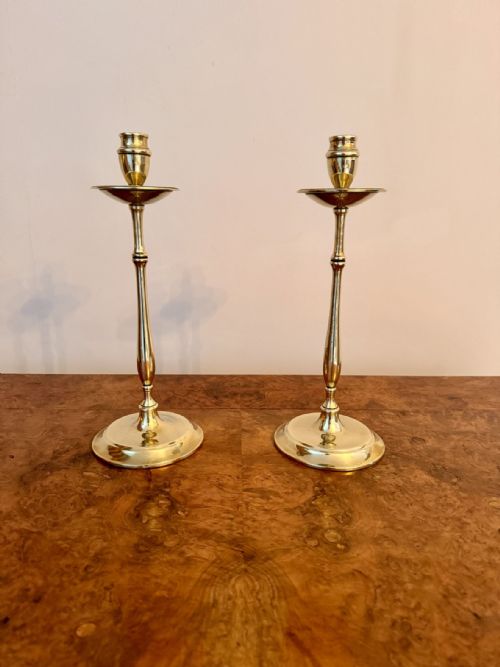
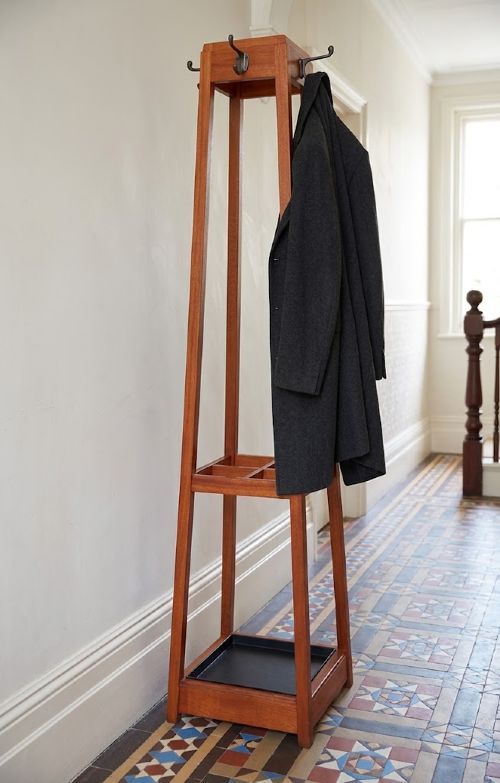
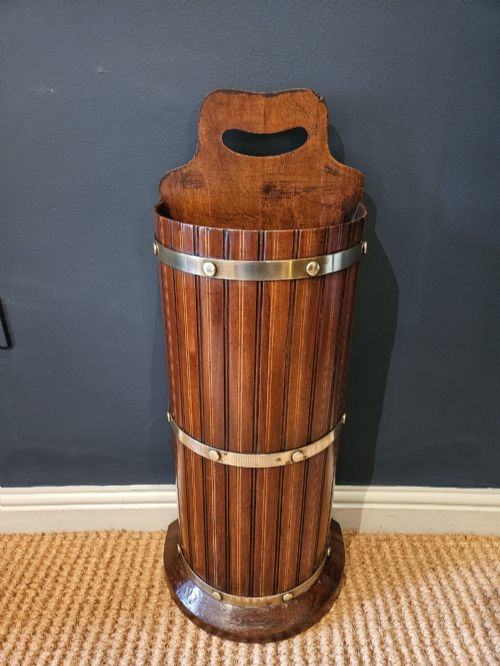
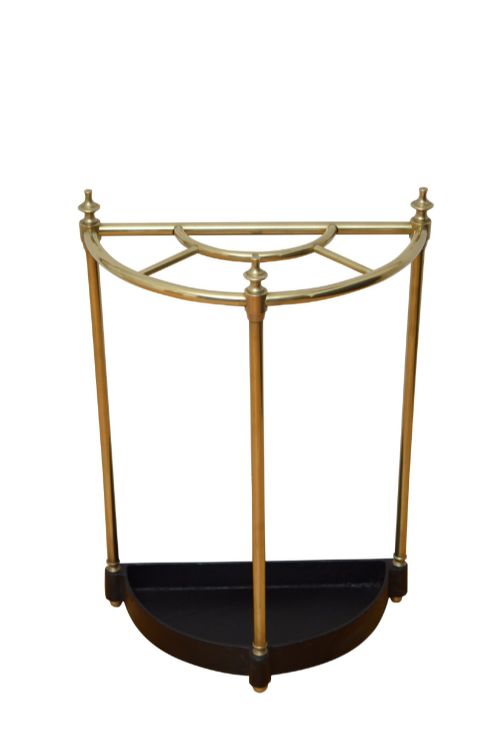
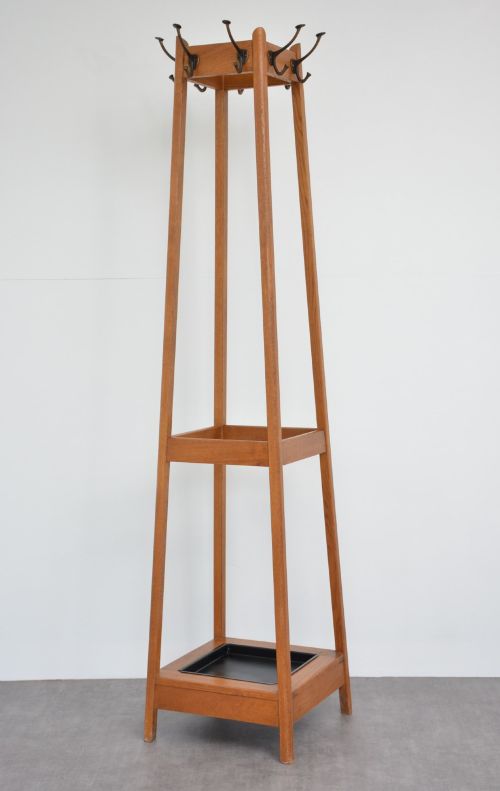
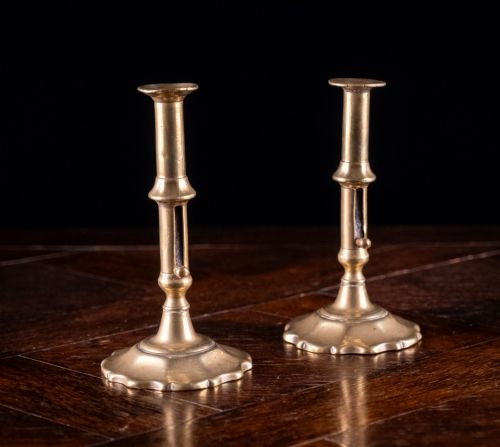
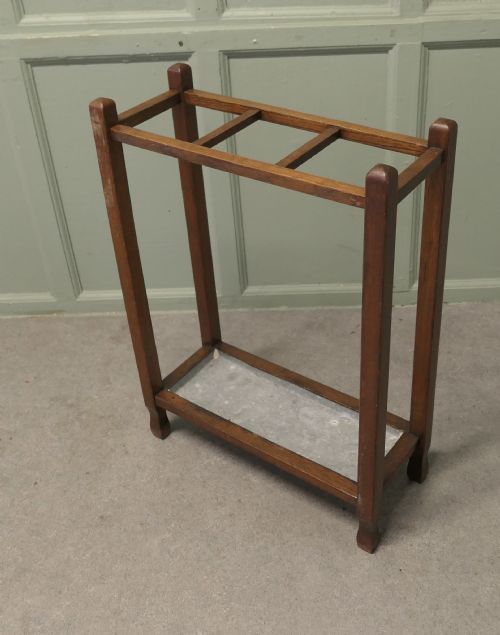
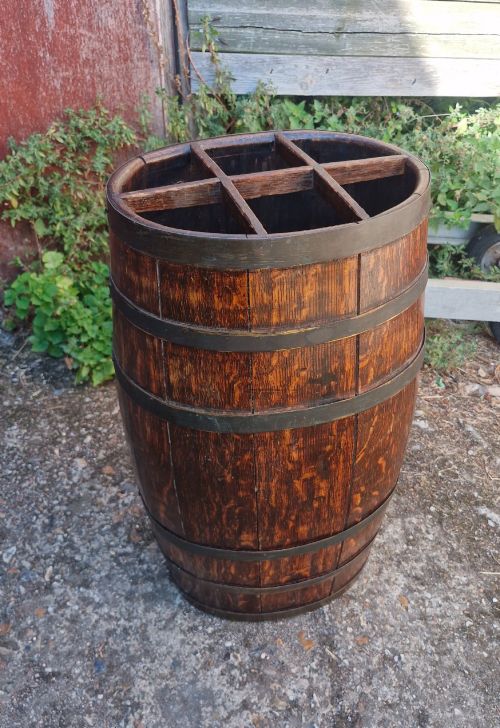
The selections available here frequently manifest as coopered oak barrels bound in metal, demilune brass frames, or structured hall stands incorporating integrated umbrella holders and drip trays. These items bridge domestic function with decorative presence, often appearing in country house styles or utilitarian formats.
Originating largely from the nineteenth and early twentieth centuries, these pieces utilise sturdy materials meant to withstand daily wear from wet weather gear and heavy walking sticks. The physical presence of such an object anchors an entrance hall with tangible period character.
How they were made
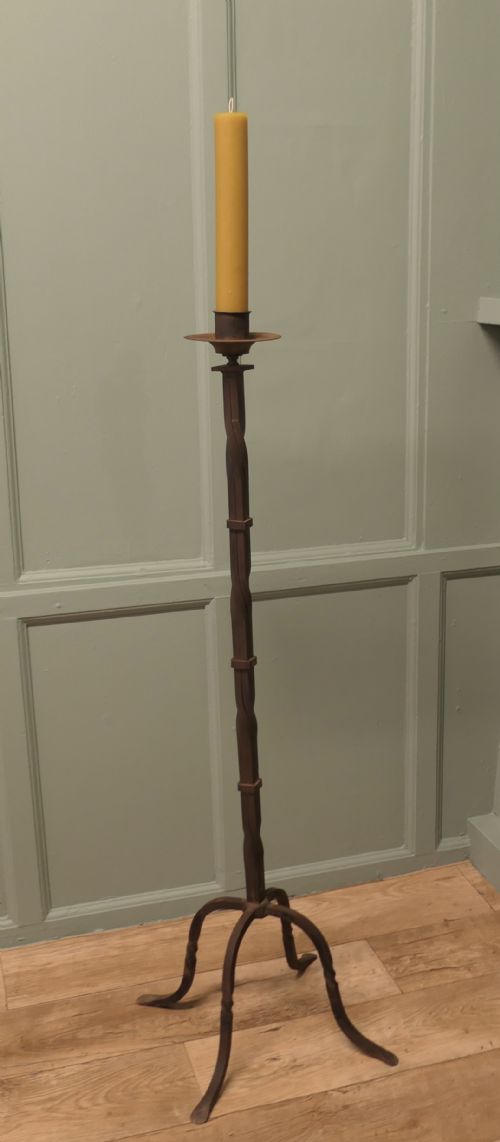
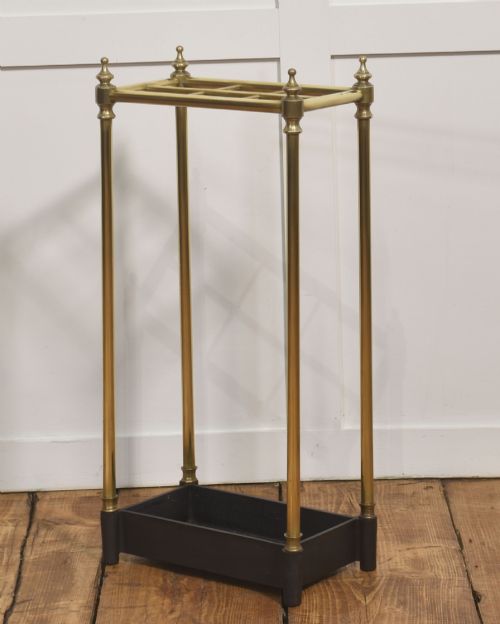
Construction relies heavily on durable hardwoods such as oak, mahogany, and walnut, often shaped through cooperage techniques where staves are bound by metal bands to form cylindrical barrels. Alternatively, makers utilised cast iron, brass, and copper to construct rigid frames capable of enduring constant moisture and heavy cane handles.
Metal components involve casting and sheet shaping, frequently paired with original inset metal drip trays designed to catch rainwater and protect wooden floors. These material combinations ensure structural longevity while maintaining the distinct aesthetic of nineteenth and early twentieth-century domestic metalwork and carpentry.
Traditional Stick Stand Retail Price Guide 2026
Typical asking prices for traditional stick stand among the pieces listed under this phrase on Sellingantiques today, from the lower quarter to the upper quarter. They describe what is for sale here now, not the wider market.
Listings feature oak, brass, and cast iron across Victorian, Edwardian, and Georgian periods.
What varies in quality
The standard of a piece rests upon the integrity of its primary materials, such as heavy-gauge brass or densely grained quarter-sawn oak, coupled with the retention of original functional components like internal drip trays. Superior examples maintain uncompromised structural joints and authentic surface patination accumulated through generations of domestic use.
Execution and proportion separate standard utilitarian items from finer examples, particularly in the hand-turned details of wooden uprights or the precision of coopered stave construction. The presence of makers' marks or specific foundry stamps further elevates the standing of metal or plated specimens.
Mappin And Webb·J T And Co
The Traditional Stick Stand Glossary
- Coopered
- Constructed from wooden staves fitted together side by side and bound by metal hoops, much like a traditional barrel.
- Demilune
- Shaped like a half-moon, allowing the object to sit flush against a hallway wall while holding walking sticks.
- Drip tray
- A removable metal basin positioned at the base of a stand to catch water from wet umbrellas.
- Arts and Crafts
- A design movement prioritising traditional craftsmanship, visible grain, and honest construction over mass-produced ornamentation.
Traditional Stick Stand: Frequently Asked Questions
What is a traditional stick stand?
A traditional stick stand is a dedicated hallway furnishing designed to hold walking canes, umbrellas, and parasols upright.
These pieces typically date from the nineteenth or early twentieth centuries and utilise durable materials like oak, brass, and cast iron.
How were stick stands used?
They were placed in entrance halls and boot rooms to keep wet umbrellas and walking sticks organised and away from walls.
An integrated metal drip tray at the bottom caught rainwater to protect wooden flooring from dampness.
How do I live with one?
Position your stand near the main entrance where it can serve its original purpose of holding daily walking aids and umbrellas.
Ensure the interior metal drip tray is regularly checked and dried to prevent moisture accumulation against the surrounding timber or floor.
How do I tell periods apart?
Victorian and Edwardian models often feature robust oak framing, brass-bound coopered barrels, or heavy cast iron work.
Arts and Crafts examples display simpler, hand-finished woodwork celebrating natural grain, while earlier neoclassical influences show refined brass framing.