

Traditional Stick Back Seat
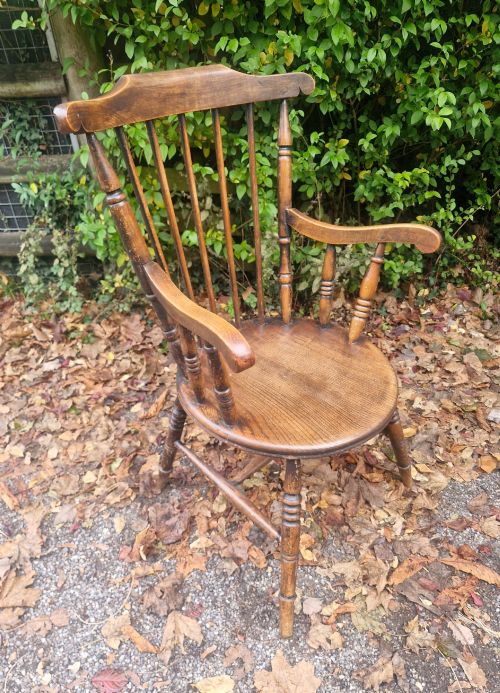
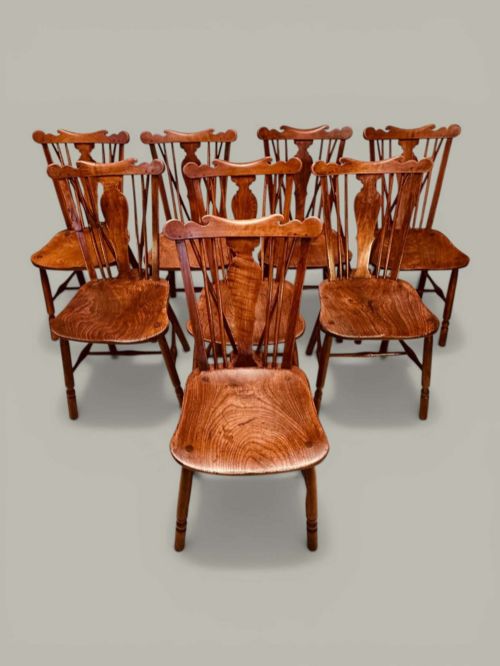
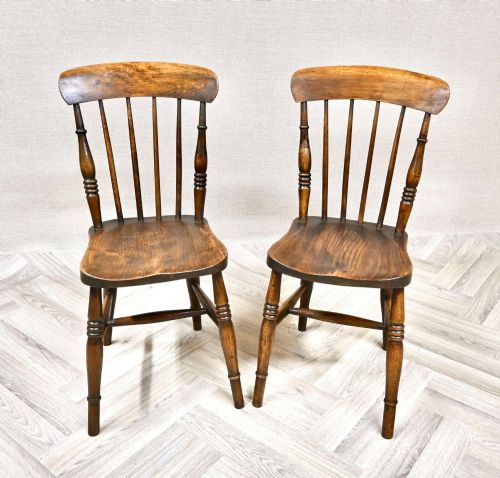
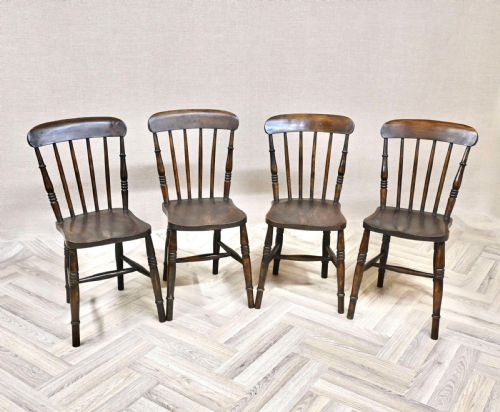
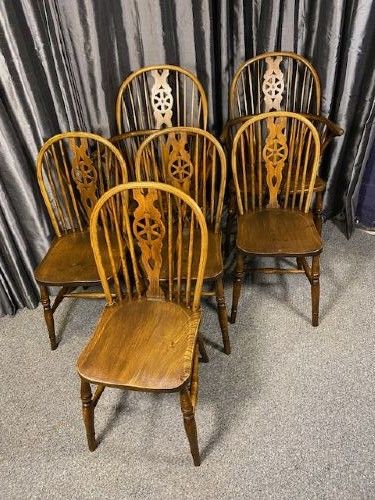
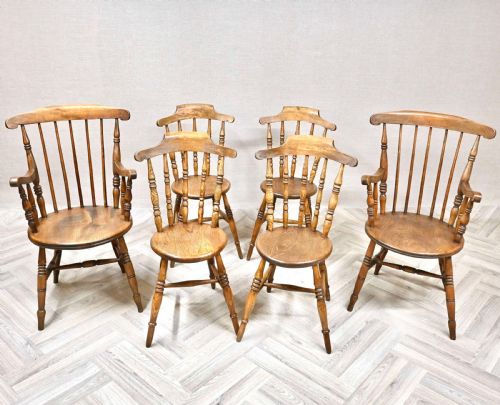
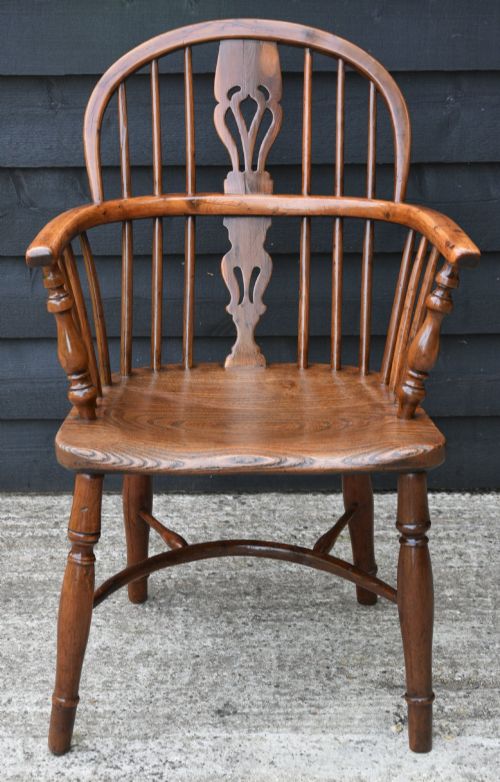
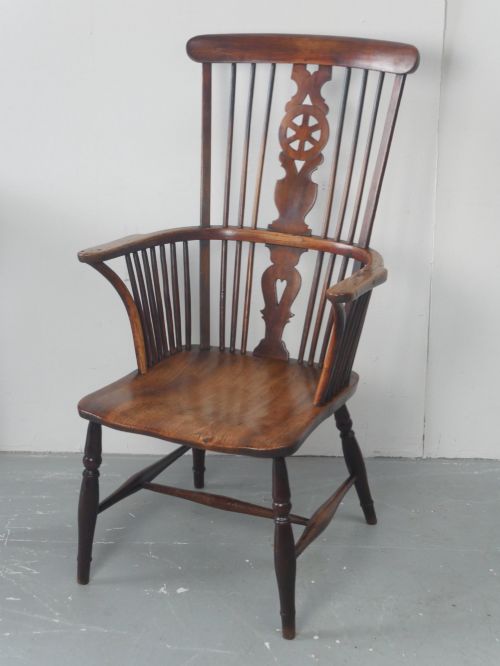
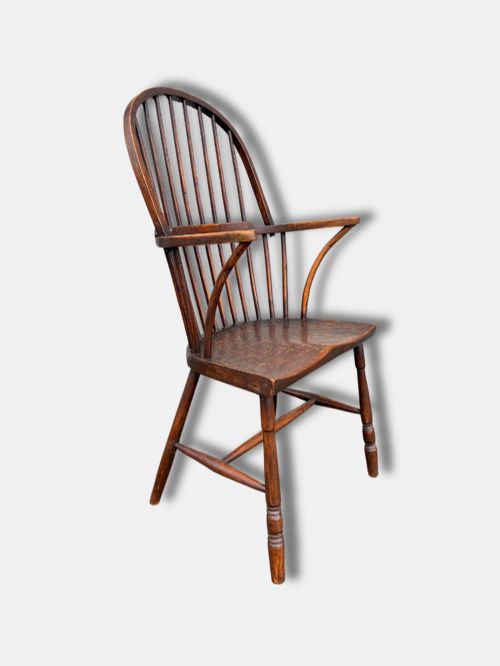
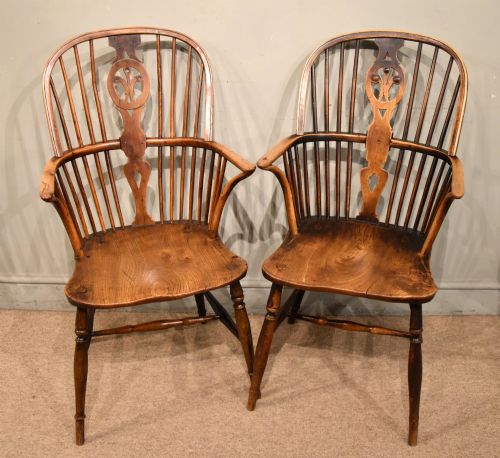
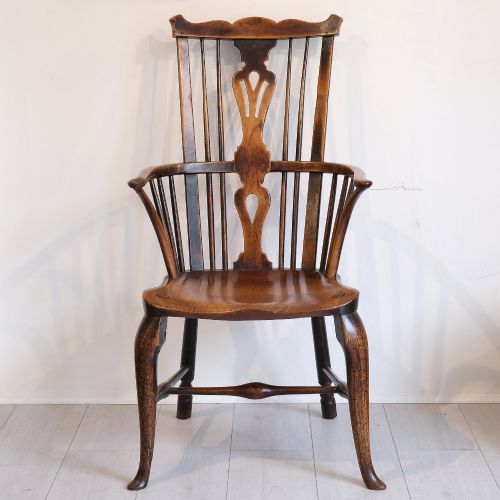
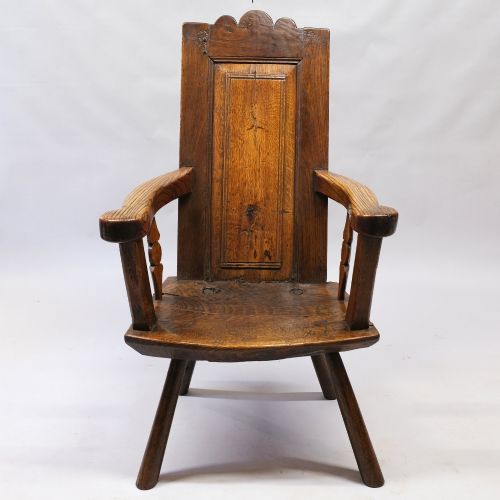
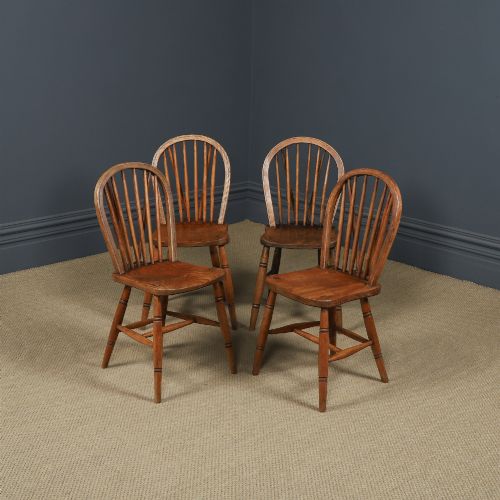
These traditional stick back seat examples are robust regional chairs combining turned wooden spindles with solid carved wooden seats.
Traditional Stick Back Seat
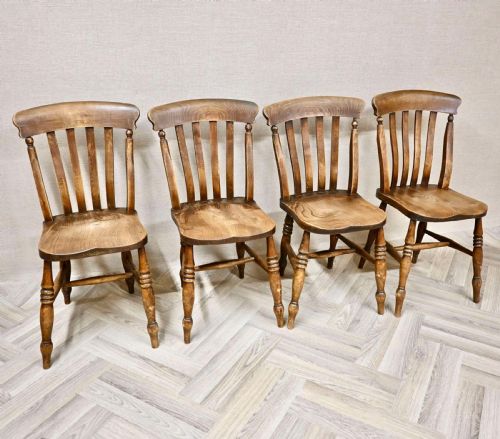
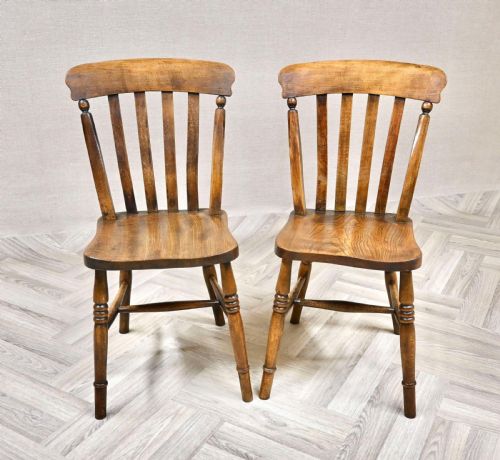
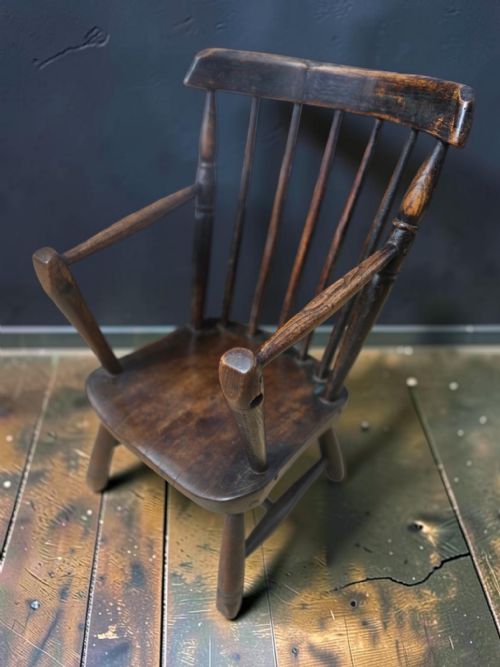
When you search for a traditional stick back seat, you encounter vernacular wooden seating built by rural makers across English and Welsh regions. These pieces include single armchairs, kitchen dining chairs, and smaller children's variants dating from the eighteenth century through to the Victorian era.
You are most likely to meet nineteenth century kitchen chairs and earlier Georgian armchairs constructed in farmhouse settings. The selection ranges from hoop back and comb back forms to low kitchen dining chairs intended for daily domestic use.
How they were made
Cabinet makers and bodgers utilised contrasting native timbers, pairing durable elm seats with ash, beech, yew, or fruitwood for the bentwood bows and turned spindles. The solid wooden seat acts as the central anchor, drilled to receive the legs and back sticks.
Constructed using traditional green woodworking techniques, the legs and stretchers are turned on a pole lathe while the back components are steam bent into curved hoops or combs. This method creates a rigid frame through the natural shrinkage of dried wood around seasoned joints.
Traditional Stick Back Seat Retail Price Guide 2026
Typical asking prices for traditional stick back seat among the pieces listed under this phrase on Sellingantiques today, from the lower quarter to the upper quarter. They describe what is for sale here now, not the wider market.
Several examples feature tiny child-sized proportions, proving that eighteenth century toddlers also needed proper kitchen seating.
What varies in quality
The distinction between ordinary utility seating and superior examples lies in the selection of timber and the sophistication of the turning. Yew wood grain and deeply sculpted saddle seats elevate certain regional chairs above standard ash and elm kitchen seating.
Proportion and structural harmony dictate the standing of a piece, with well-balanced arm placement and elegant bow sweeps separating master regional work from simpler provincial items.
John Brand of Sleaford
The Traditional Stick Back Seat Glossary
- Stick back
- A chair design where turned wooden spindles form the backrest, inserted directly into the seat.
- Windsor
- A wooden chair built upon a thick saddle seat into which the undercarriage legs and back sticks are wedged.
- Comb back
- A chair variation featuring a high rectangular or curved top rail resembling a traditional hair comb.
- Penny seat
- A characteristic depression carved into the centre of a solid wooden chair seat.
- Vernacular
- Objects built by regional craftsmen following local traditions rather than strict academic design patterns.
Traditional Stick Back Seat: Frequently Asked Questions
What defines a traditional stick back seat?
These seats are vernacular wooden chairs constructed with individual turned spindles socketed into a solid carved timber base. They rely on the structural integration of legs, seat, and back rather than upholstered frames.
Most surviving examples originate from rural workshops across English and Welsh counties, utilising local hardwoods for domestic dining and farmhouse use.
How were these chairs used historically?
They served as principal seating around farmhouse dining tables, kitchen hearths, and cottage workspaces. Their robust construction made them suitable for heavy daily labour.
Smaller variants were also produced specifically as children's chairs for domestic family environments.
How do I live with a stick back chair?
These pieces integrate easily into contemporary interiors around wooden dining tables or as standalone desk chairs. Their durable construction allows for everyday domestic use.
Keep them away from direct heat sources and sudden temperature shifts to protect the historic timber and pegged joints.
How can I tell different periods apart?
Earlier eighteenth century examples often feature heavier proportions, comb backs, and rich yew or fruitwood timbers. Nineteenth century pieces lean towards lighter kitchen ash and elm variations.
Regional differences also help determine origin, such as specific West Country or Welsh stylistic turns in the spindles and arm supports.