



Traditional Silver Spoon
A traditional silver spoon offers tangible history for the table, spanning tea sets, marrow scoops and serving utensils.
Traditional Silver Spoon
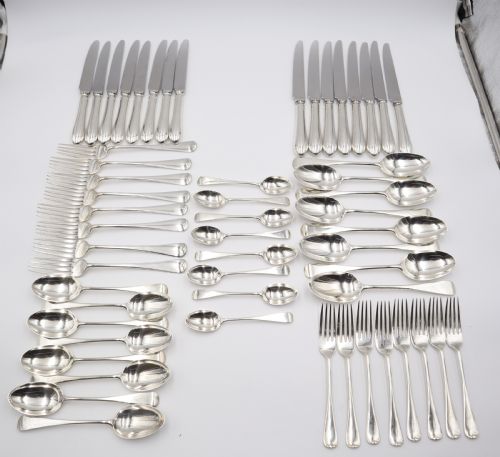
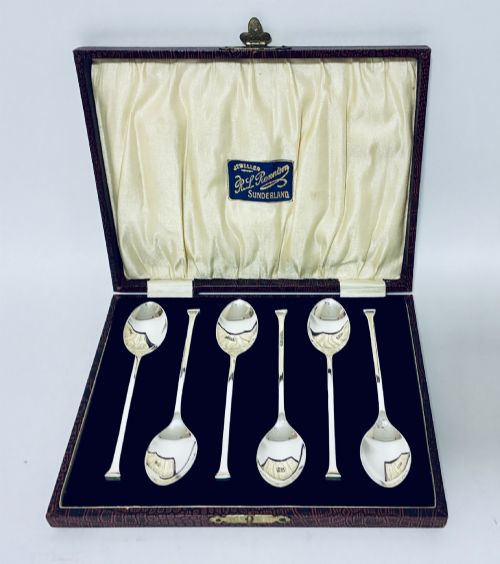
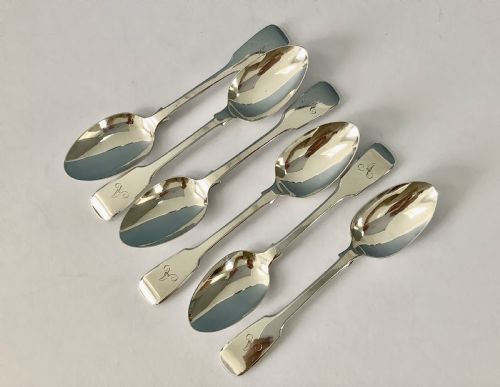
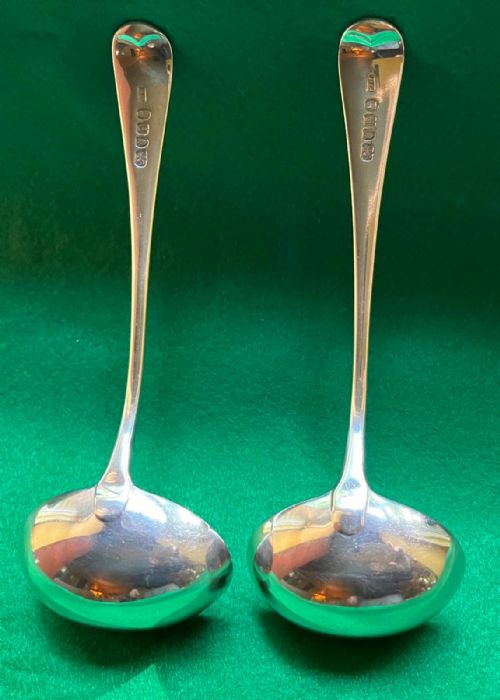
When you search for a traditional silver spoon, you uncover functional cutlery and serving pieces forged across centuries. The selection ranges from Georgian matched serving spoons and George III sauce ladles to Victorian tea spoons and twentieth century seal top sets.
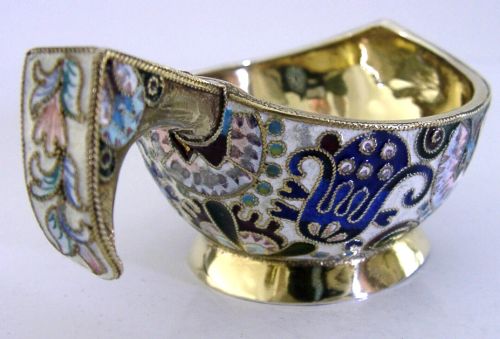
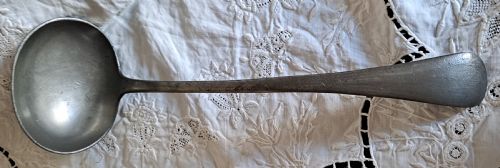
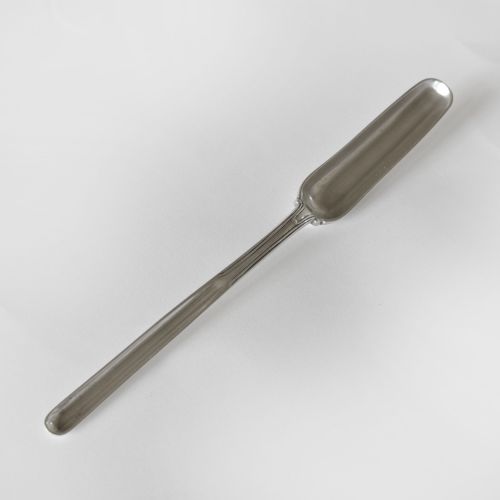
You meet various utilitarian and decorative forms on this page, including marrow scoops, stilton scoops and toddy ladles. Materials extend beyond sterling silver to encompass silver-gilt, pewter, coquilla nut and cloisonne enamel variants.
How they were made
Silversmiths shaped these traditional silver spoon items using sterling silver, silver plate and pewter, frequently hammering and casting the metal into bowls and handles. Artisans combined organic elements like bone or coquilla nut with treen and silver mounts for specific functional utensils.
Specialised pieces incorporated decorative techniques such as cloisonne enamel and silver-gilt applications to enrich the surfaces of kovsh cups and decorative vessels. Makers also paired steel components with silver toppings for cheese scoops and utility items.
Traditional Silver Spoon Retail Price Guide 2026
Typical asking prices for traditional silver spoon among the pieces listed under this phrase on Sellingantiques today, from the lower quarter to the upper quarter. They describe what is for sale here now, not the wider market.
Some toddy ladles combine coquilla nut with silver mounts, proving that eighteenth century drinkers enjoyed rum punch with botanical flair.
What varies in quality
The distinction between standard utility items and finer examples rests upon the weight of the metal and the crispness of the hallmarks or decorative chasing. Master silversmiths achieved superior balance and refined proportions in handling bowls and stems.
Surface preservation dictates overall distinction, particularly where gilding, enamel work or organic materials like coquilla nut remain intact. Matched sets display uniform craftsmanship across every piece, whereas assembled groupings show subtle variations in maker marks.
John Yates
The Traditional Silver Spoon Glossary
- Sterling silver
- A silver alloy containing 92.5 percent pure silver and 7.5 percent other metals, usually copper, ensuring durability for cutlery. This composition forms the baseline for high-grade traditional silver spoon pieces.
- Silver-gilt
- Silver that has been coated with a thin layer of gold on its surface, creating a rich golden finish. This technique appears on decorative vessels and specialised spoons.
- Marrow scoop
- A narrow, double-ended utensil designed for extracting marrow from bones. Georgian examples represent classic dining implements.
- Treen
- Small handmade wooden household objects and utensils. Toddy ladles often incorporate this material alongside silver and nut.
- Seal top spoon
- A spoon featuring a ornamental finial shaped like a medieval seal at the end of the handle. Twentieth century sets frequently replicate this historic form.
Traditional Silver Spoon: Frequently Asked Questions
What are traditional silver spoons used for?
These pieces served practical dining and serving functions, from stirring tea to portioning sauces and marrow.
Collectors today utilise them for formal table settings or display them as historic examples of silversmithing.
How do I identify a Georgian spoon?
Georgian pieces date from the reigns of the Georges spanning the eighteenth and early nineteenth centuries.
Examining the assay office marks, maker stamps and stylistic traits helps confirm this period.
What is a marrow scoop?
A marrow scoop is a narrow double-ended implement created for extracting bone marrow during formal meals.
Length and bowl size varied depending on whether the utensil was meant for table or kitchen service.
How should I clean silver cutlery?
Clean silver gently with specialist polishes designed to preserve historic patinas and delicate engravings.
Avoid abrasive cloths that can wear down thin silver-gilt layers or softer pewter components.