




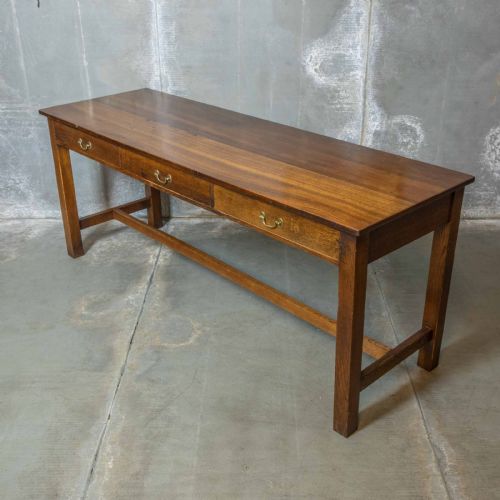


Traditional Serving Console
A traditional serving console brings timeless utility and formal dignity to a dining room, combining generous surface area with enduring architectural character.
Traditional Serving Console
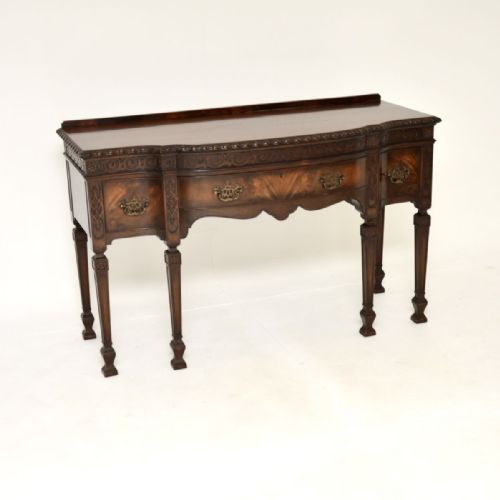
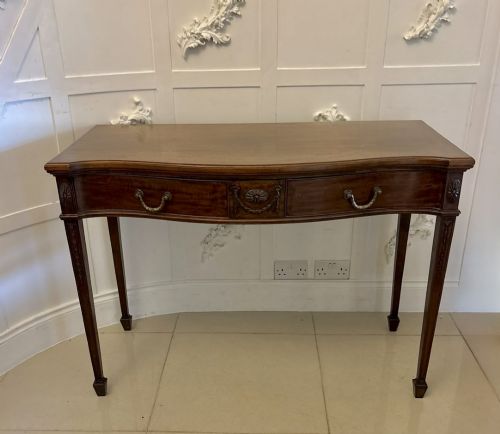
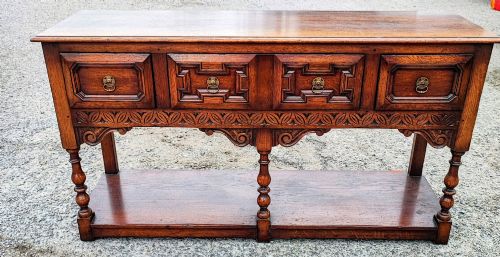
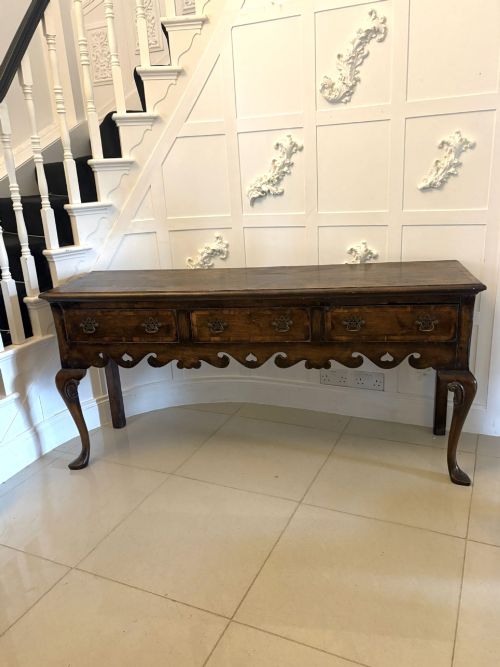
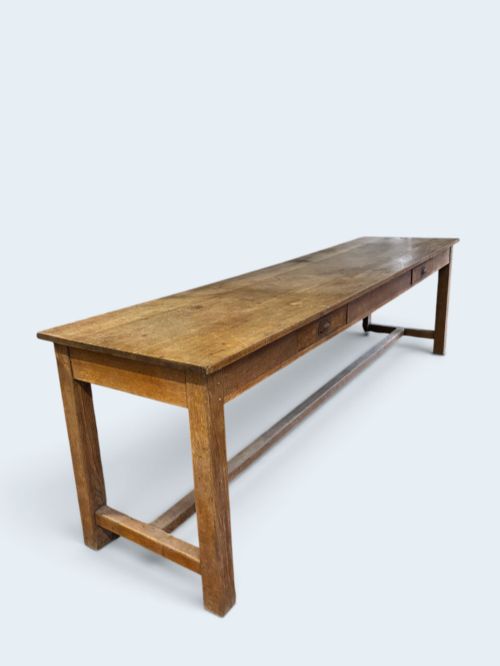
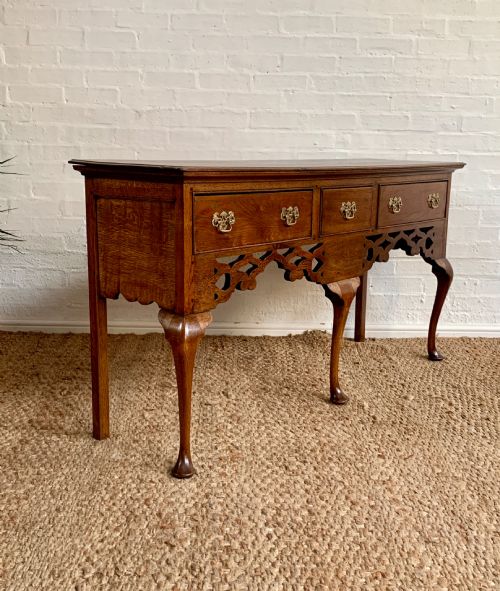
A traditional serving console is essentially a sturdy surface designed for food presentation and dining storage, appearing here in forms ranging from Georgian Revival servers to rustic oak refectory tables. These pieces bridge the gap between practical dining room furniture and stately display furniture, offering long surfaces ideal for plates and platters.
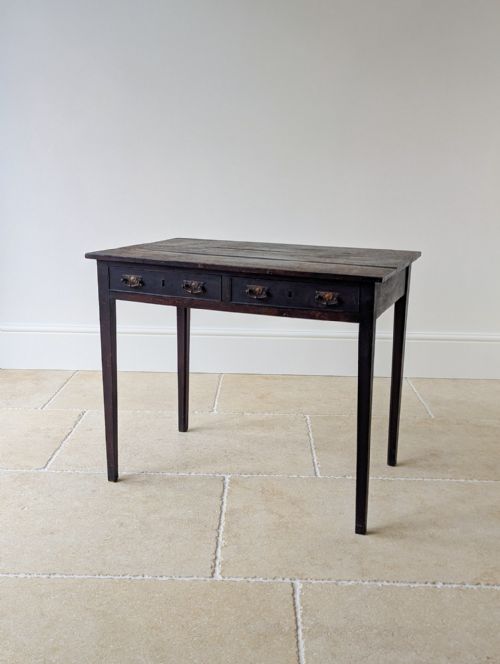
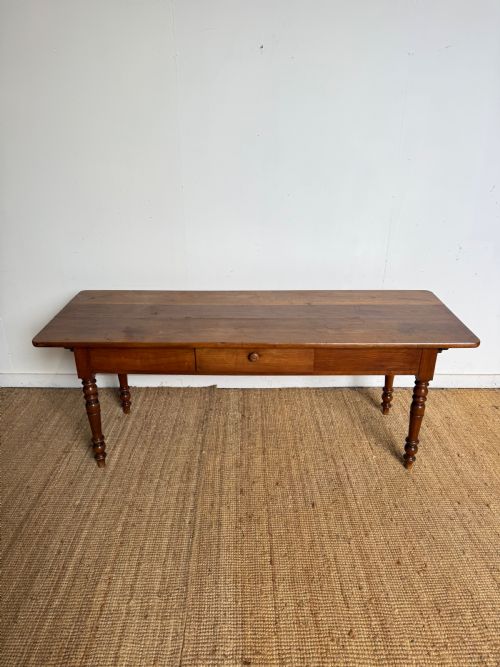
Many of these tables incorporate useful drawers for cutlery and linen or feature lower potboards for additional storage of serving dishes. Their origins span country houses and formal town residences alike, resulting in a varied selection of proportions and decorative carving.
How they were made
Makers relied heavily on solid hardwoods such as oak and mahogany, often selecting figured timbers to showcase natural grain patterns across wide tabletops. Joinery was executed by hand, utilising robust construction methods capable of supporting heavy silver and ceramic serving pieces.
Decorative details included neoclassical carving, inlaid woodwork, and serpentine shaping, particularly on formal mahogany iterations from the nineteenth and early twentieth centuries. Softer painted timber and bleached finishes also appear, demonstrating a diverse range of workshop treatments across different regional traditions.
Traditional Serving Console Retail Price Guide 2026
Typical asking prices for traditional serving console among the pieces listed under this phrase on Sellingantiques today, from the lower quarter to the upper quarter. They describe what is for sale here now, not the wider market.
Listings span the eighteenth to the twentieth centuries, featuring oak, mahogany, cherrywood, and painted timber alongside formal Georgian and rustic farmhouse styles.
What varies in quality
The distinction between standard examples and the finest pieces often lies in the selection of timber and the crispness of carved details. Superior consoles display well-figured mahogany or dense, mature oak with sympathetic patination accumulated over generations.
Construction integrity also separates the range, with top-tier items showing meticulous attention to drawer linings, stable leg attachments, and balanced proportions. Lesser examples may exhibit simpler execution or replacement hardware, though they retain the fundamental utility of the form.
Whytock Reid
The Traditional Serving Console Glossary
- Potboard
- An open lower shelf on a dresser base or serving table traditionally used for storing pots and serving vessels. This practical addition provides extra structural stability to the base of the piece.
- Serpentine
- A shaped table front or edge that curves gently outward in the centre and inward at the sides. This sophisticated silhouette is frequently encountered on formal mahogany serving tables.
- Dresser base
- A low wooden sideboard fitted with drawers and sometimes cupboards below a wide top surface. These versatile pieces often double as serving consoles in country house settings.
- Refectory table
- A long, narrow dining or serving table of medieval origin, characterised by substantial legs connected by low stretchers. Oak examples from this tradition offer exceptional length and heavy timber construction.
- Neoclassical carving
- Ornamentation inspired by classical Greek and Roman architecture, featuring motifs such as urns, husks, and delicate fluting. It adds formal elegance to mahogany console tables.
Traditional Serving Console: Frequently Asked Questions
What is a traditional serving console used for?
These pieces were originally designed for dining rooms to hold platters, dishes, and serving utensils during large meals. Today, they function equally well as sideboard storage or decorative console tables in hallways and living spaces.
Their long tops provide ample surface area for lamps and displays, while lower shelves and drawers accommodate household linens and tableware.
How do I tell a Georgian style console from an Edwardian one?
Georgian and Georgian Revival pieces typically feature darker mahogany timbers, neoclassical carving, and formal proportions intended for grand dining rooms. Edwardian examples often utilise oak, incorporating subtle inlaid details and lighter constructions suited to more domestic interiors.
Examining the drawer linings and interior secondary woods will also help clarify the likely period of manufacture.
Can I use a serving console in a hallway?
These tables adapt readily to hallways and entrance spaces thanks to their narrow profiles and generous surface areas. They offer a convenient drop-off point for post and keys while adding architectural presence to an interior.
Their substantial length fills large wall spaces effectively without blocking narrow walkways.
What woods are most common for these tables?
Oak and mahogany dominate the selection, appearing across various centuries in both solid and veneered forms. You will also encounter alternative timbers such as cherrywood, painted timber, and bleached oak.
Each wood brings a distinct texture and tone, ranging from the rustic grain of country oak to the refined sheen of figured mahogany.