






Traditional Scatter Rug
These traditional scatter rug options bring warmth and rich pattern to smaller spaces through authentic tribal weave and vintage wool construction.
Traditional Scatter Rug
When you search for a traditional scatter rug, you encounter smaller floor coverings and soft furnishings rooted in tribal and regional weaving traditions. These items serve practical and decorative roles in interiors, bringing texture and distinct heritage patterns into compact areas.
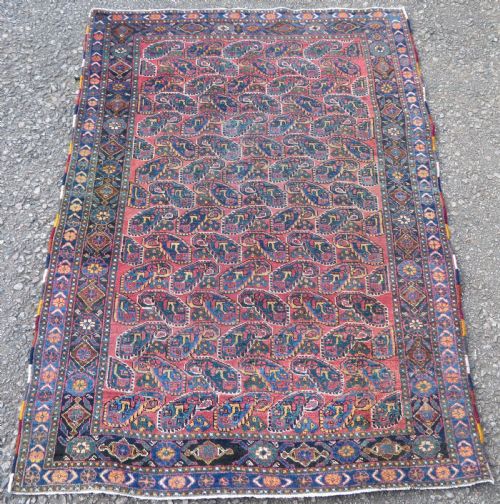
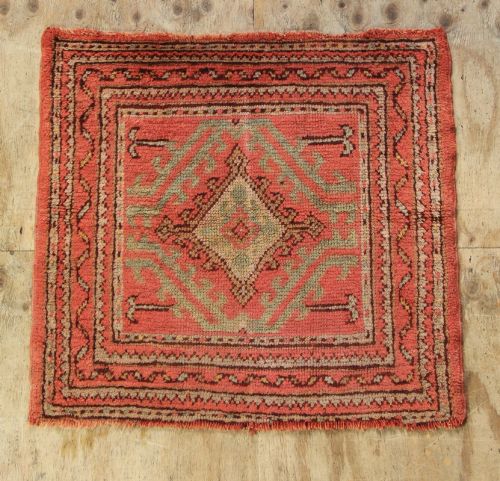
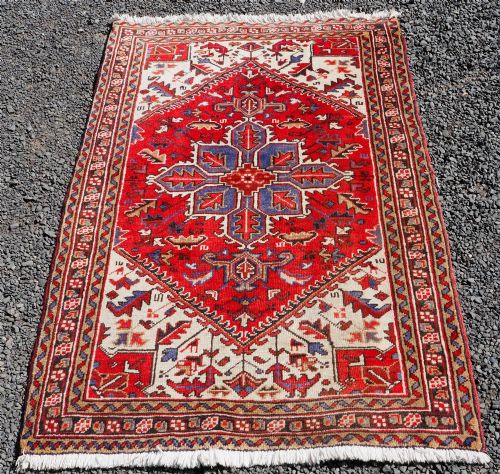
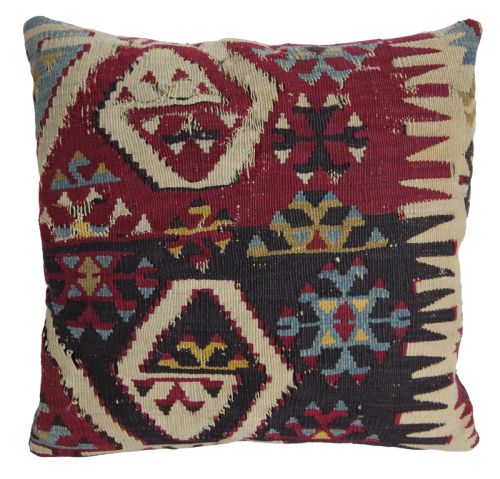
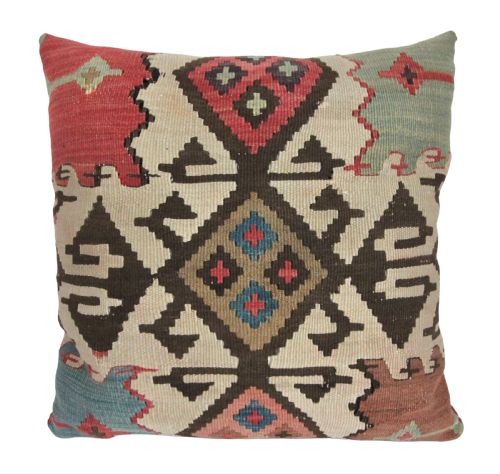
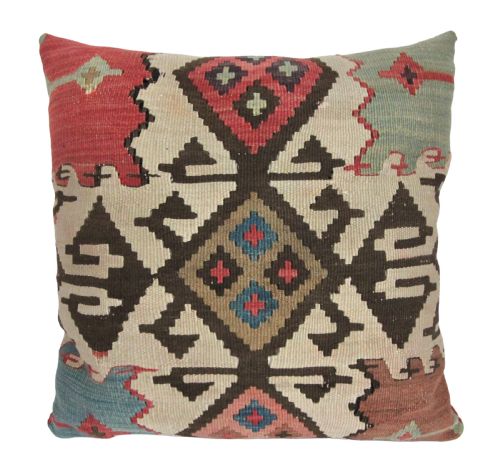
The selections available here range from Anatolian and Persian tribal rugs to repurposed kilim cushions and small mats. You are most likely to meet antique kilim cushions and compact wool rugs originating from the late nineteenth century through the early twentieth century.
How traditional scatter rug items were constructed
The construction of these pieces relies primarily on natural wool and cotton fibres, spun and woven by hand. Artisans utilised traditional dyeing methods to create deep, lasting colours within the wool pile and flatweave structures.
Many items incorporate flatweave kilim techniques or knotted pile construction, reflecting specific regional methodologies from Anatolian and Persian workshops. These durable textile techniques ensure that scatter rugs and cushions retain their structural integrity over generations of use.
Current listings feature wool and cotton materials spanning production periods from 1850 to 1930.
What separates the finest traditional scatter rug examples
Quality in these textiles rests upon the fineness of the weave, the clarity of the tribal motifs, and the integrity of the natural materials. Pieces with tight, even knotting or precise flatweave geometry demonstrate superior craftsmanship from the weaver.
Condition also plays a significant role, as well-preserved wool piles and intact structural edges elevate a piece above heavily worn counterparts. The depth and character of the natural dyes further distinguish exceptional examples from simpler utilitarian items.
The Traditional Scatter Rug Glossary
- Kilim
- A flatwoven carpet or rug produced without a pile, frequently utilised in these listings for both small floor coverings and decorative cushions. This technique yields a lighter, reversible textile with sharp geometric patterns.
- Pile
- The raised surface of a rug formed by upright ends of yarn knotted to the warp and weft. A dense pile provides physical warmth and cushions footsteps.
- Anatolian
- Pertaining to the geographic region of Asia Minor, historical home to diverse weaving communities. Anatolian pieces often feature distinctive tribal symbols and rich colour palettes.
- Warp
- The vertical threads held under tension on a loom before weaving begins. These foundational threads support the entire structure of the textile.
Traditional Scatter Rug: Frequently Asked Questions
Where should I place a traditional scatter rug?
These compact rugs suit entryways, beside beds, or in hallways where floor space is limited. Their modest dimensions allow them to accent specific zones without overwhelming a room.
Matching a scatter rug with related cushions creates a cohesive textile scheme across seating areas and living spaces.
How do I care for antique wool rugs?
Gentle vacuuming without a rotating brush roll helps remove embedded dust from the wool fibres. Professional cleaning is recommended for deep maintenance to protect natural dyes.
Keeping antique textiles out of direct, harsh sunlight preserves the vibrancy of the wool over many years.
What is the difference between a rug and a kilim cushion?
Rugs are woven floor coverings designed to be walked upon, featuring either a flatweave or a knotted pile surface. Cushions repurpose similar antique flatweave textiles into stuffed home accessories.
Both categories share the same tribal aesthetic and historical wool construction methods.
How can I tell the age of these textiles?
Dating relies on stylistic analysis of the tribal motifs, the composition of the wool, and traditional dye characteristics. Pieces from the nineteenth and early twentieth centuries display distinct regional colorations and hand-spun textures.
Examining the structural wear and edge finishes offers further clues to the period of origin.