
Traditional Rustic Oil Canvas
A traditional rustic oil canvas brings rural charm and historical domestic life straight to your walls through layered paint and textured cloth.
Traditional Rustic Oil Canvas
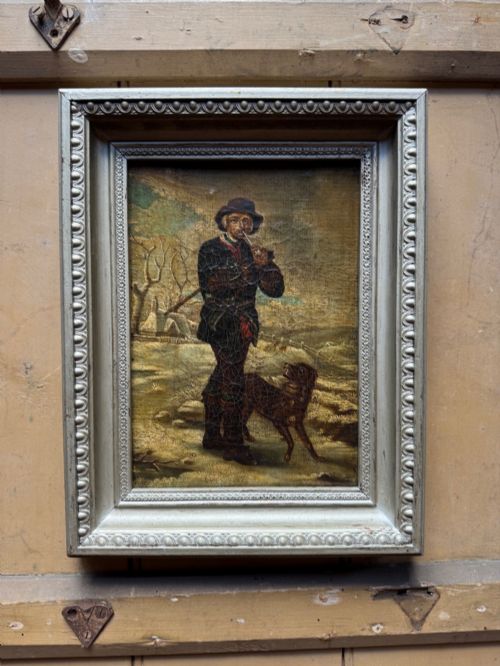
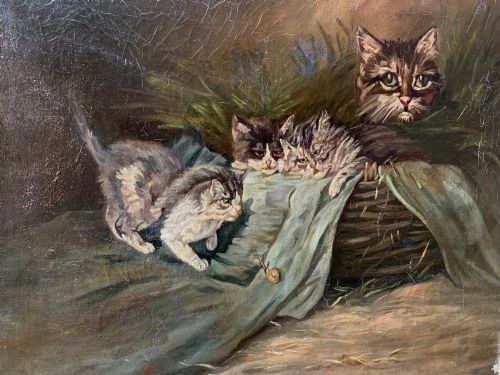
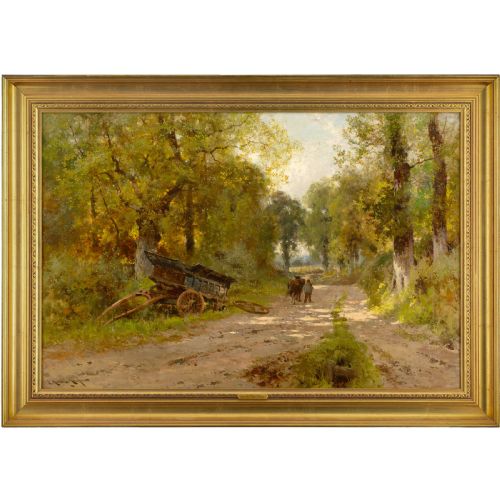
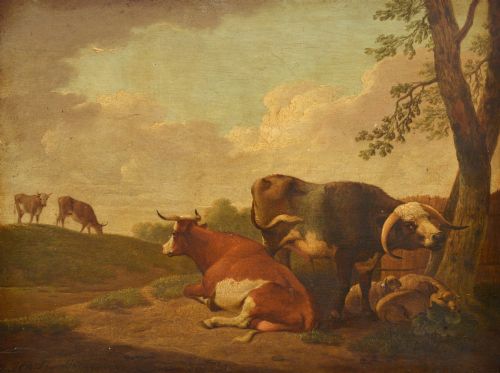
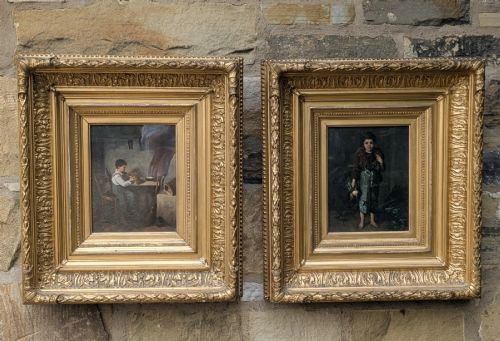
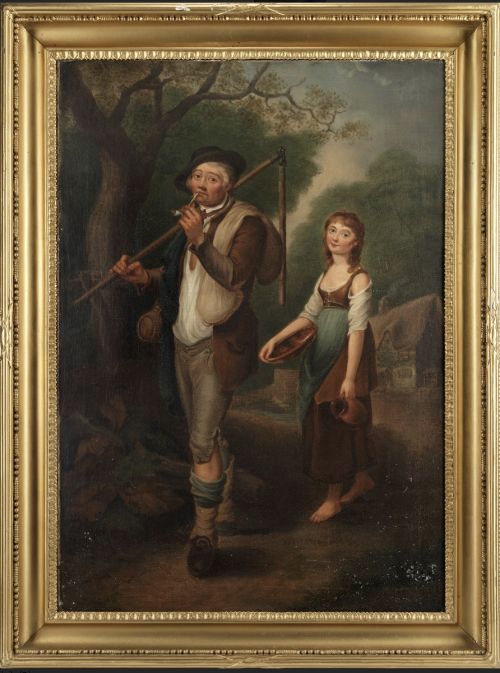
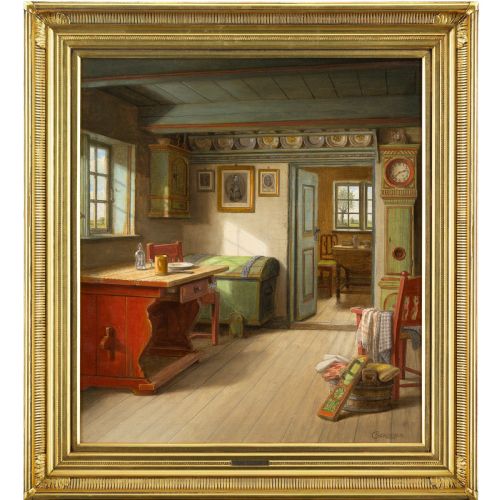
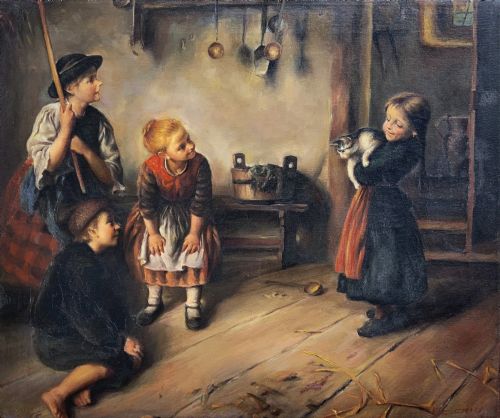
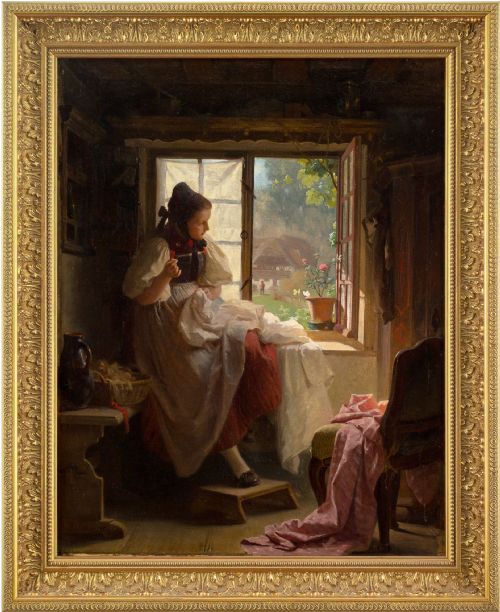
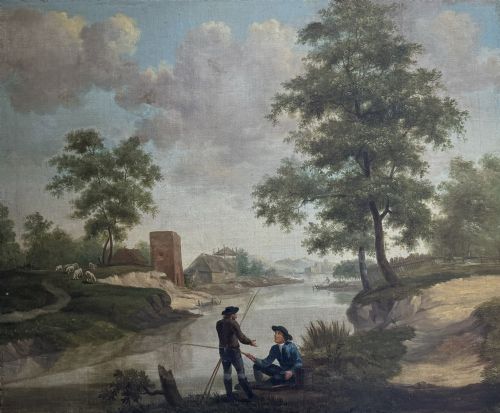
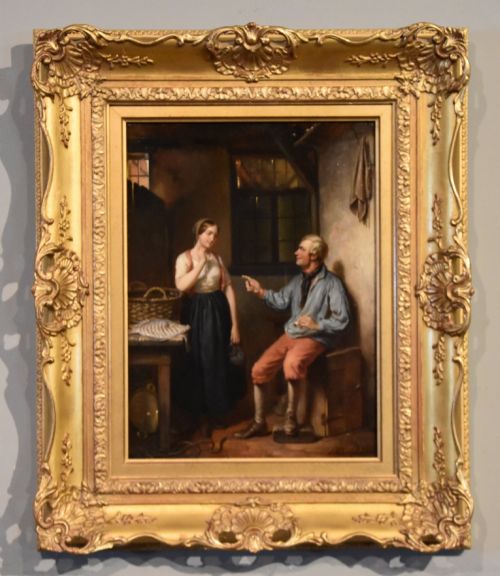
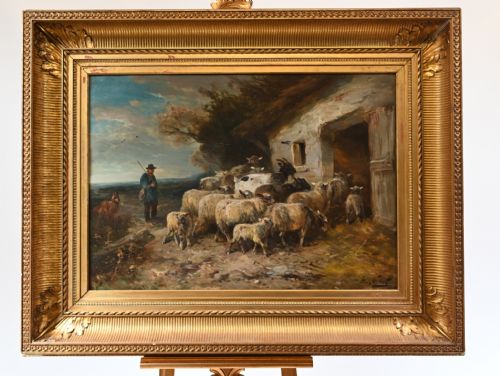
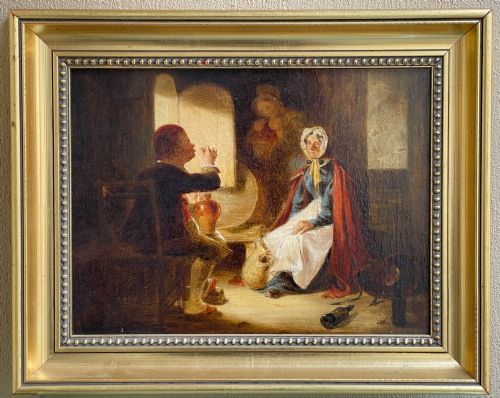
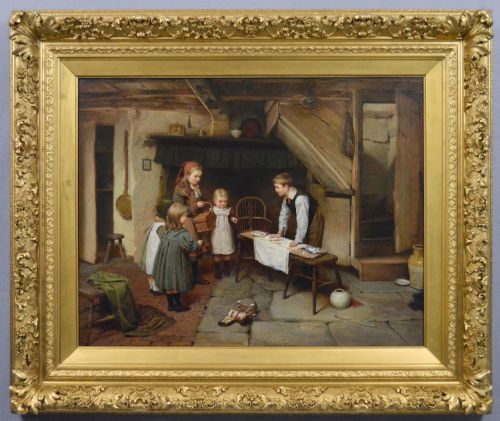
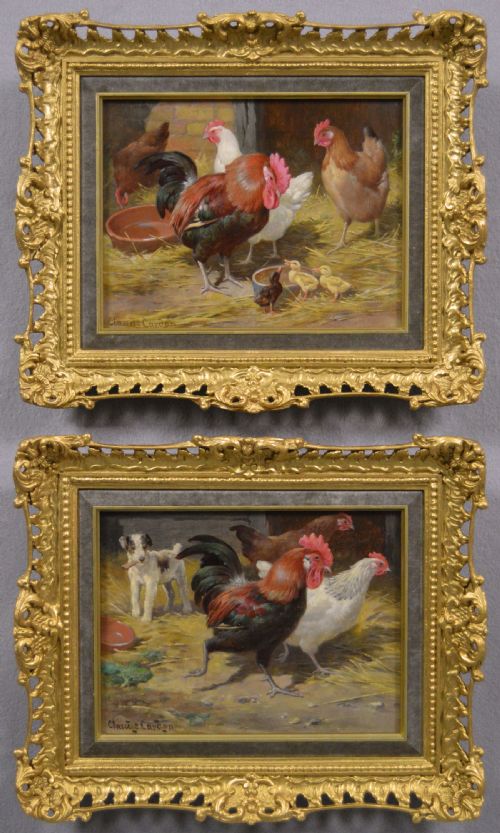
When you search for a traditional rustic oil canvas, you encounter oil paintings on woven support depicting pastoral landscapes, farmyard scenes, cottage interiors, and rural portraits. These works span multiple centuries, ranging from eighteenth-century pastoral compositions and nineteenth-century realism to mid-twentieth-century interpretations of countryside life.
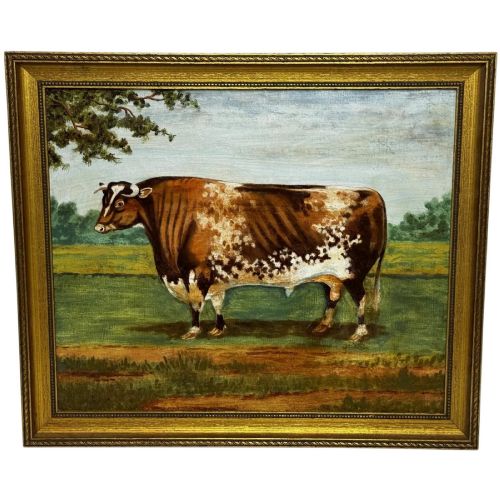
The subjects focus heavily on agrarian routines, livestock, thatched cottages, and quiet domestic moments captured by British and European schools. Whether showing a prize bull, children playing in a cottage, or shepherds tending flocks, these artworks preserve historical rural atmosphere.
Materials and construction methods
These works utilise oil paint applied to woven canvas stretched over wooden frames, sometimes later laid onto board for structural support. Artists employed rich oil pigments to build texture, depth, and luminosity across landscapes and figures.
Many of these paintings retain their original giltwood or wood frames, frequently enhanced with moulded gesso and gold leaf detailing that complements the tones of the canvas.
Listings span from the eighteenth century through the twentieth century, incorporating Victorian realism, British impressionism, and post-impressionism.
Distinctions in quality
Quality rests upon the skill of brushwork, anatomical accuracy in human and animal figures, and atmospheric depth within the composition. Masterful handling of light and shadow distinguishes accomplished artists from routine studio production.
The preservation of the original canvas surface, stability of the paint layer, and the harmony of the framing contribute significantly to the standing of any individual piece.
John Horace Hooper·Hendrik Willem Schweickhardt·Thomas Barker of Bath·C. Sørensen·Max Kaltenmoser·Jacob Akkersdijk·Henry Schouten·Harry Brooker·Claude Cardon·Owen Bowen·John Constable·Haynes King·W.E. Evans·James Kyd·Henry John Yeend King·Andre de Moller·Charles Vickers·Percival Glenfern·J Barclay·James William Booth·John Henry Dell·Thomas Sidney Cooper·Nasmyth·Abraham Hulk Junior·Thomas Spinks
The Traditional Rustic Oil Canvas Glossary
- Canvas
- A heavy woven fabric, typically linen or cotton, used as a surface for oil painting. It provides the foundational texture visible beneath many historical layers of pigment.
- Oil Paint
- A slow-drying paint made with pigmented particles suspended in a drying oil such as linseed. This medium allows for subtle blending and rich impasto effects.
- Gesso
- A white paint mixture consisting of a binder mixed with chalk, gypsum, or pigment. It prepares wooden panels or canvas grounds to receive oil paint.
- Giltwood
- Wood carved and covered with a thin layer of gold leaf or gold paint. Frames built this way often accompany historical paintings.
- Genre Painting
- Artwork depicting scenes from ordinary life, such as domestic interiors, market scenes, or farmyard activities. These pieces record the everyday habits of past eras.
Traditional Rustic Oil Canvas: Frequently Asked Questions
What subjects appear on these canvases?
The listings show subjects focused on rural landscapes, farm animals, cottage interiors, and everyday pastoral routines. Common motifs include livestock, shepherds, rivers, and domestic scenes.
These visual themes reflect nineteenth-century realism and British impressionist approaches to country life.
How do I identify the period of a painting?
Periods are identified through stylistic cues, artist signatures, framing styles, and historical dress or architecture depicted within the scene. Nineteenth-century and Victorian works often favor detailed realism and pastoral narratives.
Examining the canvas back, stretcher bars, and the state of the woven fabric offers additional chronological clues.
Where were these paintings created?
The evidence records pieces originating from British and European schools, including Dutch, French, and Belgian workshops. Regional landscapes often feature Welsh, Scottish, or English countryside settings.
Artists frequently travelled to rural areas to capture authentic local architecture and farming practices.
How should I care for an oil painting?
Display the canvas away from direct sunlight, extreme temperature fluctuations, and high humidity to protect the paint layer and wooden stretcher. Dust the surface very gently with a soft, dry brush when needed.
Avoid using liquid cleaners or touching the painted canvas directly with bare hands.