

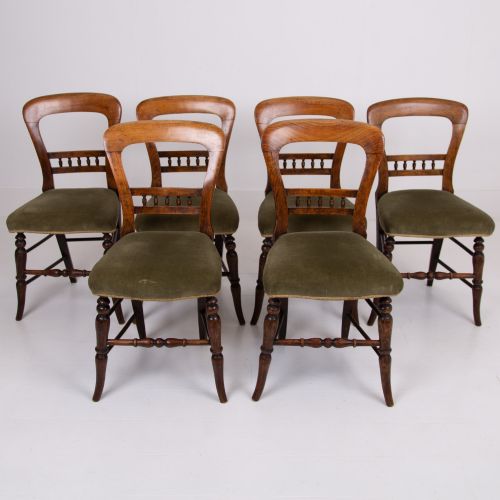
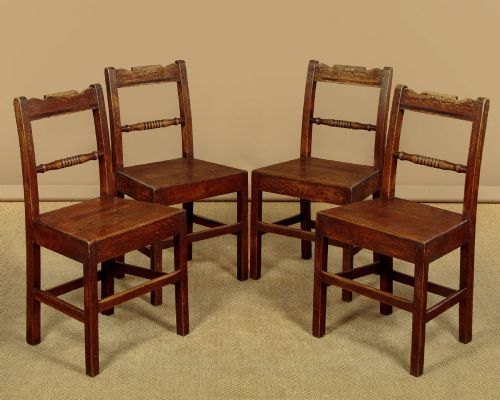
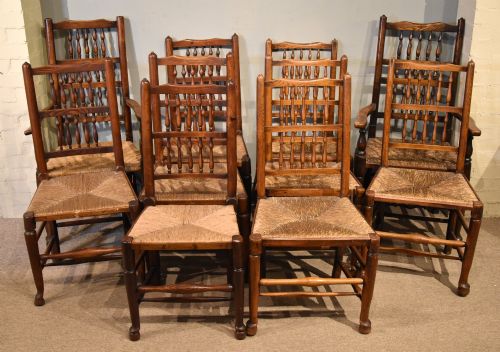
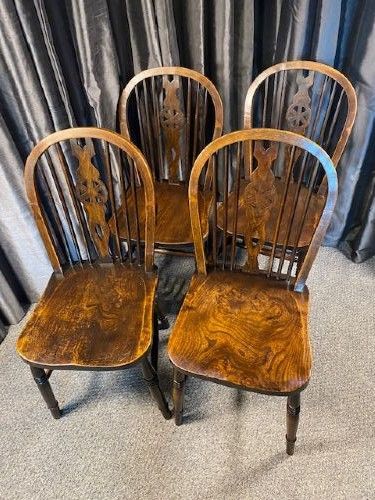
Traditional Rustic Kitchen Chairs
Traditional rustic kitchen chairs bring honest country character to the home, ranging from robust Windsor forms to simple ladderbacks.
Traditional Rustic Kitchen Chairs
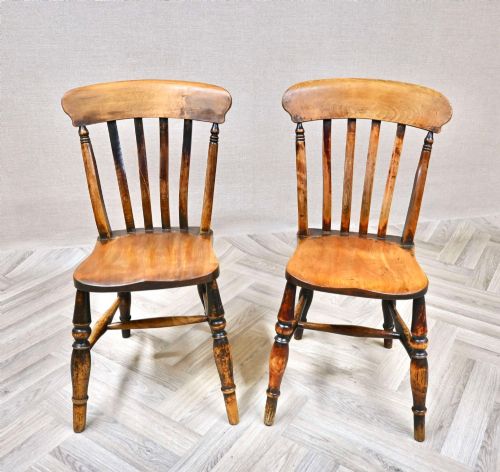
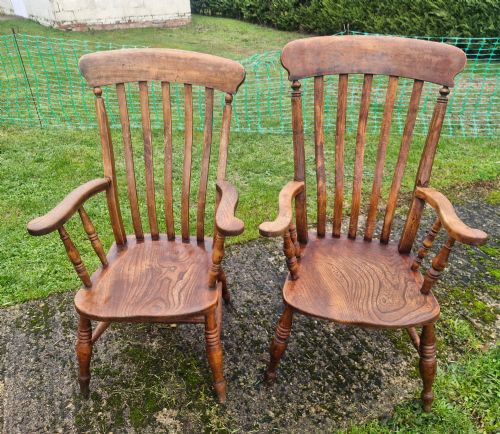
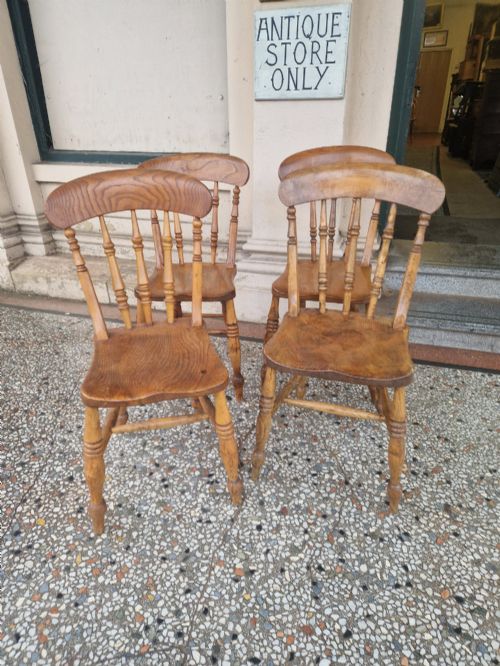
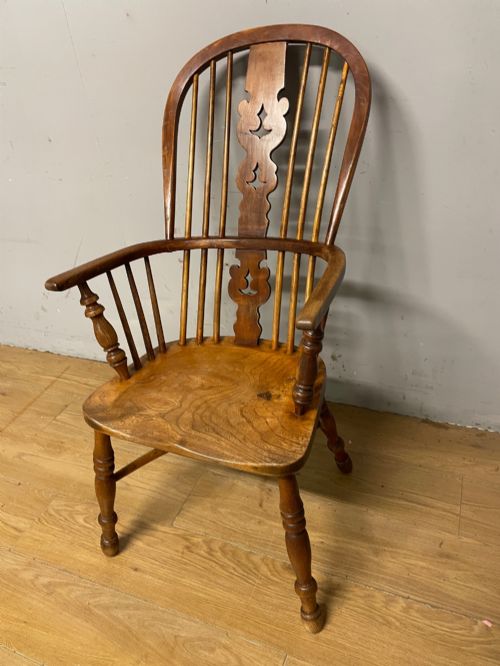
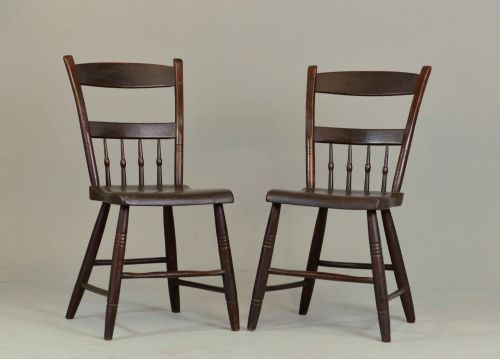
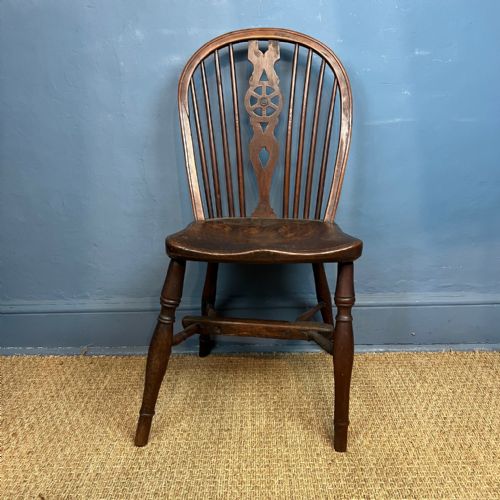
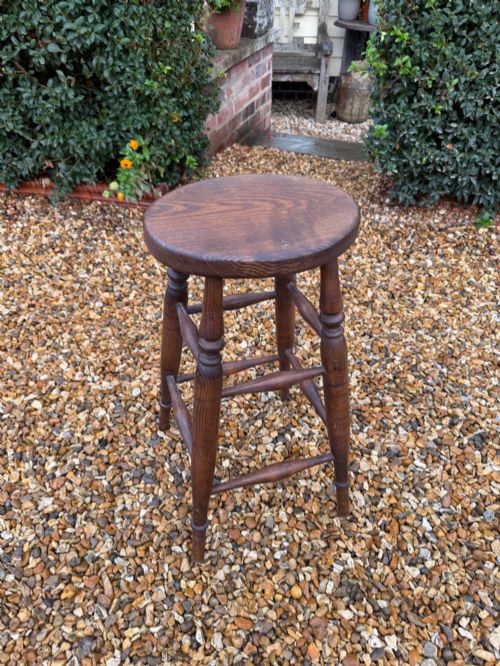
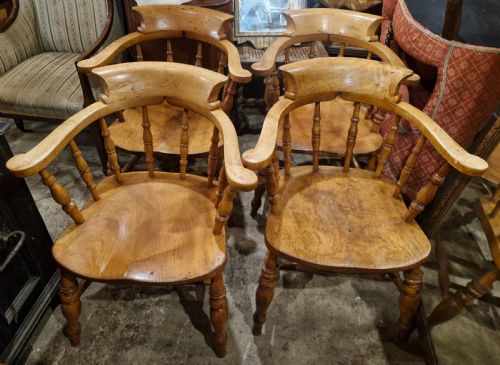
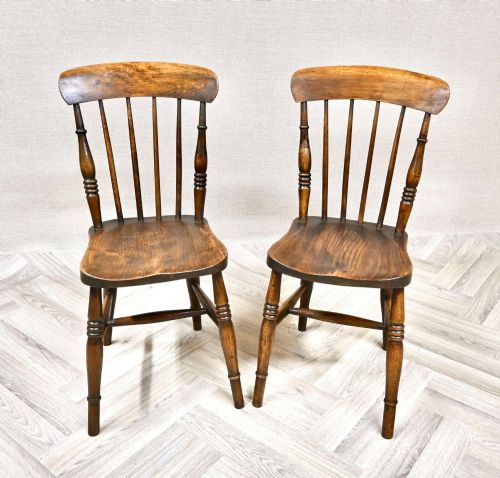
Traditional rustic kitchen chairs encompass sturdy dining seats, armchairs, bar stools, and settles shaped by English country vernacular traditions across the nineteenth and early twentieth centuries. Buyers searching this phrase most frequently encounter Windsor designs, ladderbacks, and spindle backs in sets or matched pairs.
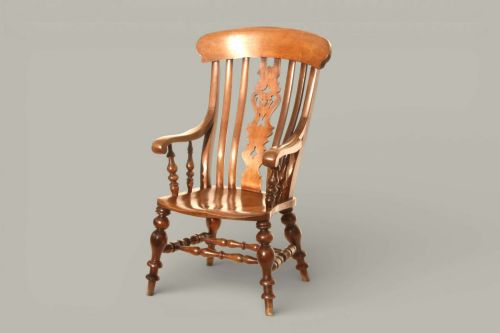
The periods represented span the Georgian era through the Victorian period and into the early twentieth century, including Arts and Crafts examples. Forms range from low side chairs to highback armchairs intended for fireside use.
Origins are rooted in domestic rural life, utilising regional styles such as Thames Valley designs alongside general farmhouse variants. These utilitarian seats served everyday functions in kitchens, farmhouses, and country pubs.
Materials and construction
Construction relies heavily on native hardwoods, combining elm seats with ash, beech, and oak for spindles, legs, and bentwood hoops. Rush also appears as a traditional seating material for specific ladderback variants.
Joinery methods utilise traditional wood-working techniques like wedged tenons, steam-bending, and socket joints to create resilient frames capable of enduring heavy daily use. Turnings and shaped comb pieces demonstrate the skill of regional carpenters.
Traditional Rustic Kitchen Chairs Retail Price Guide 2026
Typical asking prices for traditional rustic kitchen chairs among the pieces listed under this phrase on Sellingantiques today, from the lower quarter to the upper quarter. They describe what is for sale here now, not the wider market.
Many elm seats retain the subtle indentation of generations of past sitters, proof that these kitchen chairs were made for lingering.
Assessing quality
Quality rests in the integrity of the timber and the depth of the patination built up through generations of use. Rich, honest surfaces on elm seats and ash spindles distinguish better examples.
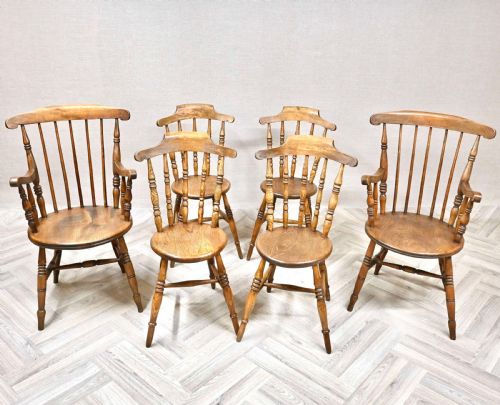
Structural harmony separates standard utility pieces from finer vernacular items, particularly in the balance of Windsor bows and the crispness of turnings. Harlequin sets demonstrate how varied individual chairs align through shared age and form.
The Traditional Rustic Kitchen Chairs Glossary
- Windsor chair
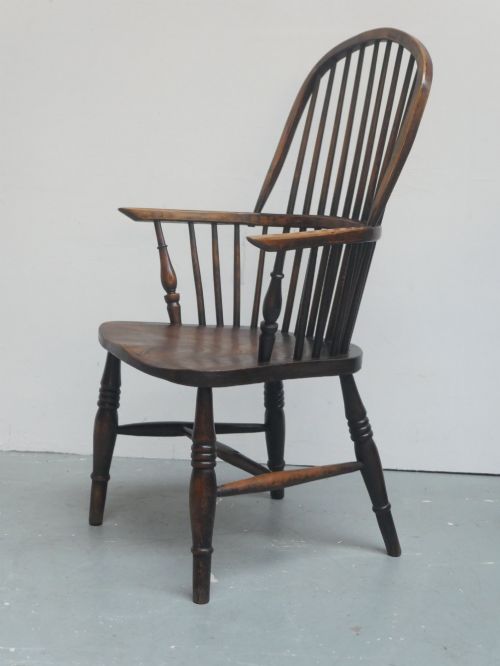
- A wooden chair featuring a solid carved saddle seat into which the legs and back spindles are directly socketed. This form often includes a steam-bent bow or hoop back.
- Ladderback
- A chair style featuring horizontal slats set between two upright rear posts. These slats are frequently curved to fit the sitter's back.
- Harlequin set
- A collection of chairs that are closely matched in style and period rather than originally manufactured together. Such sets share common traits like timber and regional design.
- Settle
- A wooden bench featuring a high solid back designed to block drafts, often incorporating enclosed storage beneath the seat. They were common in farmhouse kitchens and country pubs.
- Patina
- The surface sheen and coloration developed by wood over decades of handling, cleaning, and exposure to light. It serves as an indicator of genuine age.
Traditional Rustic Kitchen Chairs: Frequently Asked Questions
What defines a Windsor kitchen chair?
A Windsor chair is built around a thick wooden seat, usually carved from elm, into which the underframe and back components are wedged and pinned.
This construction method provides exceptional stability without requiring heavy framework, making these chairs practical for daily kitchen use.
How do I care for antique wooden chairs?
Keep wooden kitchen chairs away from direct heat sources and sudden temperature shifts to prevent timber shrinkage and cracking.
Apply occasional traditional wax polish to nourish the surface and preserve the natural patination built up over the centuries.
What is a harlequin dining set?
A harlequin set is a group of individual chairs assembled to match in general style, period, and material rather than originating from a single workshop.
This approach allows buyers to acquire larger sets of six or ten seats that share a cohesive country aesthetic.
How can I tell the age of these chairs?
Age is determined by examining tool marks, timber shrinkage, construction joints, and the wear patterns on the seat and footings.
Nineteenth-century examples frequently show hand-turned components and deep surface patination distinct from later reproductions.