



Traditional Rustic Genre Artwork
Traditional rustic genre artwork captures domestic scenes and rural life through oil and watercolour, offering a glimpse into past everyday moments.
Traditional Rustic Genre Artwork
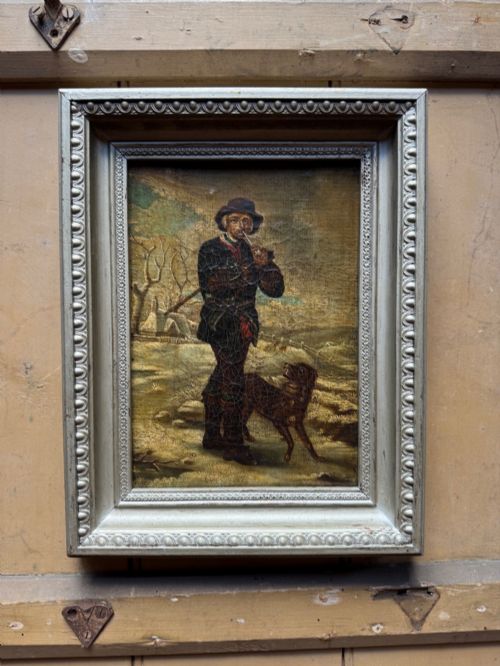
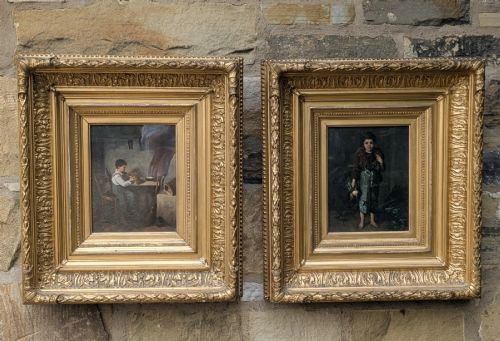
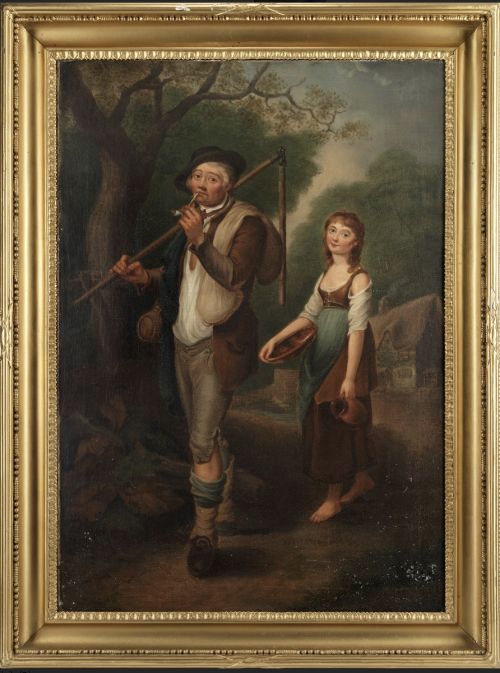
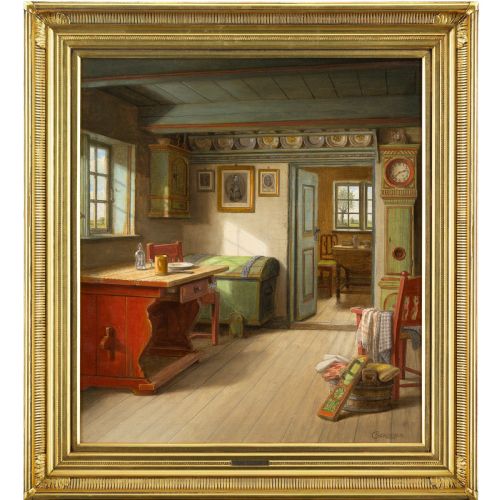
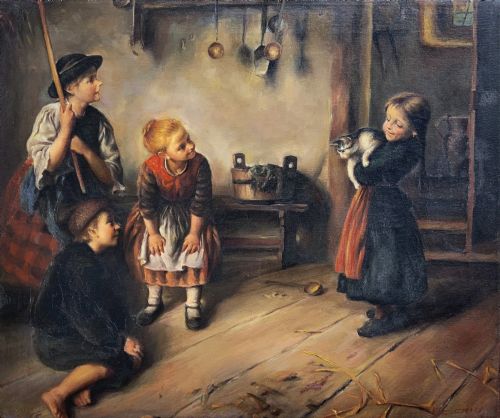
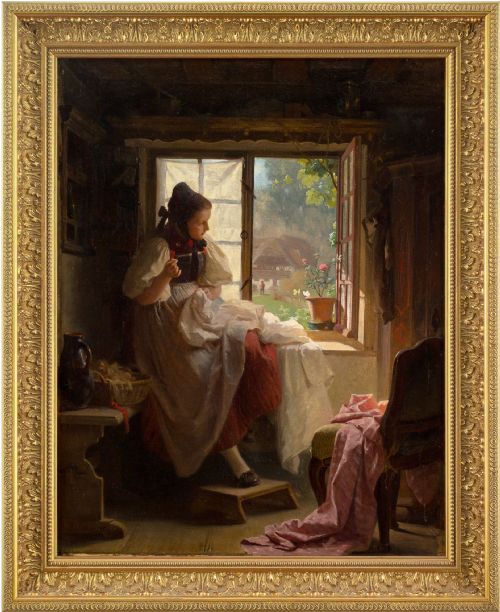
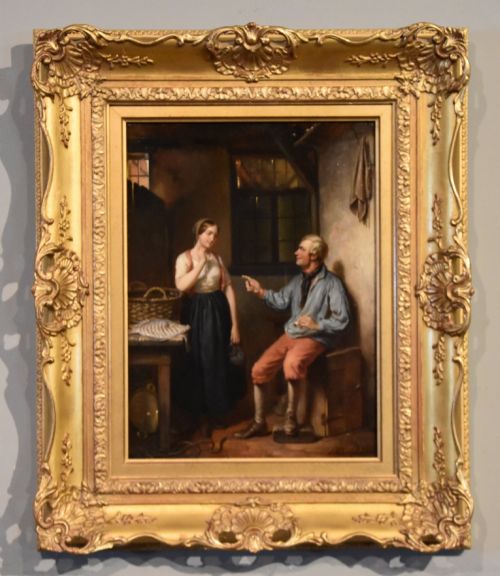
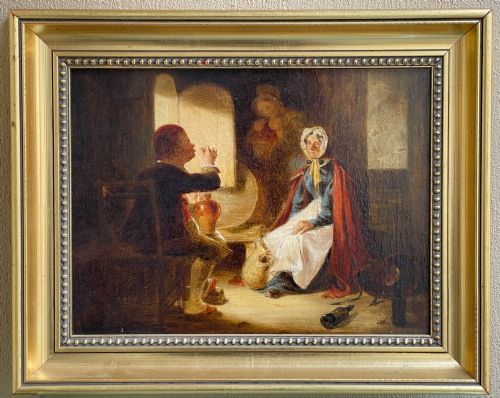
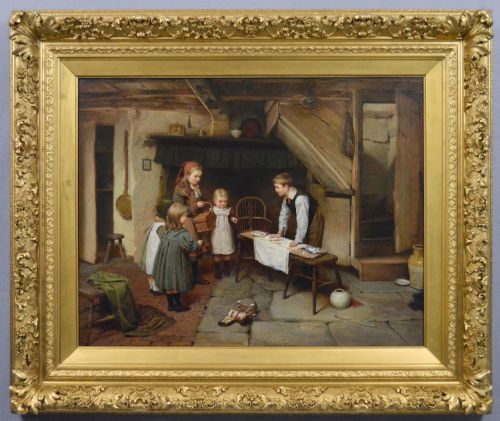
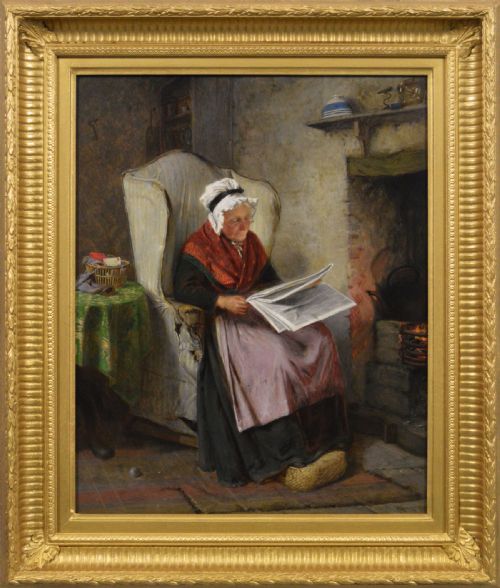
Traditional rustic genre artwork depicts everyday domestic scenes, cottage interiors, and rural life from the nineteenth century and early twentieth century. These pieces record the daily routines of peasants, children, and workers in homely settings, painted by artists working within Victorian and continental realist traditions.
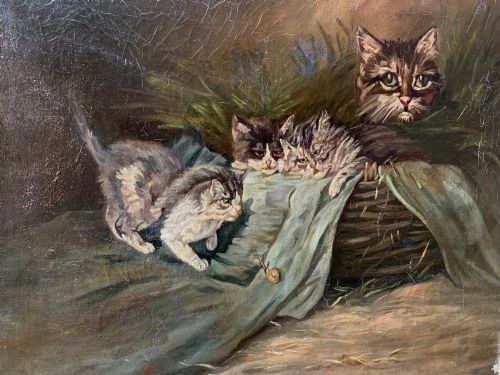
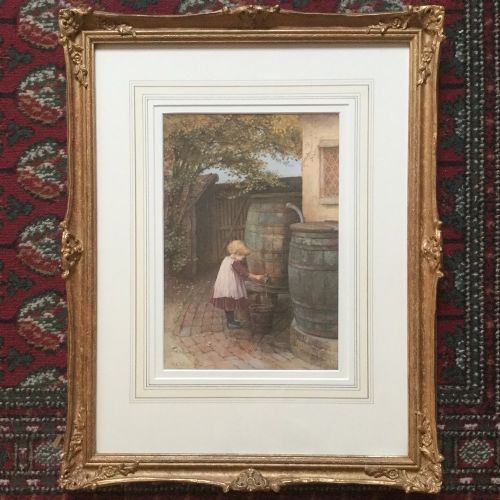
The works appearing here comprise oil paintings on canvas, panel, and board alongside watercolours and lithographs. Subjects range from quiet cottage interiors with figures by the fire to farmyard scenes and village landscapes.
Buyers encounter British and European school paintings, including identified works by named nineteenth-century artists as well as pieces by followers of earlier masters. The common thread is narrative human activity set in traditional rural environments.
Materials and technique
Artists painted these works primarily using oil paint on canvas, wood panels, or board, building up composition and light through layered pigments. Watercolours on paper provide a lighter medium for detailed interior and landscape subjects.
Frames frequently utilise gesso and gold leaf on gilt wood, enclosing the painted surface and defining the visual boundary of the picture. Canvas supports often show the texture of the weave beneath the paint layers, sometimes augmented by historical repairs on the reverse of panels.
Represented periods span the nineteenth century through the Victorian era and into the mid-twentieth century, including the year 1950.
Judging quality
The handling of the narrative distinguishes finer paintings; superior artists convey character and atmosphere without slipping into sentimentality. Compositional balance and the integration of figures within their rustic surroundings separate standard decorative works from works of higher artistic execution.
Thomas Barker of Bath·C. Sørensen·Max Kaltenmoser·Jacob Akkersdijk·Miles Birkett Foster·Charles Edward Wilson·Harry Brooker·Haynes King·W.E. Evans·James Kyd·R. Palnay·John Henry Dell·Leonardo Morello·David Woodlock·Henry Spernon Tozer·Gustav Goemans·Francis William Topham·James Ward·George Morland·Alfred Provis·Henry Collins·Frank Moss Bennett·Edward J. Cobbett·Jonathan Pratt·John F. Pasmore
The Traditional Rustic Genre Artwork Glossary
- Genre painting
- Genre painting depicts scenes of everyday life and ordinary people engaged in common activities. These works focus on narrative human moments rather than formal portraiture or grand historical subjects.
- Oil on canvas
- Oil on canvas is a traditional painting medium where coloured pigments suspended in oil are applied to stretched woven fabric. This combination allows for rich colour depth and blended tones.
- Gesso
- Gesso is a plaster-like mixture applied to wooden frames or panels as a smooth base for gilding and paint. It provides a stable surface for decorative gold leaf application.
- Gilt wood
- Gilt wood refers to carved timber frames coated with a thin layer of gold leaf or gold paint. These frames enhance the visual weight and period character of nineteenth-century paintings.
Traditional Rustic Genre Artwork: Frequently Asked Questions
What is genre artwork?
Genre artwork represents scenes of everyday life, such as cottage interiors, farmyards, and domestic chores involving ordinary people.
These paintings tell stories of past social habits and rural environments rather than depicting formal portraits or historical events.
How do I care for antique oil paintings?
Keep oil paintings away from direct sunlight and steady extremes of room temperature to protect the canvas and paint layers.
Dust the surface gently with a dry, soft brush and avoid using chemical cleaning products on the paint or gilt frame.
What distinguishes an oil painting from a watercolour?
Oil paintings use thick pigments suspended in oil on canvas or wood panels, creating rich textures and deep colour tones.
Watercolours use transparent pigments suspended in water on paper, resulting in lighter, more delicate washes of colour.
How can I tell the period of a painting?
Periods are identified through clothing styles, interior furnishings, framing materials, and the handling of the paint medium.
Signatures, artist dates, and historical framing methods further help place the work within the nineteenth or early twentieth century.