




Traditional Rose Canvas Art
Traditional rose canvas art brings centuries of oil painting into your home, offering floral still lifes and landscapes on canvas.
Traditional Rose Canvas Art
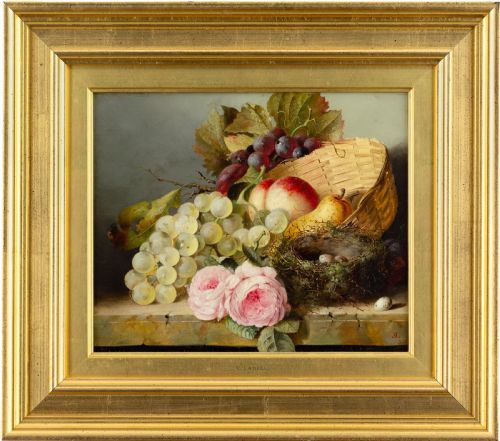
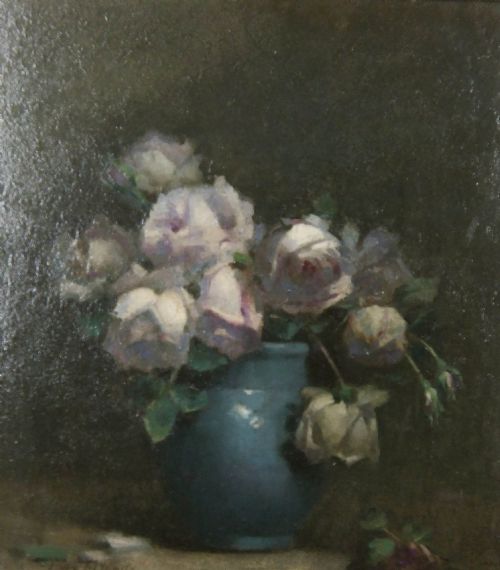
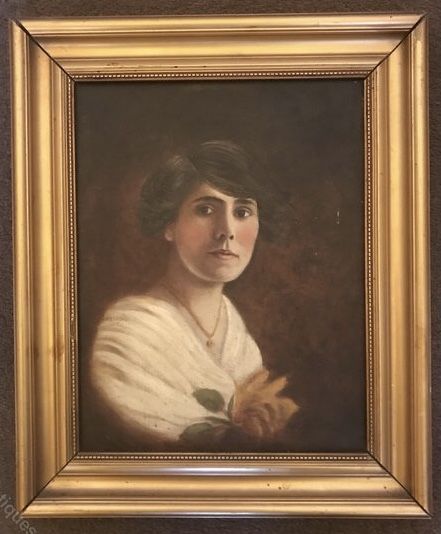
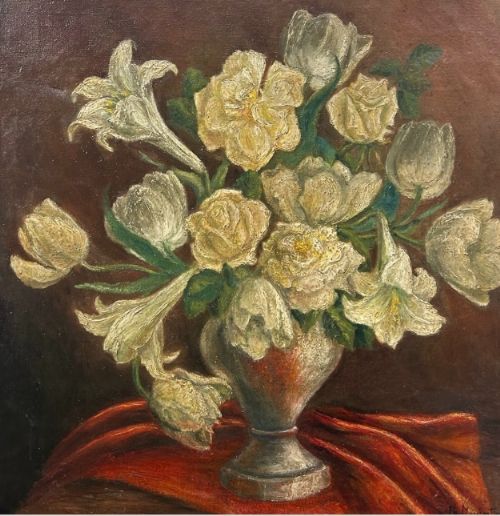
When you search for traditional rose canvas art, you encounter oil paintings on canvas depicting floral still lifes, portraits, and landscapes spanning the nineteenth and twentieth centuries. These works include Victorian studies of flowers, British Impressionist compositions, and mid-century interpretations of Dutch Golden Age styles.
The pieces on this page range from intimate vase studies of roses and lilies to wider landscapes and portraits incorporating floral elements. Painters rendered these subjects across various periods, from Victorian Realism to mid-century modern interpretations of old master techniques.
How they were made
Artists painted these works using oil paint applied to canvas, often supported by wooden stretchers and framed in gesso and giltwood. The physical structure relies on traditional canvas grounds prepared to receive oil pigment, creating textured surfaces that retain brushwork.
Makers shaped the presentation with gilt frames featuring gesso ornamentation, matching the period aesthetic of the paintings themselves. The combination of oil on canvas within carved and gilded wood defines the material makeup of these works.
The listings span periods from the nineteenth century through the mid-twentieth century, utilising oil paint, canvas, gesso, and giltwood.
What varies in quality
Quality in these oil paintings rests upon the handling of light, shadow, and botanical detail by the artist. Works by named painters with established exhibition records demonstrate superior brush control and compositional depth compared to anonymous studies.
The preservation of the oil pigment and the original canvas support influences the visual impact of each piece. Finer examples retain vibrant colour harmonies and intact gesso frames that complement the painting's historical period.
Edward Ladell·William Thomas Wood·Calzolari·Robin MacKertich·Thomas Rose Miles·L. Wilford·Owen Bowen·Jules Felix Ragot
The Traditional Rose Canvas Art Glossary
- Oil on canvas
- Pigment mixed with drying oil applied to a woven fabric support. This combination forms the primary medium for the paintings listed here.
- Gesso
- A plaster-like mixture applied to wood frames to create a smooth surface for gilding. It provides the decorative relief found on antique frames.
- Giltwood
- Wood carved and coated with gold leaf or metallic powder. This material frames many of the nineteenth and twentieth-century paintings.
- Still life
- An artwork depicting inanimate subject matter, typically commonplace objects such as flowers in vases. Floral arrangements form the core of the still life pieces in this collection.
- Impressionism
- A style of painting emphasising light and its changing qualities rather than precise detail. British and French variations of this approach appear across the twentieth-century selections.
Traditional Rose Canvas Art: Frequently Asked Questions
How do I date an oil painting on canvas?
Dating relies on stylistic evidence, stretcher construction, and canvas preparation methods visible on the reverse. Pigment analysis and artist signatures also provide chronological markers.
The historical context of the subject matter, such as Victorian floral arrangements or mid-century Impressionist techniques, further helps narrow the period of creation.
What is the difference between a still life and a landscape?
A still life depicts stationary objects like flowers in a vase, whereas a landscape captures outdoor scenery. Both genres utilise oil paint on canvas within this collection.
Still lifes focus on close arrangement and botanical detail, while landscapes present wider outdoor views, sometimes incorporating figures or architectural elements.
How should I care for antique oil paintings?
Keep paintings away from direct sunlight and fluctuating humidity to protect the oil pigment and canvas. Avoid touching the painted surface directly.
Dust the canvas and frame gently with a soft, dry brush, and consult a professional conservator if the paint layer requires cleaning or stabilization.
Are these paintings original works?
The listings consist of original oil paintings created by hand rather than modern mechanical reproductions. Each piece bears the unique brushstrokes of the artist.
Signatures, exhibition labels, and canvas markings help confirm the authenticity of individual works across the nineteenth and twentieth centuries.