





Traditional Recamier
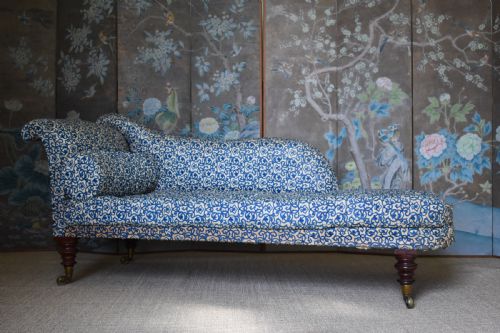
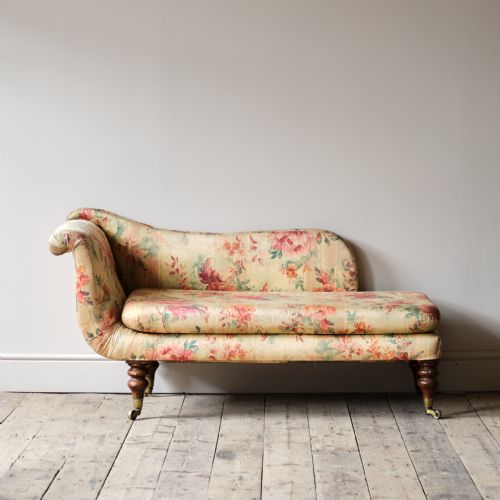
A traditional recamier offers a long seat for reclining, shaped by the Regency and Victorian eras for grand drawing rooms and boudoirs.
Traditional Recamier
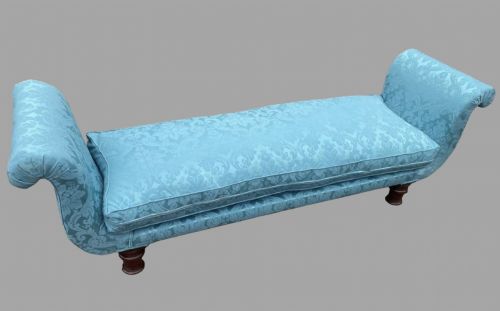
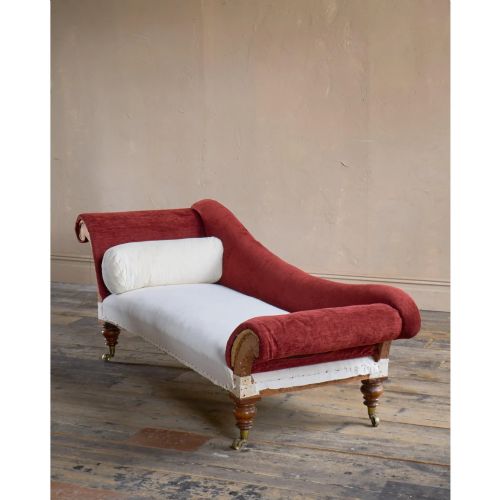
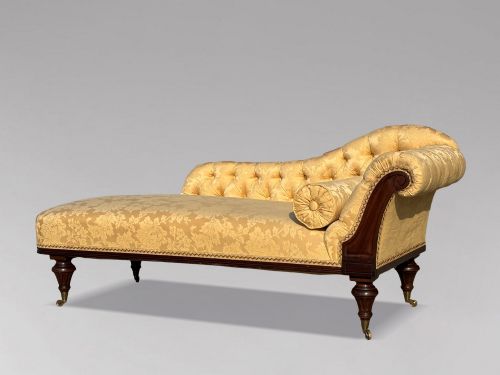
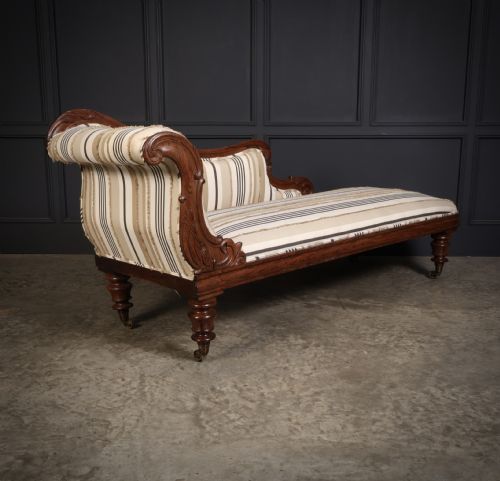
When you search for a traditional recamier, you are looking at elegant daybeds and chaise longues designed for graceful lounging. These pieces trace their origins through the Regency, William IV, and Victorian periods, bringing classic nineteenth century seating into domestic spaces.
The versions most commonly met on this page span the nineteenth century, taking the form of chaise longues and daybeds. Examples range from French lit bateau designs to British mahogany and rosewood frames suited to formal interiors.
Makers and workshops of the era produced these daybeds to serve as both decorative centrepieces and functional resting furniture. They bridge the gap between a sofa and a bed, featuring raised ends that support the head or back during daytime rest.
How traditional recamier furniture was made
Cabinet makers utilised dense timbers such as mahogany and rosewood to build the structural frames of these daybeds. These hardwoods provided the necessary strength for curved backs and scrolling ends while accepting a fine polished finish.
Upholstery techniques of the nineteenth century involved traditional stuffing and springing finished in rich textiles. Workshops employed velvet, damask fabric, and whisky brown leather to cover the extended seats and sloping backrests.
Traditional Recamier Retail Price Guide 2026
Typical asking prices for traditional recamier among the pieces listed under this phrase on Sellingantiques today, from the lower quarter to the upper quarter. They describe what is for sale here now, not the wider market.
Some nineteenth century daybeds were specifically tailored for reclining in heavy velvet gowns without spilling tea.
What varies in quality
The refinement of the timber carving and the sweep of the wooden frame determine the visual distinction of a piece. Better examples display crisp moulding and balanced proportions that reflect the skilled hand of workshops working in the manner of established cabinet makers.
The choice of covering materials and the integrity of the internal upholstery build also separate standard examples from finer commissions. Premium pieces retain high quality damask upholstery, velvet, or supple leather that complements the underlying woodwork.
Holland and sons·Gillows
The Traditional Recamier Glossary
- Lit bateau
- A boat bed style originating in France during the nineteenth century, characterised by curving head and footboards of equal or similar height. This form creates a dramatic silhouette in a room.
- Regency
- An English design period spanning the early nineteenth century, known for drawing inspiration from classical antiquity. Furniture from this era often incorporates dark timbers and restrained brass mounts.
- Rosewood
- A heavily grained, dark tropical timber utilised for fine cabinet making during the nineteenth century. Its rich natural colour and polished surface suited formal drawing room pieces.
- Damask
- A reversible figured fabric traditionally woven on a jacquard loom with patterns formed through contrasting weaves. It frequently appears as upholstery on grand period seating.
Traditional Recamier: Frequently Asked Questions
What is a traditional recamier used for?
These pieces were designed for daytime resting, reading, and receiving visitors in a semi-recumbent posture. They allowed people to recline in formal rooms without retiring to the bedroom.
In modern interiors, they function as statement daybeds in living spaces, studies, or large dressing rooms. Their elongated form provides a comfortable place to stretch out while adding period character to a scheme.
How do I identify a Regency daybed?
Regency pieces typically date from the early nineteenth century and show classical influences inspired by ancient Greece and Rome. They often feature dark mahogany or rosewood frames with sweeping scroll ends and Saber legs.
Cabinet makers of this period focused on clean architectural lines and subtle carved details rather than heavy ornamentation. The proportions remain balanced, reflecting the neoclassical taste of the era.
How do I care for nineteenth century timber frames?
Nineteenth century mahogany and rosewood require protection from direct sunlight and sudden changes in room humidity. Keeping the wood away from heat sources prevents the timber from drying out or splitting.
Applying a traditional beeswax polish occasionally helps nourish the grain and maintain the natural lustre of the polished surface. Avoid using modern silicone sprays or abrasive cleaners on antique timber.