

Traditional Reading Seat
A traditional reading seat provides a sturdy, upholstered haven for long hours with a book, spanning wingbacks to library armchairs.
Traditional Reading Seat
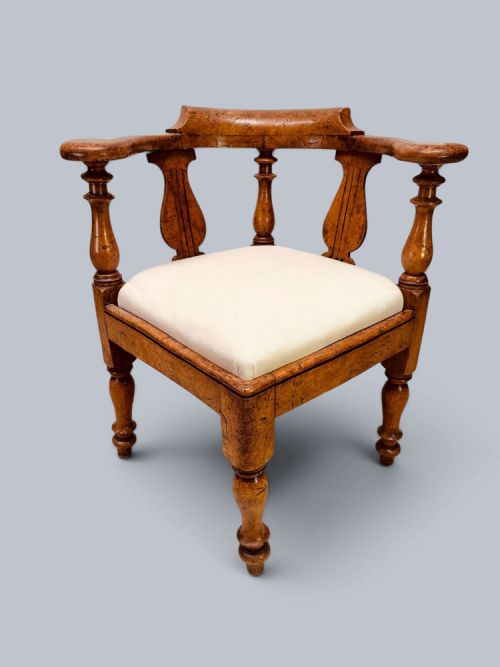
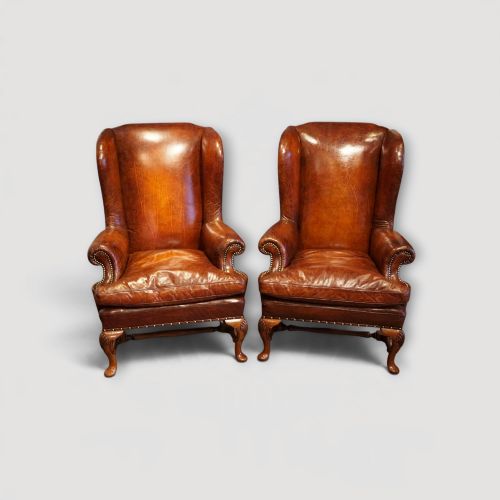
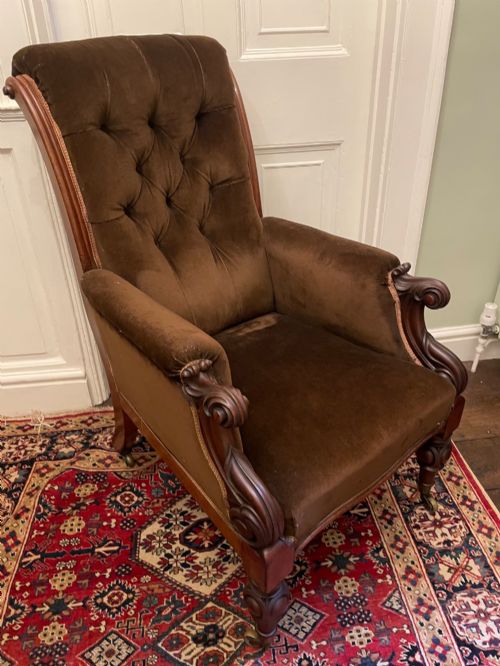
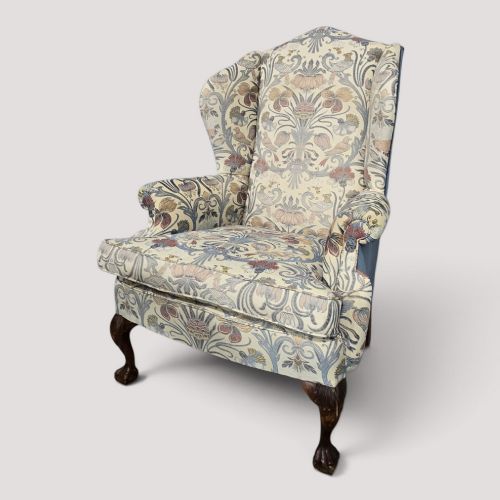
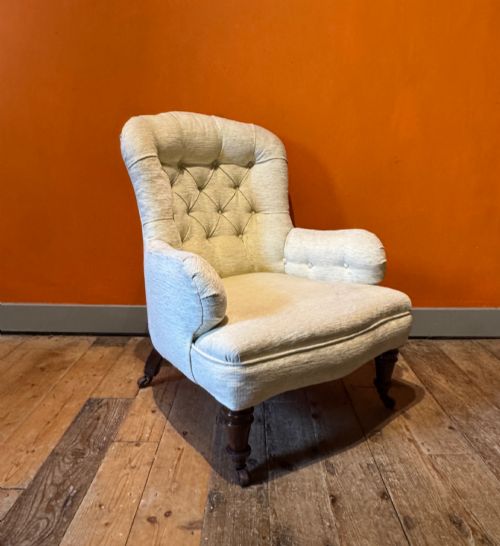
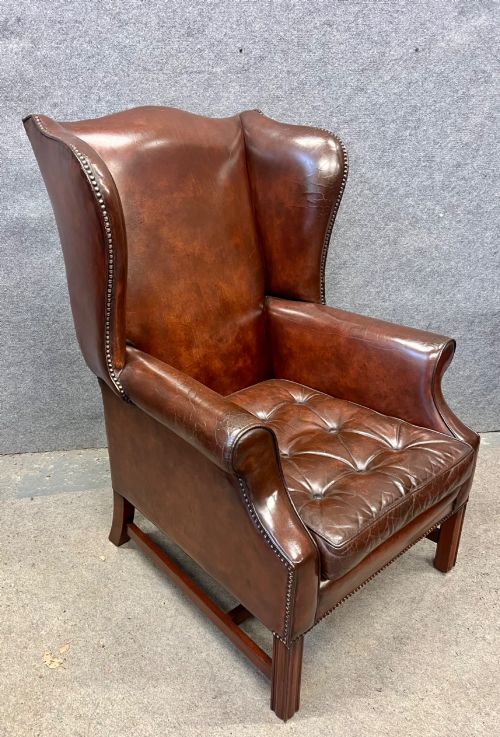
A traditional reading seat encompasses several forms designed for comfort and study, most commonly appearing as wing armchairs, library chairs, and elbow chairs. These pieces emerge across the 18th, 19th, and early 20th centuries, reflecting changing domestic habits from Georgian parlours to Edwardian libraries.
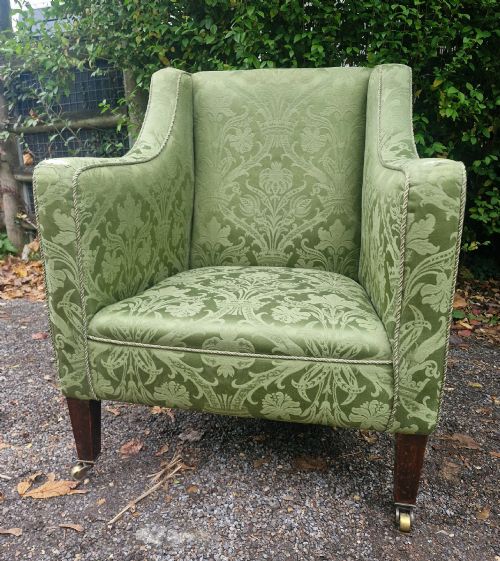
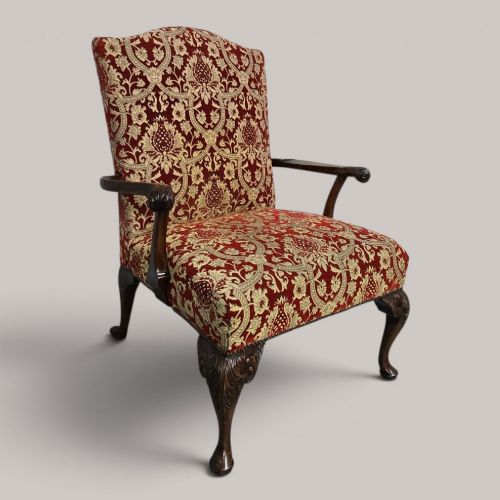
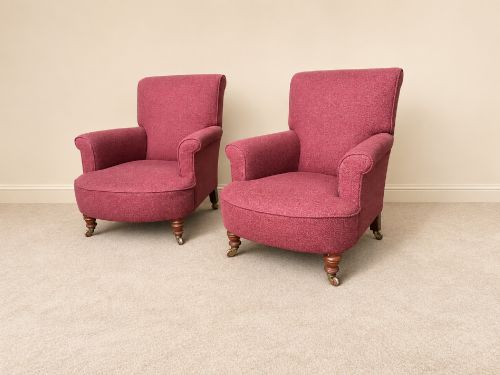
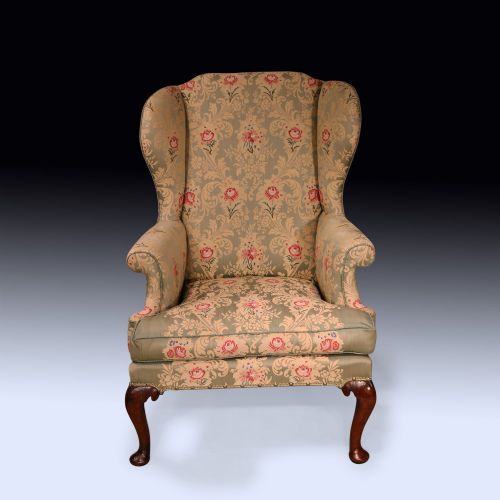
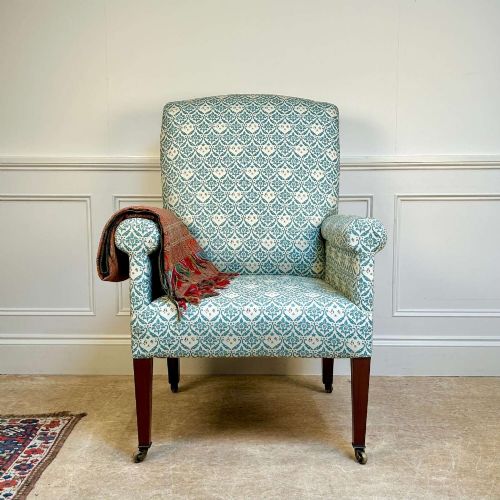
The version most frequently met on this page is the mahogany or walnut library armchair, often upholstered in leather or fabric. Wingback variants appear regularly alongside open armchairs and tub chairs, showing influences from Queen Anne, Chippendale, and Regency design traditions.
How they were made
Frames are constructed primarily from timber such as mahogany, walnut, oak, and rosewood, sometimes accented with burr elm or inlaid details. Joinery relies on traditional carpentry methods to support heavy use within domestic and institutional libraries.
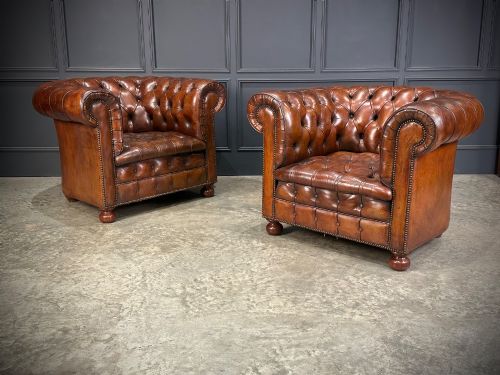
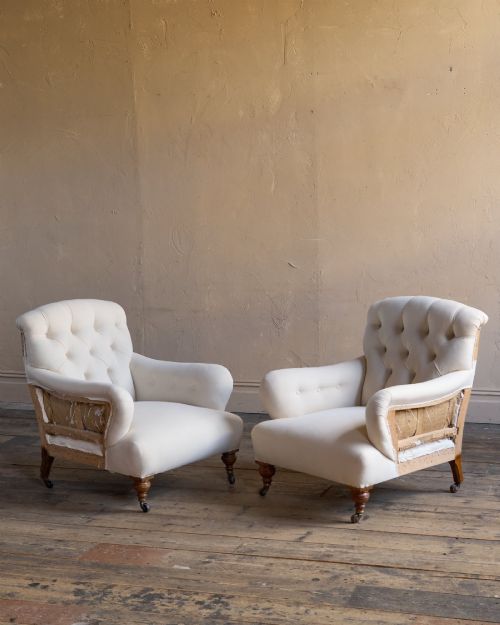
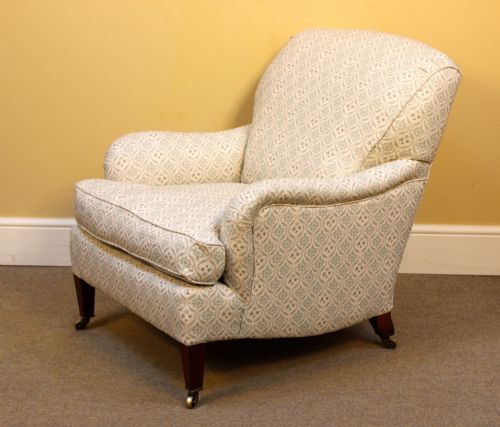
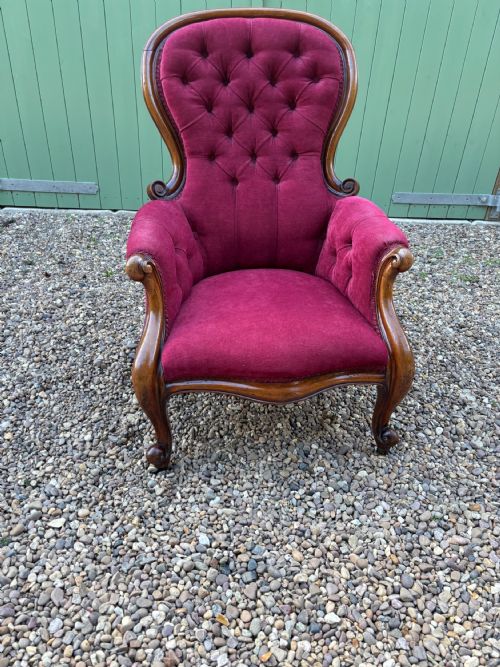
Upholstery incorporates materials like leather, velvet, calico, hessian, and fabric, often finished with buttoning, brass tacks, or cane panels. Frame carving ranges from plain reeded legs to detailed blind carving in the manner of Chippendale and related revival styles.
Traditional Reading Seat Retail Price Guide 2026
Typical asking prices for traditional reading seat among the pieces listed under this phrase on Sellingantiques today, from the lower quarter to the upper quarter. They describe what is for sale here now, not the wider market.
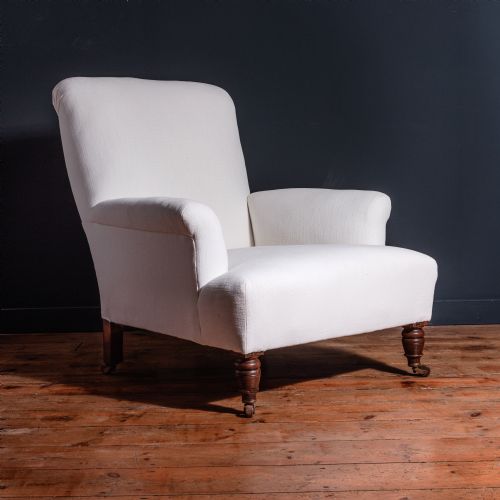
Several armchairs arrive with exceptionally deep seats, designed for readers who prefer to curl up entirely out of the draught.
What varies in quality
Quality rests upon the integrity of the timber frame and the precision of any structural carving. Finer examples display well-figured mahogany or walnut timbers combined with substantial proportions and balanced lines.
The standard of upholstery and the retention of original or period-appropriate materials dictate the finish of a piece. Chairs retaining documented maker attribution or distinct regional design characteristics sit at the upper end of the scale.
Howard & Sons·George Jack·Morris & Co
The Traditional Reading Seat Glossary
- Wingback
- An armchair featuring protective side panels attached to the arms to deflect drafts from hearths and windows. This design dates back centuries and remains a staple of library seating.
- Bergère
- An enclosed armchair with stuffed upholstery on a wooden frame, frequently featuring cane work on the sides or back. Originating in France, these pieces arrived in various British iterations.
- Carver armchair
- A sturdy wooden chair with armrests, traditionally placed at the head of a dining table or utilised as an occasional seat in a study. They often mirror the stylistic motifs of larger library chairs.
- Cabriole leg
- A furniture leg that curves out and then in, resembling an animal's curving leg. This form frequently terminates in pad or claw-and-ball feet on 18th-century and revival seating.
Traditional Reading Seat: Frequently Asked Questions
What is a traditional reading seat?
A traditional reading seat is a comfortable upholstered armchair designed for prolonged sitting, typically featuring supportive armrests and a high back. These pieces include wingbacks, library chairs, and bergères.
They were built to offer comfort and posture support in studies, libraries, and drawing rooms across different historical periods.
How were these chairs used?
These chairs served primarily for reading, writing, and quiet leisure in private homes and institutional libraries. Their enclosed wing designs or supportive upholstered backs shielded readers from draughts.
They often sat near fireplaces or bookshelves, serving as functional focal points for study and relaxation.
How do I live with one?
Integrating a traditional reading seat into a modern interior involves pairing its historic timber and leather or fabric textures with complementary seating. Placing it in a corner or alongside a bookshelf restores its original purpose.
Regular conditioning of leather and gentle maintenance of wooden frames preserves the materials over years of daily use.
How do I tell periods apart?
Distinguishing periods relies on observing timber choices, leg shapes, and upholstery styles. Georgian pieces often display mahogany with carved cabriole legs, while Victorian examples frequently feature button-backed upholstery and heavier frames.
Edwardian and later iterations draw on earlier Georgian or Regency revivals, often incorporating lighter inlays or updated fabric selections.