




Traditional Pine Desk
A traditional pine desk brings honest utility and warmth to a room, offering sturdy timber construction shaped by nineteenth-century workshop hands.
Traditional Pine Desk
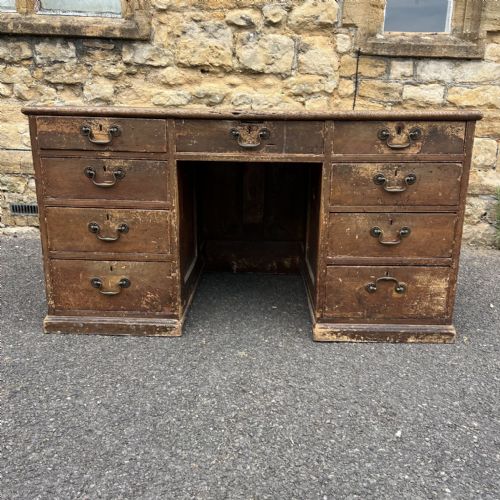
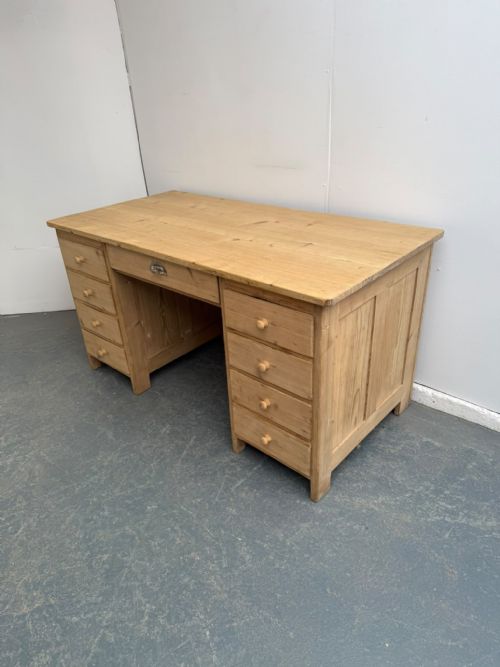
When you search for a traditional pine desk, you encounter pieces dating from the nineteenth century, including Victorian examples and items from the eighteen-eighties and nineties. These working furniture pieces often take the form of kneehole pedestal desks, estate desks with oak elements, or secretaire bureaux fitted with writing slopes.
The aesthetic leans towards rustic farmhouse, English country, and Victorian country styles. Many pieces show the honest utility of utilitarian office furniture, designed for daily writing and administration rather than formal display.
How they were made
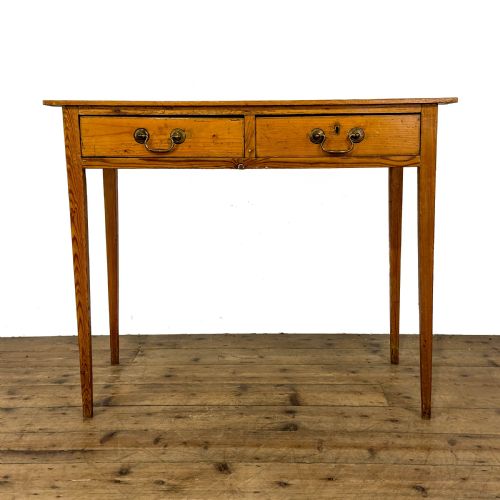
Cabinet makers built these desks primarily from pine and pitch pine, sometimes combining them with oak or elm for added strength in structural components. Brass hardware frequently appears on drawer pulls and handles, while original finishes range from natural waxed timber to traditional paint schemes like Swedish Falu red or applied faux mahogany.
Joinery techniques focus on sturdy construction capable of withstanding heavy daily use in offices, estates, and domestic studies. Surfaces were often left plain to be waxed or painted according to the owner's preference.
Traditional Pine Desk Retail Price Guide 2026
Typical asking prices for traditional pine desk among the pieces listed under this phrase on Sellingantiques today, from the lower quarter to the upper quarter. They describe what is for sale here now, not the wider market.
Some nineteenth-century pine furniture cleverly masqueraded as more expensive timber through faux mahogany paint finishes.
What varies in quality
The calibre of a traditional pine desk depends largely on the density of the timber and the robustness of its construction. Heavy pitch pine variants and examples featuring multiple drawers or kneehole configurations represent a sturdier class of build than simpler occasional tables.
Surfaces show varying degrees of preservation, from desks retaining original paint and undisturbed brass fittings to those stripped down for waxing. The integration of secondary woods like oak within an estate desk also distinguishes more substantial commissions from standard workshop output.
The Traditional Pine Desk Glossary
- Pitch pine
- A dense, resinous variety of pine timber valued for its exceptional durability and darker grain patterns.
- Kneehole desk
- A freestanding writing table featuring a central recess for the user's legs, flanked by pedestals of drawers.
- Secretaire bureau
- A writing cabinet incorporating a sloping or fold-down front that reveals an internal arrangement of small drawers and pigeon holes.
- Scrub top
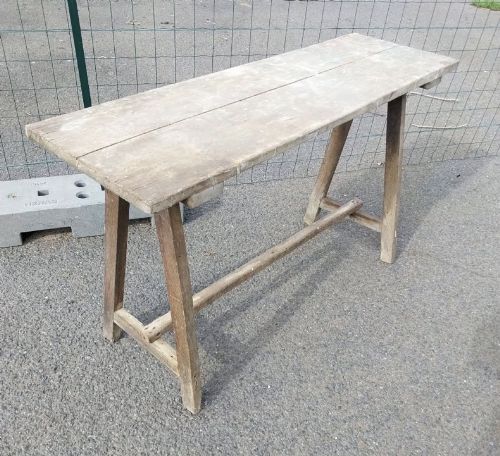
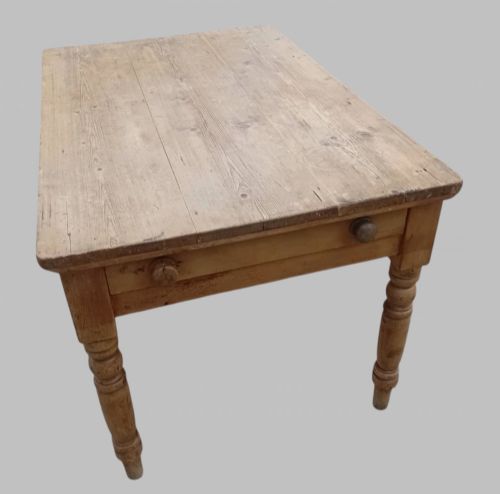
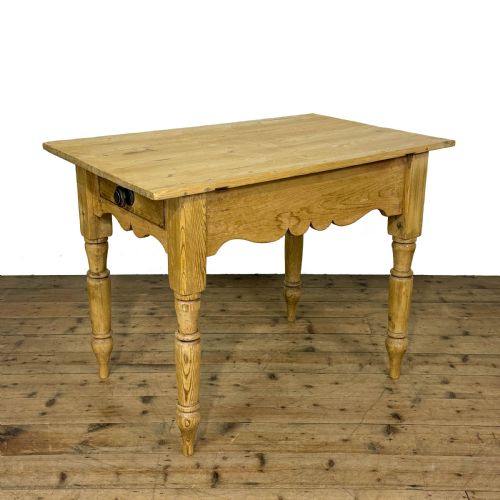
- A plain wooden tabletop left bare and frequently scoured clean with water and sand, common on utilitarian nineteenth-century tables.
- Falu paint
- A traditional deep red paint originating in Sweden, composed of copper mine waste and linseed oil, used historically to protect timber.
Traditional Pine Desk: Frequently Asked Questions
What defines a traditional pine desk?
These pieces originate primarily from the nineteenth century and combine utilitarian design with timber construction. They range from pedestal forms to estate desks intended for practical writing and administration.
They reflect regional styles including English and Victorian country vernacular, utilising materials like pine, pitch pine, and brass hardware.
How were these desks used originally?
Nineteenth-century users relied on these desks for estate management, business accounts, and personal correspondence. Their multiple drawers and pigeon holes kept writing materials and documents organised.
Their sturdy build suited them for daily clerical work in offices, institutional settings, and domestic studies.
How do I live with a pine desk?
A wooden desk integrates well into contemporary home offices or living spaces by adding textural warmth and practical surface area. Regular waxing helps maintain the finish of timber surfaces against everyday wear.
Pairing the desk with simple seating allows the utilitarian character of the nineteenth-century woodwork to stand out.
How do I tell periods apart?
Dating relies on construction details, hardware styles, and recorded periods such as the Victorian era or specific decades like the eighteen-eighties and nineties. Earlier nineteenth-century examples often display simpler lines, while later Victorian pieces can feature more complex pedestal arrangements.
Paint history also offers clues, distinguishing original nineteenth-century coatings from later alterations.