

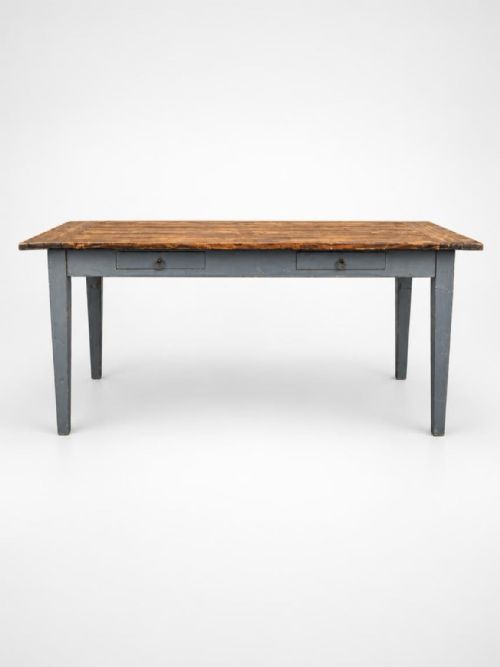
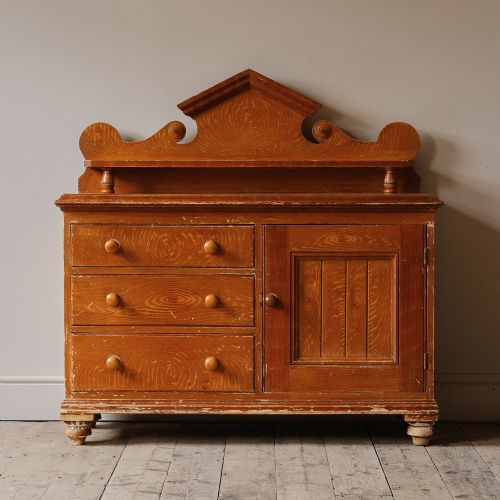
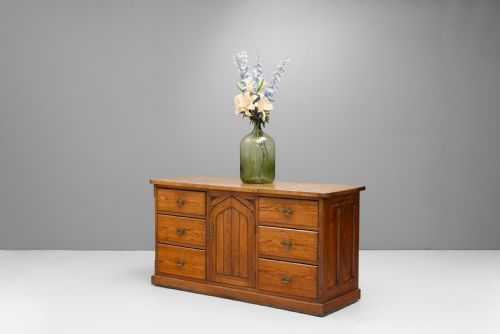

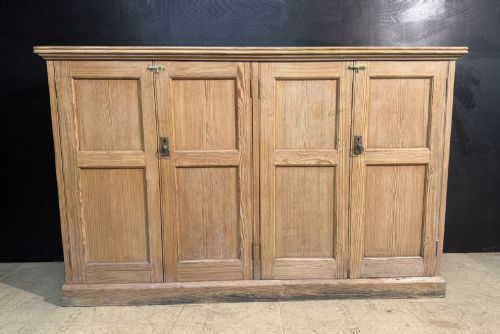

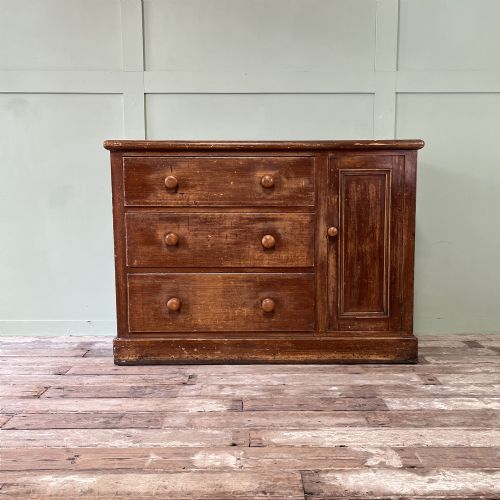
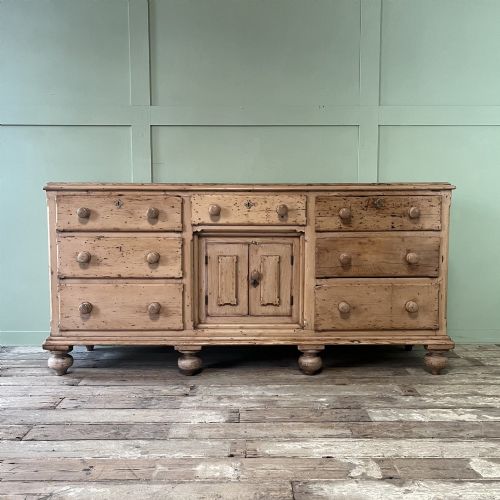

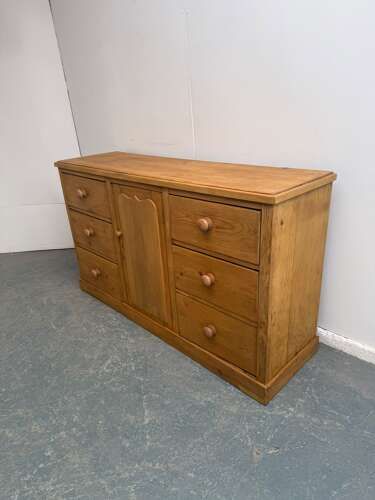
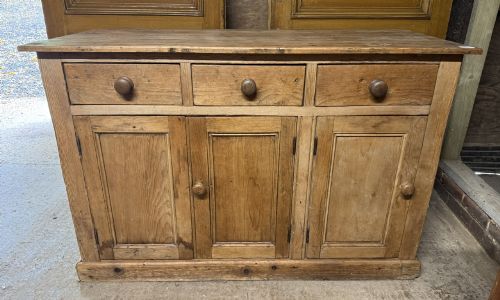
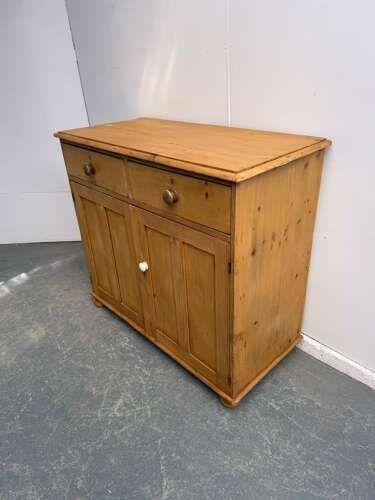
Traditional Pine Base
A traditional pine base brings honest utility and warmth to a room, offering sturdy work surfaces and deep storage built from robust softwood.
Traditional Pine Base
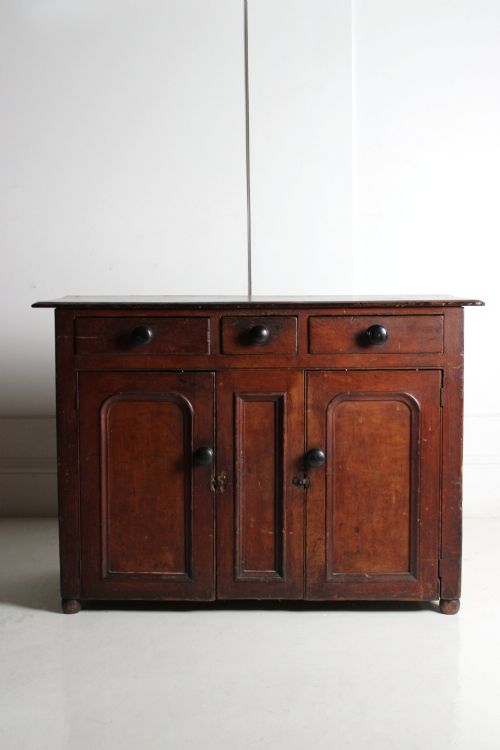
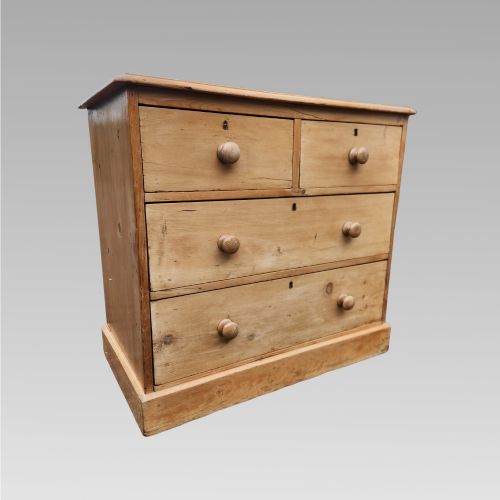
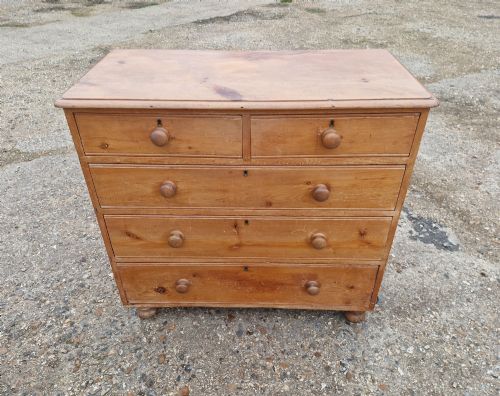
When you search for a traditional pine base, you encounter substantial furniture designed for practical domestic service, most frequently taking the form of dresser bases, sideboards, and cupboards.
The pieces on this page span several centuries, drawing heavily from Georgian and Victorian periods with robust examples originating from English, Scottish, Welsh, and French country traditions.
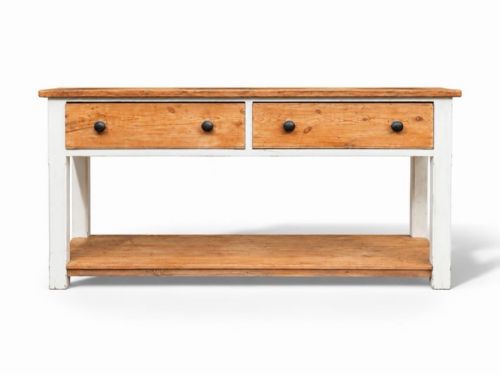
You will most commonly meet utilitarian kitchen and pantry storage forms, including potboard dresser bases with open lower shelves, panelled door cupboards, and sturdy farmhouse dining tables.
How they were made
Carpenters constructed these items primarily from solid pine timber, frequently pairing the softwood bodies with scrubbed top boards or fruitwood elements for enhanced durability during daily food preparation.
Surfaces often display historic layers of paint or traditional wax finishes, while structural stability relied on straightforward joinery complemented by iron or brass hardware for hinges and drawer pulls.
Traditional Pine Base Retail Price Guide 2026
Typical asking prices for traditional pine base among the pieces listed under this phrase on Sellingantiques today, from the lower quarter to the upper quarter. They describe what is for sale here now, not the wider market.
Among the utilitarian storage units and scrub-top tables, an exceptionally large Victorian rocking horse stands ready for action.
What varies in quality
Quality rests on the integrity of the original construction and the character of the timber, where dense grain and honest proportions distinguish superior provincial cabinetmaking from basic utility items.
The survival of original surface treatments, such as early paint layers or time-honoured waxed patination, elevates a piece by preserving its authentic domestic history.
The Traditional Pine Base Glossary
- Potboard dresser base
- A kitchen sideboard featuring an open lower shelf near the floor, traditionally used for storing heavy pots and pans.
- Scrub top
- A wooden table top designed to be aggressively scrubbed clean with water and sand after heavy kitchen use.
- Dog kennel dresser
- A specific regional furniture form featuring an open central recess flanked by banks of drawers or cupboards.
- Chiffonier
- A compact sideboard or low cabinet equipped with drawers and doors, popular for parlour or dining room storage.
- Painted finish
- A decorative or protective layer of pigment applied to the softwood body, often surviving in historic colours.
Traditional Pine Base: Frequently Asked Questions
What is a traditional pine base used for?
These pieces served as heavy-duty work counters and storage hubs in period kitchens, pantries, and sculleries.
Today, they function as kitchen islands, sideboards, or media consoles that anchor a room with rustic character.
How do I care for a waxed pine finish?
Keep the wood nourished by applying a traditional beeswax paste periodically and buffing it with a soft cloth.
Avoid placing hot dishes or standing water directly on the bare softwood surface to protect the historic wax layer.
How can I tell a Georgian piece from a Victorian one?
Georgian examples generally display simpler, restrained proportions and earlier cabinetmaking joints.
Victorian pieces often present heavier construction, wider board dimensions, and more elaborate cupboard configurations.
Can I paint a stripped pine base?
Many historical pieces spent their working lives under layers of paint, so applying a traditional finish is entirely authentic.
Ensure the surface is properly prepared so the new paint adheres well to the underlying softwood grain.