



Traditional Pillar Table
These traditional pillar table examples span multiple centuries of mahogany dining tables and columnar lighting, offering sturdy pedestals and classic forms for period interiors.
Traditional Pillar Table
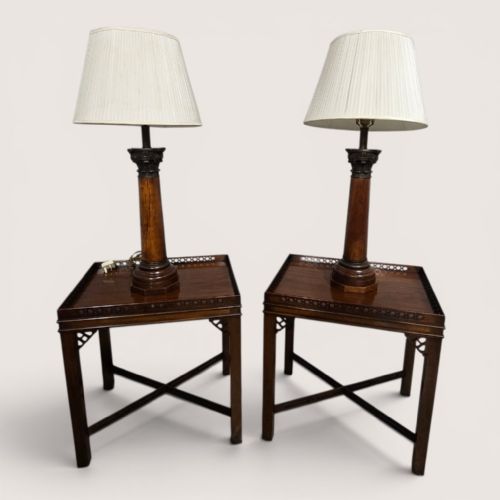
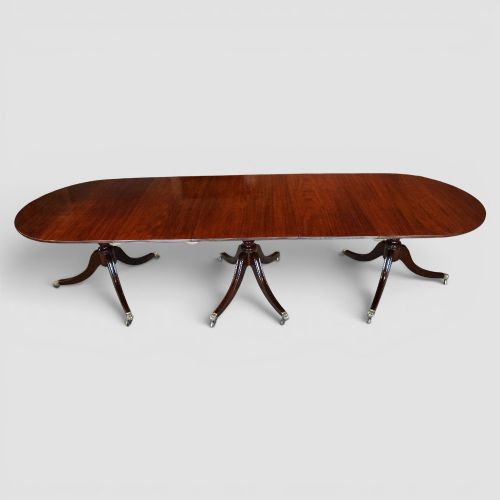
A traditional pillar table search brings up two distinct groups of objects, dominated primarily by mahogany dining tables with pedestal bases and tall columnar table lamps.
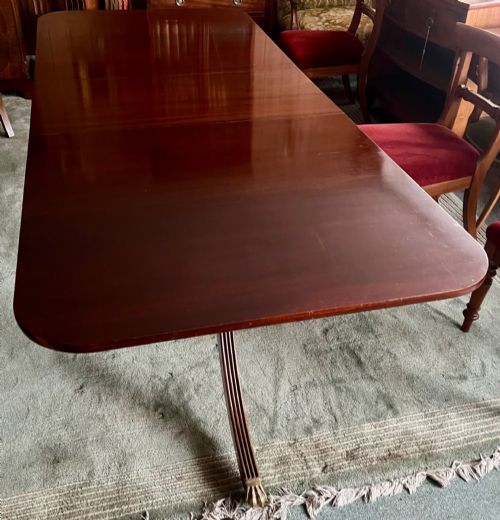
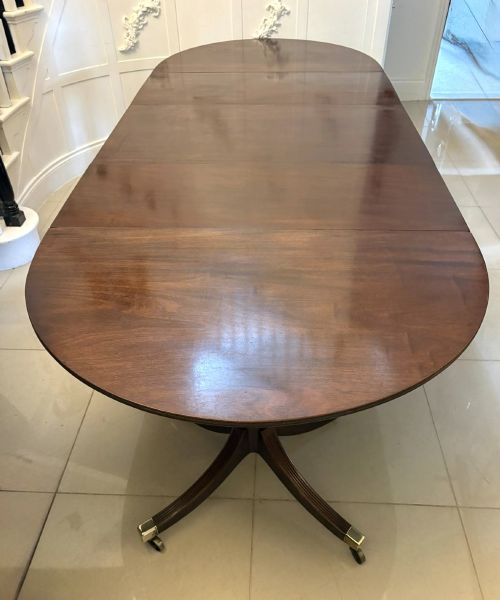
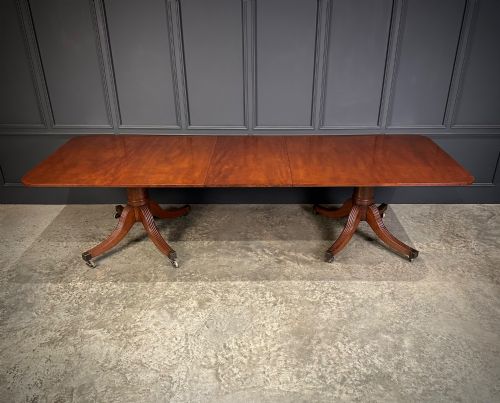
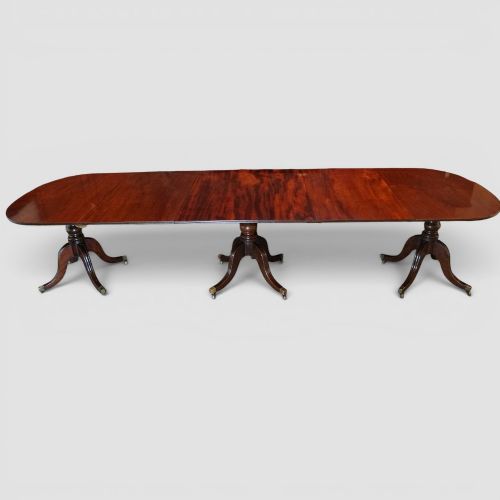
Dining tables appear most frequently as twin or triple pillar configurations in mahogany, often featuring extending leaves to accommodate larger groups.
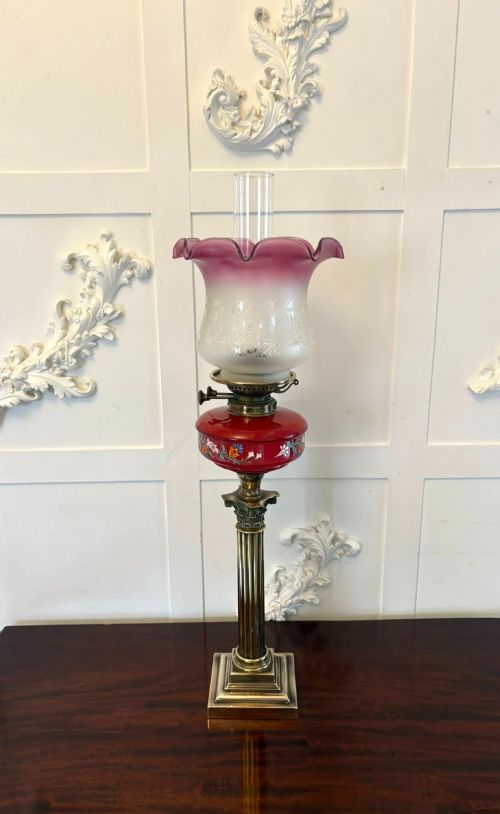
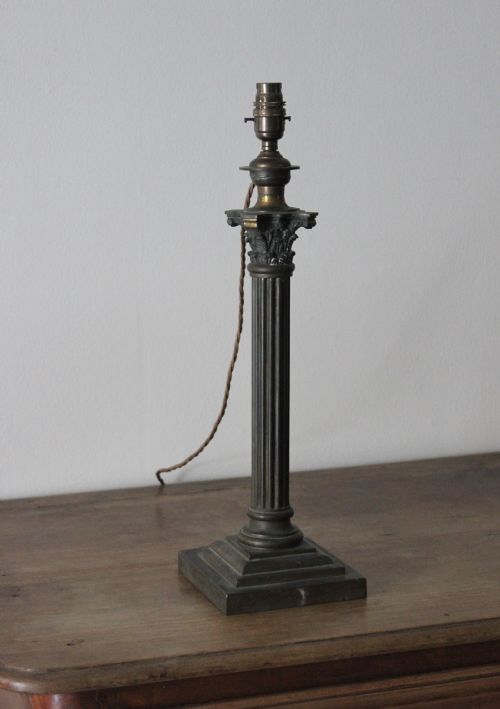
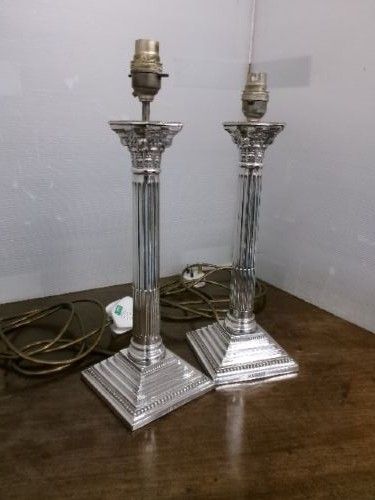
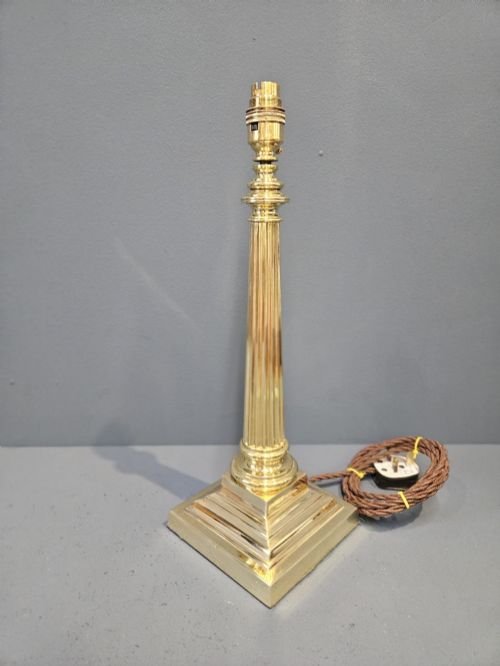
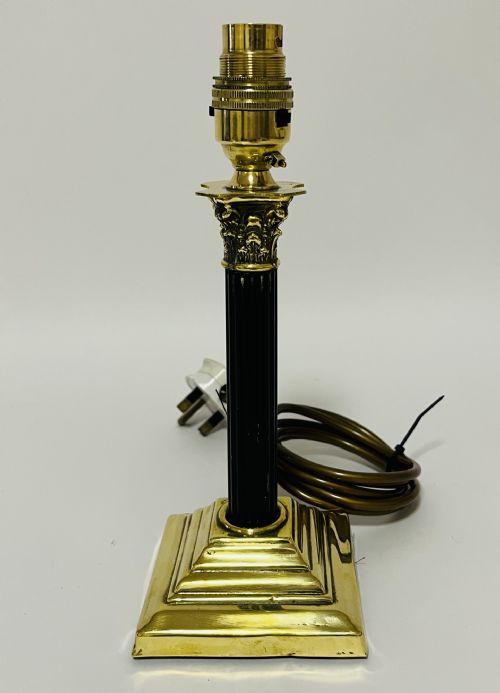
The lighting pieces take the form of brass, bronze, oak or silver-plated lamps modelled on classical architectural columns such as the Corinthian or reeded orders.
Materials and construction methods
Mahogany dominates the timber furniture, frequently selected for its deep grain and stability when shaped into heavy pedestal bases and dining tops.
Metalwork relies on cast brass, bronze, silver plate and patinated alloys to form the fluted shafts and stepped bases of column lamps and candlesticks.
Glass appears in oil lamp fonts, combining transparent or cranberry bowls with heavy metal columns.
Traditional Pillar Table Retail Price Guide 2026
Typical asking prices for traditional pillar table among the pieces listed under this phrase on Sellingantiques today, from the lower quarter to the upper quarter. They describe what is for sale here now, not the wider market.
Listings span the nineteenth century through the 1930s, encompassing Victorian, Edwardian, and Regency revival periods alongside Georgian styles.
Distinctions in quality and execution
Quality rests on the depth of timber figuring in the mahogany tops and the precision of the carved details on the pedestals and pillar supports.
In lighting, the crispness of the acanthus leaf casting on Corinthian capitals and the weight of the solid brass or bronze dictate the standard of the piece.
The Traditional Pillar Table Glossary
- Twin pillar
- A dining table supported by two central pedestals rather than four corner legs. This configuration allows diners greater legroom around the perimeter.
- Corinthian column
- An architectural order featuring an ornate capital decorated with carved acanthus leaves. It appears frequently on the shafts of antique table lamps and candlesticks.
- Pedestal desk
- A flat-topped writing desk supported by two banks of drawers or structural pillars. Examples integrate carved pillar elements into the design.
- Extending table
- A dining table fitted with removable leaves and a running mechanism to increase its length. This allows the surface to expand for larger gatherings.
Traditional Pillar Table: Frequently Asked Questions
How do I maintain a mahogany dining table?
Clean the surface regularly with a soft, dry cloth to remove dust and prevent the buildup of grit. Apply a traditional beeswax polish occasionally to nourish the timber and maintain its natural sheen.
Protect the wood from direct sunlight and excessive heat sources to avoid warping or fading over time. Use heat-resistant mats beneath hot dishes and coasters under glassware to safeguard the polished finish.
Can I use modern bulbs in a vintage column lamp?
Most vintage and antique lamps retain their original or period-appropriate internal wiring and brass fittings. It is advisable to have a qualified electrician inspect the wiring before regular use.
Standard modern screw or bayonet bulbs fit most adapted lamp holders, provided the wattage matches the safe operating limits of the vintage fixture. LED bulbs generate less heat, which helps protect older materials.
What is the difference between a twin and triple pillar table?
A twin pillar table relies on two central pedestals to support the long mahogany top. These models suit medium-sized dining rooms and comfortably seat standard dinner parties.
Triple pillar tables add a third central support, allowing the table to extend significantly further for large dining spaces. This extra pedestal provides crucial structural stability across extended lengths.
How do I identify Regency style features?
Regency style pieces often draw inspiration from classical antiquity, incorporating clean architectural lines and dark timber veneers. Look for restrained ornamentation, reeded legs and brass inlay.
Pedestals on Regency tables frequently feature splayed tripod legs ending in brass claw castors. These design choices create a balanced silhouette that emphasises proportion over excessive carving.