



Traditional Pier Mirrors
Traditional pier mirrors hang between windows to catch and reflect the daylight, bringing height and depth to a room.
Traditional Pier Mirrors
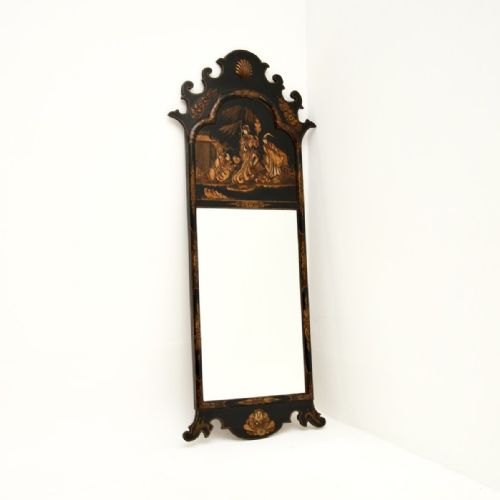
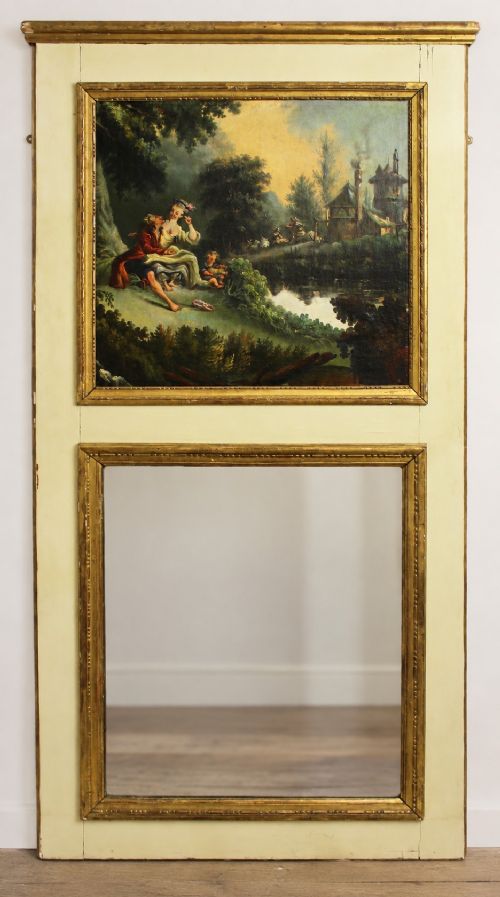
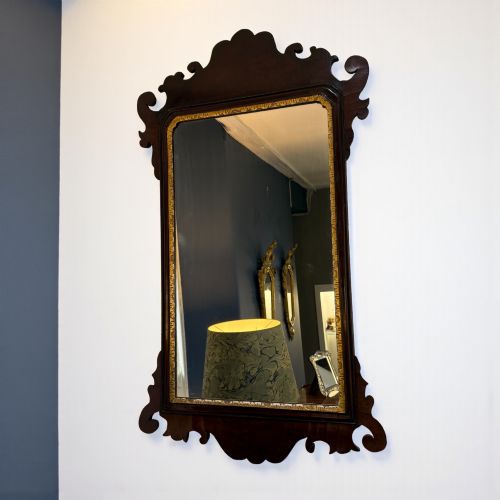
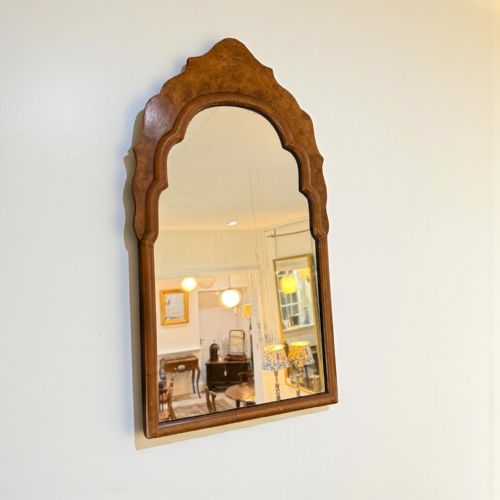
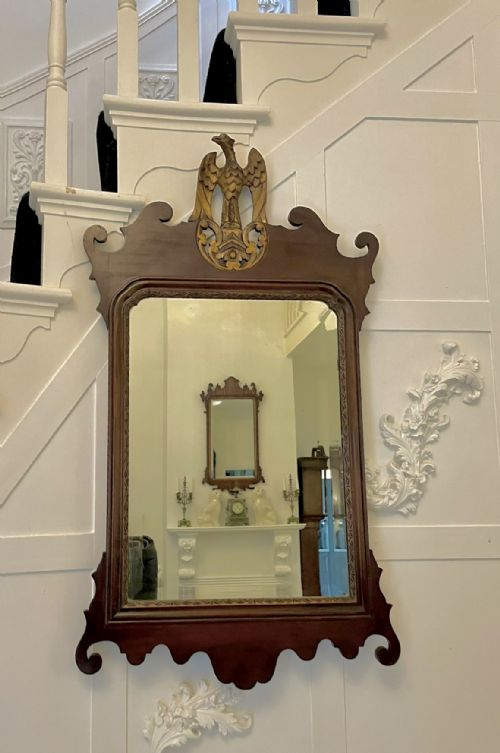
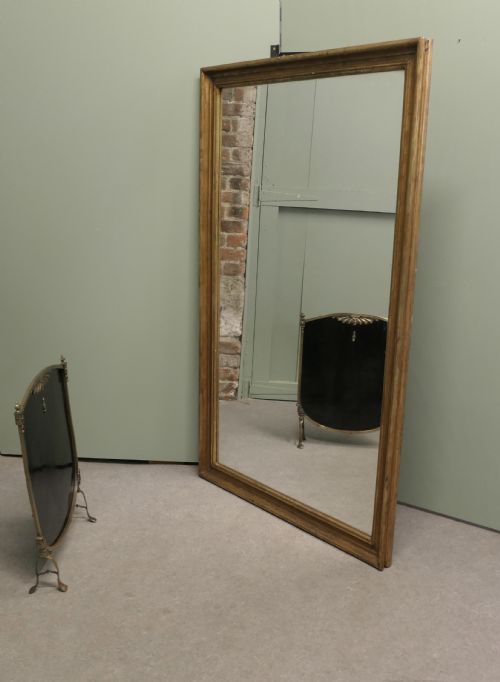
Traditional pier mirrors are wall-hanging looking glasses designed to occupy the narrow wall space between windows, a placement that maximises natural light in a room. The selection spans centuries of design, with pieces originating from Georgian, Regency, and Victorian periods alongside later revivals.
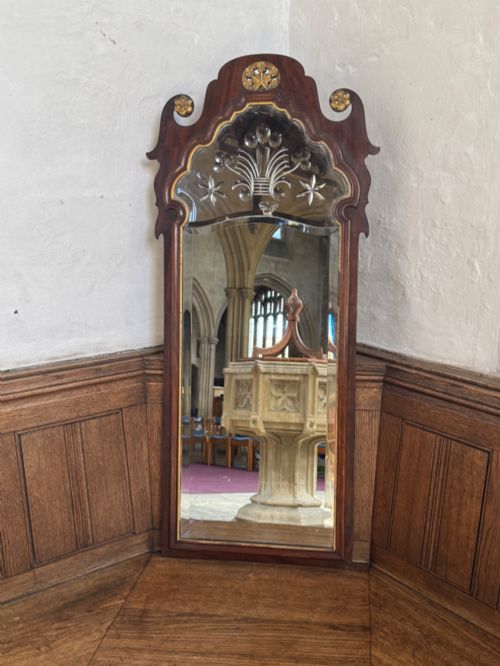
Forms vary from tall, rectangular frames to pieces incorporating console tables, carved wood, and painted finishes. Walnut and mahogany predominate in timber frames, while giltwood and gesso provide reflective metallic brilliance.
Buyers encounter walnut frames from the eighteenth century alongside revival pieces from the early twentieth century. These vertical looking glasses serve both functional and decorative roles in traditional interiors.
How they were made
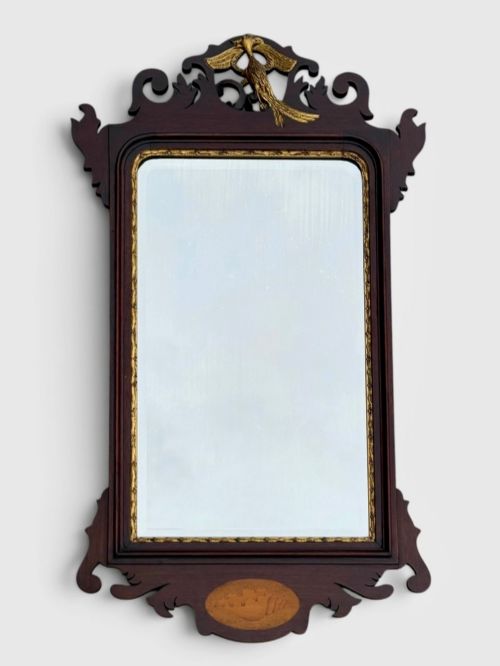
Frames rely on timber construction using walnut, mahogany, and rosewood, often shaped with scrollwork, fretwork, or carved bird motifs. Joinery techniques secure the structural integrity of tall vertical frames.
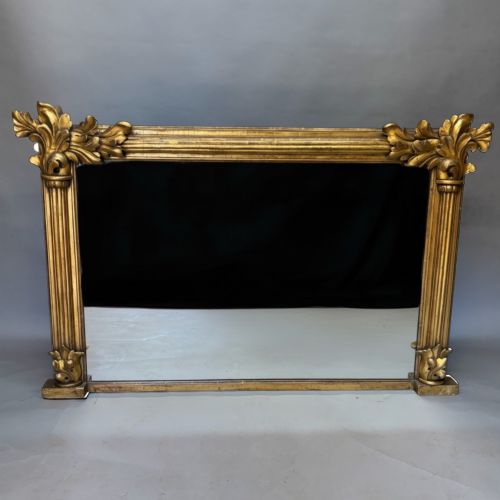
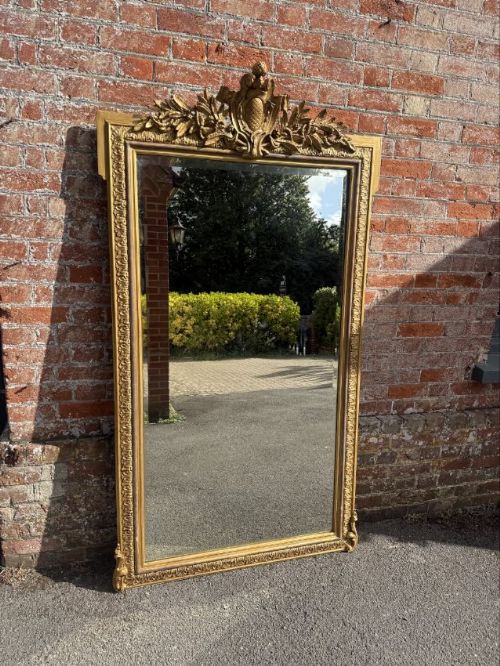
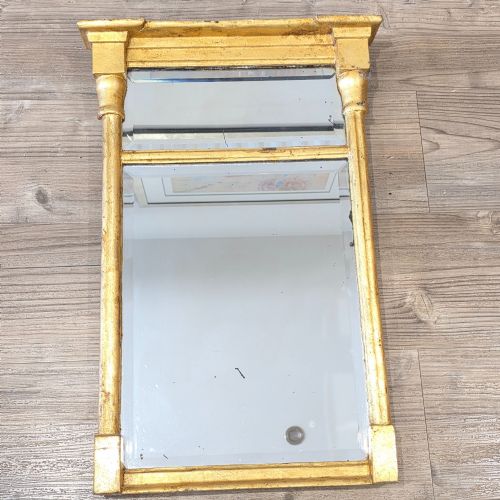
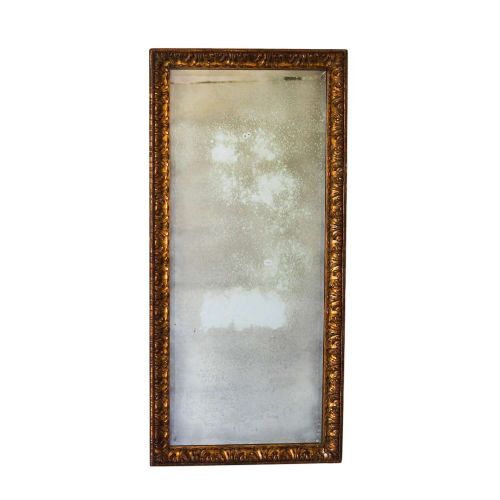
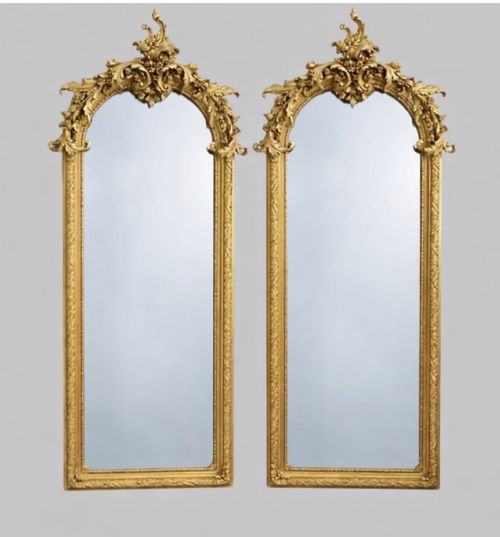
Gilding involves the application of gold leaf over gesso and wood substrates, creating a luminous surface that catches candlelight or daylight. Reverse cut plates and aged mirror glass complete the visual composition.
Traditional Pier Mirrors Retail Price Guide 2026
Typical asking prices for traditional pier mirrors among the pieces listed under this phrase on Sellingantiques today, from the lower quarter to the upper quarter. They describe what is for sale here now, not the wider market.
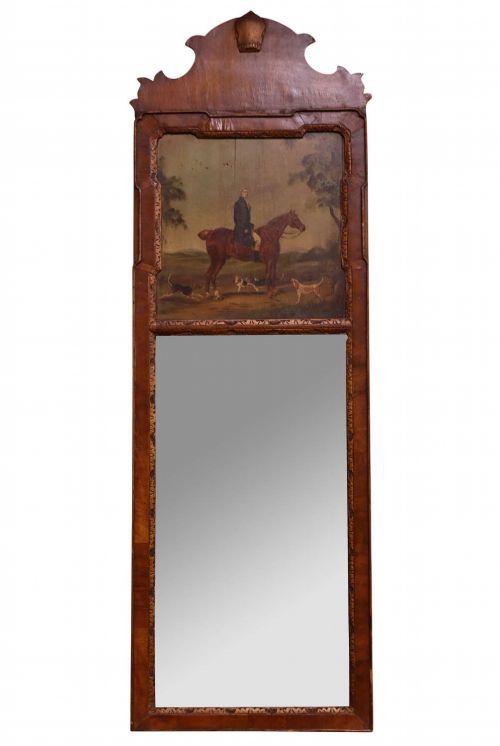
One unexpected mirror pairs its walnut frame with an equestrian oil painting right inside the glass.
What varies in quality
Quality rests in the crispness of the wood carving and the depth of the gilding on gesso grounds. Hand-carved details and fine walnut veneers demonstrate superior craftsmanship compared to simpler moulded decoration.
The integrity of the mirror glass itself alters the character of the piece, with original plates showing subtle distortion and age that enhance authenticity.
The Traditional Pier Mirrors Glossary
- Pier glass
- A tall mirror specifically sized to hang on the narrow wall between two windows. It reflects interior light across the room.
- Giltwood
- Timber coated with fine gold leaf applied over a prepared gesso ground. This technique gives frames a rich metallic finish.
- Gesso
- A plaster-like mixture applied to wood frames to create a smooth surface for gilding and intricate relief carving. It allows for sharp decorative details.
- Parcel gilt
- A finish where portions of a wooden or painted object are highlighted with gold leaf while other areas remain natural or painted. Walnut and mahogany pieces often utilise this method.
- Fretwork
- Openwork ornamentation carved or pierced from a thin board of timber. It appears frequently on eighteenth-century and revival mahogany frames.
Traditional Pier Mirrors: Frequently Asked Questions
Where should I hang a pier mirror?
Traditional pier mirrors belong on the narrow wall space situated between two windows. This placement bounces daylight back into the interior.
They also function effectively above console tables or mantelpieces where vertical proportions balance the room.
How do I identify a Georgian pier mirror?
Examine the timber species and carving details, as eighteenth-century examples frequently feature figured walnut or rich mahogany. Look for hand-cut fretwork and traditional joinery methods behind the frame.
Revival pieces from later centuries emulate these characteristics but often reveal machine-cut edges or modern backing boards upon closer inspection.
What is the difference between gesso and giltwood?
Gesso serves as the foundational plaster mixture applied directly to the carved wooden frame to prepare it for decoration. Giltwood refers to the finished surface where thin sheets of gold leaf adhere to that gesso layer.
Together they create the luminous metallic frames seen on period mirrors.
Are these mirrors suitable for modern rooms?
The vertical proportions of pier mirrors draw the eye upward, making them practical for adding a sense of height to contemporary spaces. Their reflective surfaces brighten dark corners without requiring floor space.
They pair well with both antique furniture and minimalist modern decor.