




Traditional Period Sofa
A traditional period sofa brings the solid timber frames and classic upholstery of past centuries directly into a modern drawing room.
Traditional Period Sofa
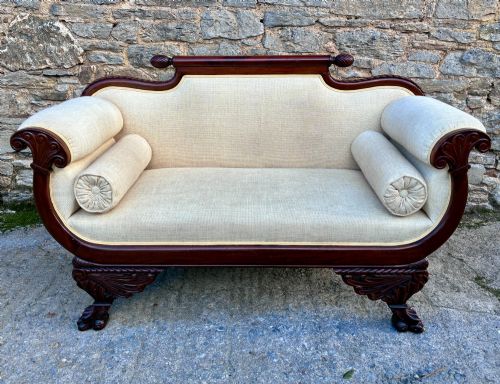
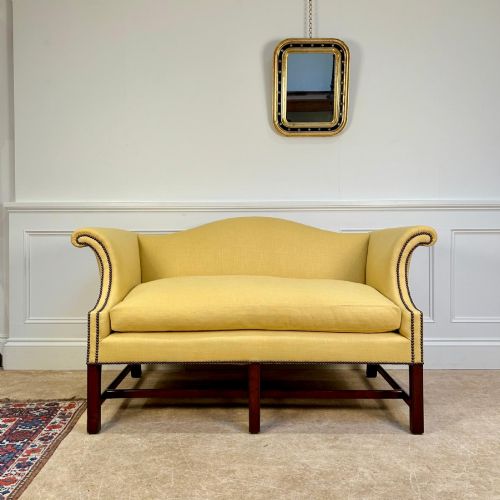
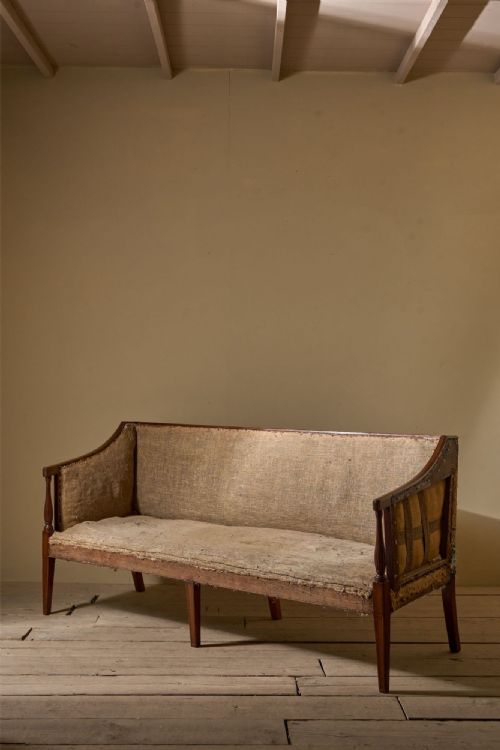
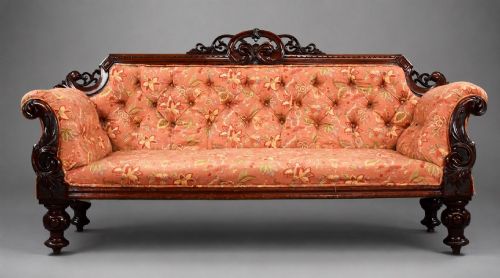
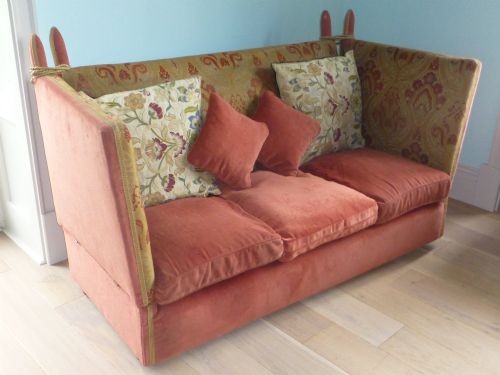
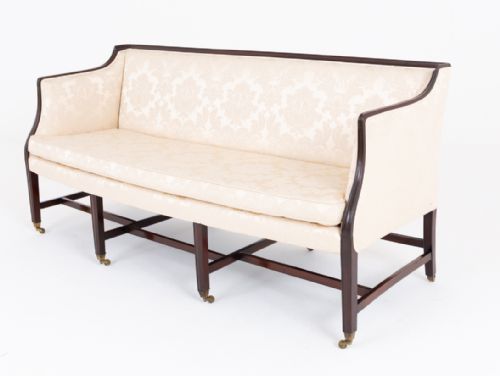
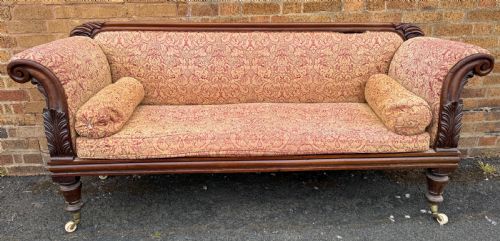
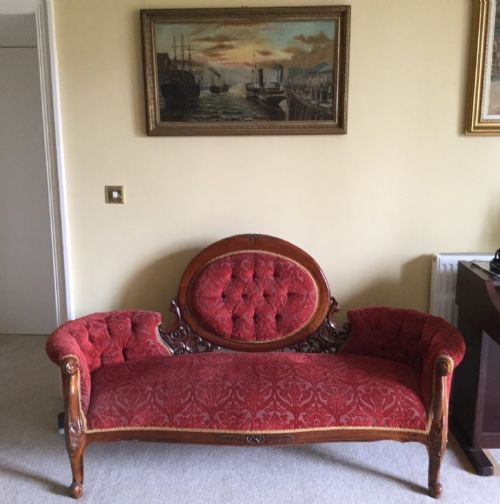
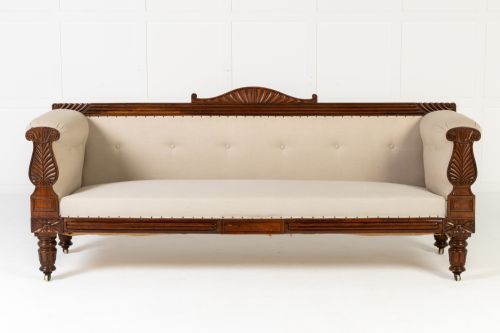
A traditional period sofa spans forms from the understated lines of the Georgian era to the ornate curves of Victorian and Edwardian seating. Buyers searching for a traditional period sofa frequently encounter mahogany frames, scroll ends, and distinct silhouettes like the camel back or the drop-arm Knole.
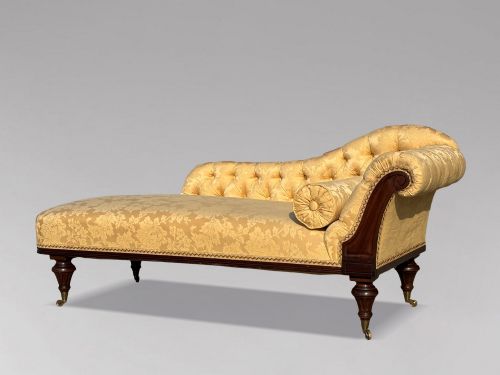
The selection ranges from compact two-seater settees to large country house sofas and chaise longues. Pieces often reflect specific design revivals, drawing on Hepplewhite, Regency, and William IV styles executed in solid woods.
Materials and construction
Frames rely predominantly on dense hardwoods such as mahogany, rosewood, walnut, and oak, often polished to show the grain of the timber. Skilled cabinet makers shaped these structural skeletons with carved details, scroll arms, and exposed show frames.
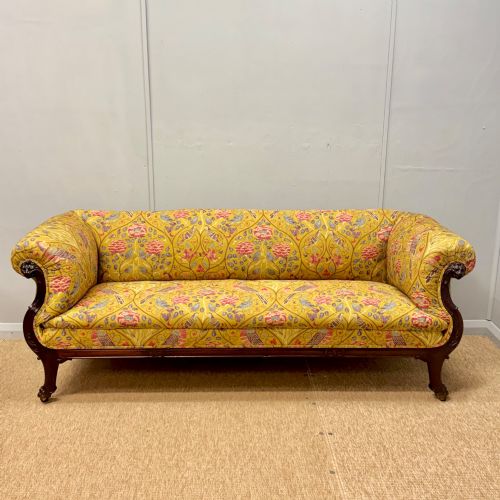
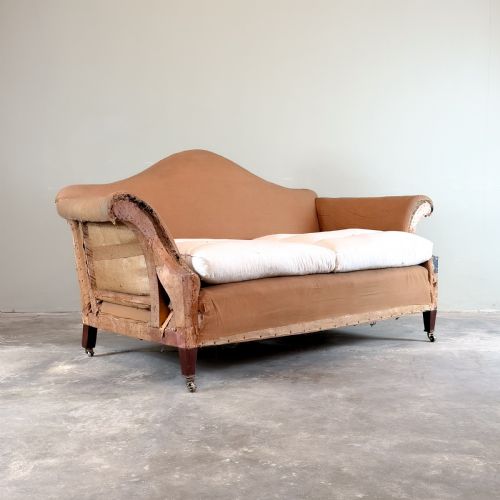
Upholstery techniques involve traditional stuffing layered over sprung or webbed bases, finished with textiles like damask, velvet, brocade, and Hessian. Brass castors and decorative nailing frequently complete the assembly of these wooden frameworks.
Traditional Period Sofa Retail Price Guide 2026
Typical asking prices for traditional period sofa among the pieces listed under this phrase on Sellingantiques today, from the lower quarter to the upper quarter. They describe what is for sale here now, not the wider market.
One unexpected listing reaches back into domestic detail with a set of eighteenth-century linen cushion covers featuring fresh feather inners.
Judging quality in antique seating
Quality rests in the integrity of the timber frame and the precision of any hand-carving applied to the wood. Heavier mahogany or rosewood frames with tight joinery and well-defined scroll ends signal superior cabinet work.
The standard of upholstery and the choice of covering fabric alter the character of a piece significantly. Retaining original show frames paired with sympathetic textile choices distinguishes finer examples from heavily altered or later utility alternatives.
Howard and Sons·Gillows of Lancaster
The Traditional Period Sofa Glossary
- Knole sofa
- An early upholstered seat style characterised by high, adjustable drop arms tied with heavy braids and tassels.
- Scroll-end
- A sweeping, curved wooden arm terminal typical of Regency and William IV furniture designs.
- Camel back
- A serpentine arched backrest contouring gracefully upward, frequently seen on Georgian and Edwardian settees.
- Show frame
- An exposed wooden structural framework surrounding the upholstered sections of a sofa or settee.
- Hepplewhite manner
- A lighter, refined style of furniture design associated with the late eighteenth century, featuring elegant tapered legs and shield or oval backs.
Traditional Period Sofa: Frequently Asked Questions
How do I identify a Regency sofa?
A Regency sofa typically exhibits classical proportions with bold mahogany or rosewood frames, often incorporating brass inlay, lyre-shaped supports, or lion mask carvings.
These pieces lean toward architectural symmetry and draw inspiration from Greek and Roman antiquities, distinguishing them from earlier curved rococo styles.
What is a Knole sofa?
A Knole sofa is a historic seating form defined by high, hinged arms that can be dropped flat or left upright using vertical wooden posts and braided cords.
Originating in the seventeenth century, these heavy upholstered pieces offer a commanding presence and deep seating proportions.
Can I use a period sofa every day?
Many period sofas are robust enough for daily use, provided the internal webbing, springs, and upholstery have been properly maintained or restored.
Heavier hardwood frames handle regular seating well, though antique textiles may require more careful treatment than modern synthetic fabrics.
How do I care for antique wood frames?
Maintain timber frames by dusting regularly with a soft, dry cloth and applying traditional beeswax sparingly to nourish the polished mahogany, walnut, or rosewood.
Keep wooden furniture away from direct sunlight and radiators to prevent the dry timber from splitting or warping over time.