
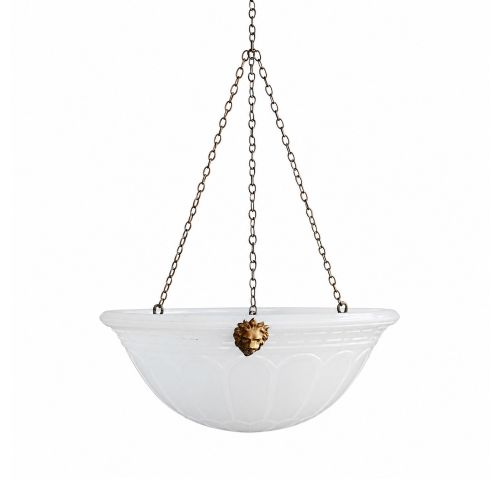
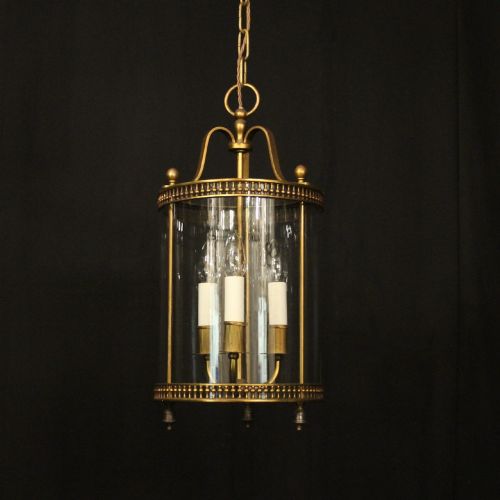
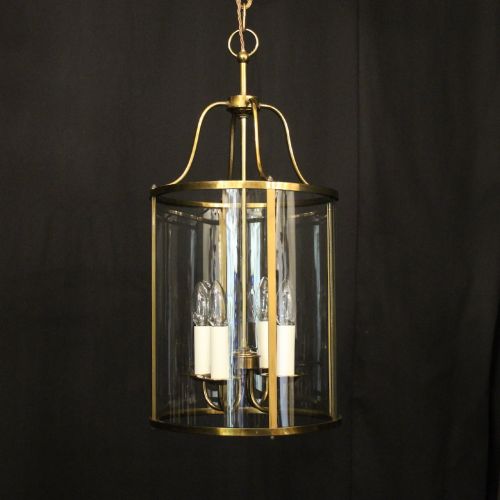
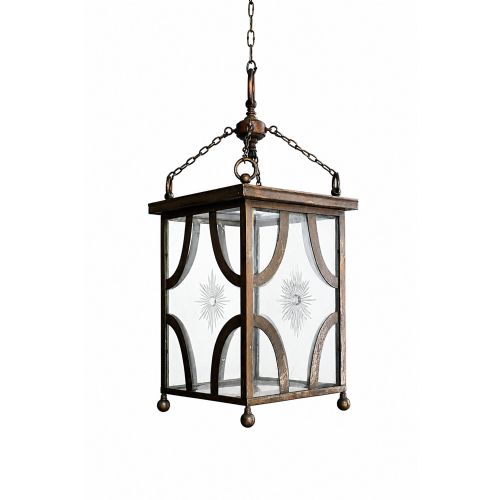
Traditional Pendant Lantern
Traditional pendant lantern designs bring unmistakable vertical presence to a hallway, drawing the eye upward with metal and glass.
Traditional Pendant Lantern
A traditional pendant lantern hangs from ceilings to illuminate hallways, entrance spaces and stairwells with enclosed glass panels. These fixtures trace their origins through the nineteenth and early twentieth centuries, spanning Victorian, Edwardian and Arts and Crafts periods.
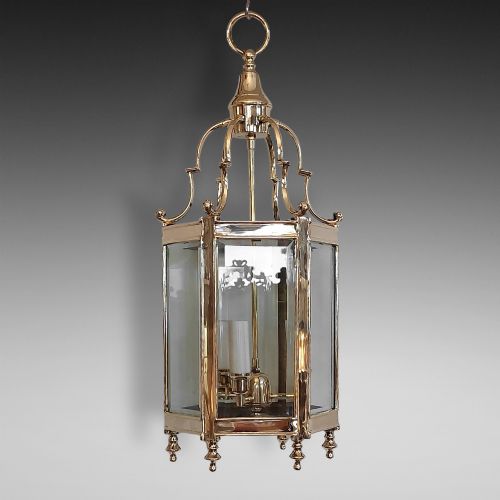
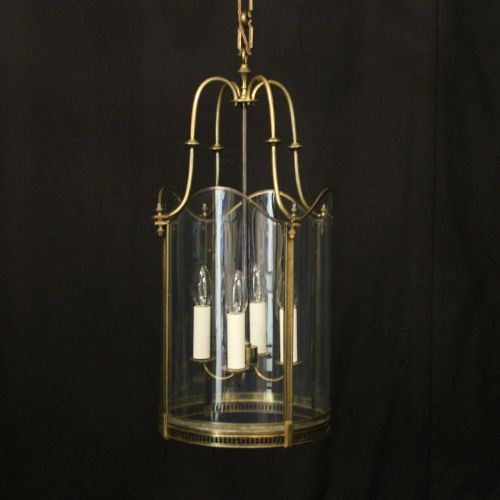
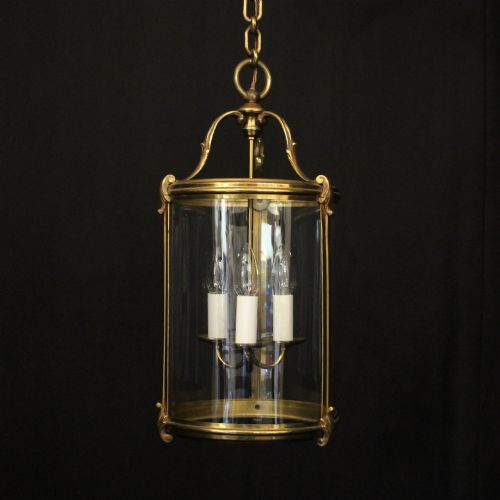
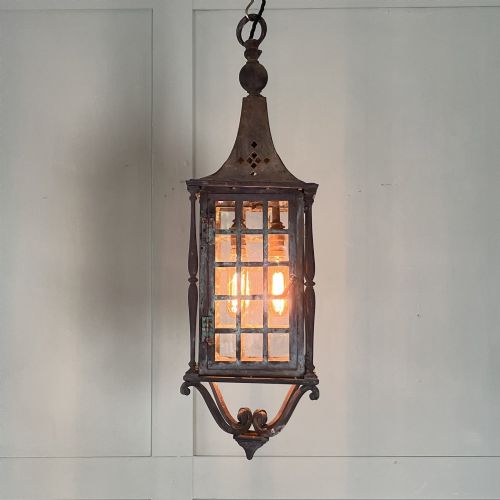
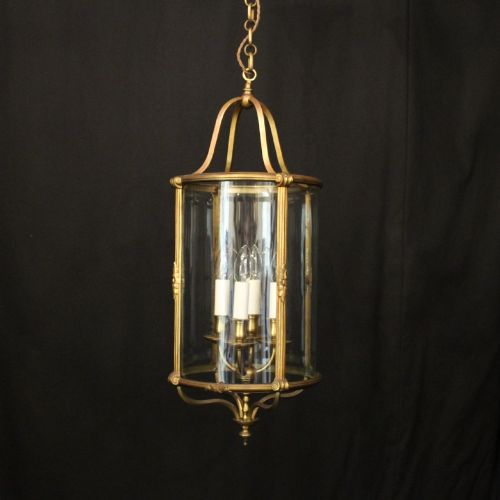
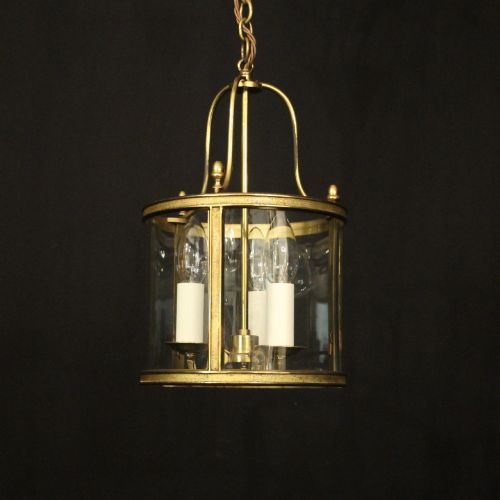
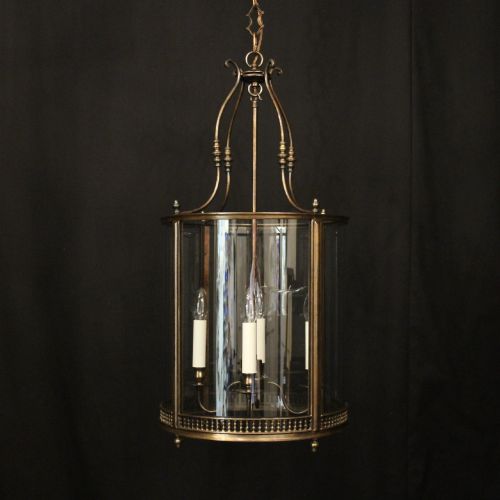
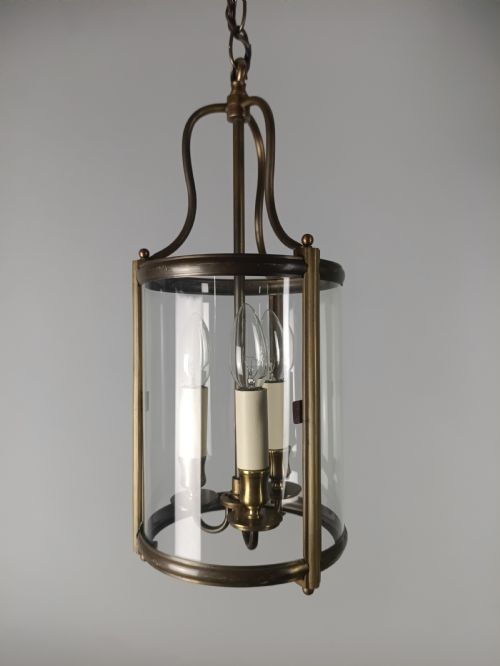
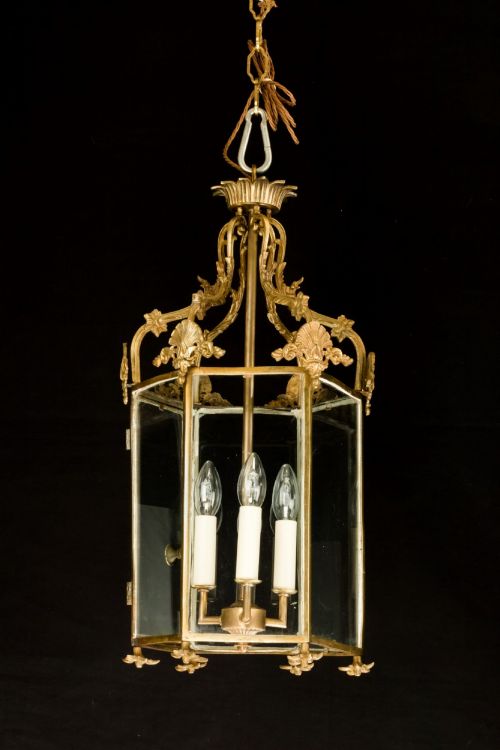
Hexagonal and convex shapes dominate the forms seen here, often fitted with multiple internal lights or single bulbs. French chateau, neoclassical and gothic revival styles appear frequently alongside simpler English brass designs.
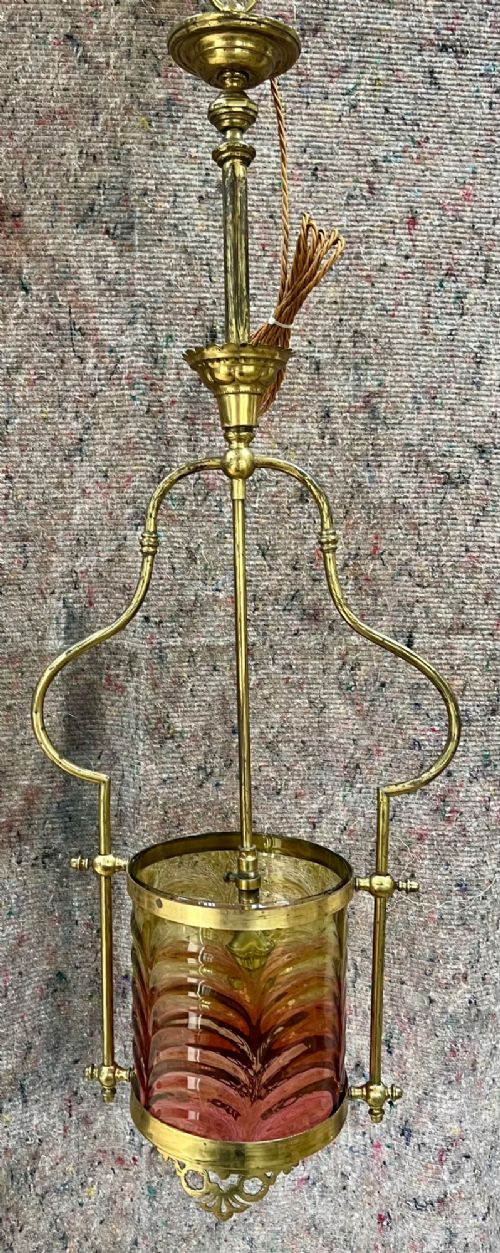
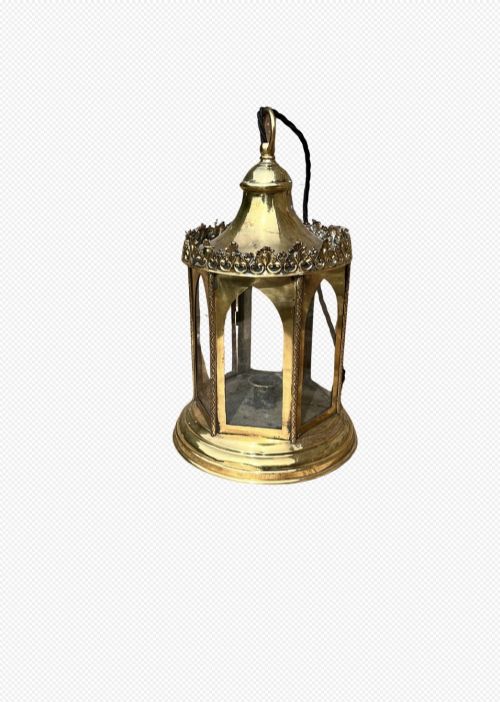
Buyers will most commonly encounter brass and gilded bronze frames paired with clear, bevelled or hand blown glass. These hanging lanterns serve both practical illumination and decorative focal points in domestic settings.
How they were made
Metalworking techniques of the period relied heavily on cast brass, forged wrought iron and gilded bronze to build sturdy structural frames. Artisans soldered or screwed metal components together to hold glass panes securely within geometric or curved housings.
Glass panels required specialist hand blowing or precise bevelling to fit snugly into hexagonal and convex frames. Workers secured these panes using traditional lead cames, metal clips or glazing bars designed to withstand daily hanging loads.
Early twentieth-century makers occasionally hid wiring channels inside decorative hanging loops to maintain clean exterior silhouettes.
What varies in quality
The density and weight of the primary metal frame separate ordinary output from superior examples, with heavy cast bronze and thick brass showing greater rigidity than lighter sheet metal. Gilding thickness and the depth of surface chasing determine how well the metal catches ambient light.
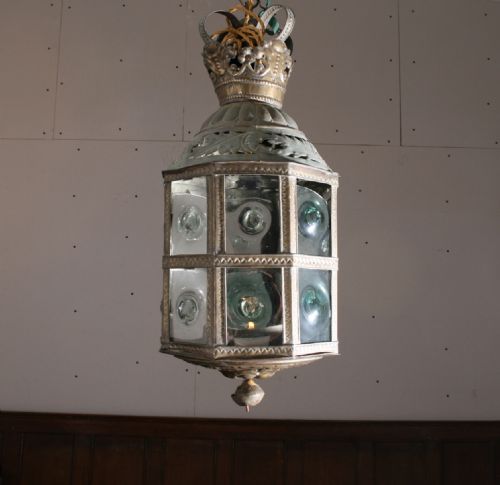
Glass selection introduces another tier of distinction, moving from standard flat panes to hand blown bullseye roundels or thick bevelled edges that refract light with precision. Superior construction ensures tight joints between metal and glass without excessive movement or rattling.
The Traditional Pendant Lantern Glossary
- Convex glass
- Curved glass panes that bulge outward to diffuse internal light and create a softer visual profile. This technique appears often on French hallway lights.
- Bevelled glass
- Glass panes with angled edges ground down to a thinner perimeter, catching and refracting light at sharp angles. It signals a more costly manufacturing process.
- Bulls eye glass
- A round disc of glass featuring a prominent central knob or optical distortion left by the glassblowing pontil mark. It adds texture and historic character to large lantern shades.
- Hexagonal lantern
- A hanging fixture built with six distinct sides, providing multi-directional illumination and a geometric silhouette. These shapes are common in Edwardian hallway designs.
- Gilded bronze
- Bronze metal treated with a thin layer of gold leaf or gilt wash to impart a warm, reflective metallic surface. It resists tarnishing better than untreated base metals.
Traditional Pendant Lantern: Frequently Asked Questions
Where should a hanging lantern be hung?
These fixtures suit high-ceilinged entrance halls, landings and stairwells where their vertical drop provides balanced illumination. Ensure adequate clearance beneath the lowest point for pedestrian traffic.
Positioning the light centrally allows the glass panels to cast patterned shadows across surrounding walls and cornices.
How do I identify an Edwardian lantern?
Edwardian examples typically feature bright brass frames, clean lines and hexagonal shapes that reflect the lighter aesthetic following Victorian heaviness. They often bear simple decorative motifs without excessive ornamentation.
Hardware construction from this era relies on solid brass fixings and standard domestic hanging loops.
Are these lights suitable for low ceilings?
Traditional pendant lights require sufficient ceiling height to hang properly without dominating the vertical space of a room. Most designs include suspension chains or rods that can be adjusted during installation.
Shorter hallways benefit from compact round or hexagonal formats rather than large multi-light drops.
What is the difference between brass and bronze?
Brass is an alloy of copper and zinc, yielding a bright golden tone that polishes to a high shine. Bronze combines copper with tin, producing a darker, warmer metallic body with greater natural strength.
Gilded versions of both metals appear frequently in French and English antique lighting.