

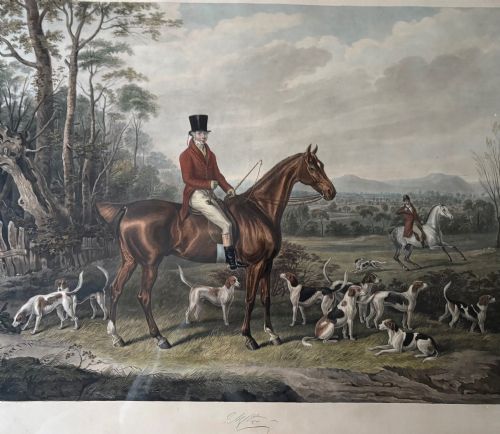


Traditional Paper Art Print
A traditional paper art print brings historic craft into a room, offering genuine period character through ink, paper, and hand colouring.
Traditional Paper Art Print
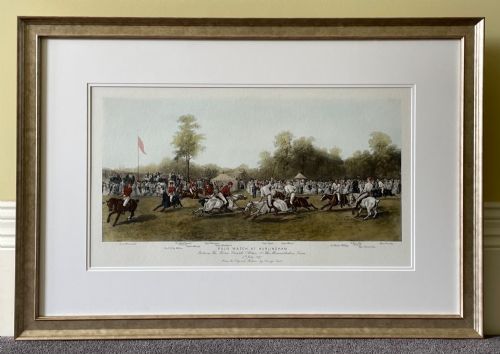
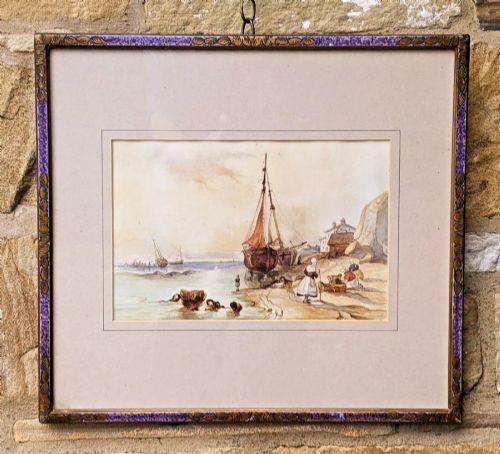
A traditional paper art print encompasses framed works on paper spanning from the Georgian and Victorian eras into the early twentieth century. These pieces record sporting scenes, coastal watercolours, topographical views, and Japanese woodblocks preserved behind glass.
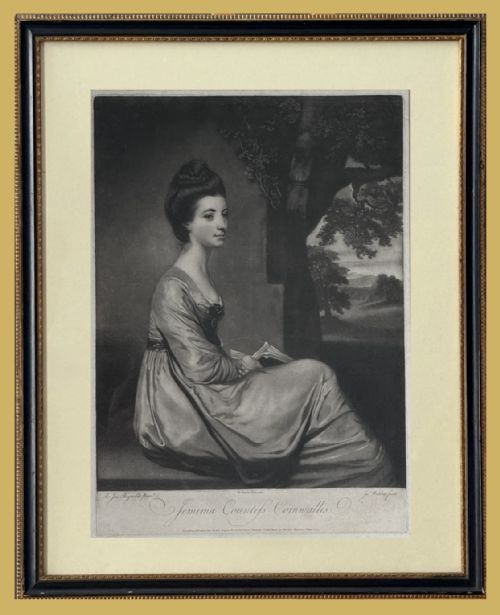
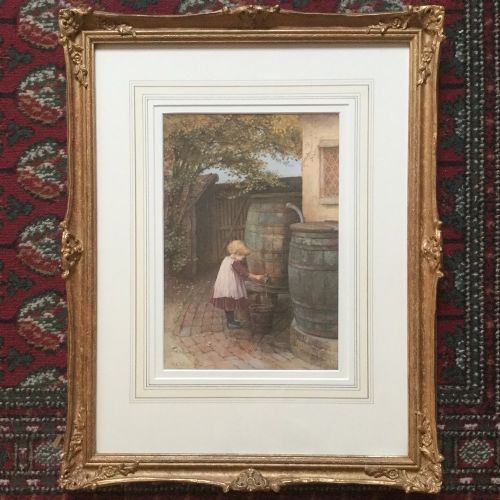
Buyers encounter hand-coloured engravings, mezzotints, aquatints, and lithographs housed in period wood and gesso frames. The selection ranges from nineteenth-century sporting sets to delicate botanical watercolours and silhouette art.
Selecting a traditional paper art print involves choosing between lively equine scenes, serene landscape watercolours, and detailed portraiture. Each format reflects the prevailing artistic techniques and domestic tastes of its specific decade.
Materials and Techniques
Printers and artists utilised high-grade paper, mixing rich watercolour pigments and dark printing inks to create enduring graphic depth. Many nineteenth-century plates received delicate hand colouring directly over the printed lines.
Woodblock printing required meticulous carving into timber blocks before transferring pigment onto paper sheets. Etching and engraving relied on metal plates scored by hand to hold ink under the pressure of a rolling press.
Finished works found protection beneath glass within timber mouldings, sometimes finished with gilt wood or gesso details. This framing method shielded fragile paper and watercolours from atmospheric moisture and handling.
Listings span periods from the Georgian era through the Victorian period and into the early twentieth century, utilising paper, ink, watercolour, and gilt wood.
Evaluating Quality
Quality rests upon the crispness of the impression and the precision of any hand-applied pigment. Early pulls from an engraved plate show sharp line definition, whereas worn plates yield blurred shadows and softened details.
The survival of original framing adds significant merit to a piece. Original gilt wood and gesso frames complement the paper artwork correctly, whereas modern replacement framing alters the historic presentation.
Condition of the paper surface dictates desirability. Unfaded ink, bright watercolour pigments, and minimal foxing separate superior surviving examples from works compromised by damp or harsh light.
James Watson·Sir Joshua Reynolds·Charles Edward Wilson·James Dobie·W Dendy Sadler·J F Herring·John Atkinson·Kunisada
The Traditional Paper Art Print Glossary
- Engraving
- A printmaking technique where an artist cuts lines directly into a metal plate with a sharp tool. The resulting incisions hold ink for transfer under heavy press pressure onto paper.
- Aquatint
- A variant of etching that produces tonal areas resembling watercolour washes. It achieves subtle gradations of light and dark through powdered resin dusted onto the plate before acid biting.
- Mezzotint
- A tonal printmaking process where the metal plate is roughened uniformly to produce rich dark areas. Lighter tones are scraped and burnished back into the surface to create smooth gradients.
- Ukiyo-e
- A genre of Japanese art flourishing from the seventeenth through nineteenth centuries, depicting scenes of everyday life. These woodblock prints utilise vibrant flat colour areas and precise black outlines.
- Gesso
- A plaster-like mixture applied to wood frames to create a smooth surface for gilding and ornamentation. It provides the structured relief detail seen on nineteenth-century picture surrounds.
Traditional Paper Art Print: Frequently Asked Questions
Are these prints original?
The listings comprise period impressions created during the active dates of the artists and publishers. Techniques such as woodblock printing, engraving, and lithography date directly to the eras stated.
Examine the paper texture, plate marks, and ink application to verify period authenticity. Original works carry the physical characteristics of historic printing methods.
How are periods identified?
Stylistic cues, costume details, and framing styles help pinpoint the era of creation. Sporting dress, architectural elements, and printing technology evolved steadily across the nineteenth and early twentieth centuries.
Signatures, publisher imprints, and plate dates offer concrete chronological markers. Comparative study with dated works confirms the decade of production.
How do I choose the right frame?
Consider matching the period of the frame to the date of the artwork. Victorian gesso frames complement mid-nineteenth-century watercolours, while simple wood profiles suit earlier Georgian engravings.
Ensure the visual weight of the frame balances the composition on the paper. A strong moulding anchors dark mezzotints, whereas lighter frames suit delicate botanical studies.