


Traditional Paper Art Painting
Traditional paper art painting brings together watercolours, pastels, and ink works on paper from the nineteenth and twentieth centuries.
Traditional Paper Art Painting
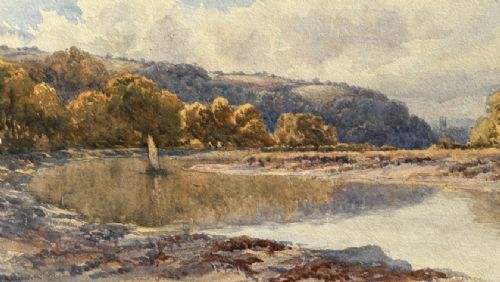
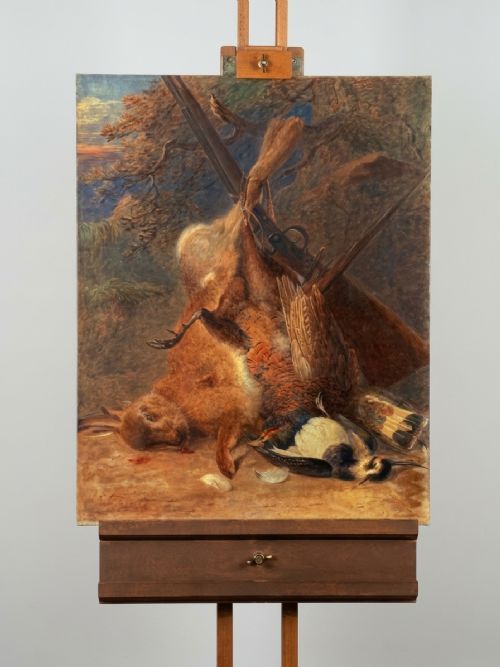
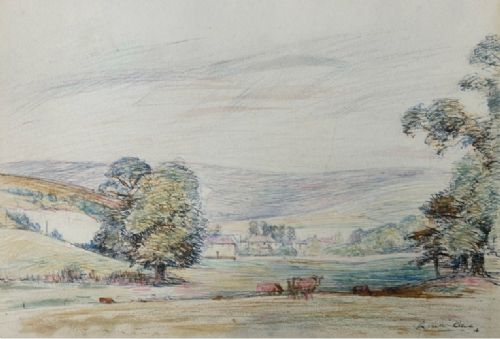
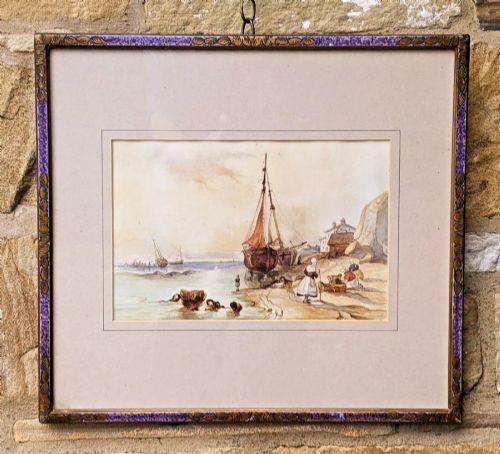
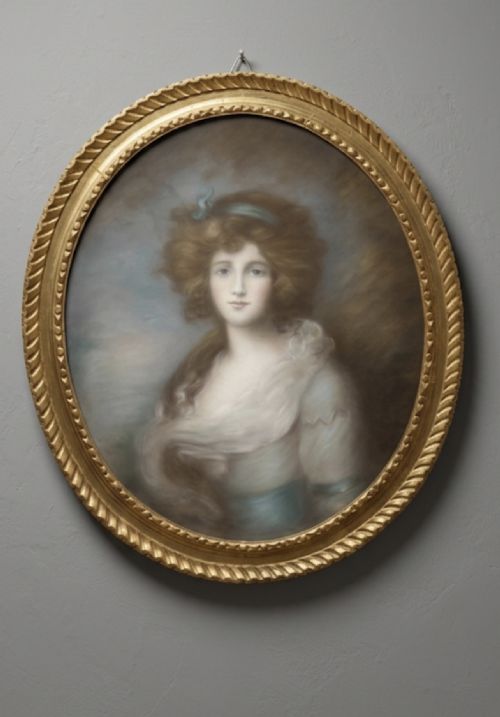
Traditional paper art painting centres on works executed in watercolour, gouache, ink, and pastel on paper supports. Buyers exploring this category encounter landscapes, coastal scenes, portraits, and still life compositions created across the nineteenth and twentieth centuries.
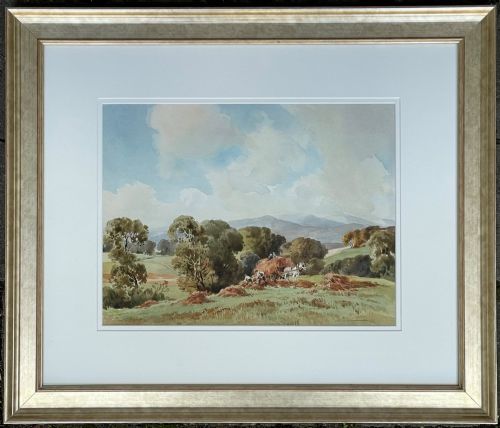
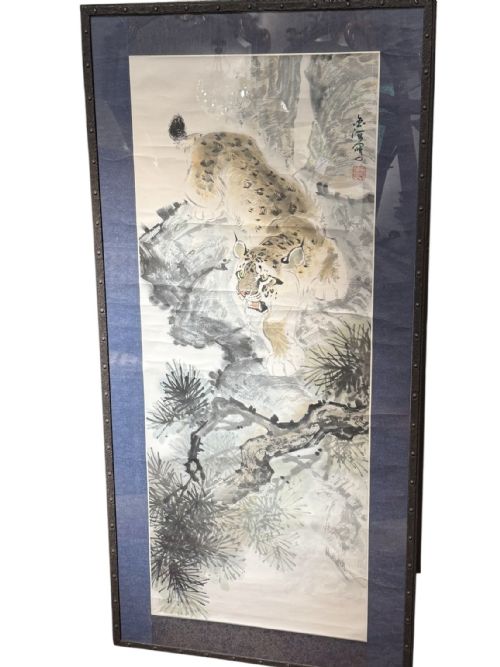
The selection ranges from detailed British rural watercolours by named artists to Chinese scroll and album paintings executed in pigment and ink. Works appear framed behind glass or mounted in period formats.
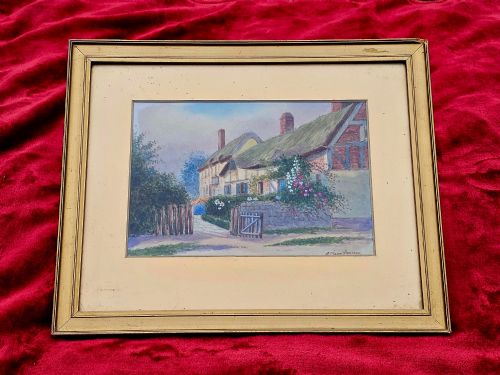
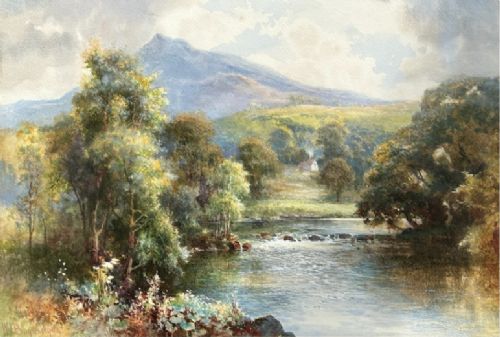
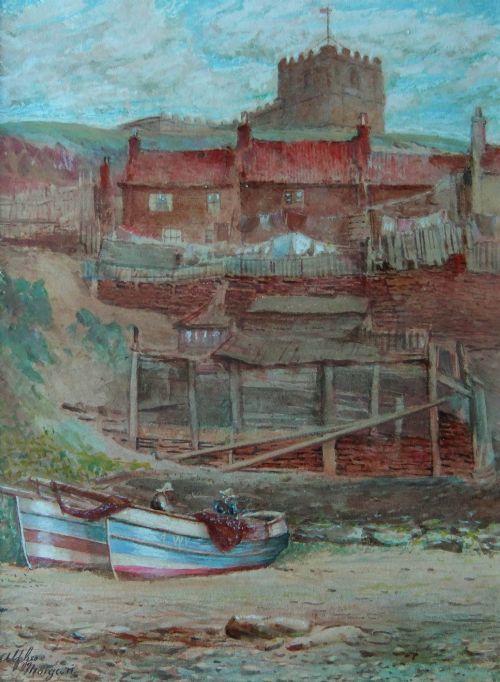
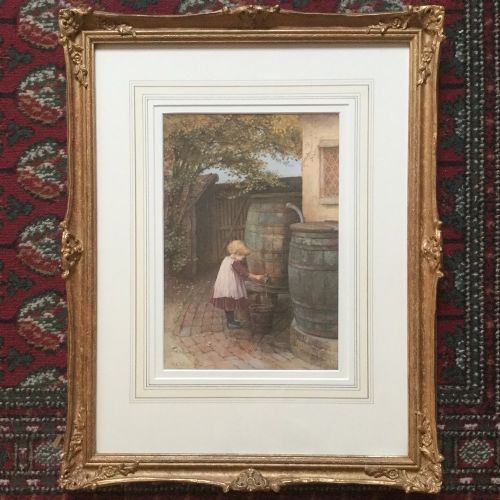
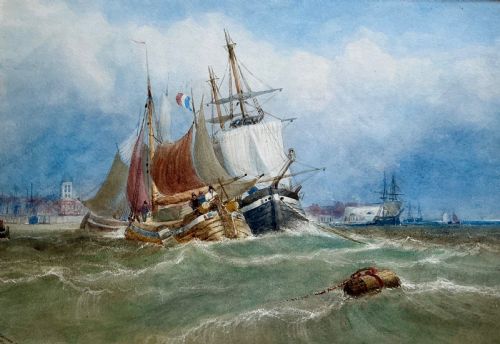
Victorian and Edwardian British landscapes dominate the selection, alongside coastal views, animal studies, and floral subjects. Pieces span from mid-nineteenth century sheets to mid-twentieth century pastoral scenes.
Materials and construction
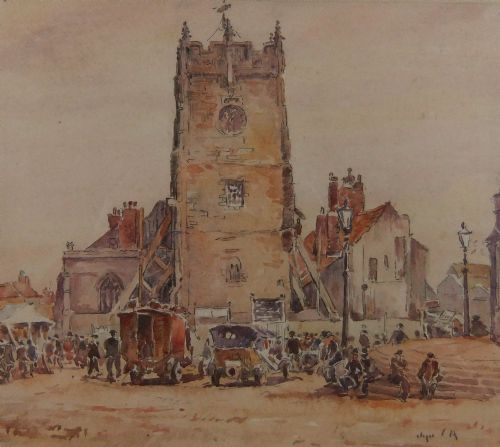
Artists applied watercolour pigment, bodycolour, ink, and pastel directly onto paper or silk supports. Many works utilise transparent washes combined with opaque highlights to build depth.
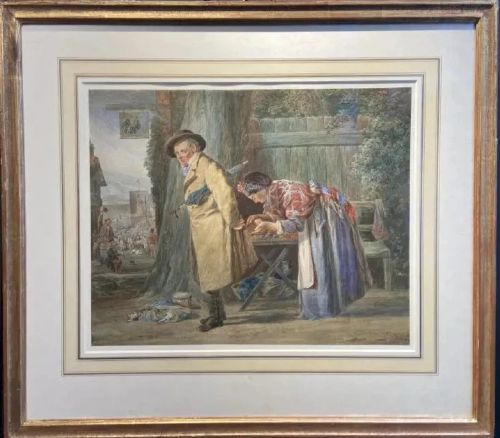
Completed paintings were framed in wood under glass, while Asian examples often take the form of traditional scrolls or album leaves bearing artist seals. Pigments were brushed onto absorbent fibrous surfaces designed to hold fine linear and tonal detail.
Listings feature paper art paintings created using watercolour, ink, pastel, and gouache across the nineteenth and twentieth centuries.
Evaluating quality and execution
Quality rests upon the confidence of the brushwork, the preservation of pigment vibrancy, and the handling of light and atmosphere. Stronger examples display deliberate draftsmanship and clear tonal control across the paper surface.
The condition of the paper support and the retention of original framing or mounting elements influence the integrity of each piece. Fading from exposure to light alters the balance of watercolour pigments over time.
George Sydney Shepherd·Alfred Young Nutt·Percy Lancaster·A Marie Parsons·William Joseph Boyes·John Smith Atherton·Joseph H Barnes·Alfred G Morgan·Russell Sidney Reeves·Thomas Gainsborough·Charles Edward Wilson·Henry Barlow Carter·Henry Charles Fox·Filipo Indoni·Henry John Kinnaird·Thomas Bush Hardy·William Edward Fox·William Hoggatt·James Hardy Junior·John McDougal·Theresa Stannard·Louie Stanley Maurice Prince·Robert Winchester Fraser·George Hamilton Constantine·George Arthur Fripp
The Traditional Paper Art Painting Glossary
- Watercolour
- A painting method in which the paints are made of pigments suspended in a water-based solution. The technique relies on transparent washes layered over white paper.
- Bodycolour
- Watercolour paint mixed with a white pigment to make it opaque. This medium allows artists to add solid highlights and dense details.
- Gouache
- An opaque water-based paint consisting of pigment, water, and a binding agent such as gum. It produces a flat, matte surface finish.
- Pastel
- A dry painting medium in the form of a stick, consisting of powdered pigment and a binder. Works executed in pastel require protection behind glass.
- Scroll
- A length of paper or silk rolled onto a wooden cylinder for storage and unrolled for viewing. This format is traditional in Chinese painting.
Traditional Paper Art Painting: Frequently Asked Questions
What periods do these paintings date from?
The listings span the nineteenth and twentieth centuries, with a strong representation of Victorian and Edwardian works.
Dates range from the early nineteenth century through to the mid-twentieth century.
How should paper paintings be framed?
Works on paper require framing behind glass with acid-free mounts to protect the surface from moisture and atmospheric dust.
Direct contact between the paint surface and the glass should be avoided.
What is the difference between watercolour and gouache?
Watercolour is translucent, allowing the underlying white paper to shine through the washes of pigment.
Gouache includes an opaque white additive that creates a solid, matte finish without transparency.
Are these works signed by the artists?
Many examples bear artist signatures, monograms, or studio inscriptions written directly onto the paper support.
Some historical works remain unsigned or are attributed based on style and provenance.