




Traditional Panelled Linen Press
Traditional panelled linen press pieces are robust storage items built to hold household textiles, offering enduring utility and solid period character.
Traditional Panelled Linen Press
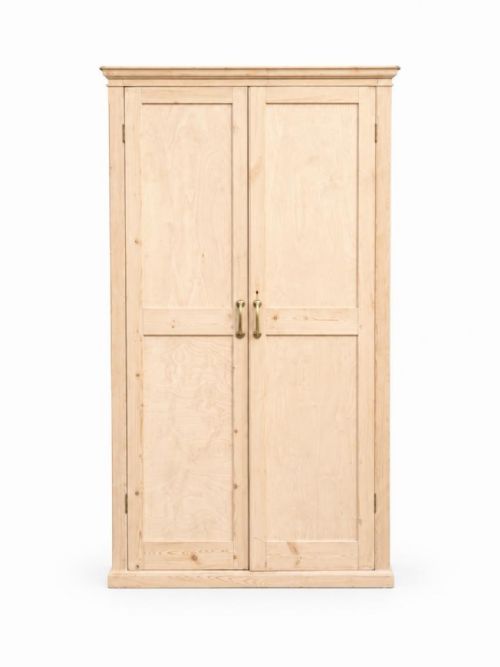
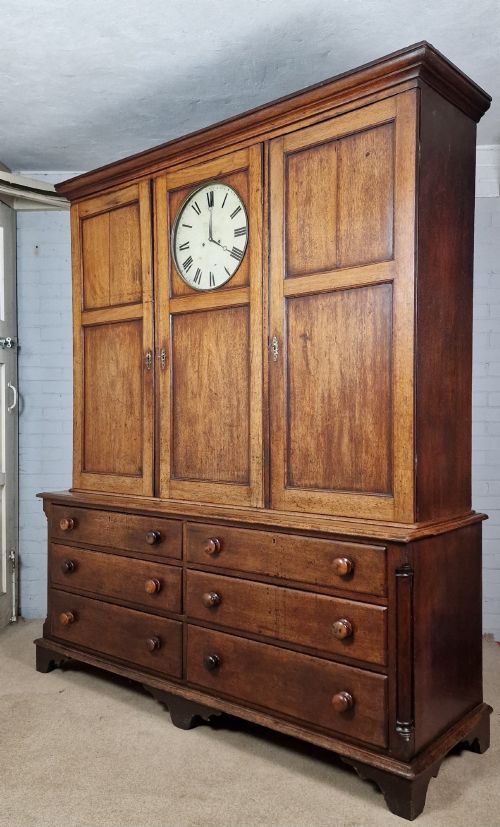
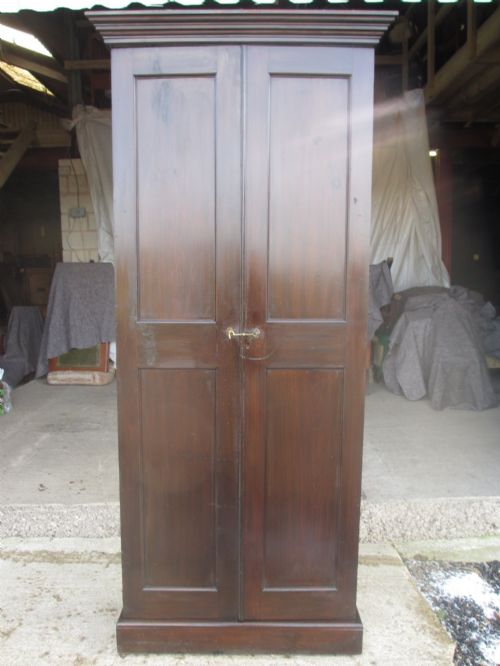
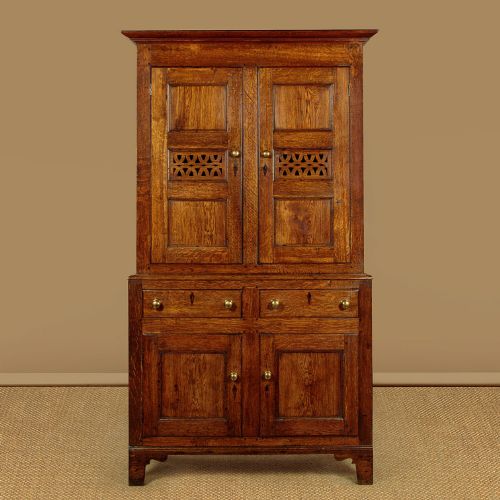
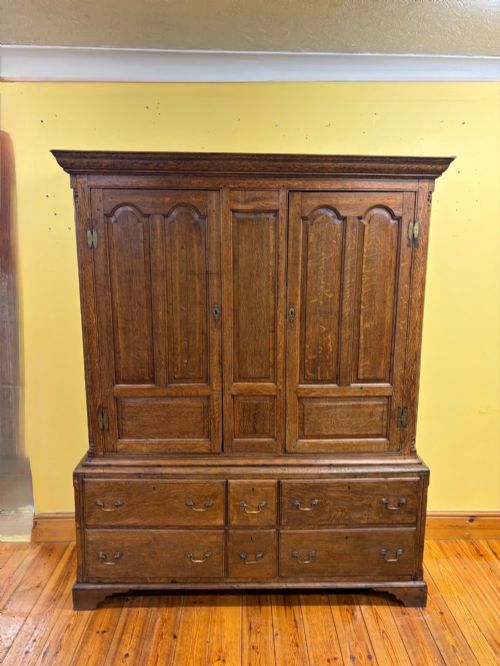
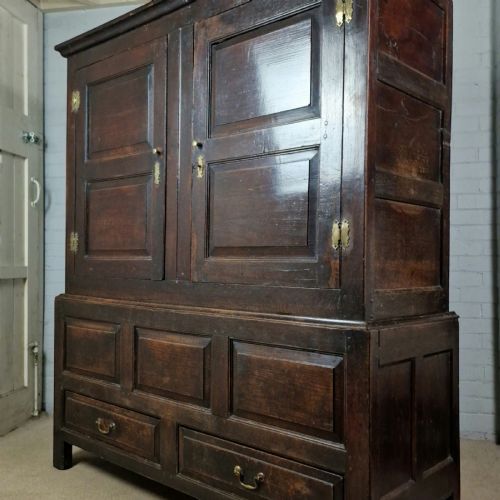
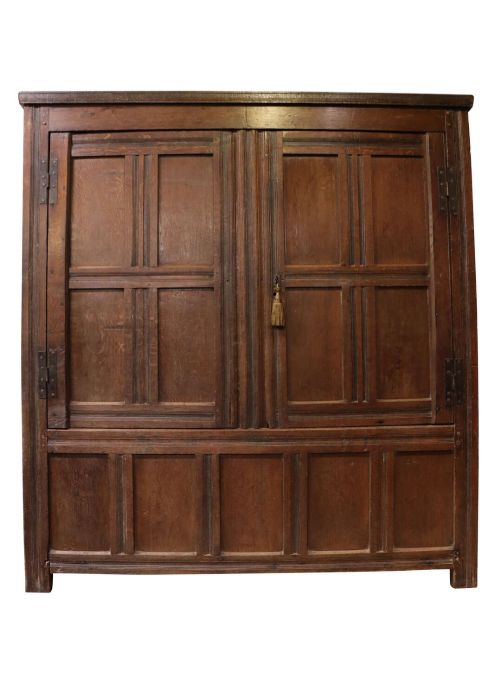
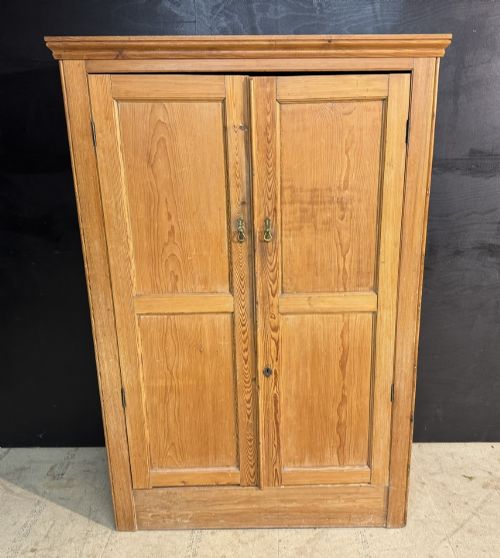
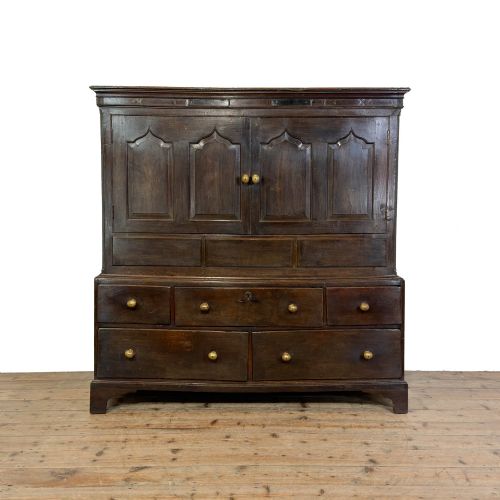
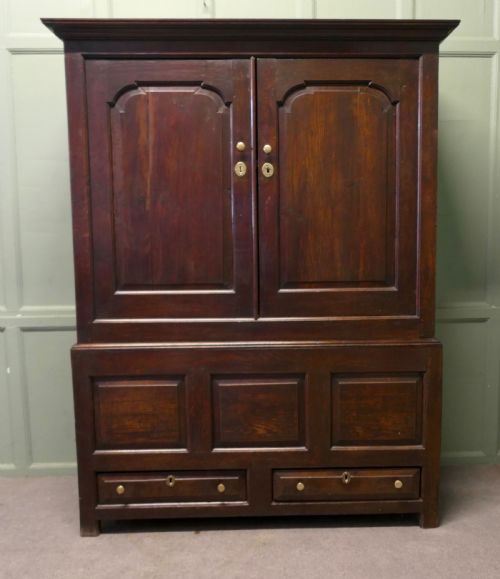
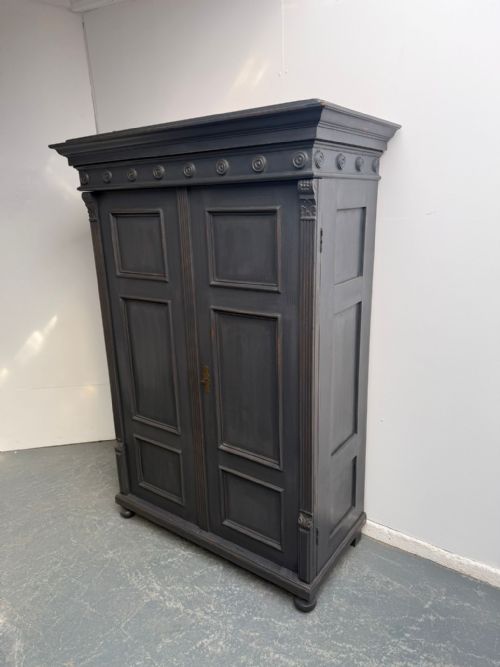
The version most commonly met on this page is the oak or pine cupboard, frequently dated to the eighteenth or nineteenth century. Pieces range from low press cupboards to large modular knockdown wardrobes designed for domestic utility.
Geographic variations span English country workshops, Welsh centres such as Carmarthenshire, and Northern European ateliers. Each regional school contributes distinct proportions and timber selections to the traditional panelled linen press category.
How they were made
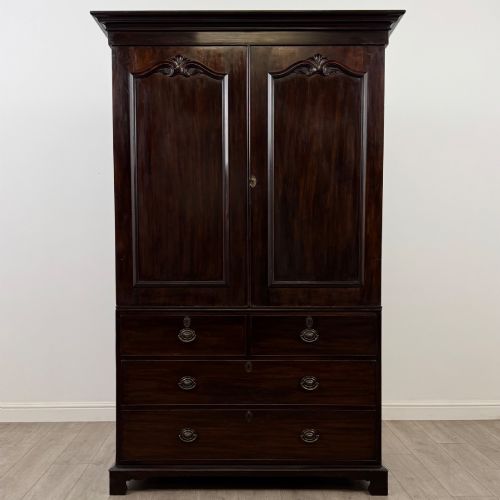
Joiners built traditional panelled linen press furniture predominantly using solid oak, pine, and mahogany. Carpenters utilised durable construction methods such as pegged framing and panelled doors to accommodate seasonal timber movement.
Metalwork details typically involve brass and iron hinges, locks, and handles applied to secure heavy doors and drawers. Surface finishes range from natural waxed patinas to original or later applied paint.
Traditional Panelled Linen Press Retail Price Guide 2026
Typical asking prices for traditional panelled linen press among the pieces listed under this phrase on Sellingantiques today, from the lower quarter to the upper quarter. They describe what is for sale here now, not the wider market.
Regional variations represented on this page include English country workshops, Welsh cabinet makers, and Northern European provincial joinery.
What varies in quality
The primary distinction across traditional panelled linen press items lies in the selection of timber and the integrity of the original construction. Pieces retain greater value when retaining their structural timber without excessive replacement of core framing elements.
Proportion and surface preservation also dictate quality, as untouched waxed surfaces or honest original paint finishes command greater appreciation. Refined architectural mouldings and well-preserved internal configuration distinguish finer vernacular examples from standard utility pieces.
The Traditional Panelled Linen Press Glossary
- Knockdown wardrobe
- A large wardrobe designed to be dismantled into sections for transport and reassembly in homes. This method allowed builders to move bulky furniture through narrow domestic doorways.
- Livery cupboard
- An early form of ventilated storage furniture originally used for food and household provisions before evolving into general linen storage. These pieces frequently feature panelled doors and internal shelving.
- Housekeeper's cupboard
- A large vernacular storage cabinet traditionally used in country houses to store household linen and domestic stores. They combine upper cupboard space with lower drawer or press configurations.
- Press cupboard
- A heavy timber storage piece featuring internal sliding trays or shelves designed to keep folded textiles flat. The term distinguishes linen storage from vertical hanging wardrobes.
- Coffer
- A heavy wooden chest with a hinged lid used for storing garments and valuables. These precursors to the upright press often display robust joined construction.
Traditional Panelled Linen Press: Frequently Asked Questions
What is a traditional panelled linen press?
A traditional panelled linen press is a large wooden storage cabinet designed primarily for holding folded textiles, linens, and garments. These pieces typically feature panelled doors enclosing internal shelves or sliding press trays.
Originating largely in the Georgian and Victorian periods, they were built by regional joiners in oak, pine, and mahogany for country houses and domestic interiors.
How were these cupboards used historically?
Historically, households utilised these large cabinets in bedrooms, landings, and estate housekeeping rooms to protect valuable linen from dust and damp. The upper sections held folded garments or bedding while lower drawers accommodated smaller textiles.
In larger country houses, the housekeeper managed the contents, ensuring household supplies remained organised and secure under lock and key.
How do I date an antique linen press?
Dating relies on observing construction techniques, timber species, and overall architectural style. Eighteenth-century pieces frequently employ dense English or Welsh oak with hand-planed panels and pegged joints.
Nineteenth-century examples often incorporate pine or mahogany, sometimes featuring knockdown construction formats or machine-sawn components introduced during the Victorian era.
How do I fit a large press into a modern home?
Many period storage items, particularly pine and oak examples, were constructed as modular knockdown units specifically to allow easy dismantling and movement. Checking whether the piece separates into distinct upper and lower sections or disassembles entirely helps determine transport feasibility.
Buyers should measure ceiling heights and stairwells carefully before placement, ensuring adequate clearance for substantial cornices and bases.
Should I choose oak or pine?
Oak and pine offer distinctly different visual weights and historical contexts within country furniture. Oak pieces provide dark, richly figured patinas and robust eighteenth-century vernacular styling.
Pine items generally present a lighter, softer aesthetic, often found with waxed finishes or historical painted surfaces suited to country house interiors.