


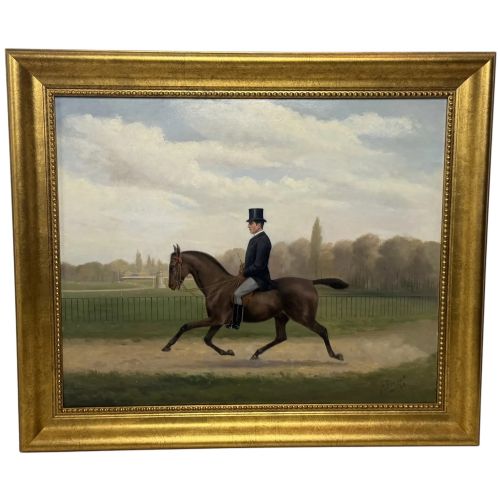


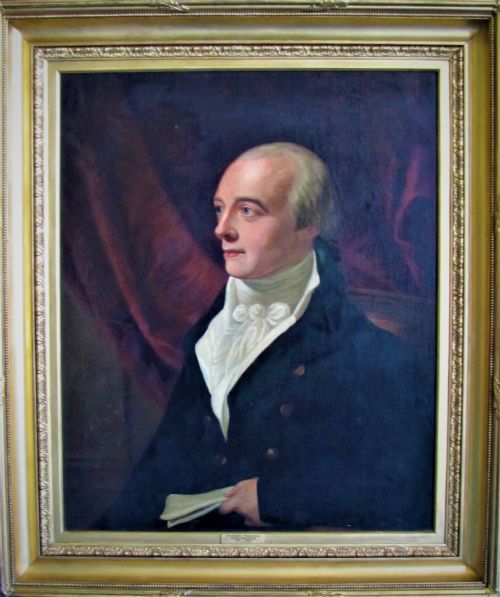

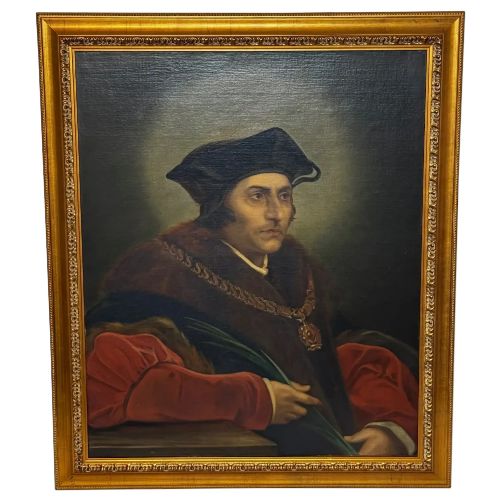


Traditional Oil Painting Gentleman
Traditional oil painting gentleman works capture the presence of historical sitters through enduring portraiture spanning several centuries.
Traditional Oil Painting Gentleman
A traditional oil painting gentleman search reveals historical portraiture depicting male subjects across multiple eras including the Georgian, Victorian, and Edwardian periods. These works capture sitters ranging from physicians and dukes to everyday figures in formal attire, rendered with varying degrees of academic precision.
The most common examples encountered in this selection originate from the nineteenth century, often executed on canvas and housed in period frames. These portraits document the changing fashions of frock coats, neckwear, and facial hair alongside shifting artistic conventions.
Materials and Construction
These works rely primarily on oil paint applied to woven canvas stretched over wooden frames, sometimes accompanied by gold leaf applied to ornate giltwood mouldings. Artists built up layers of pigment to achieve depth in dark clothing and luminosity in skin tones.
Support materials include aged wood panels in earlier pieces, while twentieth-century examples occasionally employ standard commercial canvas boards. Frames frequently utilise carved or composition ornament over a wooden core to complement the visual weight of the painting.
Traditional Oil Painting Gentleman Retail Price Guide 2026
Typical asking prices for traditional oil painting gentleman among the pieces listed under this phrase on Sellingantiques today, from the lower quarter to the upper quarter. They describe what is for sale here now, not the wider market.
Listings span the seventeenth through the twentieth centuries, featuring works executed in oil on canvas and wood panels.
Evaluating Academic Merit
Quality separates through the anatomical precision of the hands and face, where skilled portraitists command shadow and light to suggest bone structure beneath the skin. Weaker works often display stiff postures and flat planes in the background drapery.
The handling of texture in garments, such as the weave of a woollen frock coat or the sheen of silk cravats, distinguishes accomplished hands from routine studio output. Furthermore, the originality of the matching frame contributes significantly to the integrity of the piece.
Sir Thomas More·Sir Joshua Reynolds·Stephen Pearce·John Arthur Lomax·Frank Moss Bennett·Heywood Hardy·George Hayter·Michael Dahl·Giovanni Battista Moroni·Arthur Spooner·James Archer·John Opie
The Traditional Oil Painting Gentleman Glossary
- Oil on Canvas
- Pigment mixed with drying oil applied to a woven fabric support. This combination allows for rich blending and enduring flexibility.
- Giltwood
- Wood carved and covered with a thin layer of gold leaf or metal powder. It provides a reflective border that isolates the portrait from its surroundings.
- Genre Painting
- Depiction of aspects of everyday life by subjects engaged in non-portrait activities. These scenes often include gentlemen in narrative settings.
- English School
- A classification for works produced by artists trained or working in Britain. It spans several centuries of distinct regional portraiture.
Traditional Oil Painting Gentleman: Frequently Asked Questions
How do I identify the period of a portrait?
Clothing styles, collar shapes, and hairstyles offer the most reliable clues for dating historical portraits. Examining the construction of the stretcher frame and the type of canvas can also provide supporting evidence.
Written inscriptions on the reverse of the canvas often record the sitter's identity and the date of execution. Comparing these details with known portraiture conventions helps narrow down the decade of creation.
What is the difference between a formal portrait and a genre scene?
A formal portrait focuses primarily on a specific individual sitter, often commissioned to record social status or likeness. The subject typically poses deliberately for the artist.
Genre scenes depict gentlemen participating in everyday activities, such as playing bowls or visiting a blacksmith. These works prioritize narrative action and atmospheric interaction over individual likeness.
How should I care for an antique oil painting?
Protect the canvas from direct sunlight and maintain stable indoor humidity to prevent paint cracking or canvas warping. Avoid using liquid cleaners on the painted surface.
Dust the frame and canvas gently with a soft, dry brush or microfiber cloth. Professional conservationists should handle any deeper cleaning or varnish removal.
Why do some portraits feature attributed artists rather than signatures?
Many historical paintings were produced within busy workshops where master artists collaborated with assistants, leaving works unsigned. Attributions rely on stylistic similarities, historical documentation, and expert consensus.
Signatures were sometimes added later or omitted entirely when a piece was commissioned for domestic display rather than public exhibition. Connoisseurship examines brushwork techniques to suggest likely authorship.