

Traditional Oil Painting Art
Traditional oil painting art captures centuries of portraiture, landscapes, and still lifes rendered on canvas or wood.
Traditional Oil Painting Art
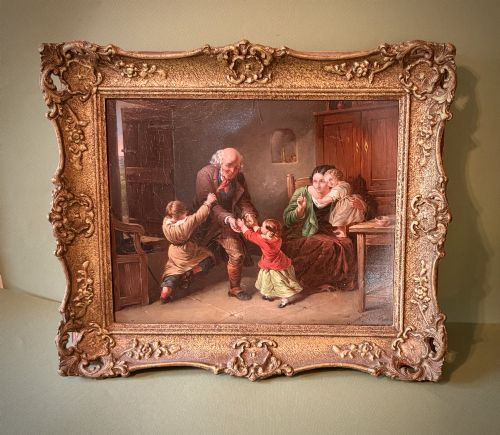
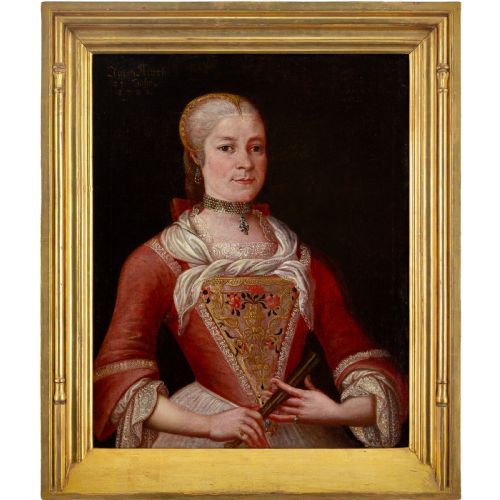
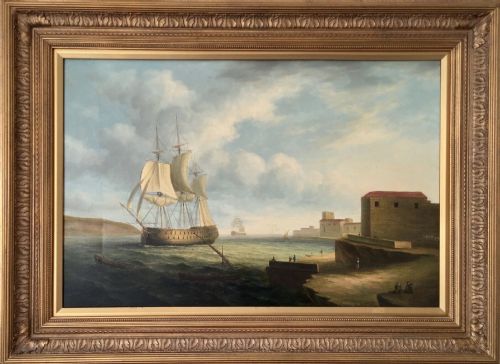
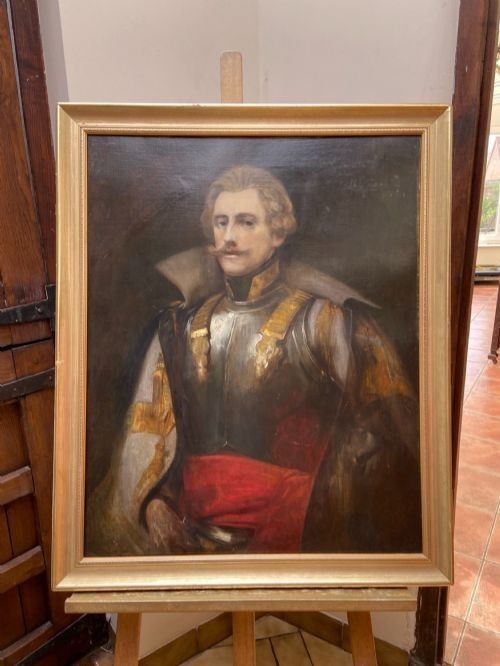
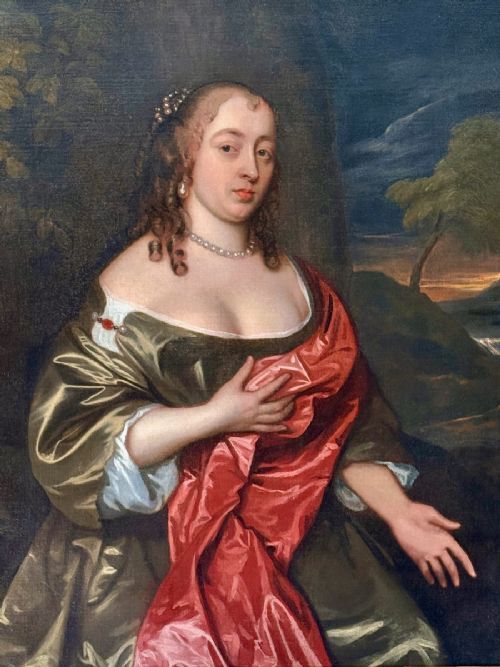
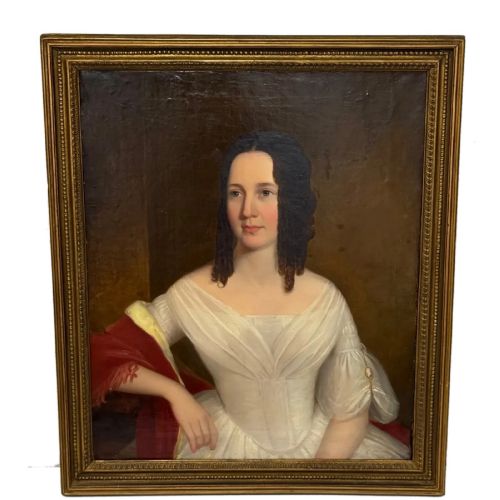
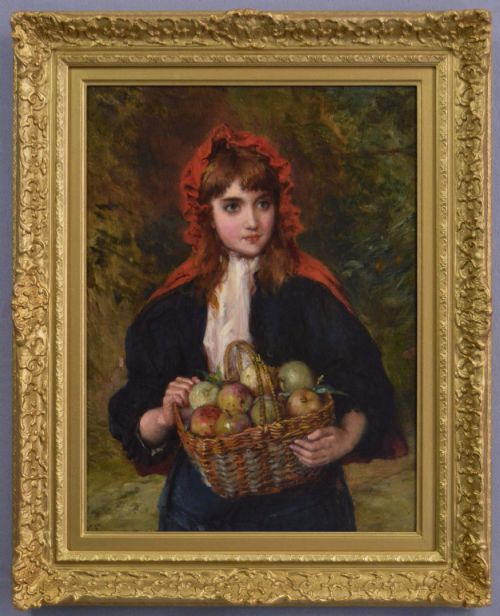
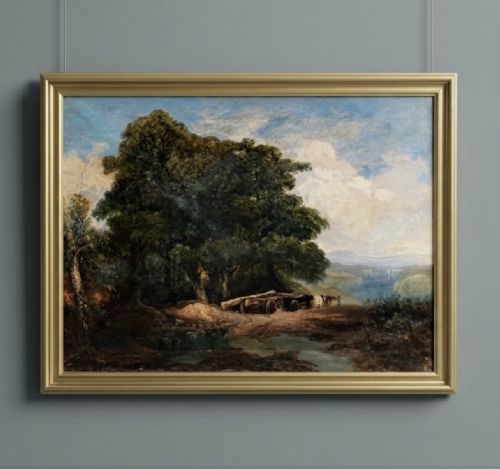
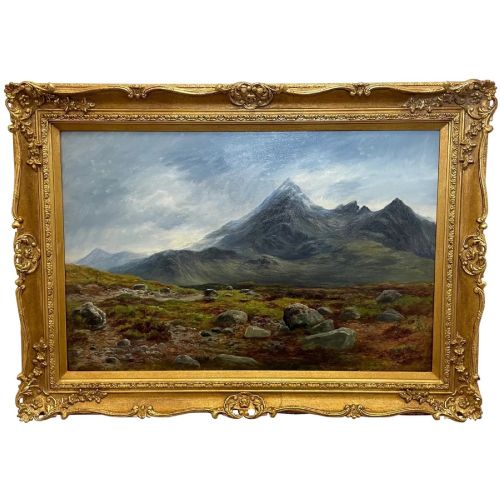
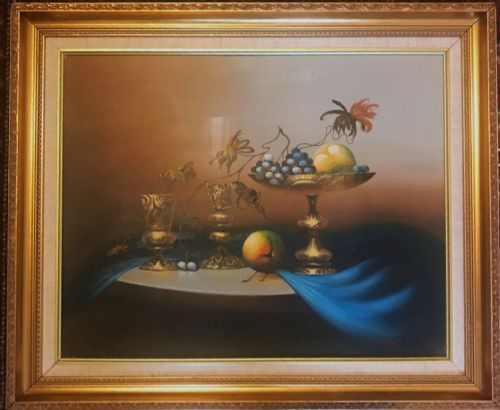
Traditional oil painting art encompasses works executed from the seventeenth century through to the mid twentieth century, covering diverse subjects such as portraits, landscapes, marine scenes, and still lifes. Buyers searching this phrase encounter canvases and wood panels depicting human subjects, animals, flowers, and pastoral views.
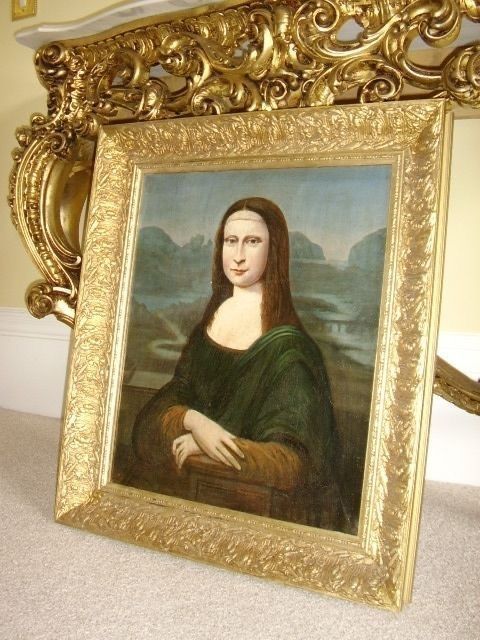
The pieces on this page originate from British, Scottish, French, Flemish, and Dutch schools, spanning periods from the 17th century to 1960. Styles range from Baroque and Victorian to Classical Realism and Edwardian portraiture, alongside copies after masters like Leonardo da Vinci and Francisco Goya.
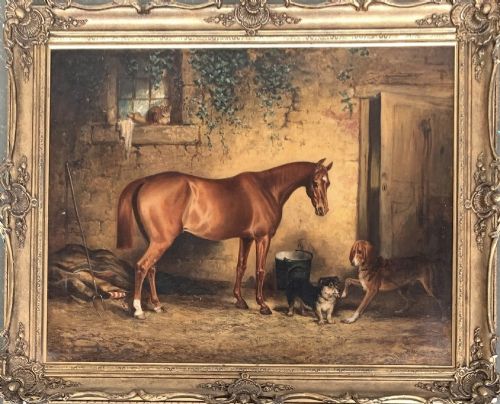
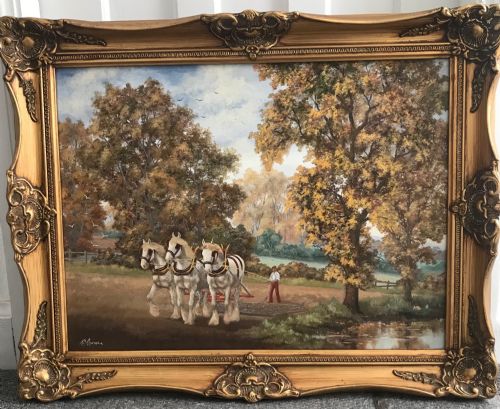
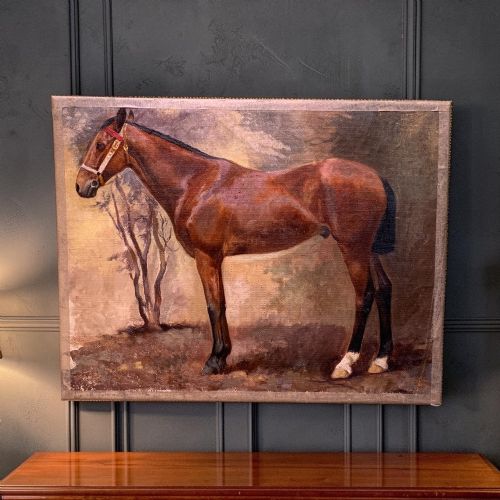
Subjects vary widely, from monumental floral arrangements and horse portraits to pastoral landscapes with sheep and detailed depictions of historical figures. Many works are signed by named artists or attributed to specific historic schools, housed in period frames including gilt wood and gilt gesso.
How they were made
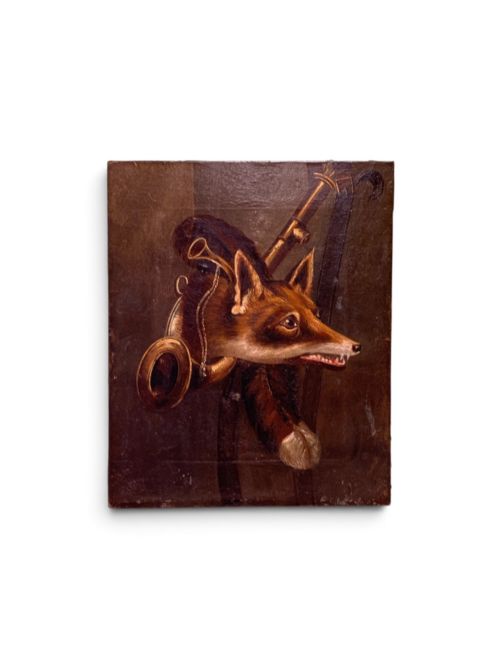
Artists painted primarily using oil paint applied to woven canvas supports or prepared wood panels and boards. These surfaces provided the smooth texture and longevity necessary for building layered compositions.
Many works incorporate ornate gilt frames, gilt wood, or gilt gesso surrounds finished with gold leaf. These frames complement the depth and richness of the pigments used in the painted scenes.
Represented styles span Victorian, Edwardian, Georgian, Baroque, and various regional realism schools.
What varies in quality
The standard of execution in traditional oil painting art rests on the handling of light, brushwork precision, and anatomical or spatial accuracy. Finer examples display meticulous detail in human portraits, animal forms, and botanical still lifes, whereas simpler works rely on broader stylistic conventions.
Framing also distinguishes the pieces, with original gilt wood and elaborately moulded gesso frames adding substantial visual weight and period authenticity compared to plain or later replacements.
John Hayls·William Oliver·Richard Sebastian Bond·William Beattie-Brown·Jozsef Molnar·William H Myers·George Graham·Tom Campbell·William Howard Hardy·George Willison·John Horace Hooper·William McAlpine·Reginald Arthur Borstel·William Joseph Shayer Senior·Hendrik Willem Schweickhardt·Alfred Fontville de Breanski Jr
The Traditional Oil Painting Art Glossary
- Oil on Canvas
- Pigment mixed with drying oil applied to a stretched woven fabric support. This combination allows for rich blending and textured brushwork.
- Gilt Wood
- Timber carved and coated with gold leaf or metallic gilt powder. It forms the decorative border around many period paintings.
- Wood Panel
- A rigid wooden board utilised as a painting surface before stretched canvas became dominant. These panels offer a stable foundation for detailed brushwork.
- Still Life
- An artwork depicting inanimate subject matter, typically commonplace objects such as fruit, flowers, or game. These compositions focus on texture, light, and arrangement.
- Gesso
- A paint mixture consisting of a binder mixed with chalk, gypsum, or pigment. It prepares wood or canvas surfaces to receive oil paint.
Traditional Oil Painting Art: Frequently Asked Questions
How are these paintings supported?
Works utilise woven canvas supports or rigid wood panels and boards. These traditional grounds received layers of oil paint applied by artists from diverse European schools.
Many pieces retain their original surrounds, including gilt wood and gesso frames finished with gold leaf.
Which periods do these artworks represent?
The selection spans from the seventeenth century through the Victorian and Edwardian eras up to 1960. Pieces reflect the artistic standards of the 18th century, 19th century realists, and early 20th century painters.
Dates range from specific early works dated 1624 to mid twentieth century equine and portrait studies.
Are the paintings signed by artists?
Several works feature signatures by period artists or clear attributions to historical painters and schools. Other pieces are historic copies after masters such as Leonardo da Vinci and Francisco Goya.
Listings also include unsigned works attributed to specific regional schools like the 17th Century English School or 19th Century French School.