


Traditional Oil Floral Artwork
Traditional oil floral artwork brings centuries of botanical study into interior spaces through layered pigment and canvas.
Traditional Oil Floral Artwork
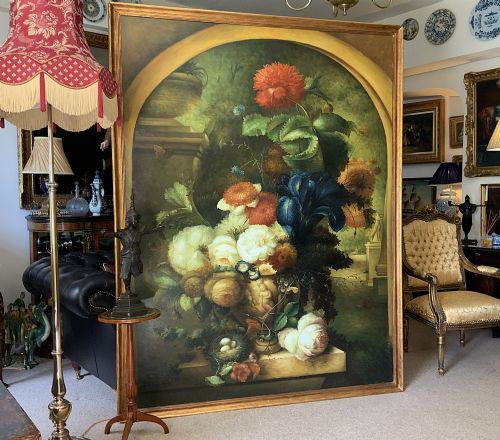
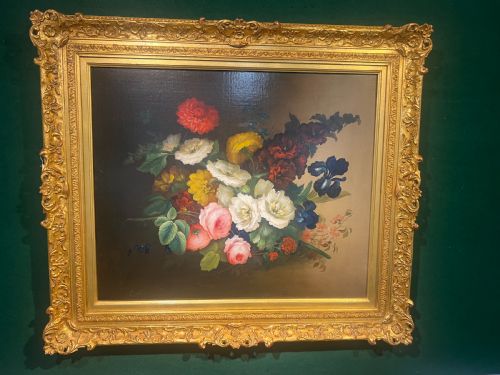
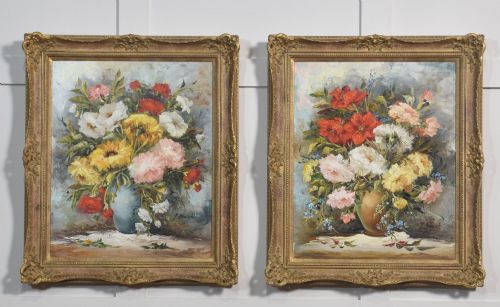
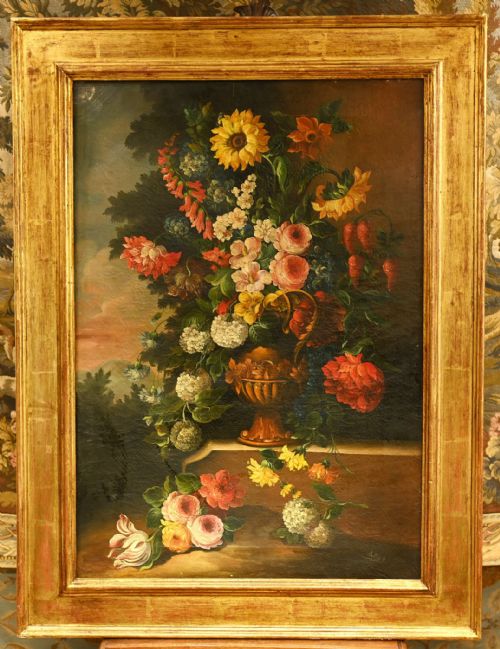
Traditional oil floral artwork encompasses centuries of painted botanical compositions, ranging from small cabinet pieces to monumental canvases. The selection spans 18th-century compositions and revival pieces alongside British Impressionist and Post-Impressionist works.
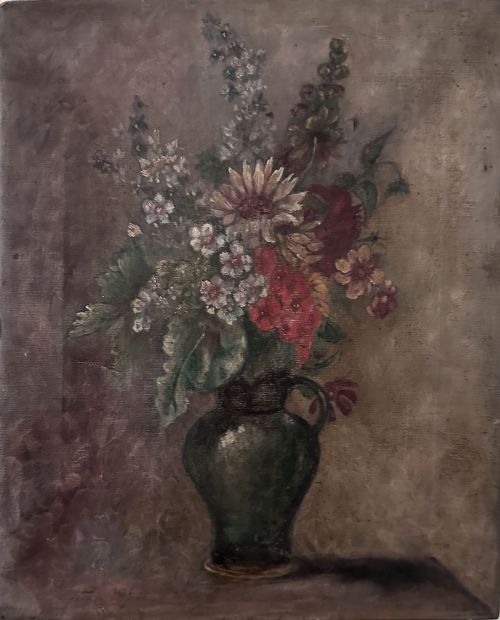
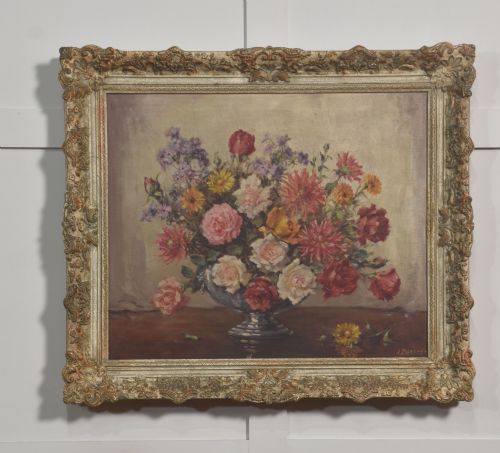
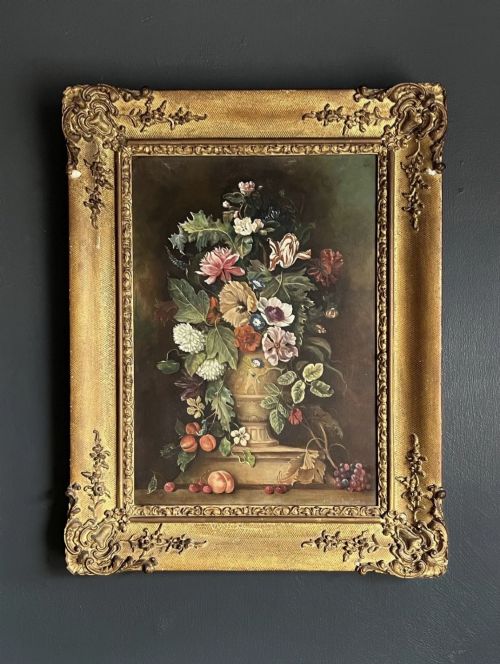
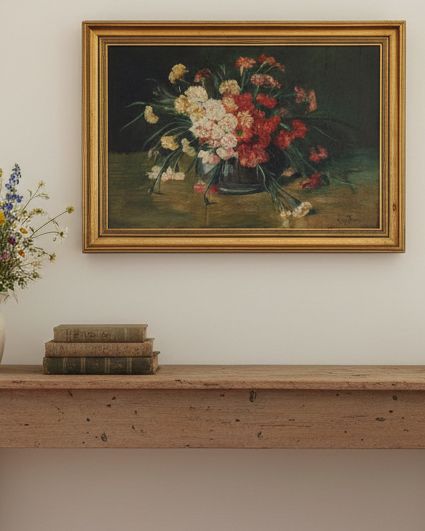
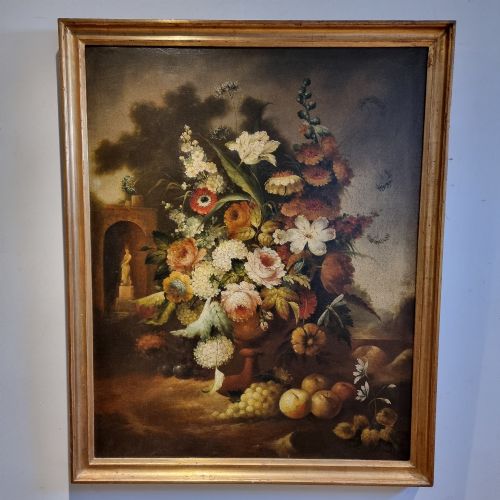
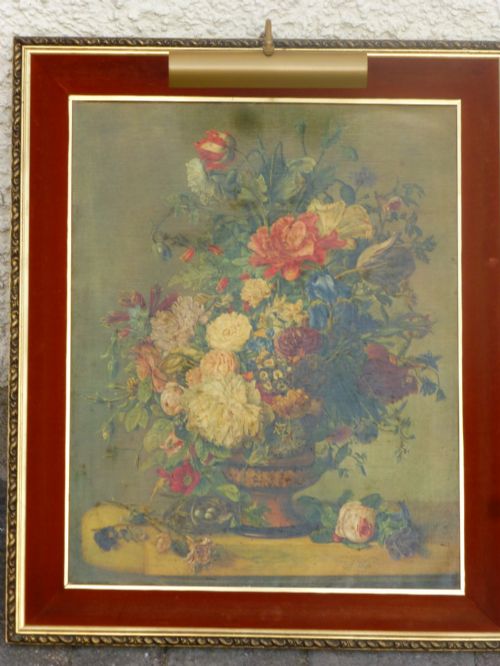
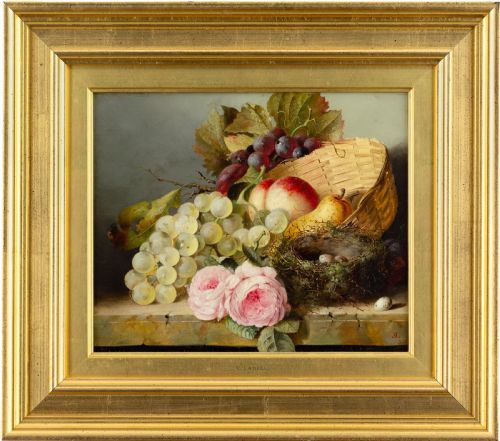
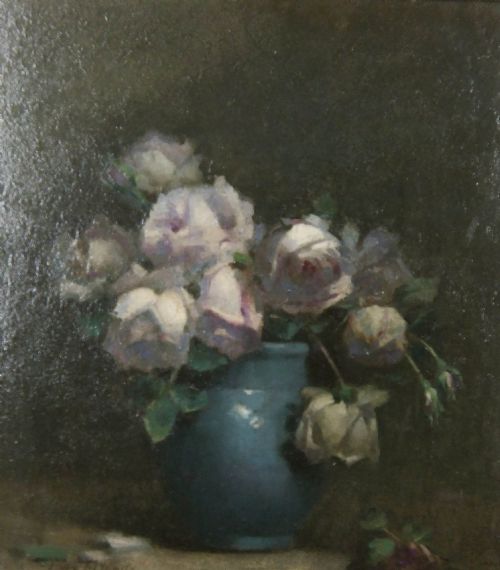
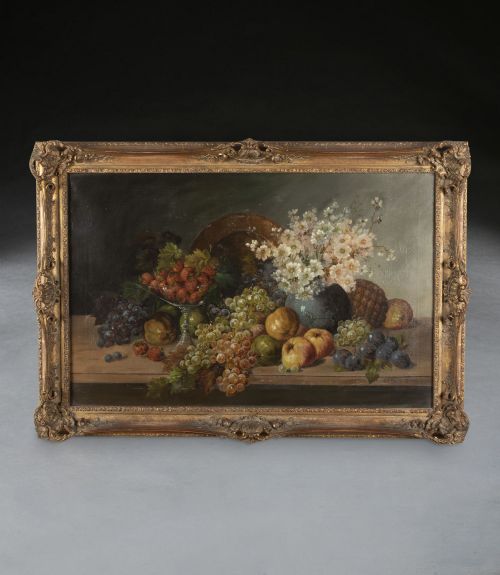
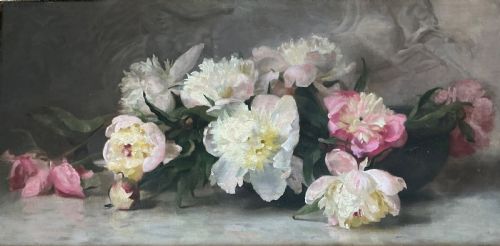
Most pieces encountered here take the form of framed still life studies depicting roses, peonies, lilies, and mixed spring flowers. These works originate from British, Dutch, Flemish, and Swiss hands, capturing blooms arranged in vases, baskets, or upon draped surfaces.
Materials and Technique
Makers laid oil paint onto stretched canvas or wooden panels, frequently utilising gesso to build decorative relief on wooden frames. Gilding with gold leaf often frames these compositions, adding luminosity to the painted botanical subjects.
Artists built depth through successive layers of pigment, balancing detailed petal arrangements with softer background washes. Brushwork ranges from tight, academic precision in the manner of Dutch Golden Age revivals to looser, more expressive strokes seen in British Impressionism.
Canvas and oil paint dominate the material evidence, supported by gilded wood and gesso frames across multiple centuries.
Judging Quality
Quality rests in the handling of light across petals and foliage, distinguishing confident brushwork from rigid copying. Superior examples capture botanical accuracy while maintaining tonal harmony across the arrangement and its supporting vessel.
The integration of the artwork with its period frame contributes significantly to the integrity of the piece. Original gilt gesso frames designed specifically for the canvas elevate the presentation far beyond later replacements.
I. Berezny·Edward Ladell·Edwin Steele·Manuela Bonati·William Thomas Wood·Gertrude Hayes·Owen Bowen·Calzolari·Robin MacKertich·Henry Schouten·Pierre-Joseph Redouté·Emily Selinger·Margaret Evangeline Wilson·Harold Edward Conway·Edgar Bundy·Ralph Hedley·Fred Merriman·Jules Felix Ragot
The Traditional Oil Floral Artwork Glossary
- Canvas
- A heavy woven fabric used as a surface for painting. Stretched tightly over a wooden frame, it provides the primary support for the majority of these oil works.
- Gesso
- A plaster mixture applied to wood or canvas to prepare a smooth surface for painting or to build up decorative relief mouldings on frames.
- Dutch Golden Age Style
- An aesthetic revival drawing on seventeenth-century realism and dramatic lighting. These compositions feature dense floral arrangements against dark backgrounds.
- Impressionism
- An art movement prioritising visible brushstrokes and the shifting qualities of natural light. British interpretations in this medium soften botanical forms with atmospheric light.
Traditional Oil Floral Artwork: Frequently Asked Questions
What periods do these floral oil paintings cover?
The selection includes works from the eighteenth and nineteenth centuries, alongside early to mid-twentieth-century pieces.
Revival styles also appear, referencing earlier Dutch and Flemish traditions through later artistic interpretations.
How were these floral paintings displayed originally?
These works hung in domestic reception rooms, parlours, and country houses as decorative window into botanical colour.
They were customarily set within heavy wooden frames, often finished in gilt gesso to complement interior furnishings.
How do I care for an antique oil painting?
Keep paintings away from direct sunlight, high humidity, and rapid temperature fluctuations to protect the canvas and paint layers.
Dust the surface very gently with a dry, soft brush without applying pressure to the impasto or canvas.
Are these paintings signed by the artists?
Many pieces feature visible artist signatures, inscribed either directly onto the paint surface or recorded within the history of the work.
Unsigned examples are typically attributed to specific schools or periods based on technique and stretcher construction.