




Traditional Oak Tavern Table
A traditional oak tavern table brings rugged utility and centuries of shared history into a modern room.
Traditional Oak Tavern Table
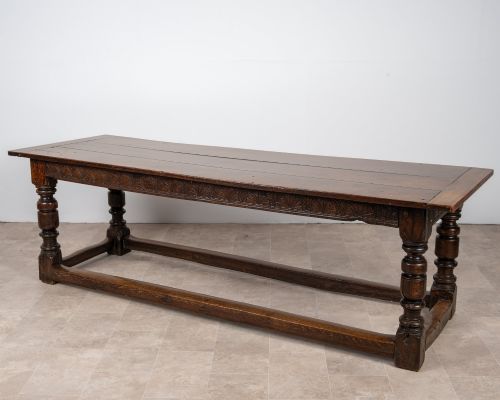
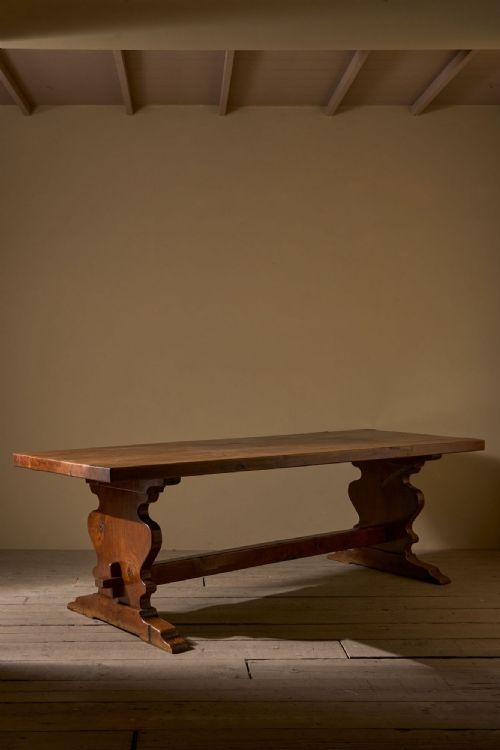
A traditional oak tavern table represents a sturdy surface built for daily hospitality, community dining, and public house use. These tables span several centuries of British cabinet-making, featuring heavily in periods from the seventeenth century through to Edwardian interpretations.
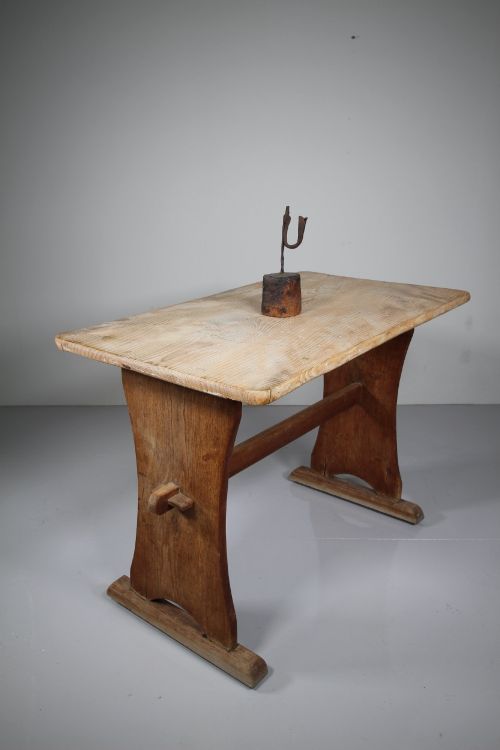
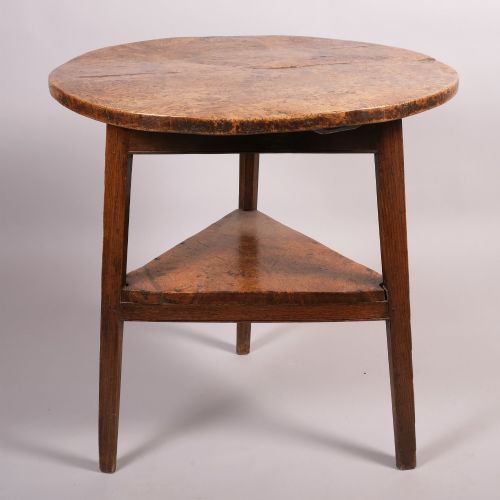
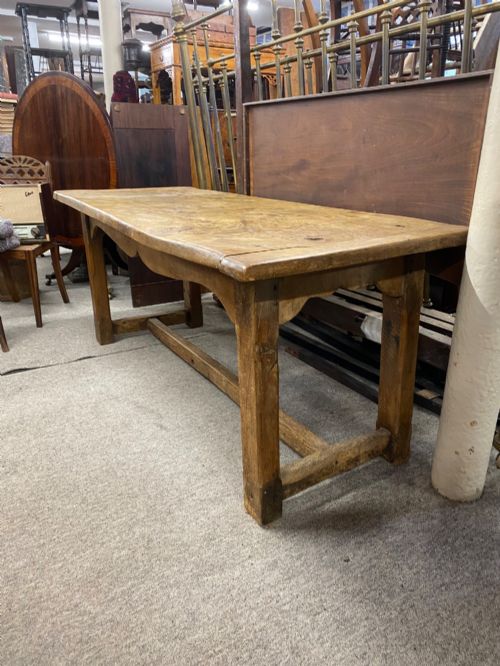
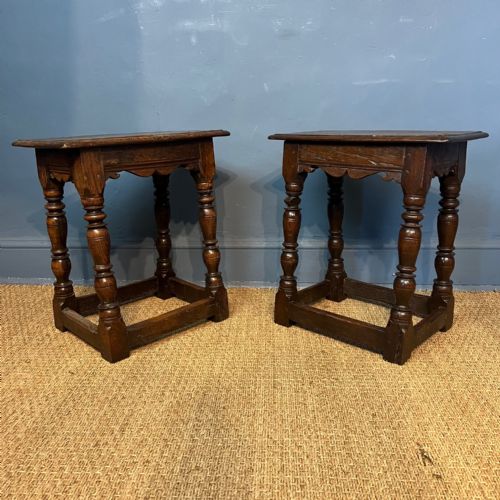
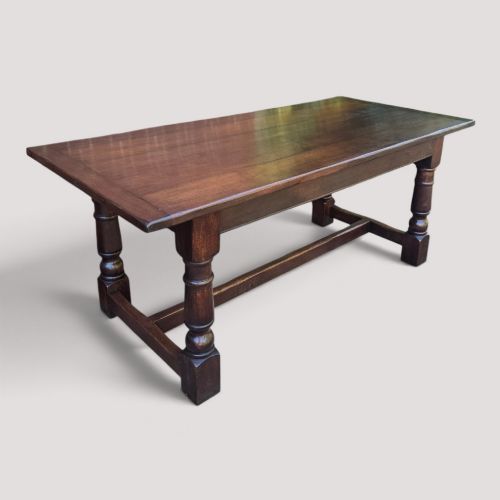
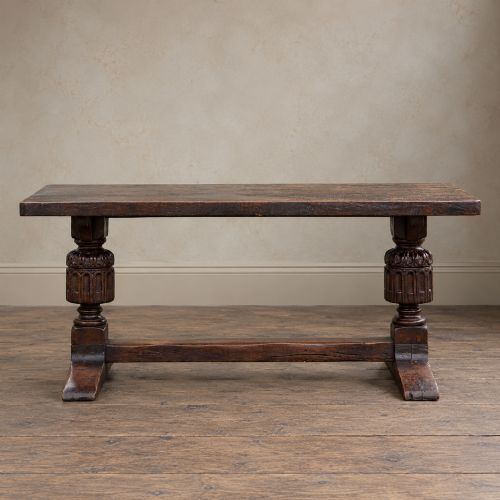
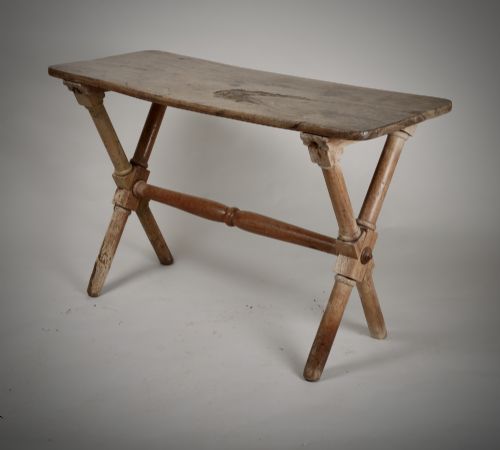
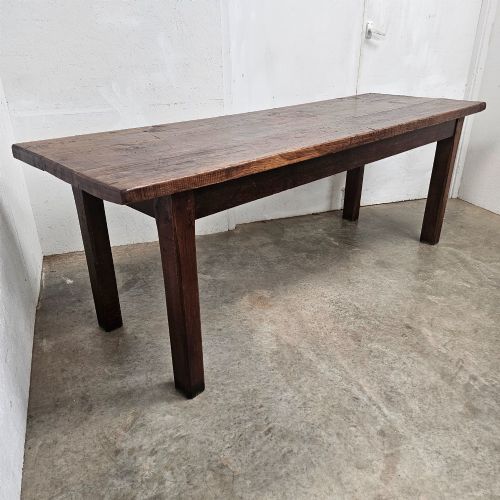
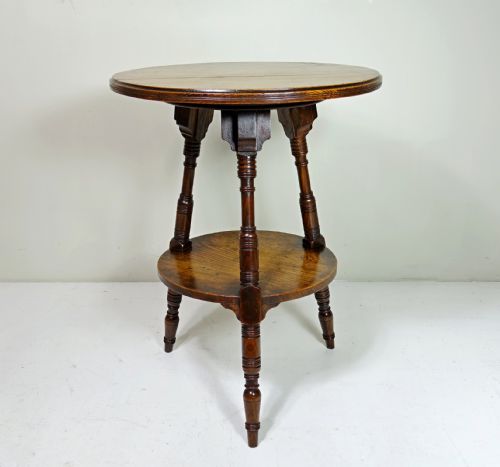
The versions most commonly met on this page include robust refectory dining tables, compact side tables, and occasional cricket tables with distinctive three-legged frames. Makers utilised local hardwoods to construct pieces capable of withstanding heavy usage.
Forms vary from long refectory formats down to small low side tables, incorporating materials such as elm, pine, and mahogany alongside solid oak. Buyers encounter rustic country styles, Jacobean revival motifs, and Georgian proportions across the selection.
What varies in quality
Quality rests in the integrity of the timber selection and the presence of thick, substantial top boards rather than thin veneers. Tables featuring single plank elm or solid oak demonstrate superior construction standards compared to later composite builds.
The depth of colour and natural patina developed over generations distinguishes finer examples from simpler provincial pieces. Proportions and the balance between stretcher rails and legs define the visual harmony of each table.
Traditional Oak Tavern Table Retail Price Guide 2026
Typical asking prices for traditional oak tavern table among the pieces listed under this phrase on Sellingantiques today, from the lower quarter to the upper quarter. They describe what is for sale here now, not the wider market.
Listings feature periods spanning the seventeenth century through to nineteen-twenty, incorporating solid oak, elm, mahogany, and pine.
The Traditional Oak Tavern Table Glossary
- Refectory table
- A long dining table historically used in monasteries or large communal halls for shared meals. These forms feature prominently among seventeenth and nineteenth-century examples.
- Cricket table
- A small, lightweight occasional table supported by three legs designed to remain stable on uneven floors. These frequently incorporate circular elm or pollard oak tops.
- Patina
- The surface sheen and softening of wood colour acquired through decades of polishing, handling, and exposure to light. Georgian and earlier pieces often exhibit rich patination.
- Stretcher
- A horizontal wooden rail connecting the legs of a table to provide structural rigidity. These elements are essential for supporting heavy hardwood tavern tops.
Traditional Oak Tavern Table: Frequently Asked Questions
How are traditional oak tavern tables cleaned?
Dust surfaces regularly with a dry, soft cloth to prevent particulate buildup on the historic timber. Avoid chemical sprays that strip the natural wax and finish accumulated over centuries.
Apply a traditional beeswax sparingly when the wood appears dry, buffing gently to maintain the soft sheen. Protect the surface from excess moisture and direct heat sources to preserve the antique grain.
Can I use a tavern table for daily dining?
These tables were originally engineered for rigorous daily use in public houses and communal dining spaces. Their robust hardwood construction handles regular family meals without structural compromise.
Use felt pads under heavy serving dishes and placemats under hot plates to protect the historic surface. The durable nature of solid oak and elm ensures these surfaces adapt well to modern dining rooms.
What is the difference between a refectory and a tavern table?
Refectory tables traditionally present longer, narrower proportions designed for institutional or grand domestic dining halls. Tavern tables tend to offer more compact footprints suited for hospitality and smaller rooms.
Both forms utilise heavy oak or elm tops supported by sturdy stretcher bases and straightforward framing. Overlapping revival styles mean individual pieces often blend elements of both categories.
How do I identify a seventeenth century oak table?
Seventeenth century examples display deep patination, pegged mortise and tenon joints, and visible hand-tool marks on the timber. The construction methods reflect pre-industrial joinery where every component was individually shaped.
Later Jacobean revival pieces from the nineteenth or twentieth century often replicate these motifs with machine-sawn precision. Examining the underside and joint wear helps distinguish period construction from later interpretations.