
Traditional Oak Storage Cabinet
A traditional oak storage cabinet brings together sturdy timber and practical utility, offering robust shelving and drawers suited to daily use.
Traditional Oak Storage Cabinet
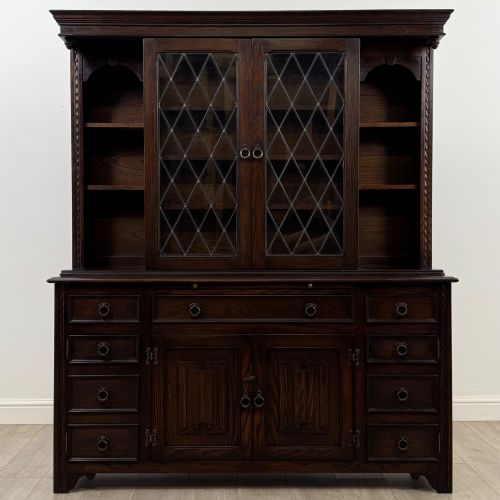
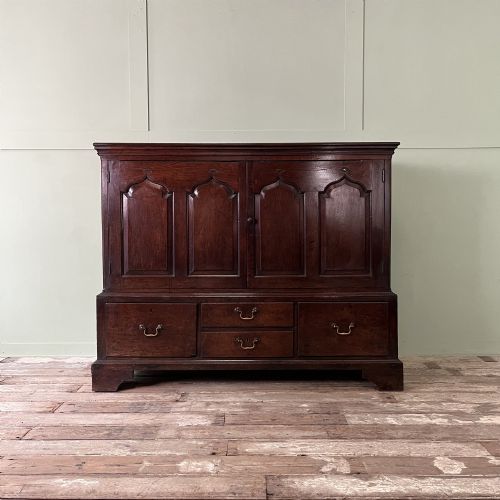
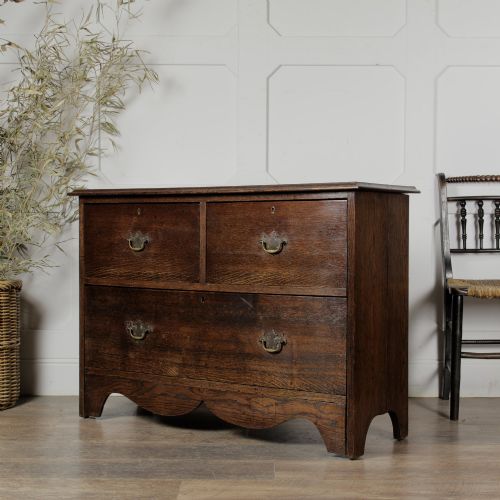
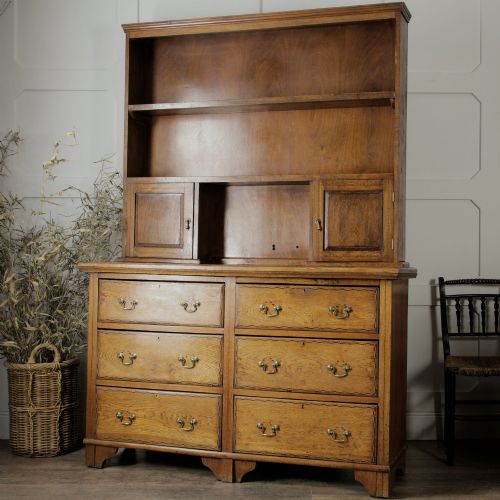
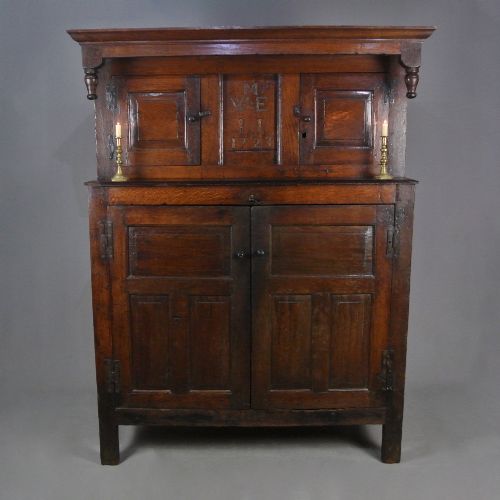
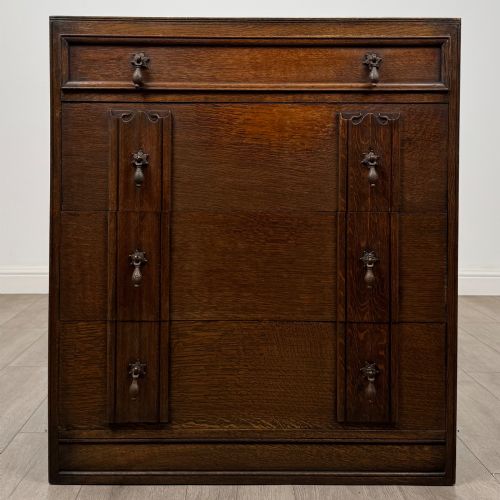
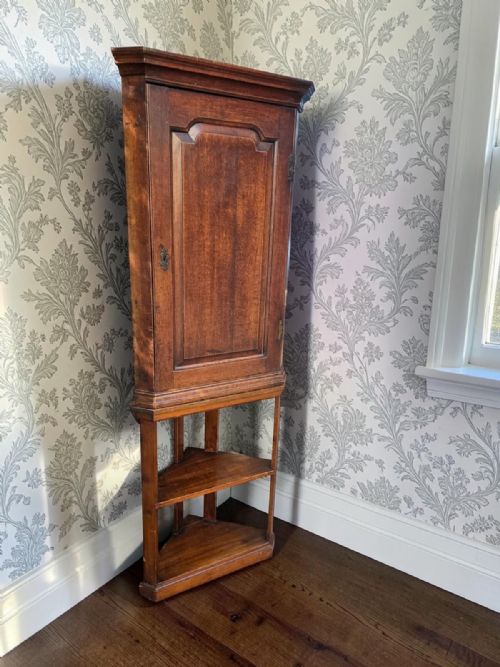
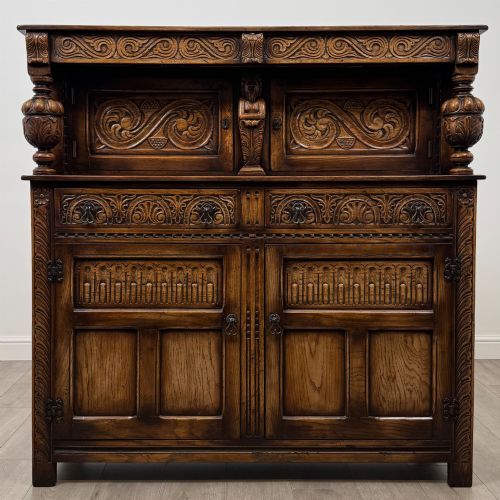
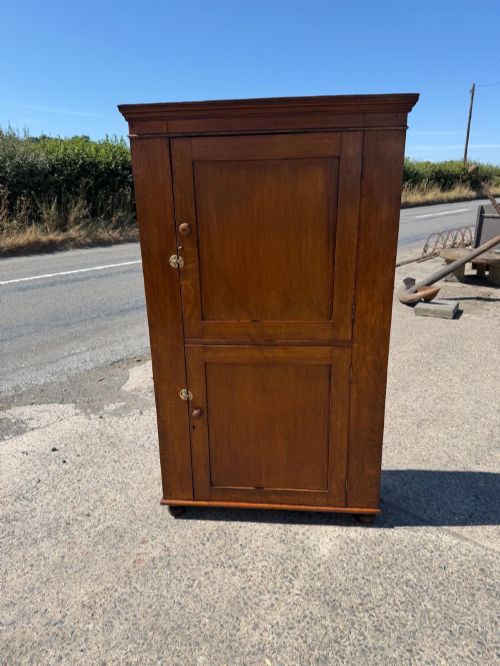
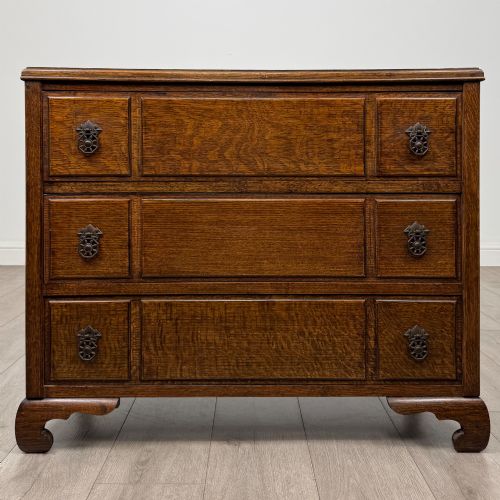
When searching for a traditional oak storage cabinet, buyers encounter a diverse selection of furniture spanning multiple centuries, from 18th-century country pieces to Edwardian and later interpretations. These functional items take many forms, including court cupboards, dresser bases, linen presses, corner cupboards, and chests of drawers.
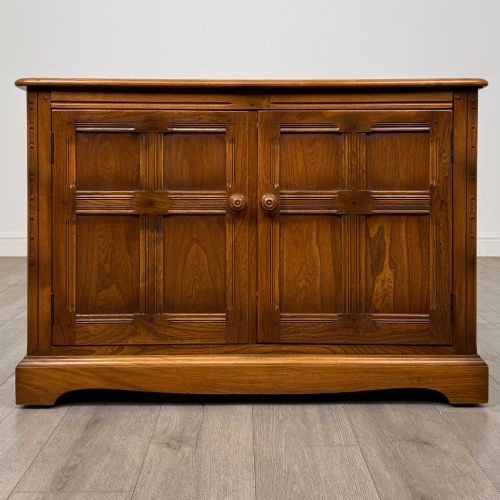
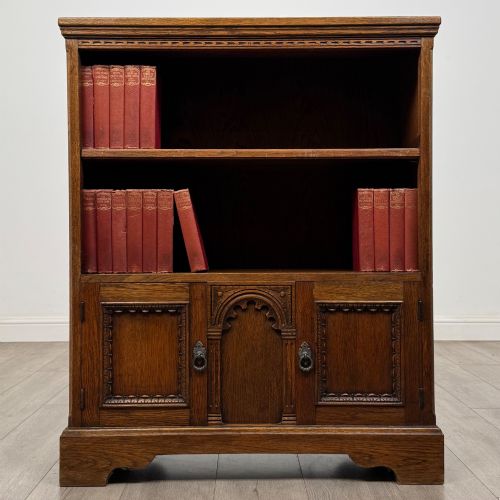
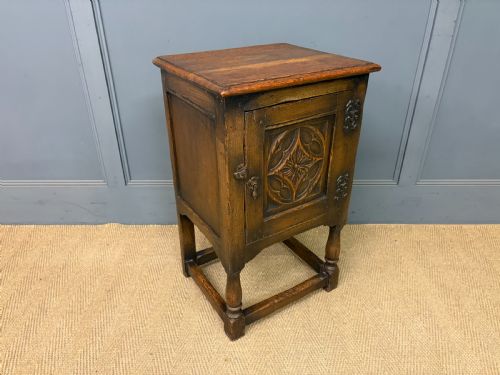
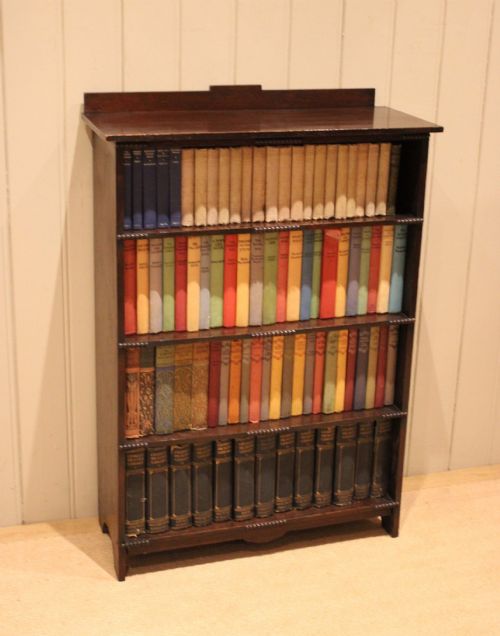
The pieces available on this page are predominantly Edwardian and 20th-century creations, alongside earlier Georgian and 18th-century examples. Common domestic formats range from small bedside cabinets and open bookcases to large hall wardrobes and food cupboards.
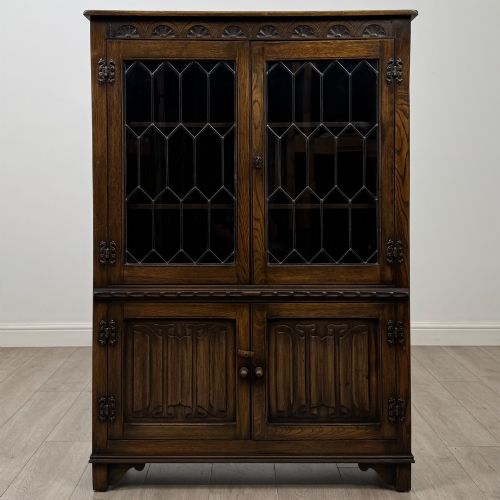
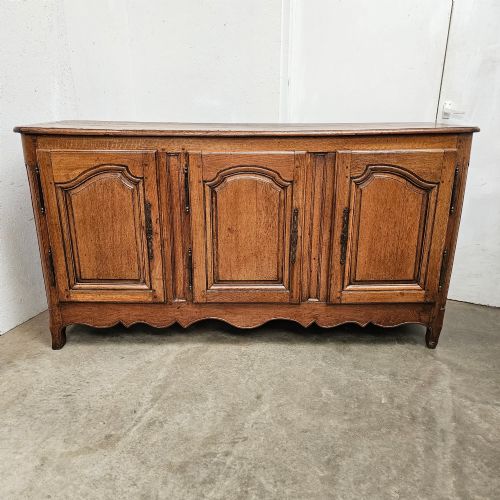
Stylistic influences vary widely across the inventory, encompassing Jacobean Revival, Tudor Revival, English Country, and French Provincial designs. Buyers will find both plain utility pieces and heavily carved or panelled variants suited to period interiors.
Judging Quality and Craftsmanship
Quality in these cabinets rests upon the selection of the timber and the depth of the cabinetmaker's skill in handling solid oak. Superior pieces display carefully matched grain, precise joinery, and substantial weight, distinguishing them from simpler utility furniture.
Carving and decorative elements also separate standard items from finer works. Crisp hand-carved motifs, linenfold panels, and well-executed revival styles indicate a higher grade of craftsmanship than flat, machine-produced surfaces.
Listings feature oak alongside brass, iron, and glass elements across periods ranging from the 17th century style through to the 1930s.
The Traditional Oak Storage Cabinet Glossary
- Court cupboard
- A traditional enclosed piece of furniture used for storing provisions or plate, typically featuring upper and lower tiers with carved decoration. These date from the 17th century revival through to the early 20th century.
- Linenfold
- A style of wood carving resembling folded linen, frequently used on the panels of 18th-century and Edwardian oak cupboards and chests.
- Dresser base
- A low cabinet featuring drawers or cupboards, originally used in kitchens for food preparation and storage.
- Enfilade
- A long sideboard or cabinet with multiple doors, originating in French interior design and executed in oak.
- Bow front
- A convex curved front section found on cabinets and chests of drawers, designed to soften the profile of the furniture.
Traditional Oak Storage Cabinet: Frequently Asked Questions
How do I date a traditional oak cabinet?
Dating relies on observing construction methods, hardware, and stylistic revival markers. Earlier pieces from the 17th and 18th centuries feature hand-cut joints and pegged frames, whilst Edwardian and later items often display machine milling and standardised fittings.
Stylistic cues such as Jacobean revival linenfold panels or plain Georgian proportions further assist in establishing the era of manufacture.
Where were these cabinets placed in a home?
Historically, oak storage cabinets served utilitarian roles in kitchens, halls, and dining rooms. Dresser bases and food cupboards kept provisions secure, whereas corner cupboards utilised dead space in smaller rooms.
Today, these versatile pieces function equally well in modern living spaces for tableware, media storage, or general household organisation.
Are these cabinets made of solid oak?
The majority of pieces listed utilise solid oak throughout their primary framework, panels, and drawer construction. Regional pieces from various centuries prioritize durable native hardwoods to ensure longevity.
Certain later pieces incorporate complementary internal timbers, but the exterior surfaces and structural elements remain solidly oak.
What is the difference between a court cupboard and a standard cupboard?
A court cupboard typically incorporates a stepped or multi-tiered design with decorative enclosed upper sections and recessed lower storage. Standard cupboards present a uniform vertical or horizontal profile with simple shelving or hanging space behind doors.
Court cupboards frequently showcase more elaborate carving and revival styling.