


Traditional Oak Steps
Traditional oak steps bring solid timber utility and clever domestic transformation to the room.
Traditional Oak Steps
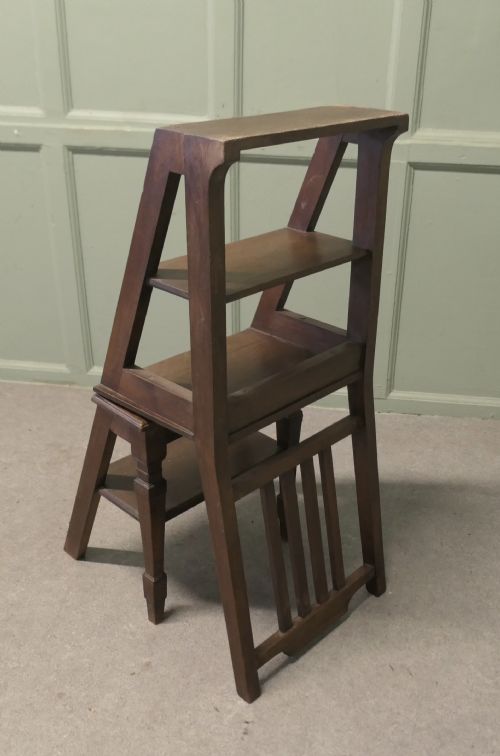
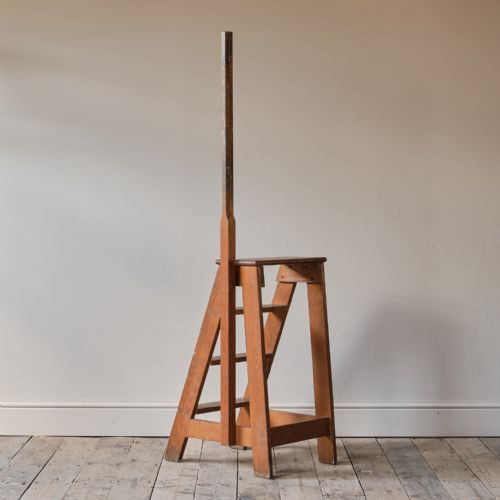
Traditional oak steps encompass sturdy library steps, folding ladders, and clever metamorphic seating pieces designed for reaching high shelves or changing the levels of a room. When you search for traditional oak steps, you encounter items built primarily during the Georgian, Victorian, and Edwardian eras, alongside pieces from the early decades of the twentieth century.
The most common forms on this page include library steps with multiple treads, taller ladders, and convertible designs that fold from a chair into a set of steps. These items combine everyday practicality with the warmth of golden and dark timber grains suited to domestic and study interiors.
How traditional oak steps were made
Carpenters constructed these pieces using solid oak, often complemented by secondary timbers like beech or elm for structural framing. Workshops utilised brass hinges, pivots, and locking mechanisms to enable the folding and metamorphic movements required in dual-purpose designs.
Surfaces frequently feature inset leather treads for grip, whilst framing ranges from rustic country construction to refined Gothic Revival and Georgian joinery. The timber relies on natural grain and polish rather than heavy ornamentation to achieve its finish.
Materials recorded across the inventory include solid oak, hardwood, brass, leather, elm, beech, and fabric.
What varies in quality
The distinction between standard utility items and finer examples rests upon the sophistication of the joinery and the ingenuity of the metamorphic mechanism. Pieces with smooth, reliable folding actions and tightly fitted joints demonstrate superior workshop execution compared to simpler, rigid forms.
The selection of timber also dictates standing, with golden oak and large-proportion builds commanding attention for their visual presence. Condition of secondary materials, such as original leather treads and brass fittings, further separates utilitarian survivals from exceptional collector pieces.
The Traditional Oak Steps Glossary
- Metamorphic
- Furniture designed to transform from one object into another, such as a chair that folds out into a set of library steps.
- Tread
- The horizontal flat part of a step upon which the foot rests when climbing.
- A-frame
- A structural configuration shaped like the capital letter A, providing stable freestanding support without leaning against a wall.
- Golden oak
- A bright, warm shade of oak timber particularly favoured in furniture production during the late nineteenth and early twentieth centuries.
Traditional Oak Steps: Frequently Asked Questions
How do metamorphic library steps work?
These ingenious pieces use concealed brass hinges and pivoting joints to allow the upper treads to swing over and down. The transformation turns a standard chair into a functional set of steps.
Operating the mechanism requires gentle handling to protect the original nineteenth or twentieth century joints. Most designs lock securely into position for safety whilst in use.
Can I use antique library steps daily?
Solid oak construction provides the inherent sturdiness needed for regular weight bearing. Checking the stability of the joints ensures safe climbing.
Lighter country stools and folding ladders benefit from occasional inspection of their pivots and treads. Careful placement on level flooring prevents undue strain on the antique frames.
How do I date traditional oak steps?
Stylistic clues such as Georgian framing lines, Victorian Gothic Revival motifs, or Edwardian proportions offer clear indicators of age. Materials like brass hardware and leather treads also point to specific manufacturing decades.
Comparing the joinery techniques helps distinguish nineteenth century craftsmanship from early twentieth century production. Simple rustic pieces often rely on traditional country vernacular rather than formal period styles.
What is the difference between steps and a ladder?
Steps feature flat horizontal treads supported by a frame, allowing the user to stand comfortably at a raised height. Ladders consist of parallel side rails connected by rungs designed for leaning against shelving.
Freestanding A-frame steps provide their own support without leaning against a bookcase or wall. Both forms served domestic and library functions throughout the Georgian and Victorian eras.