

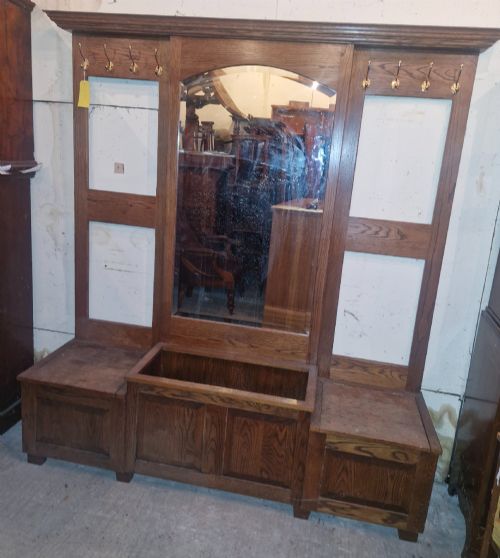


Traditional Oak Mirror
These pieces known as a traditional oak mirror bring a warm, solid grain and reliable reflective glass to period interiors.
Traditional Oak Mirror
A traditional oak mirror brings together heavy timber frames and glass panels, appearing across domestic spaces from wall-hung formats to substantial overmantel designs. When exploring this selection, buyers encounter formats spanning Victorian and Edwardian eras alongside early twentieth-century interpretations, often featuring carved woodwork.
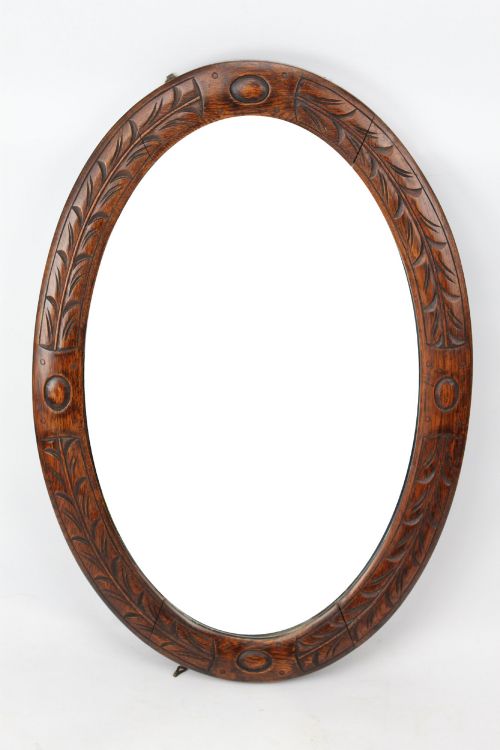
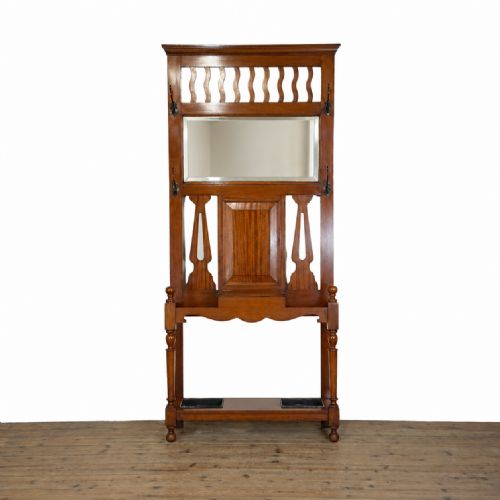
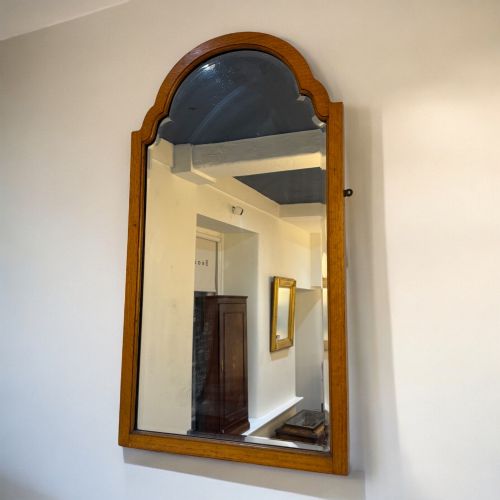
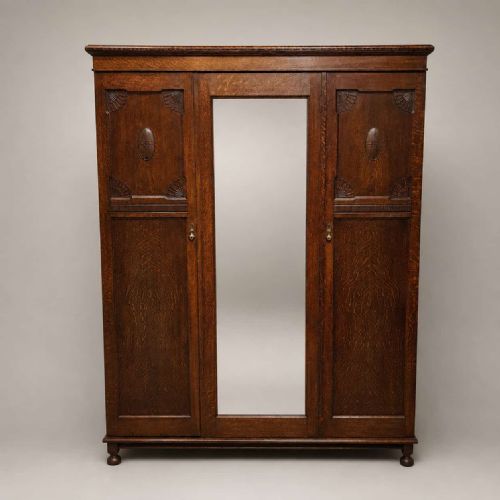
The objects listed show practical household furniture incorporating reflective surfaces, including mirror-backed sideboards, hall stands, and standalone wall mirrors. Oak serves as the primary timber framing these pieces, frequently accompanied by decorative carving influenced by Jacobean and Tudor revivals.
How they were made
Makers constructed these frames using solid oak, often shaping the timber with hand or machine carving to produce floral motifs, geometric panels, or moulded outer borders. Secondary materials such as glass, brass, and walnut appear alongside the primary wood, supporting structural elements and decorative panels.
Workshops integrated glass plates into timber rebates, securing the reflective surfaces behind wooden backs or securing them within heavy overmantel structures. Surface finishes applied to the oak highlight the natural grain patterns while protecting the wood against daily domestic environments.
Traditional Oak Mirror Retail Price Guide 2026
Typical asking prices for traditional oak mirror among the pieces listed under this phrase on Sellingantiques today, from the lower quarter to the upper quarter. They describe what is for sale here now, not the wider market.
The listings show periods ranging from the Victorian era and 1880 through Edwardian designs to the 1960s.
What varies in quality
The depth and execution of the carving separate standard utilitarian frames from heavily ornamented pieces produced during the Victorian and Edwardian periods. Precision in joinery construction and the clarity of the underlying wood grain also distinguish simpler wall-mounted examples from larger overmantel structures.
The condition of the glass plate and the integrity of the original timber frame influence the character of each piece. Variations in proportion, from compact oval wall mirrors to wide architectural overmantels, determine how the object interacts with surrounding interior spaces.
The Traditional Oak Mirror Glossary
- Overmantel mirror
- A large horizontal mirror designed specifically to be hung or placed upon the mantelpiece above a fireplace. These pieces often feature elaborate wooden frames and integrated shelf elements.
- Cheval mirror
- A full-length freestanding mirror suspended on a pivoting frame between four supporting legs. This form allows the glass to tilt at various angles.
- Pollard oak
- Timber taken from trees that have been pollarded, producing distinctive clustered knots and intricate grain patterns across the finished surface. Cabinetmakers utilised this wood for decorative furniture fronts.
- Jacobean Revival
- A nineteenth-century design style emulating seventeenth-century English woodwork through heavy proportions, geometric panels, and deep relief carving. This style frequently appears on oak furniture and mirror frames.
Traditional Oak Mirror: Frequently Asked Questions
Where should I hang an overmantel mirror?
These large horizontal frames rest naturally above a living room fireplace or anchor the proportions of a principal reception wall. Their substantial scale reflects light across the room while echoing architectural woodwork.
Ensure the wall structure and fixings safely support the combined weight of the heavy oak frame and glass plate before mounting.
How do I identify a Victorian oak mirror?
Victorian examples often display deep relief carving, dark wax finishes, and substantial timber frames reflecting revivalist tastes of the nineteenth century. Examining the construction of the wooden backboards and the weight of the glass offers further clues to the period.
Many pieces from this era also incorporate bevelled glass edges or heavy brass hanging hardware.
What is pollard oak?
Pollard oak is a decorative timber harvested from trees cut back at a high branch level, which creates tightly grouped knots and swirling growth patterns across the grain. Cabinetmakers selected this figured wood for prominent surfaces on high-status furniture.
Its complex visual texture distinguishes it from straight-grained standard oak.
Can I use a wall mirror in a hallway?
Hallways benefit greatly from wall-hung mirrors and integrated hall stands by bouncing natural light into narrow passages and creating a sense of expanded space. Edwardian and Victorian examples provide both a practical reflective surface and heavy timber presence.
Ensure adequate wall fixings are used to bear the weight of solid oak framing.