



Traditional Oak Lamp Stand
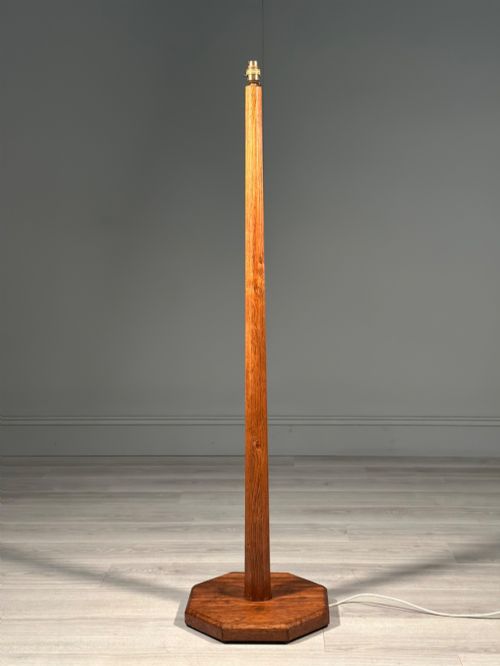
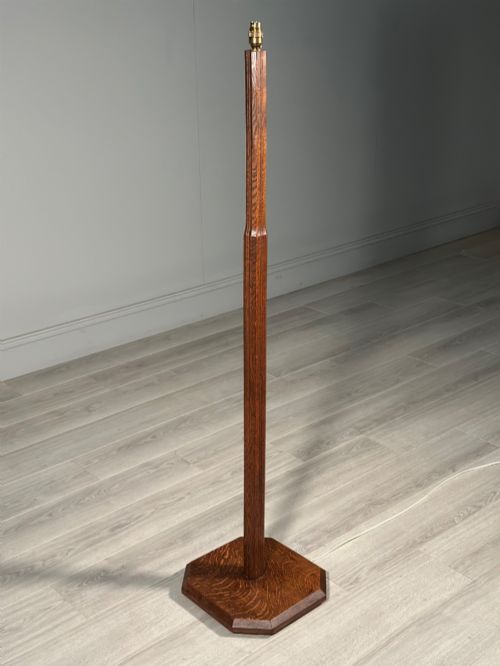
A traditional oak lamp stand offers honest utility and warmth, bringing solid timber grain and upright proportion into a room.
Traditional Oak Lamp Stand
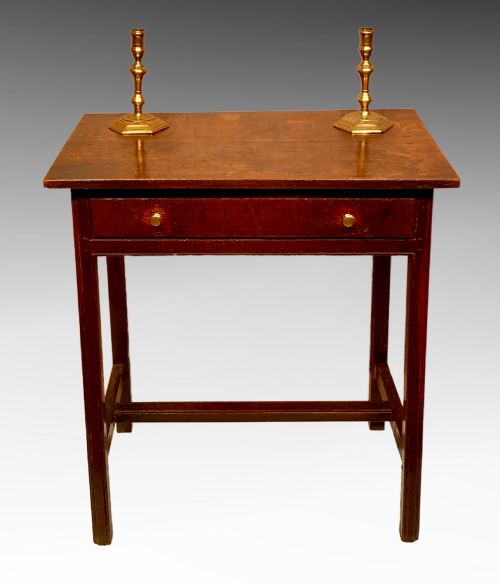
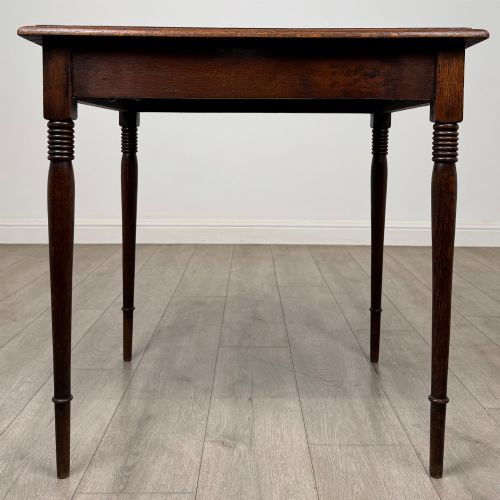
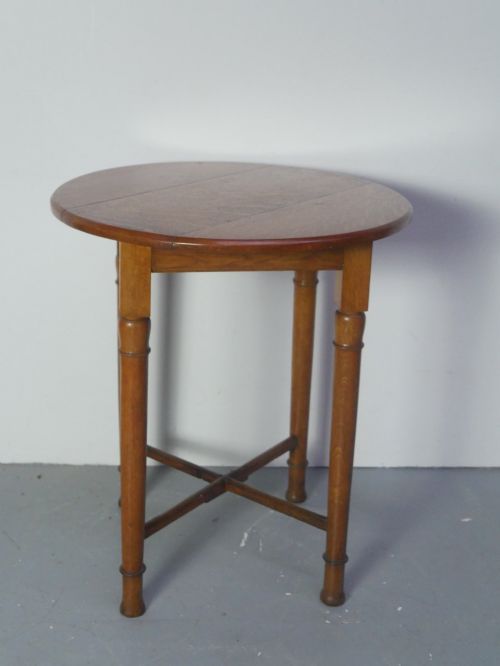
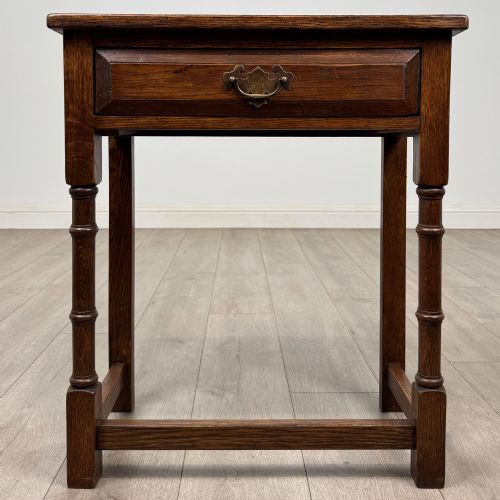
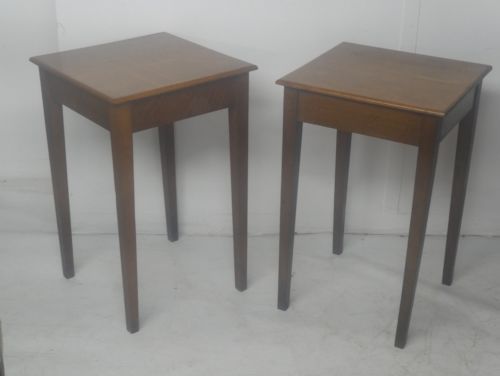
A traditional oak lamp stand brings sturdy timber construction and upright proportion to domestic lighting, combining functional illumination with traditional cabinet-making forms. Buyers seeking a traditional oak lamp stand encounter vertical standard lamps alongside low occasional tables designed to support a lamp beside a chair.
The selections span early twentieth-century interpretations, Edwardian pieces, and Victorian examples, often styled in Jacobean Revival or Arts and Crafts traditions. Forms range from turned floor-standing standards to small side tables in Scottish Country and English Country idioms.
Makers and workshops of the early twentieth century utilised dense native timber to create both upright floor standards and compact lamp tables. These functional pieces reflect domestic lighting requirements across decades of domestic interior design.
Materials and construction
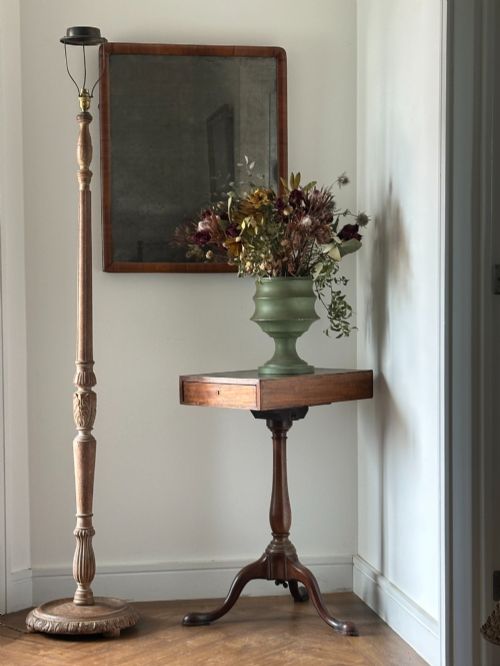
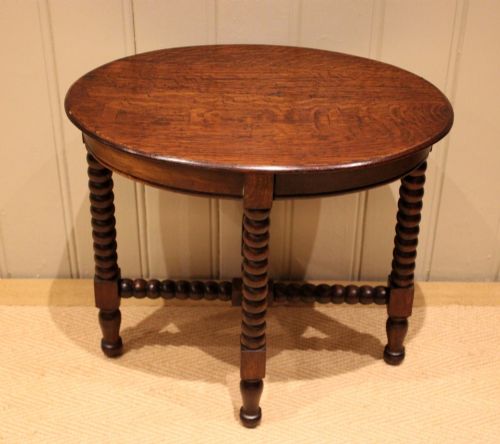
Constructed primarily from oak, these pieces utilise both solid timber and turned elements like barley twist legs and carved columns. Joinery relies on traditional methods suited to heavy wood, ensuring stability for both tall floor lamps and low occasional tables.
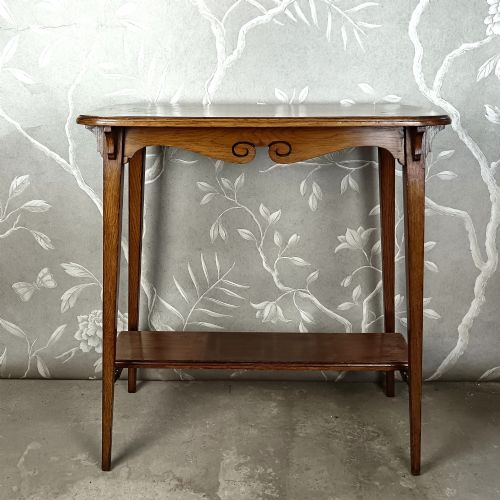
Surface finishes include carved detailing, limed treatments, and polished wood that highlights the natural grain. Additional materials such as brass fittings and fabric components appear where electrical adaptation or original mounting required hardware.
Traditional Oak Lamp Stand Retail Price Guide 2026
Typical asking prices for traditional oak lamp stand among the pieces listed under this phrase on Sellingantiques today, from the lower quarter to the upper quarter. They describe what is for sale here now, not the wider market.
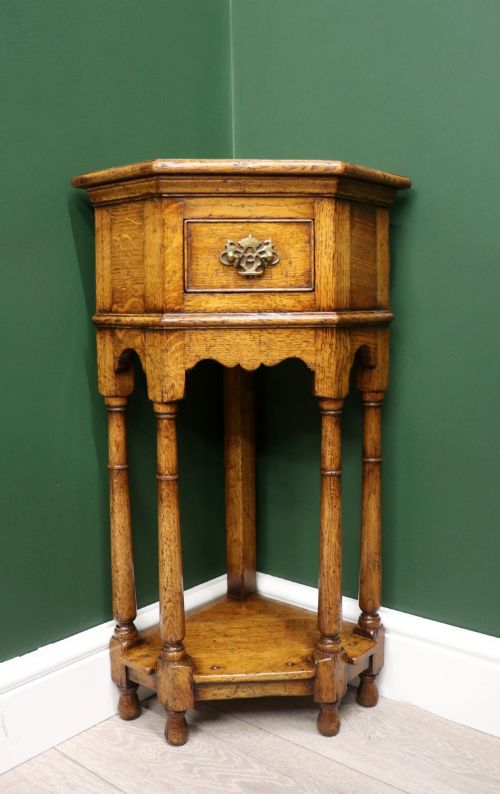
Some miniature wine tables offer grand architectural presence despite standing barely higher than a cat.
Assessing quality and finish
Quality rests upon the selection of timber, the crispness of any carved decoration, and the integrity of the structural joints. Pieces displaying finer hand-carved motifs or balanced proportions in their turned shafts stand apart from simpler utility items.
The execution of period details, such as Jacobean Revival turning or Arts and Crafts joinery, distinguishes standard commercial production from workshop pieces associated with notable design movements.
Whytock & Reid
The Traditional Oak Lamp Stand Glossary
- Jacobean Revival
- A nineteenth and twentieth-century style reviving seventeenth-century motifs, notable for heavy turning, dark oak, and geometric panelling.
- Barley Twist
- A form of woodturning resembling a spiral rope, frequently found on the legs of side tables and the stems of floor lamps.
- Standard Lamp
- A tall floor-standing lamp designed to provide ambient room illumination, often featuring a heavy base for stability.
- Arts and Crafts
- A design movement prioritising traditional craftsmanship, simple forms, and visible construction methods using local materials.
- Occasional Table
- A small, movable table designed for specific minor uses, such as holding a lamp or book beside seating.
Traditional Oak Lamp Stand: Frequently Asked Questions
How do I date an oak lamp stand?
Dating relies on stylistic clues, construction methods, and timber characteristics. Edwardian and 1920s pieces often display specific revival motifs or machine-assisted turning that differs from nineteenth-century work.
Examining the underside, joinery techniques, and any brass hardware provides further evidence of the manufacturing period.
Are standard lamps and lamp tables the same thing?
Standard lamps are tall, vertical floor-standing posts designed to hold a light source at height. Lamp tables are low occasional or side tables specifically sized to support a table lamp beside a chair.
Both serve the purpose of illumination but occupy very different visual and physical footprints in a room.
What is Arts and Crafts oak furniture?
Arts and Crafts furniture prioritises honest construction, visible joinery, and the natural qualities of the timber. Pieces from this movement often feature subtle hand-carved details rather than heavy historical revival ornament.
This aesthetic values utility and straightforward design over excessive decoration.
How should I care for antique oak?
Antique oak benefits from occasional gentle cleaning with a soft cloth and application of appropriate wax to nourish the timber grain. Avoiding direct sunlight and extreme temperature fluctuations protects the finish and prevents wood splitting.
Regular light maintenance preserves the patina built up over decades of use.