

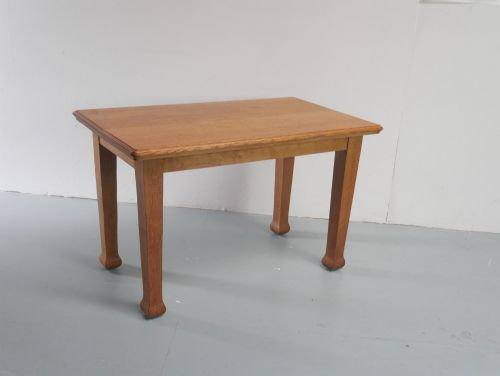
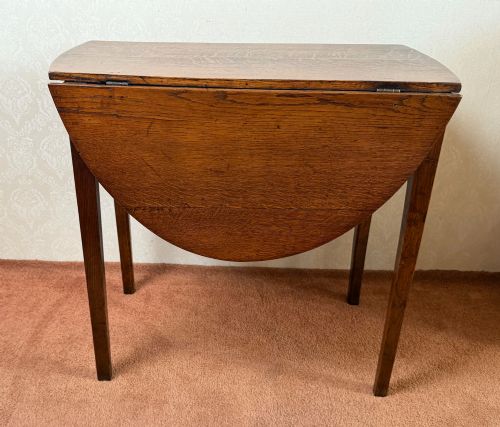
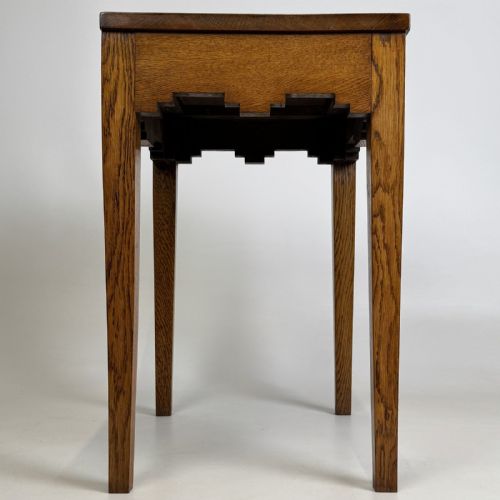
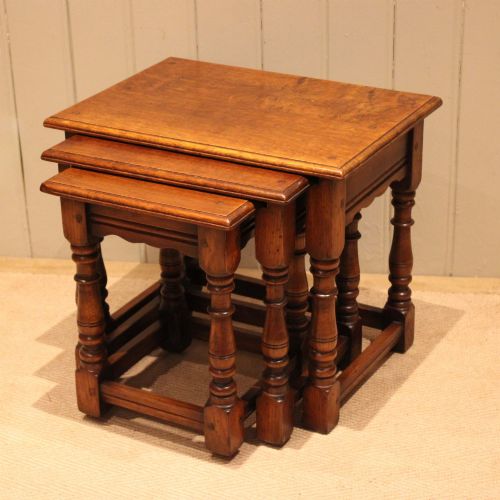
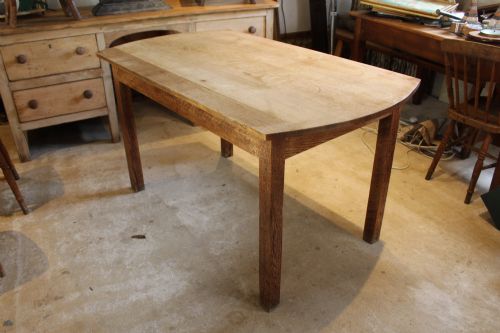
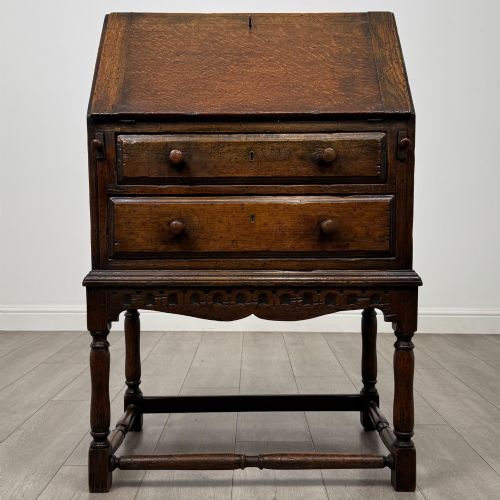
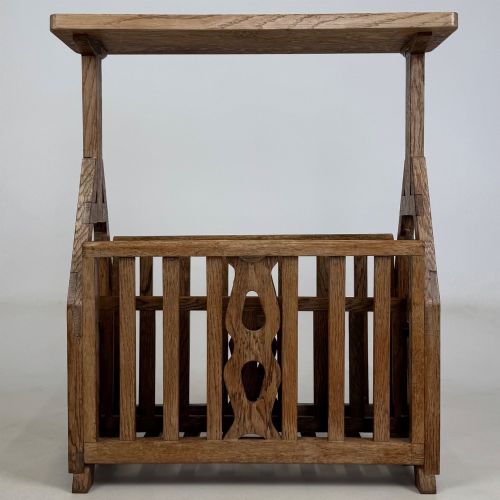
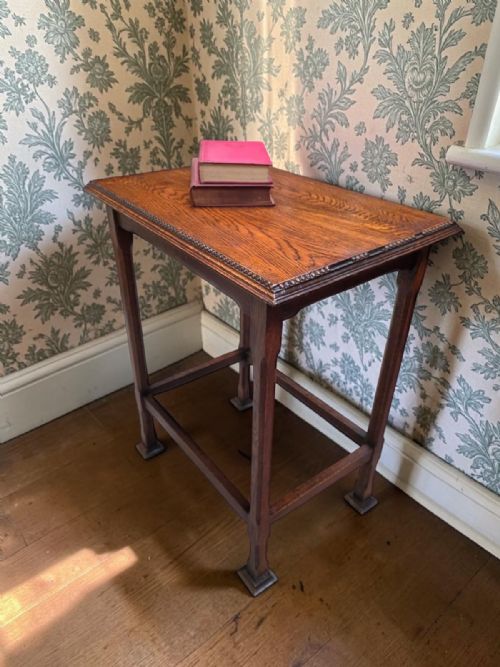
Small Solid Oak Table
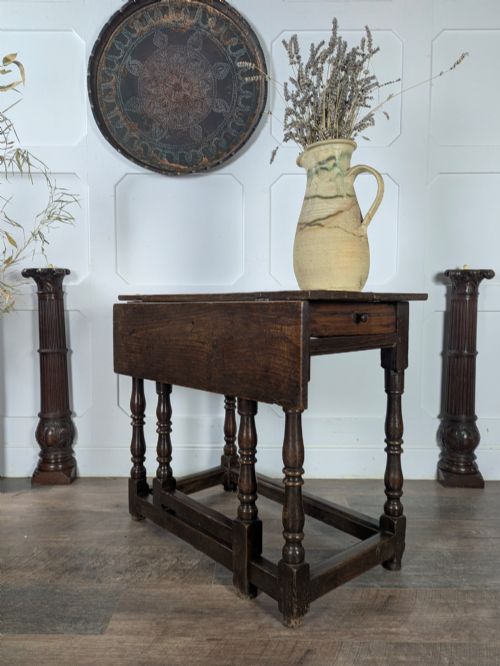
A small solid oak table is a sturdy domestic staple, ranging from seventeenth-century gateleg forms to twentieth-century Arts and Crafts designs.
Small Solid Oak Table
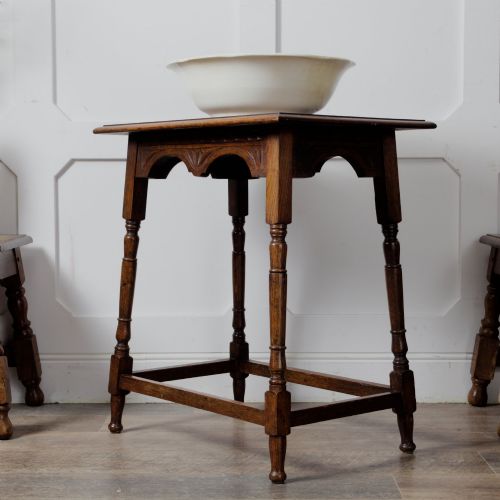
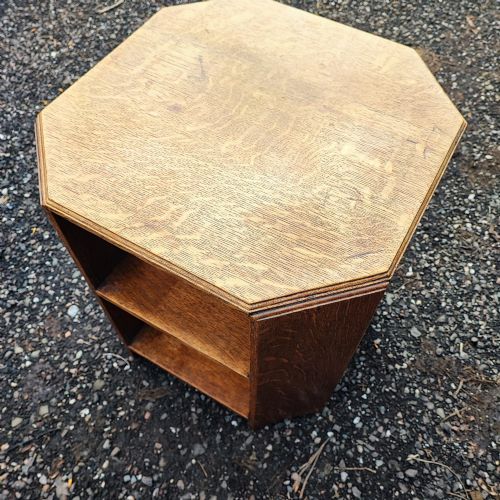
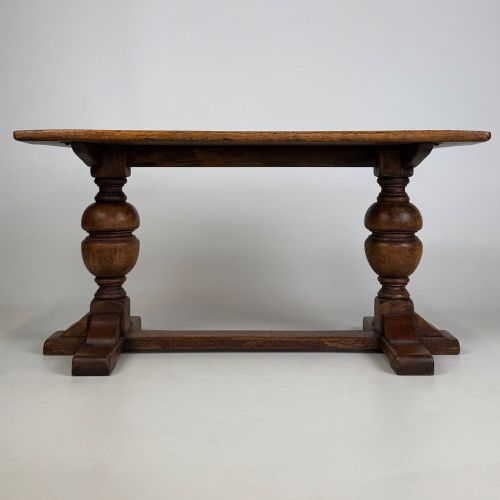
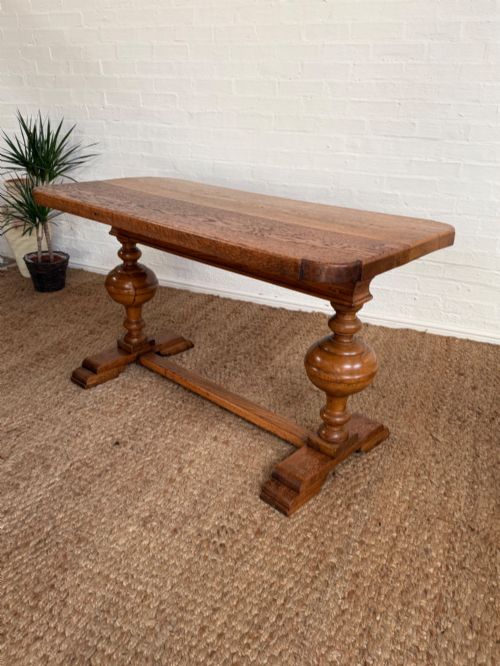
When you search for a small solid oak table, you encounter a wide variety of domestic forms spanning multiple centuries. The selection includes side tables, gateleg tables, nests of tables, wine tables, and small refectory dining pieces.
The most common examples on this page date from the Edwardian period and the early twentieth century, alongside earlier pieces from the eighteenth and seventeenth centuries. These versatile items served numerous daily functions in British homes, from writing desks to casual dining.
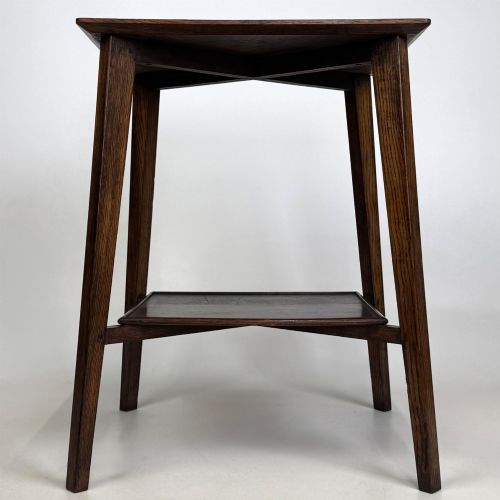
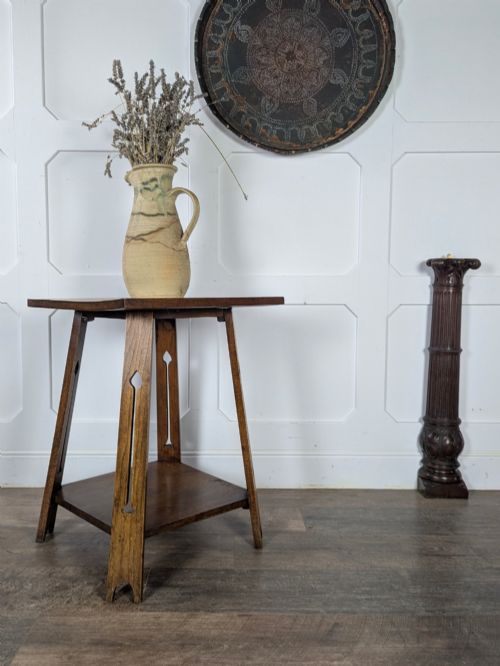
Makers and designers from movements such as Arts and Crafts and Jacobean Revival shaped these objects, utilising native timber. Buyers seek them for their practicality, modest proportions, and enduring material strength.
How they were made
Craftsmen built these tables using solid oak, frequently supplemented by structural elements in ash, iron, and brass for hinges or handles. Some specific writing variants incorporated leather surfaces for daily use.
Joinery methods relied on traditional techniques suited to hardwood, ensuring stability across drop-leaf mechanisms, gateleg frames, and tilt-top pedestals. Surfaces range from plain plank tops to carved or polished finishes.
Small Solid Oak Table Retail Price Guide 2026
Typical asking prices for small solid oak table among the pieces listed under this phrase on Sellingantiques today, from the lower quarter to the upper quarter. They describe what is for sale here now, not the wider market.
Several gateleg tables hide extra leaves so well they practically invite a impromptu tea party.
What varies in quality
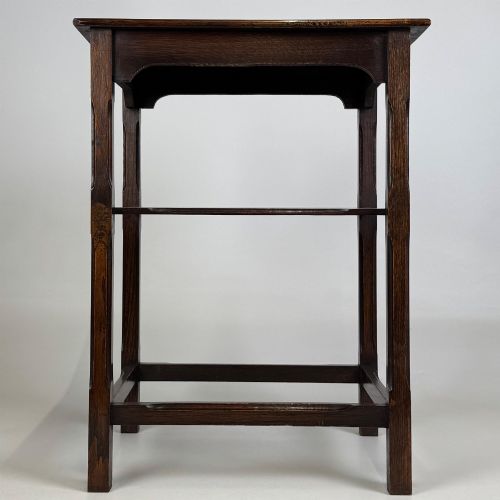
Quality in these tables rests upon the selection of timber and the integrity of the original construction. Superior pieces display well-figured grain, robust structural joints, and minimal alterations over time.
Artisanal detail also separates standard utility pieces from finer examples, particularly in carved ornamentation, movement mechanisms on gateleg or drop-leaf versions, and the retention of untouched surface patination.
The Small Solid Oak Table Glossary
- Gateleg table
- A table with hinged drop leaves supported by legs that swing outward like gates. This clever design allows the surface area to expand or contract according to space requirements.
- Refectory table
- A long, narrow dining table traditionally used in communal halls. Smaller iterations preserve the sturdy trestle or four-leg proportions for domestic dining rooms.
- Tilt-top table
- A pedestal table featuring a mechanism that allows the top to pivot vertically. This enabled convenient storage against a wall when not in use.
- Joint stool
- A sturdy wooden stool built with mortise and tenon joints, commonly used for seating or as a small surface. Seventeenth-century examples display rigorous early craftsmanship.
- Sutherland table
- A narrow drop-leaf table with exceptionally slim folding leaves supported by swinging gate legs. It functions well as a space-saving occasional table.
Small Solid Oak Table: Frequently Asked Questions
How do I date an oak table?
Dating relies on examining construction marks, timber thickness, and overall style characteristics such as twist legs or carved friezes. Earlier pieces often display hand- cut joinery and pegged joints.
Later Edwardian and twentieth-century versions utilise more standardised machine cutting while often reviving historic regional styles like the Jacobean or Arts and Crafts movements.
Where should I place a gateleg table?
A gateleg table fits well in smaller dining areas, hallways, or living rooms due to its adjustable surface area. With the leaves dropped down, it occupies minimal floor space.
When fully opened, it provides a stable dining or work surface, making it ideal for flexible room layouts in period or modern interiors.
How do I care for solid oak?
Maintain solid oak by dusting regularly with a soft, dry cloth and avoiding excessive moisture. Occasional application of quality beeswax preserves the natural grain and nourishes the timber.
Keep these tables away from direct heat sources and strong sunlight to prevent the wood from drying out or splitting over time.
What distinguishes Arts and Crafts tables?
Arts and Crafts tables emphasise simple construction, visible joinery, and the natural grain of the solid oak rather than heavy applied ornamentation. They reflect a philosophical shift towards honest craftsmanship.
You often find clean geometric lines, subtle chamfering, and occasionally copper or brass hardware details dating from around nineteen hundred to the nineteen twenties.