

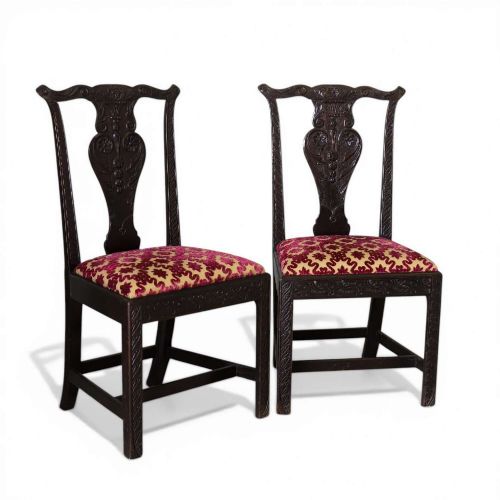


Traditional Oak Hall Desk
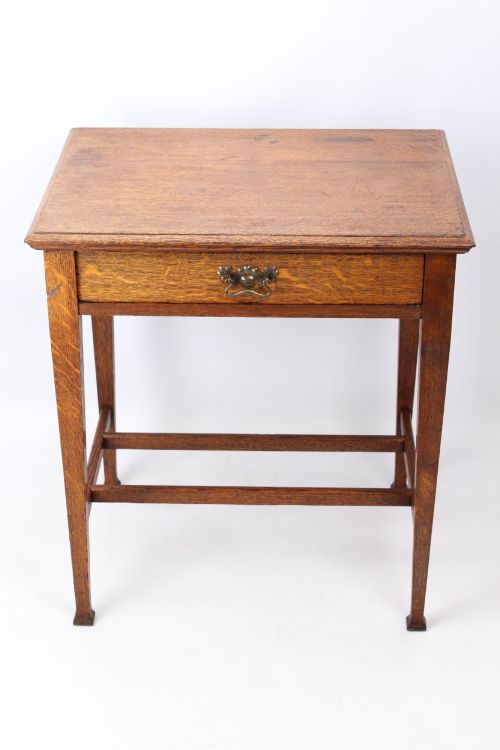
A traditional oak hall desk serves as the practical anchor of an entranceway, offering a sturdy surface and useful drawer storage for daily correspondence.
Traditional Oak Hall Desk
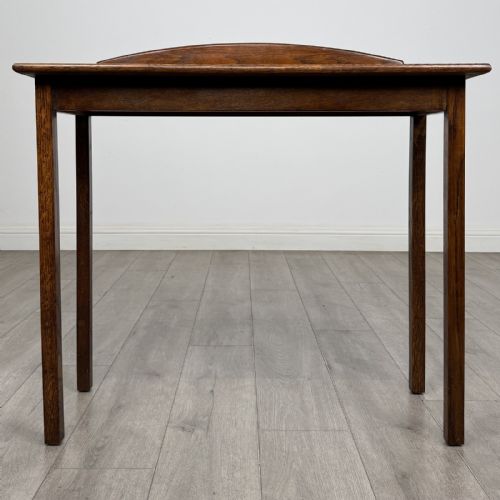
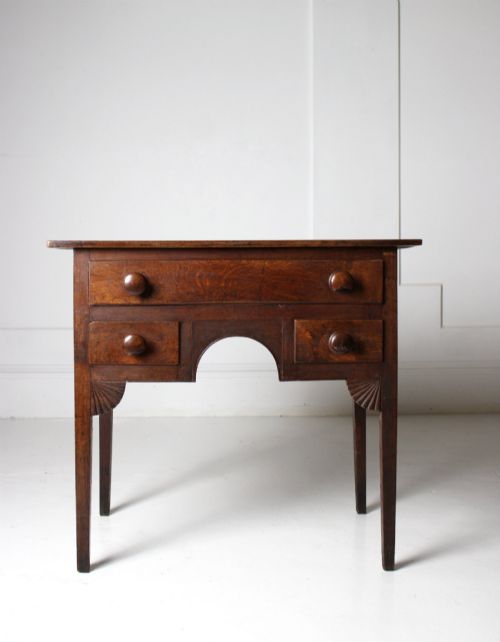
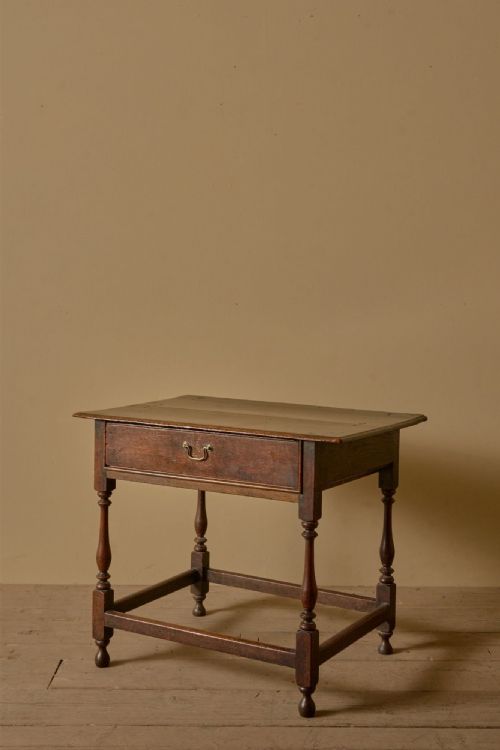
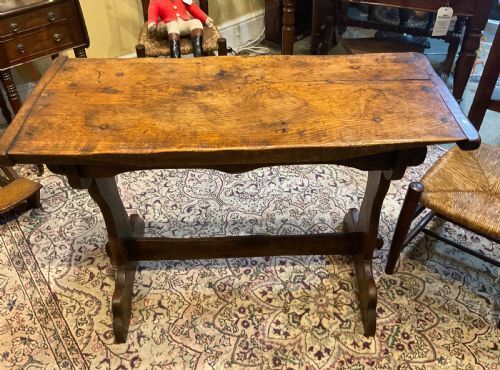
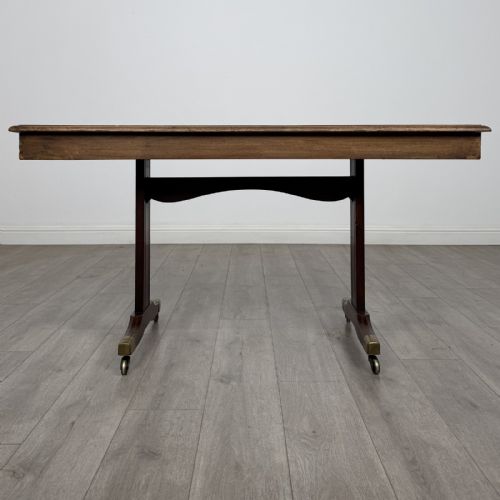
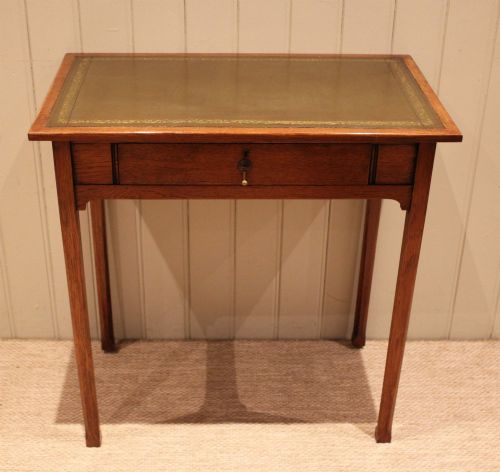
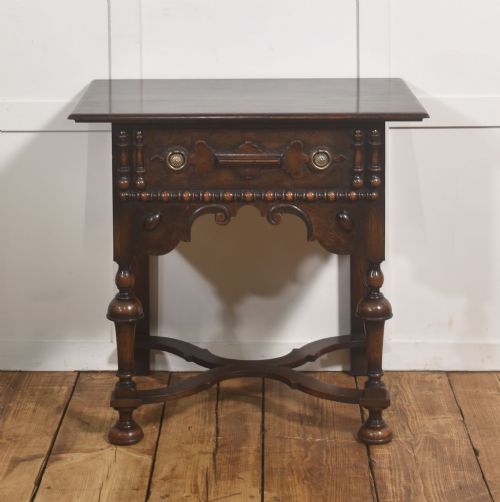
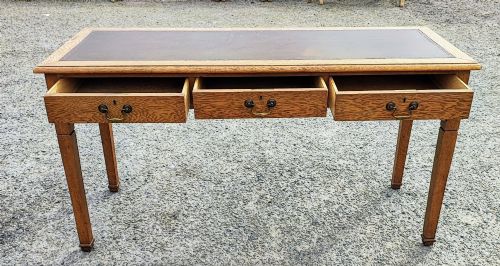
When you search for a traditional oak hall desk, you encounter a varied collection of writing tables, lowboys, and side tables spanning several centuries. The selections range from early eighteenth-century country pieces to later revival styles from the Victorian and Edwardian eras.
Most examples found here utilise oak as the primary timber, occasionally accompanied by secondary woods like elm or pine. The forms lean towards functional side tables and compact writing desks suitable for placement in a hallway or corridor.
Makers and craftsmen from the Georgian period through to the nineteen-thirties produced these compact desks and tables for domestic utility. Buyers frequently meet pieces displaying regional English or Welsh country characteristics alongside more formal Jacobean and Arts and Crafts revivals.
Construction and materials
Carpenters constructed these pieces predominantly from solid oak, sometimes combining elm or pine for interior drawer linings and secondary panels. Timber selection dictated the strength of the frame, allowing tables and desks to endure generations of hallway use.
Joining techniques relied upon traditional methods such as mortise and tenon joints to ensure structural rigidity in legs and aprons. Drawers typically feature hand-cut joints, fitted with brass handles or pulls that complement the dark grain of the wood.
Traditional Oak Hall Desk Retail Price Guide 2026
Typical asking prices for traditional oak hall desk among the pieces listed under this phrase on Sellingantiques today, from the lower quarter to the upper quarter. They describe what is for sale here now, not the wider market.
Several pieces carry the quiet marks of past masonic lodges and country houses, having witnessed centuries of meetings and daily comings and goings.
Judging the standard
Quality in these desks and tables rests upon the integrity of the timber and the crispness of any carved detailing. Pieces retaining their original drawer linings, brass hardware, and unblemished oak surfaces stand apart from those altered or heavily restored over time.
Proportion and structural balance dictate the appeal of an individual desk, with cleaner lines and honest construction holding greater merit. The depth of the grain and the natural patina developed through centuries of handling distinguish superior examples from standard utility items.
The Traditional Oak Hall Desk Glossary
- Lowboy
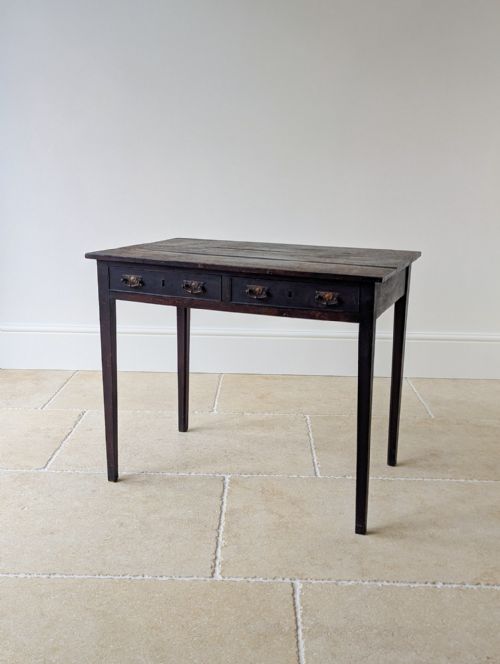
- A small table with one or more drawers, commonly used as a writing table or dressing table during the eighteenth century. They typically stand on four slender legs.
- Refectory
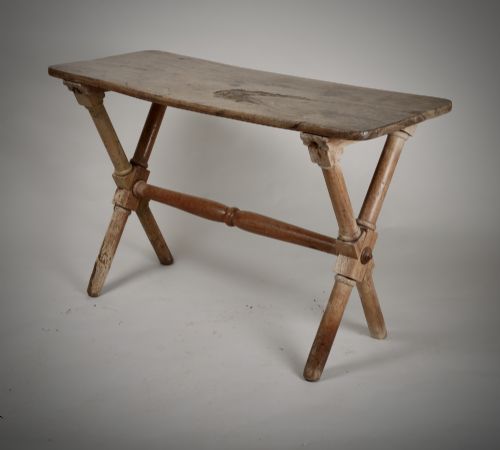
- A long, narrow table traditionally used for dining in communal halls, featuring stretcher rails for added stability between the legs.
- Jacobean Revival
- A nineteenth-century stylistic movement copying the heavy, carved ornamentation and dark oak finishes popular in the early seventeenth century.
- Barley twist
- A turning technique resembling a spiralling rope, frequently utilised on the legs and arm supports of chairs and tables from the seventeenth century onwards.
- Patina
- The glossy sheen developed on the surface of wood over decades of handling, polishing, and exposure to light.
Traditional Oak Hall Desk: Frequently Asked Questions
How do I use a traditional oak hall desk today?
These compact writing tables and lowboys fit neatly into entrance halls, serving as a convenient spot for incoming post and keys. Their drawers provide practical storage for small household items while maintaining a welcoming aesthetic near the front door.
Alternatively, you can place one in a narrow study or bedroom as a writing surface that occupies minimal floor space. The sturdy oak construction ensures the desk withstands daily use without losing its character.
How can I tell a Georgian desk from a later revival piece?
Georgian pieces display the construction methods, timber shrinkage, and hand-tool marks characteristic of the eighteenth century. Their proportions and joinery reflect the practical requirements of the period in which they were built.
Revival pieces from the Victorian or Edwardian eras often feature machine-sawn elements or stylised carvings that imitate earlier centuries. Examining the interior drawer boards and secondary woods helps clarify the actual age of the furniture.
What is the difference between a lowboy and a hall desk?
A lowboy is a specific form of small oak table featuring one or more rows of drawers, originating primarily in the eighteenth century. While often used for writing or storage, its original domestic purpose varied.
A hall desk specifically designates a surface intended for placement in an entrance corridor for correspondence. Many pieces share similar proportions, leading makers and dealers to categorise them interchangeably based on their drawer configurations.
How do I care for antique oak furniture?
Keep your oak desk away from direct heat sources and sudden temperature fluctuations to prevent the timber from warping or splitting. Applying a quality beeswax periodically helps nourish the wood and preserve its natural sheen.
Dust the surface regularly with a soft, dry cloth rather than using silicone-based polishes. This maintenance routine protects the historic patina built up over generations.