
Traditional Oak Farmhouse Table
A traditional oak farmhouse table brings honest utility and decades of daily life straight into the centre of your kitchen or dining room.
Traditional Oak Farmhouse Table
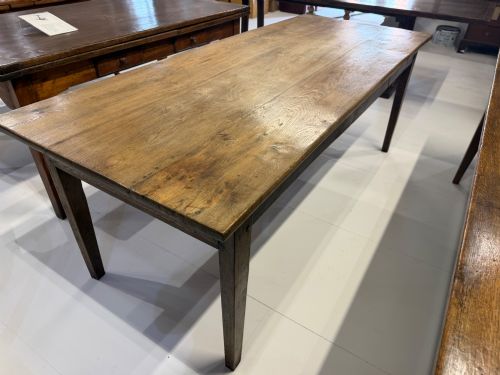
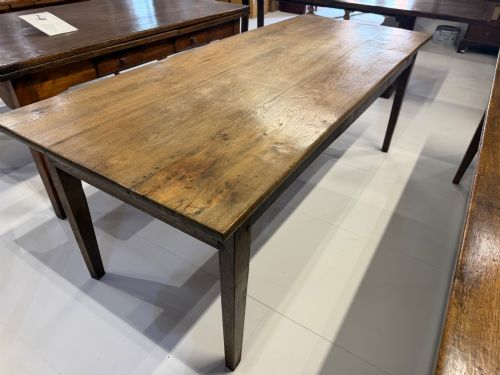
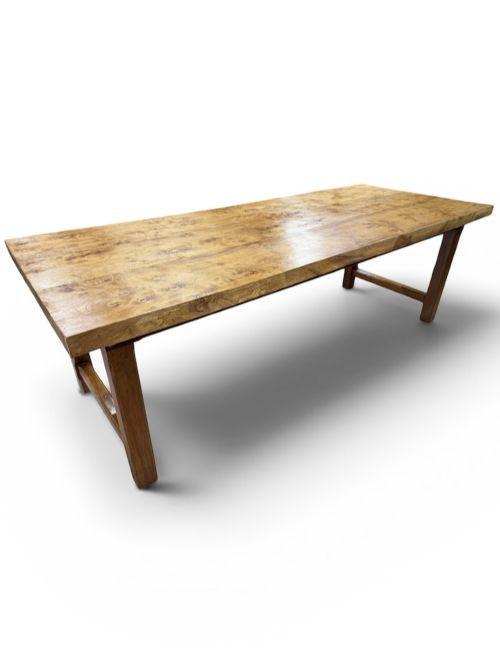
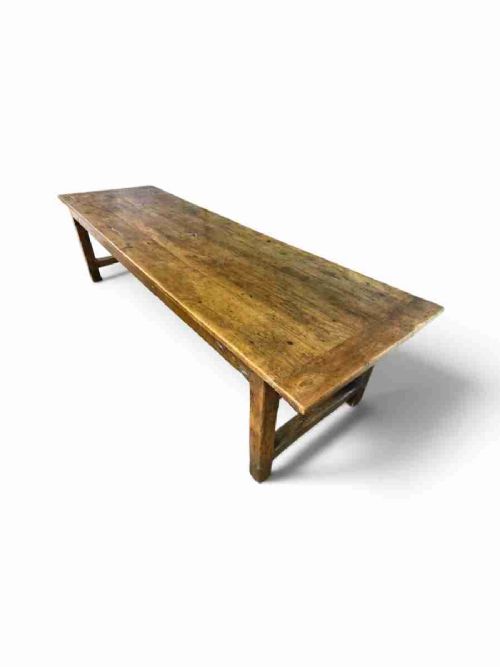
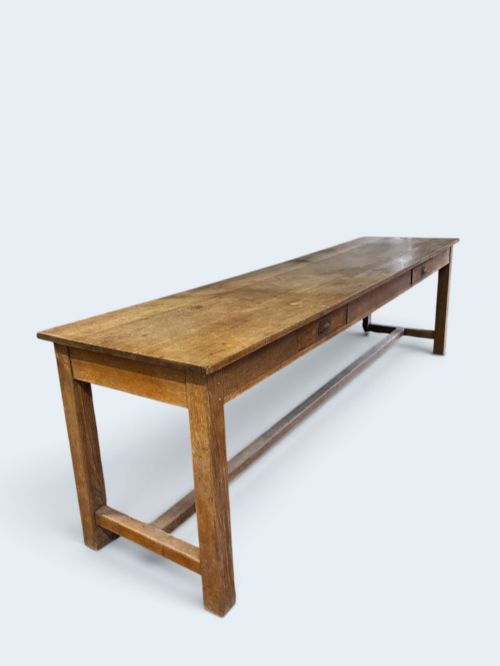
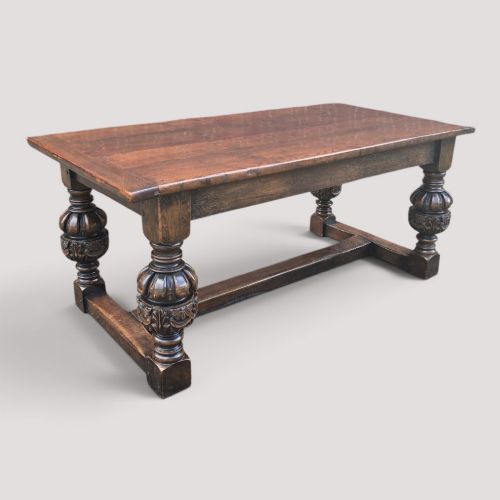
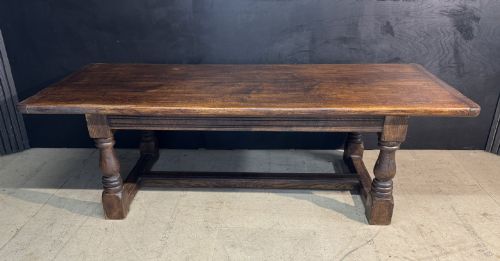
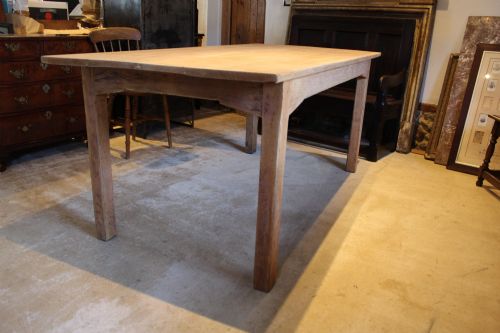
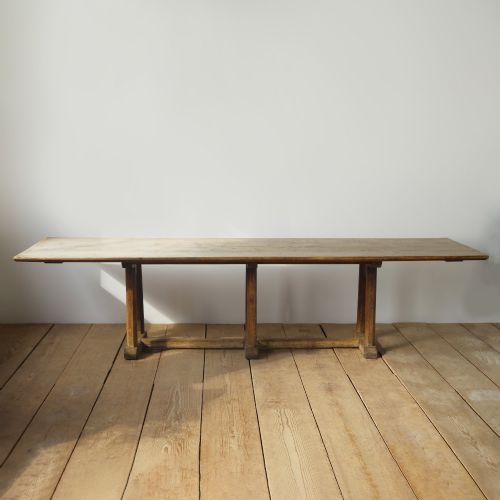
A traditional oak farmhouse table is a sturdy, functional surface designed for heavy domestic use, most commonly found in dining and refectory formats across this selection. These pieces originate from various periods including the 18th century, Victorian era, and early twentieth century, spanning rustic country styles to Georgian designs.
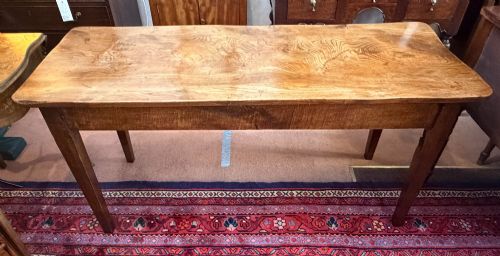
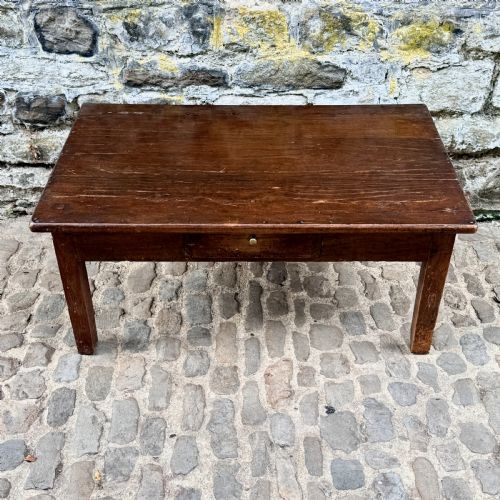
Buyers examining this phrase will encounter everything from compact coffee tables and serving tables to large dining sets seating eight or ten people. Solid timber construction dominates the listings, frequently paired with secondary woods like beech or pine.
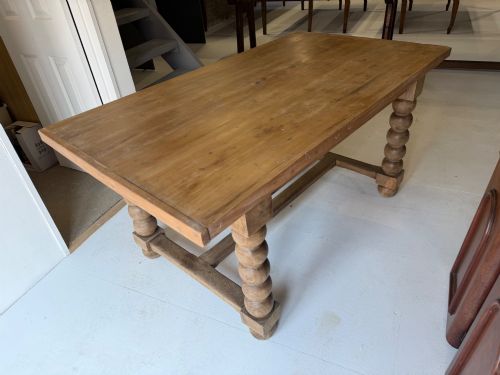
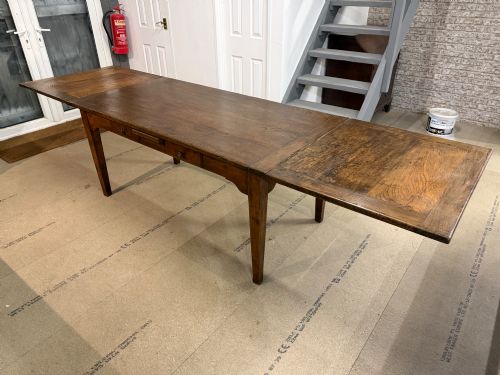
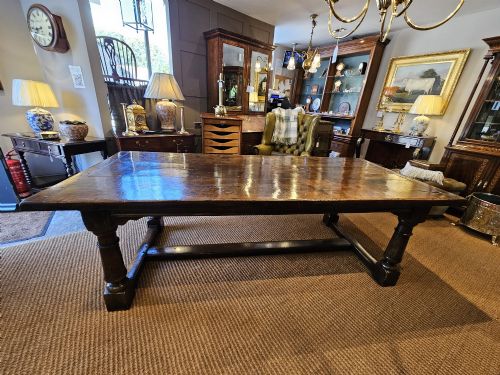
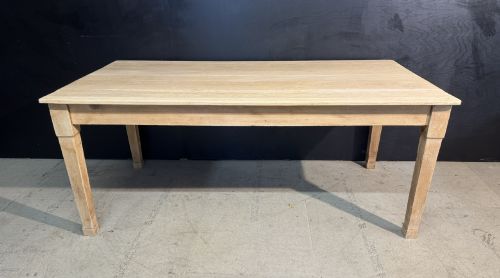
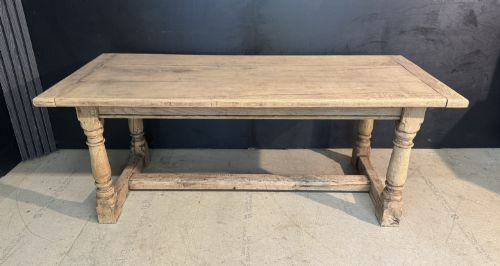
The aesthetic leans heavily towards practical domestic utility rather than delicate parlour display, reflecting the working origins of rural kitchens and taverns. Tables range from simple planked tops on tapered or bobbin legs to grand double extending refectory forms.
What determines quality
The distinction between ordinary and superior pieces rests on timber selection and structural integrity. Tables fashioned from thick, well-figured oak planks with minimal modern intervention command greater respect than those assembled from mixed or lesser woods.
Proportion and leg configuration also drive distinction, where balanced forms such as tapered or bobbin legs show greater design consideration than basic utilitarian framing. Original surface treatments, including aged wax or natural patination, separate untouched examples from heavily altered ones.
Materials used across these tables extend beyond oak to include elm, beech, pine, iron, and chestnut.
The Traditional Oak Farmhouse Table Glossary
- Refectory table
- A long, narrow dining table traditionally used in communal dining halls and monastic refectories. These pieces often feature stretcher bases for added stability.
- Plank top
- A table surface constructed from multiple wide boards of timber joined edge to edge. This method allows for the creation of wide surfaces from mature trees.
- Bobbin leg
- A turned furniture leg shaped to resemble a series of wooden bobbins or spools stacked end to end. This decorative turning style is characteristic of seventeenth and nineteenth-century revival pieces.
- Stretcher
- A horizontal wooden brace connecting the legs of a table to improve rigidity and strength. They are commonly positioned near the base of heavier refectory and tavern tables.
- Pitch pine
- A durable, resinous softwood frequently utilised alongside oak in nineteenth-century kitchen and refectory tables. It offers strong resistance to wear and moisture.
Traditional Oak Farmhouse Table: Frequently Asked Questions
How do I seat eight people?
Look for refectory or dining tables measuring at least eight feet in length, as these formats provide adequate legroom and surface area along the sides.
Check the clearance beneath the aprons to ensure dining chairs slide comfortably underneath without catching your knees.
Are these tables suitable for daily kitchen use?
Solid oak surfaces withstand regular family meals, preparation work, and daily gatherings remarkably well.
Maintenance involves applying wax or oil periodically to protect the timber grain from moisture and everyday wear.
How can I tell an eighteenth-century table from a later copy?
Examine the underside and joints for hand-cut joinery, pegged tenons, and natural timber movement consistent with age.
Eigteenth-century examples often display deep patination and tool marks that modern manufacturing methods do not replicate.
What is the difference between a refectory and a standard farmhouse table?
Refectory tables are typically longer and narrower, designed originally for communal dining with pronounced stretcher bases.
Standard farmhouse tables often feature more domestic proportions with options like drawers built into the frieze for storage.