






Traditional Oak Display Shelves
Traditional oak display shelves bring warmth and utility to a room, offering sturdy ledges for books, plates, and cherished objects.

Traditional Oak Display Shelves
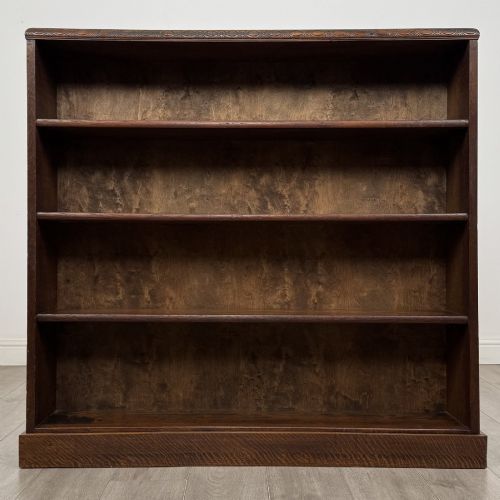
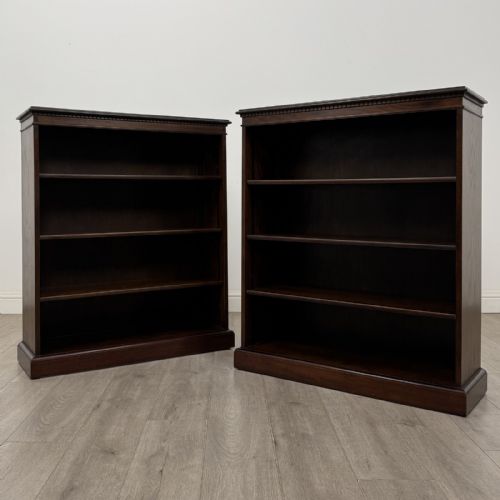
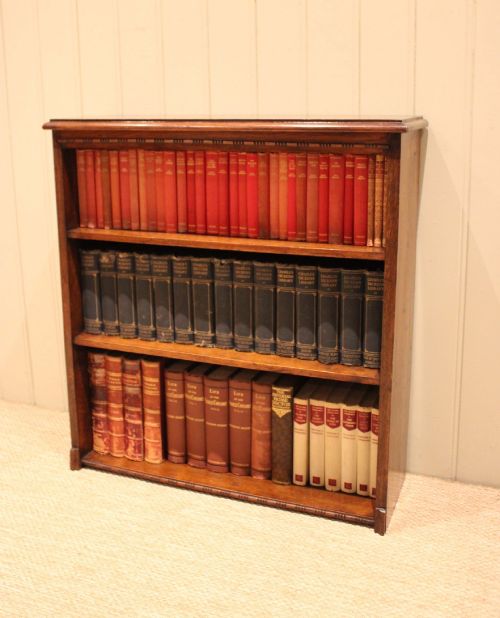
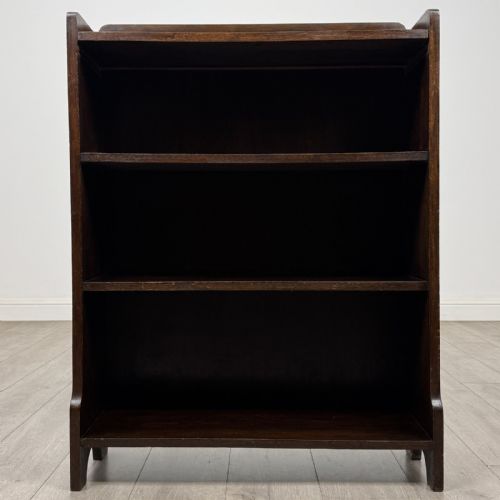
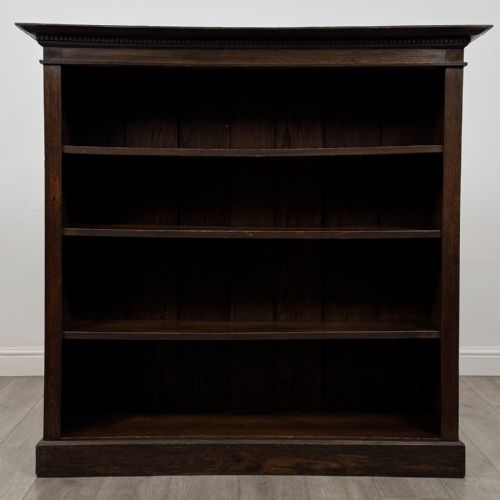
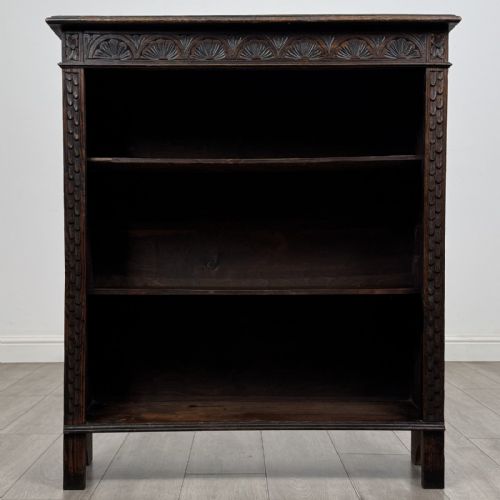
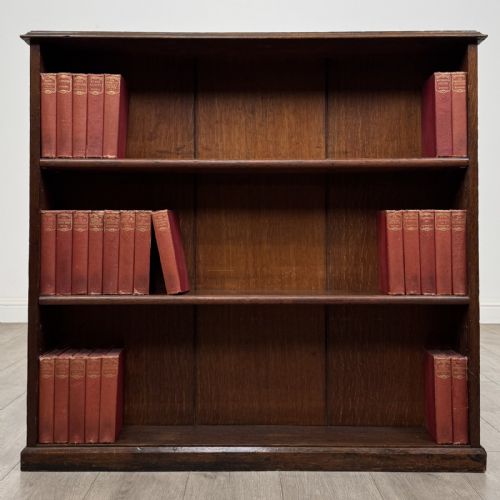
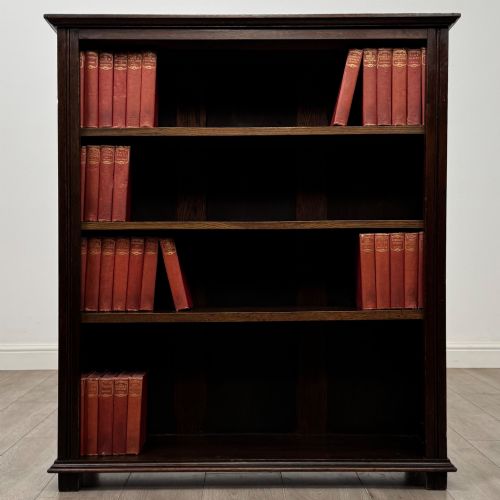
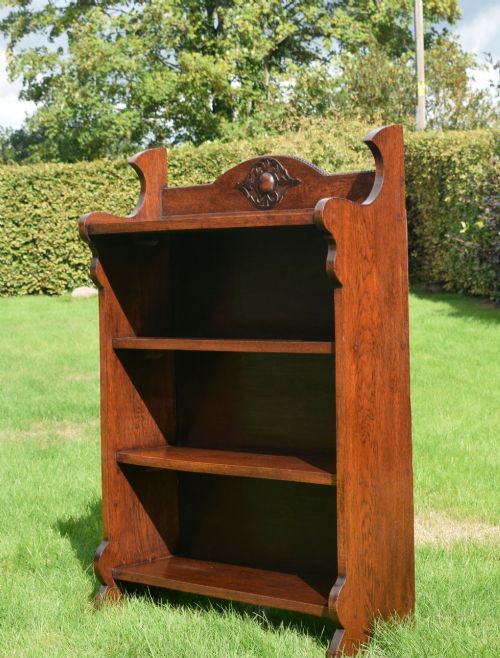
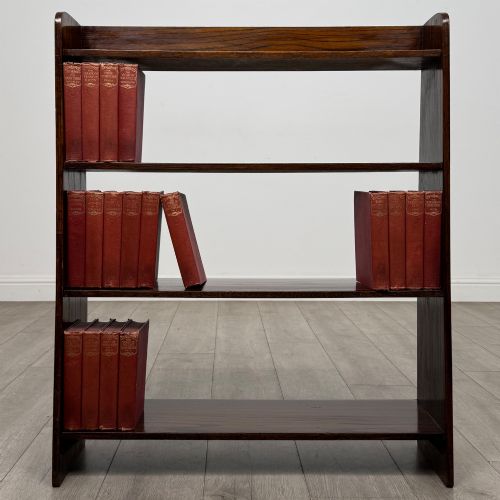
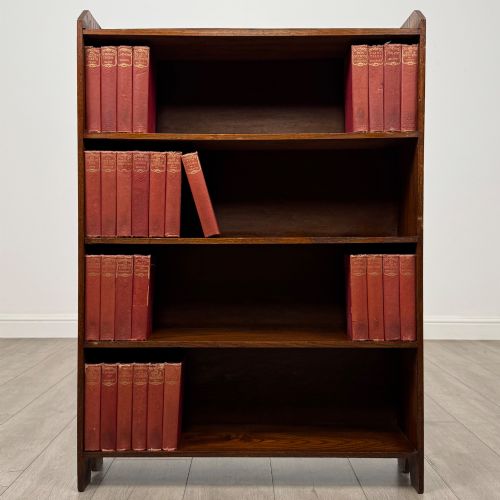
Traditional oak display shelves appear in various forms across this selection, most commonly as open bookcases, plate racks, and Welsh dressers. Buyers seeking traditional oak display shelves frequently encounter open bookcases from the Edwardian period and the nineteenth century, built for domestic storage and display.
The objects span multiple eras, including the eighteenth century, the Victorian age, and the nineteen-twenties, incorporating styles such as Jacobean Revival and Arts and Crafts. Pieces range from neat, small open bookcases to large, glazed Welsh dressers and country wall racks.
Origins stretch from English country workshops to French provincial makers, yielding items with adjustable shelves, beaded edges, and two-tier occasional formats. These variations provide functional surfaces tailored to diverse domestic interiors.
How they were made
Joinery techniques serve utility, creating sturdy open fronts and wall-mounted plate racks designed to bear the weight of ceramics and volumes. Surfaces often exhibit the natural grain of the timber, sometimes enhanced by beaded edges or polished finishes.
Traditional Oak Display Shelves Retail Price Guide 2026
Typical asking prices for traditional oak display shelves among the pieces listed under this phrase on Sellingantiques today, from the lower quarter to the upper quarter. They describe what is for sale here now, not the wider market.
The listings here span from the 18th century through to the 1920s, predominantly rendered in solid oak.
What varies in quality
Quality differences emerge in the selection of the timber and the refinement of the joinery, distinguishing standard utilitarian pieces from more ambitious cabinet work. The handling of the oak grain and the integration of functional elements, such as adjustable shelving mechanisms, set finer examples apart.
Proportion and scale dictate visual success, where well-balanced proportions in smaller bookcases or larger dressers create a more pleasing presence. The presence of period characteristics, such as traditional moulding or integrated plate grooves, also marks the distinction between ordinary and superior items.
The Traditional Oak Display Shelves Glossary
- Welsh dresser
- A traditional furniture form combining a lower base of cupboards and drawers with an upper plate rack for displaying ceramics. These pieces anchor dining spaces and country kitchens alike.
- Plate rack
- A wall-mounted or integrated wooden rack designed specifically to hold plates upright for display. Eighteenth-century examples often feature simple grooved ledges.
- Open bookcase
- A piece of furniture featuring horizontal shelves without doors for the storage and display of books. Edwardian and nineteenth-century versions frequently include adjustable shelves.
- Tiger oak
- Oak timber marked by distinctive flecked medullary rays that resemble the stripes of a tiger. This figuring is particularly prized in Victorian cabinet work.
- Arts and Crafts
- A design movement prioritising traditional craftsmanship, simple forms, and visible construction methods. Pieces from this style emphasise the natural qualities of the wood.
Traditional Oak Display Shelves: Frequently Asked Questions
What is a Welsh dresser?
A Welsh dresser is a substantial piece combining lower storage cupboards with upper open shelves for plates. They serve as both practical storage and display units.
Historically rooted in country houses, these dressers anchor a room with their prominent display capacity for ceramics and kitchenware.
How do I style open shelves?
Open shelves accommodate books, plates, and decorative objects in a balanced arrangement. Mixing vertical volumes with horizontal items creates visual rhythm.
Allowing breathing room around objects prevents clutter and highlights the grain of the oak framework.
Are shelves usually adjustable?
Many nineteenth and twentieth-century bookcases feature adjustable shelves to accommodate varying book sizes. This adaptability makes them practical for modern libraries.
Earlier eighteenth-century pieces typically feature fixed shelves integrated into the rigid structure of the carcass.
What is tiger oak?
Tiger oak refers to quarter-sawn oak displaying prominent medullary rays that create a striped pattern. This figure occurs naturally depending on how the log is milled.
Victorian and Edwardian cabinetmakers prized this figuring for its decorative impact on prominent furniture surfaces.