




Traditional Metalwork Lighting
Traditional metalwork lighting brings enduring warmth and tactile presence to a room, offering genuine historical utility through solid brass and bronze construction.
Traditional Metalwork Lighting
Traditional metalwork lighting encompasses functional objects designed to illuminate spaces using durable materials, most frequently manifesting as candlesticks and table lamps across our listings.
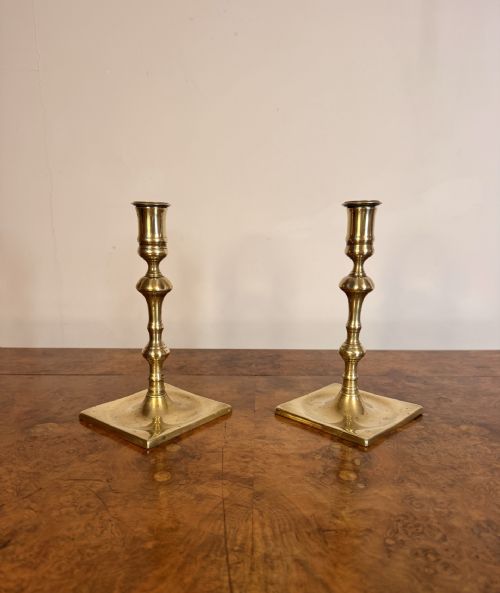
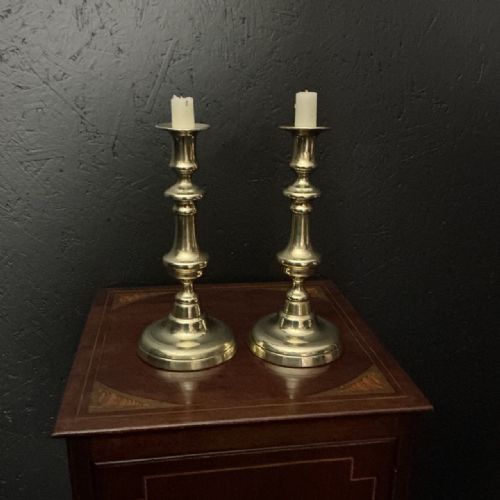
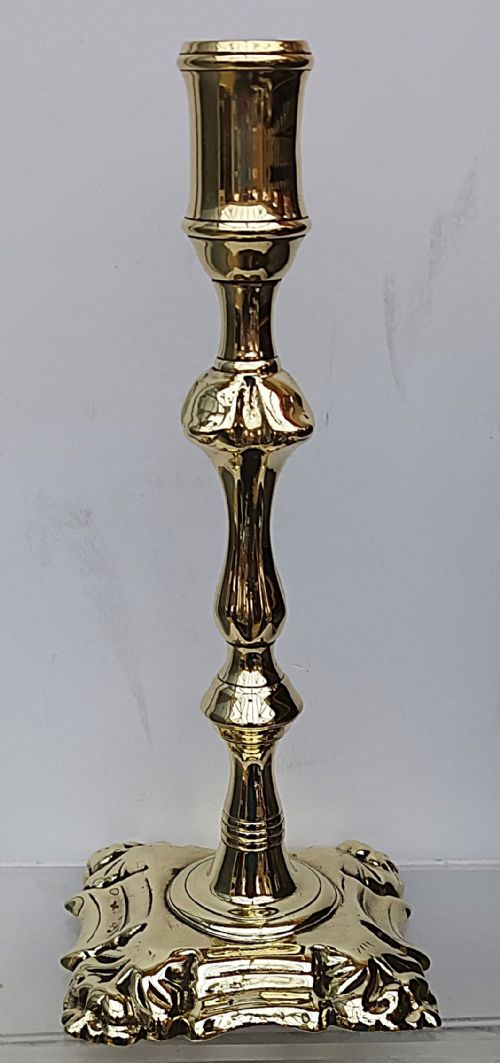
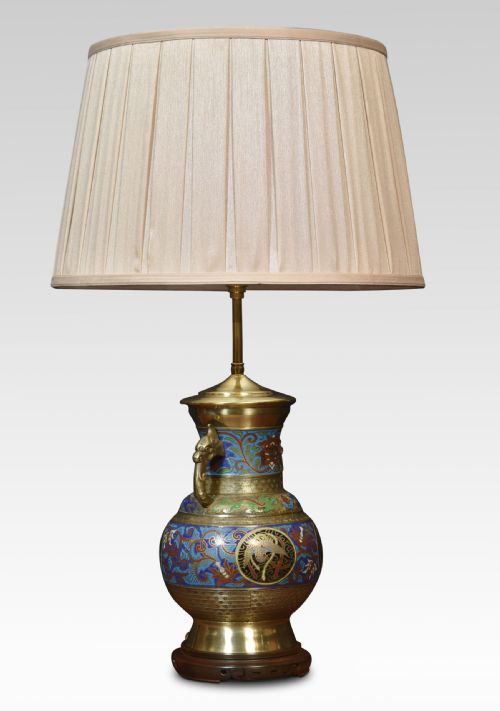
Buyers browsing this selection will most commonly encounter brass candlesticks originating from the eighteenth and nineteenth centuries, alongside occasional bronze and cloisonne pieces.
The forms range from simple Georgian baluster shapes to Japanese bronze works and Chinese lamp bases, reflecting diverse historical manufacturing traditions.
How traditional metalwork lighting was made
Construction relies heavily on cast and turned brass, utilising techniques developed over centuries to shape molten metal into sturdy sockets and stems.
Certain eighteenth-century examples incorporate ejector mechanisms within the brass shaft to lift and remove remaining candle stubs cleanly.
Materials extend beyond plain metal to include enamel detailing on cloisonne lamp bases and occasional combinations with wood and fabric.
Traditional Metalwork Lighting Retail Price Guide 2026
Typical asking prices for traditional metalwork lighting among the pieces listed under this phrase on Sellingantiques today, from the lower quarter to the upper quarter. They describe what is for sale here now, not the wider market.
Some nineteenth-century candlesticks include hidden levers designed specifically to pop out stubborn candle stubs with a single thumb press.
What varies in quality
Quality differences emerge in the crispness of the casting and the weight of the metal used in the stem and base.
The presence of integrated mechanical components, such as functional ejector mechanisms, distinguishes more sophisticated utilitarian designs from standard production.
The Traditional Metalwork Lighting Glossary
- Baluster
- A turned column shape with a swelling lower portion, frequently seen supporting the drip pan and socket on nineteenth-century candlesticks.
- Ejector
- A built-in internal mechanism operated by a small side lever designed to push the remaining candle stump out of the socket.
- Cloisonne
- An ancient technique for decorating metal object surfaces by adding compartments partitioned with thin metal strips and filled with enamel.
- Georgian
- A design period spanning the reigns of the first four British kings of that name, associated with balanced proportions and classical details.
Traditional Metalwork Lighting: Frequently Asked Questions
How do I date brass candlesticks?
Dating relies on observing base construction, casting seams, and overall stylistic proportions relative to documented periods. Eighteenth-century examples often display different base weights and turnings compared to Victorian counterparts.
Examining any wear patterns around the socket and the method used to join the stem to the base provides further chronological clues.
What is an ejector candlestick?
An ejector candlestick contains a hidden internal slide mechanism controlled by a thumbpiece on the stem. Pushing the lever raises the interior platform to eject the leftover wax.
This practical invention gained popularity during the eighteenth century to make cleaning and re-threading simpler.
Are these lamps wired for modern use?
Lamp bases from later periods, such as the 1920s cloisonne pieces, are typically adapted to accept modern electrical fittings. Candlesticks from earlier centuries are generally preserved in their original format for holding wax candles.
Buyers should check individual listing details regarding electrical status and conversion work.
How should I clean antique brass?
Antique brass requires gentle maintenance to preserve the aged surface tone and accumulated patina built up over generations. Avoid aggressive chemical polishes that strip away historical character.
A soft, dry cloth is usually sufficient for routine dust removal.