
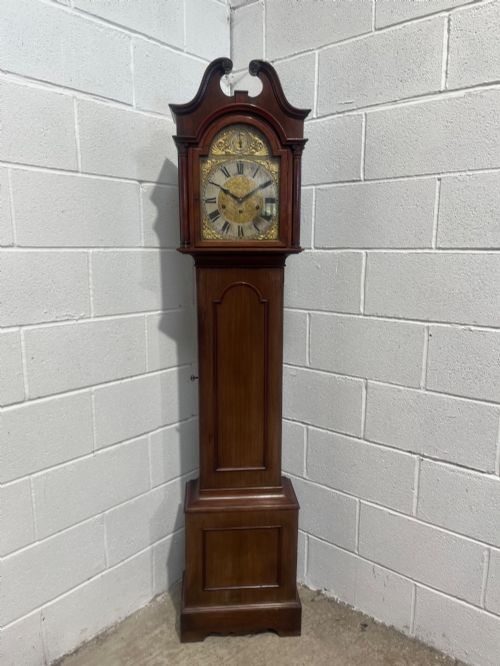
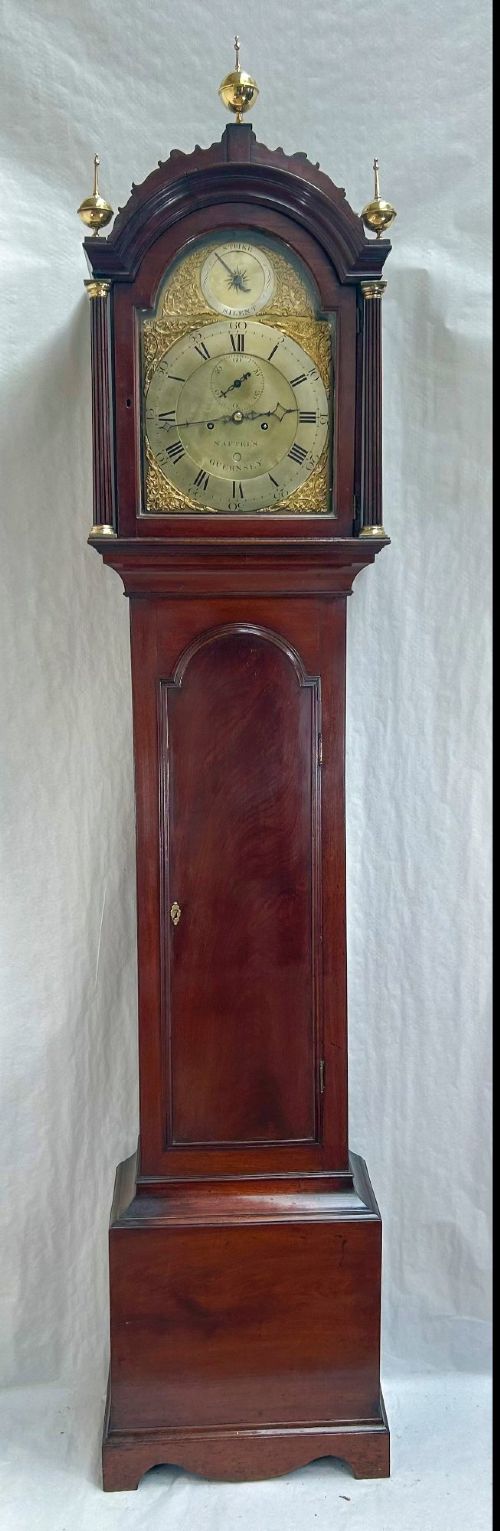
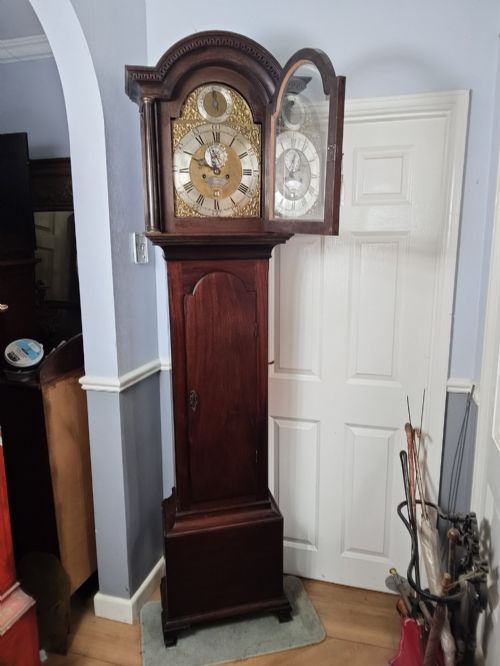
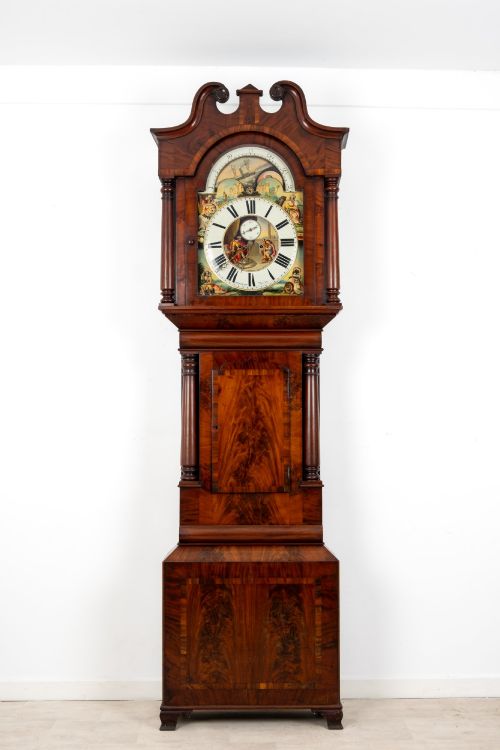
Traditional Mahogany Pendulum Clock
A traditional mahogany pendulum clock brings the steady tick and deep timber tones of Georgian, Victorian, and Regency timekeeping into a room.
Traditional Mahogany Pendulum Clock
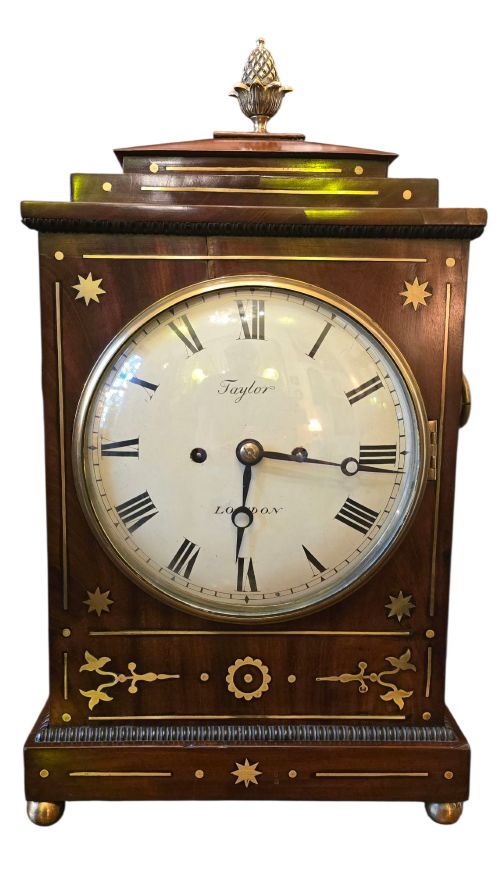
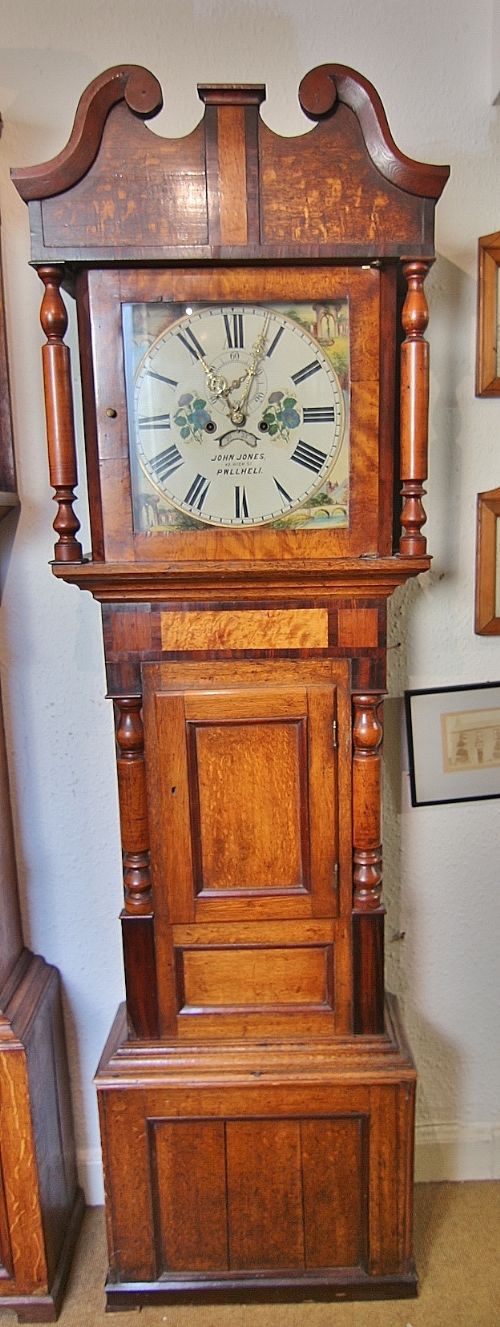
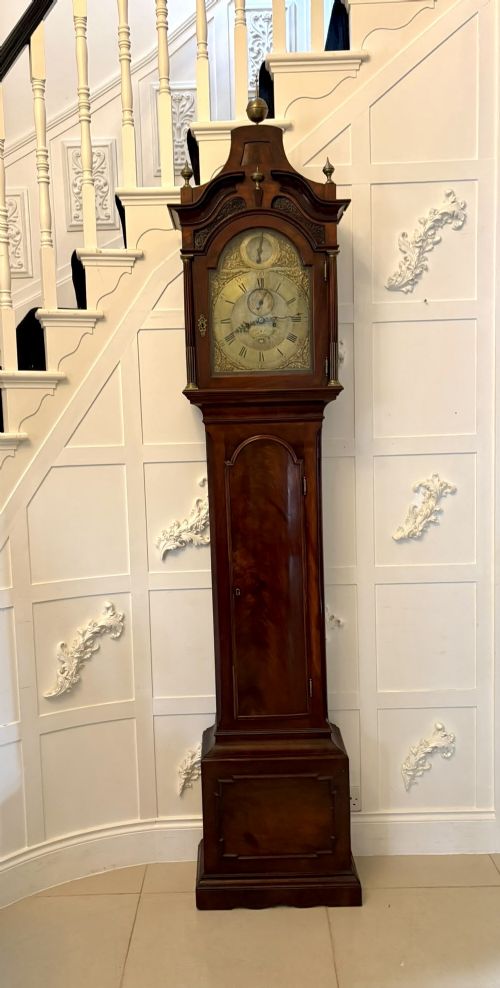
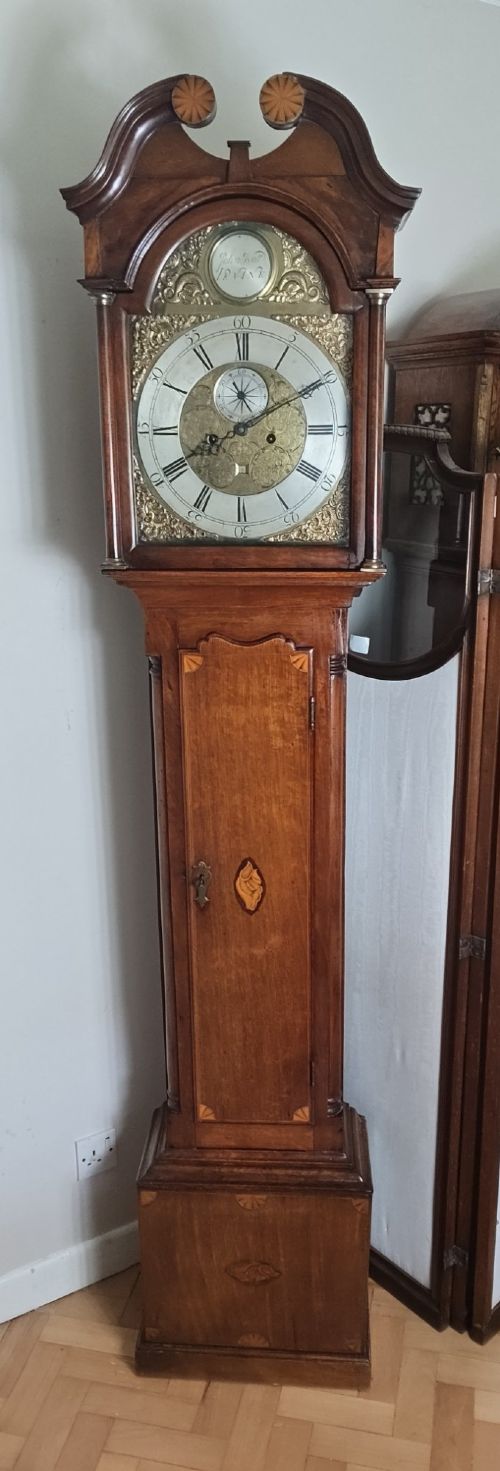
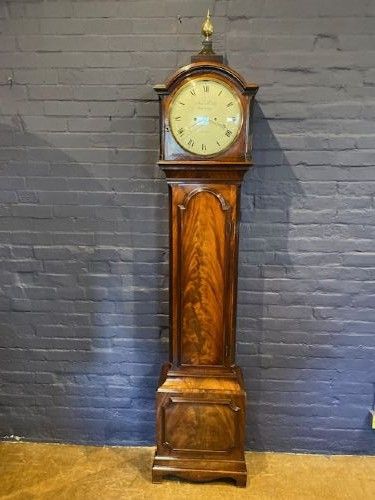
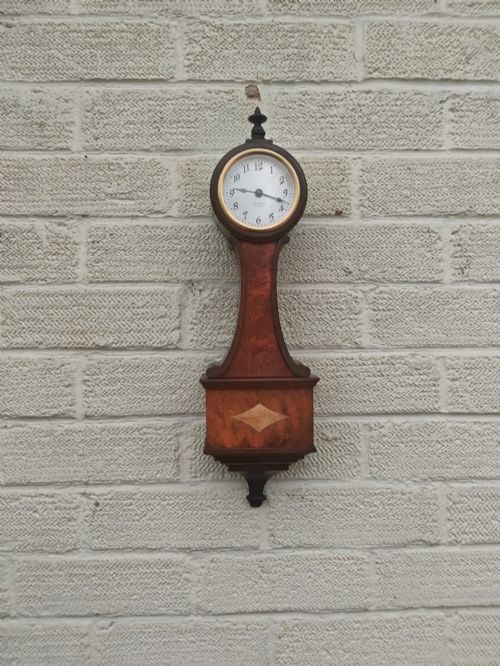
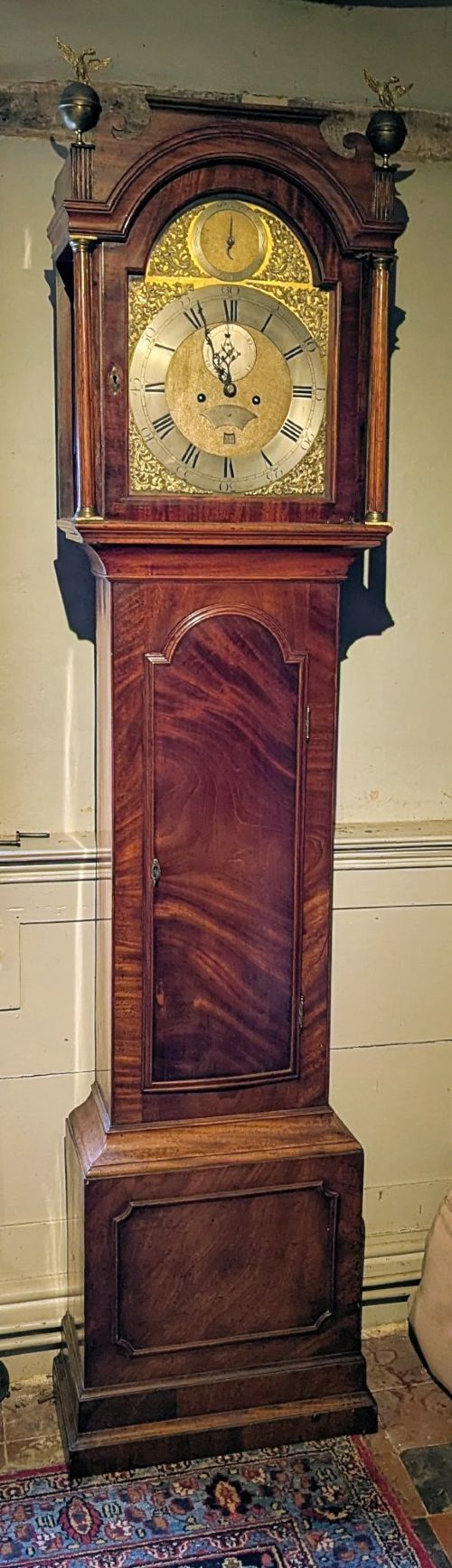
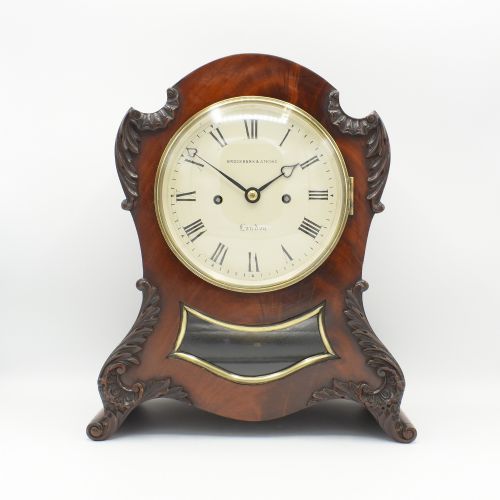
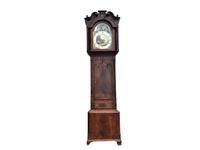
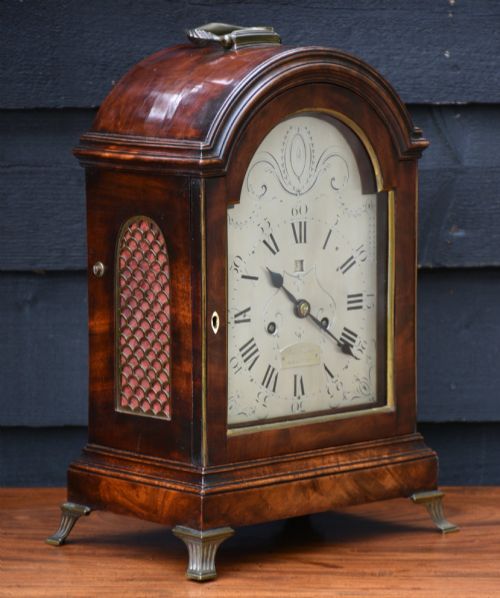
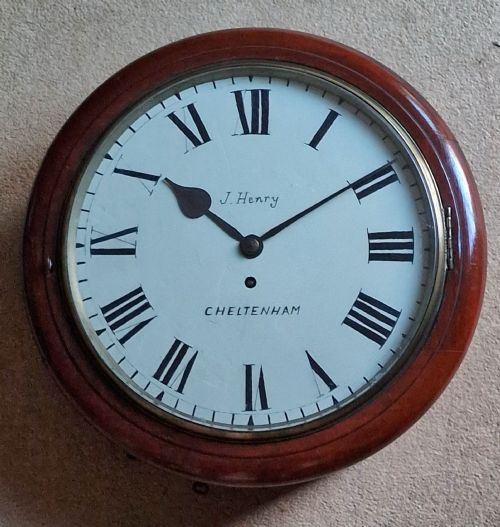
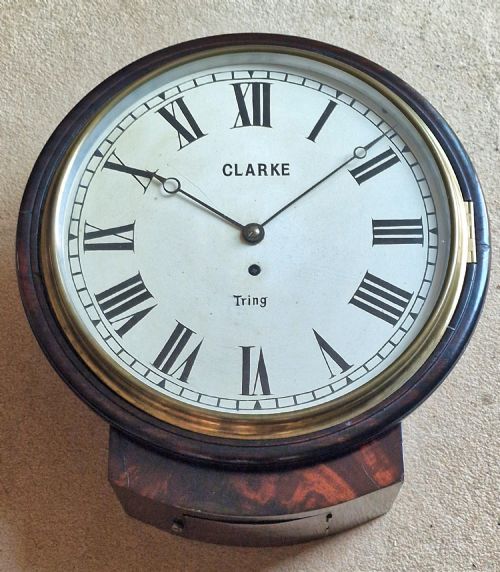
A traditional mahogany pendulum clock covers tall floor-standing longcase and grandfather models, wall-mounted dial clocks, and smaller mantel or bracket pieces. You will find these pieces spanning the 18th century, the Georgian and Regency eras, through to Victorian and Edwardian periods.
Floor-standing examples range from tall London longcase clocks with moon phases to smaller grandmother and granddaughter variants. Wall and bracket versions appear frequently, often featuring circular painted metal or iron dials driven by fusee movements.
Markers of quality
Quality rests in the precision of the movement and the crispness of the cabinet work, such as well-figured mahogany veneers and clean brass dial engravings. Maker attribution, particularly London or regional signed dials, elevates a piece.
The sophistication of the strike train, whether simple hourly striking, strike-silent capability, or quarter-chiming musical gear, distinguishes standard workshop production from finer examples.
Listings feature mahogany timepieces from the Georgian, Victorian, and Edwardian eras, utilising brass, glass, iron, and painted metal components.
James McCabe·Brockbanks and Atkins·George Clarke·Parkinson Bros·Barwise London·Henry Weedon·Mappin and Webb·John Walker·Thwaites London·Thomas Moss·Joseph Bird·Thomas Hedge
The Traditional Mahogany Pendulum Clock Glossary
- Fusee
- A conical pulley connected to the mainspring by a cord or chain, designed to equalise the torque as the spring unwinds. This mechanism helps maintain consistent timekeeping accuracy.
- Longcase clock
- A tall, weight-driven pendulum clock enclosed in a wooden case, commonly known as a grandfather clock. Shorter versions are often termed grandmother or granddaughter clocks.
- Dial clock
- A wall-mounted clock featuring a prominent circular face, frequently glazed and framed in mahogany. These were standard in offices, railway stations, and schools.
- Strike silent
- A mechanism that allows the striking train to be turned off so the clock chimes silently at the hour. It was particularly useful in bedrooms during the night.
Traditional Mahogany Pendulum Clock: Frequently Asked Questions
How do I wind a traditional pendulum clock?
Most eight-day movements require a key to wind the weights or springs through holes on the dial face every week. Care must be taken not to over-wind the mechanism.
Swinging the pendulum gently after setting the hands will start the beat. Ensure the clock case stands on a level floor to keep the tick even.
What is the difference between a longcase and a bracket clock?
A longcase clock stands on the floor and uses descending weights suspended by lines or chains to power the movement. The pendulum swings freely inside the tall trunk.
A bracket clock sits on a table, shelf, or wall bracket, relying instead on a spring-driven movement housed in a compact wooden case with a carrying handle.
How do I tell a Georgian clock from a Victorian one?
Georgian and Regency clocks usually display restrained proportions, fine brass dial spandrels, and high-grade timber veneers. Maker signatures often appear directly on the brass or painted dial face.
Victorian and later pieces tend to feature heavier proportions or mass-produced school and railway dial formats. Movement components also show machine-standardised parts rather than hand-filed finishing.
Where should I place a mahogany pendulum clock in my home?
Choose an interior wall or stable floor away from direct sunlight, central heating vents, and damp exterior walls. Mahogany timber reacts to extreme humidity and temperature shifts.
A solid foundation prevents vibrations from interfering with the pendulum swing and ensures the clock keeps accurate time.