


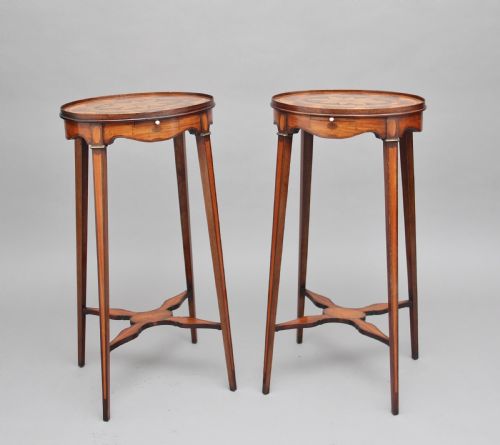


Traditional Mahogany Display Stand
A traditional mahogany display stand brings warmth and vertical elegance to a room, holding books, china or plants on rich timber.
Traditional Mahogany Display Stand
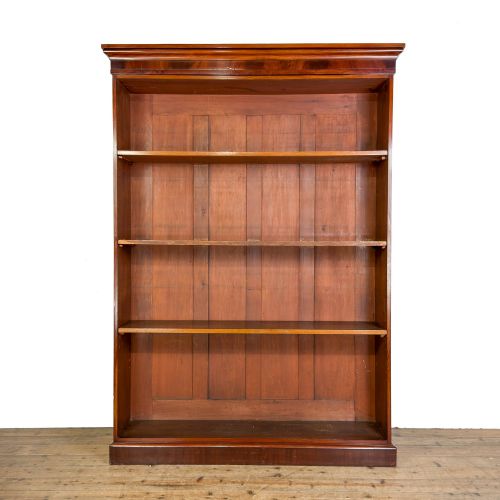
When you search for a traditional mahogany display stand, you encounter a diverse group of upright furniture designed to hold objects, books or food. The selection spans several distinct forms, from multi-tiered cake stands and slender torchere plant stands to substantial corner cupboards and open bookcases. These pieces serve practical storage and display functions while introducing rich timber tones to an interior.
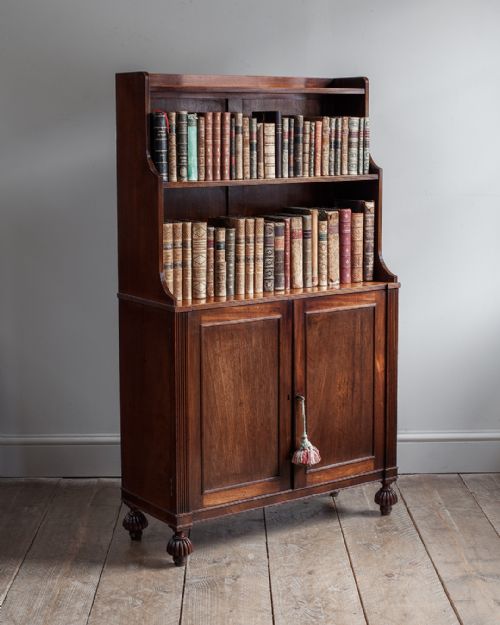
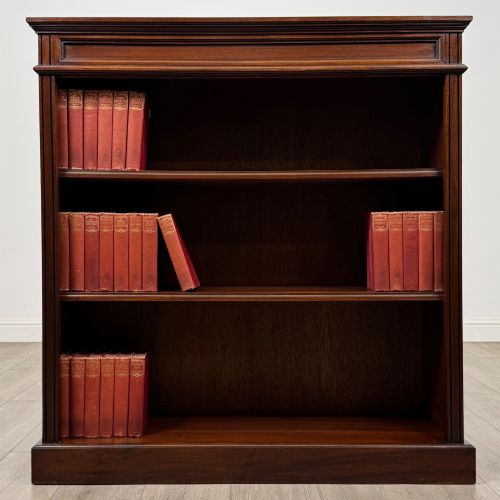
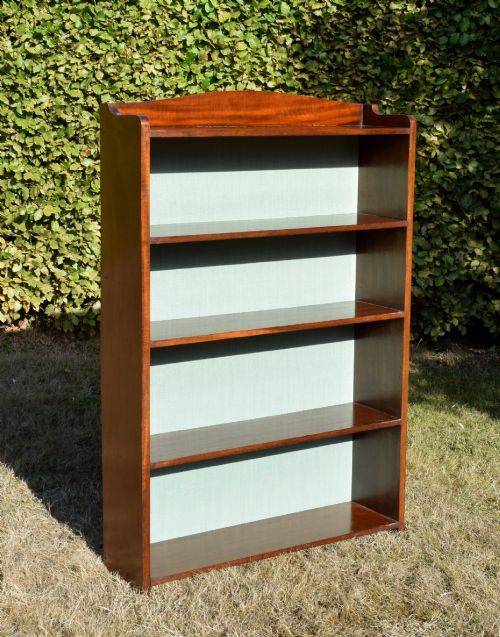
The versions most commonly met on this page date from the Victorian, Edwardian and early 20th-century periods, alongside pieces executed in Georgian and Regency styles. You will find freestanding waterfall shelves, tall open bookcases and revolving or folding tiers. Each form utilises the natural grain and deep hue of mahogany to anchor a room.
Origins vary across the pieces, encompassing formal Georgian designs through to lighter Sheraton revival interpretations and sturdy Edwardian constructions. Makers utilised the wood's inherent strength to build slender plant supports and robust corner cabinets alike. The assortment reflects domestic display habits across more than a century of British cabinet making.
Materials and construction methods
Makers built these pieces primarily from solid and veneered mahogany, often selecting figured varieties such as plum pudding mahogany for decorative impact. Secondary timbers provided internal structure, while brass fittings, glass panels and bone or boxwood stringing added functional and visual contrast. Cabinet makers shaped the dense wood using traditional hand woodworking techniques to achieve smooth tiers, turned columns and curved corner doors.
Inlaid examples incorporate contrasting light woods such as satinwood and boxwood to create delicate border patterns and geometric motifs. Torcheres and plant stands frequently feature turned central columns supported on tripod legs, whilst multi-tiered cake stands employ folding mechanisms or fixed stepped platforms. Surface finishes were carefully applied to highlight the deep red-brown grain characteristic of the timber.
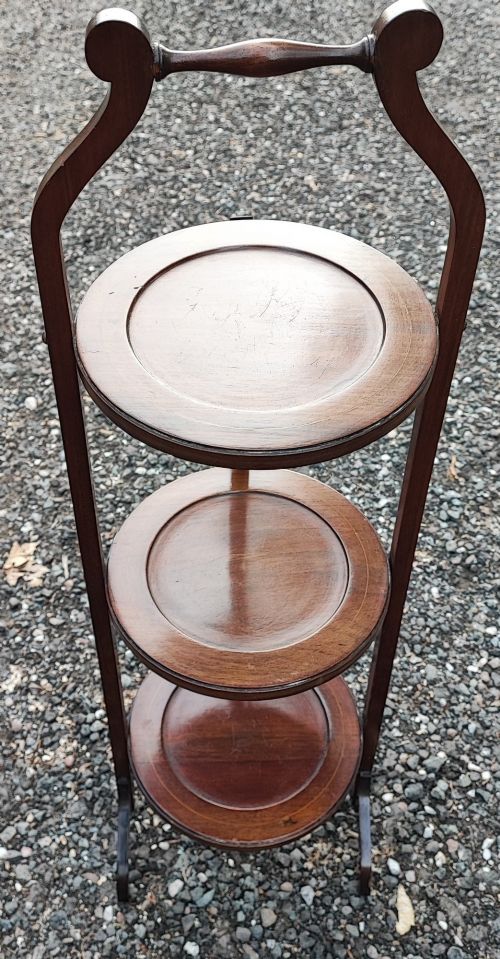
Several stands feature folding tiers designed for quick storage once the imaginary tea party concludes.
What separates the tiers of quality
The distinction between ordinary utility pieces and exceptional examples rests in the selection of the timber and the refinement of the joinery. Superior pieces display carefully matched mahogany veneers with rich natural figuring, whereas simpler items rely on plain boards. The integration of subtle stringing, fine carving and original brass hardware signals a higher standard of workshop production.
Structural integrity and proportion also dictate the standing of a piece within its type. Master craftsmen achieved balanced proportions in slender torcheres and multi-tiered stands, ensuring stability without excessive weight. The crispness of carved details and the precise fitting of doors and shelves separate standard commercial production from finer bespoke furniture.
The Traditional Mahogany Display Stand Glossary
- Mahogany
- A durable tropical hardwood prized for its deep reddish-brown colour and stable grain. It forms the primary structural and visual material for the majority of these stands and cabinets.
- Torchere
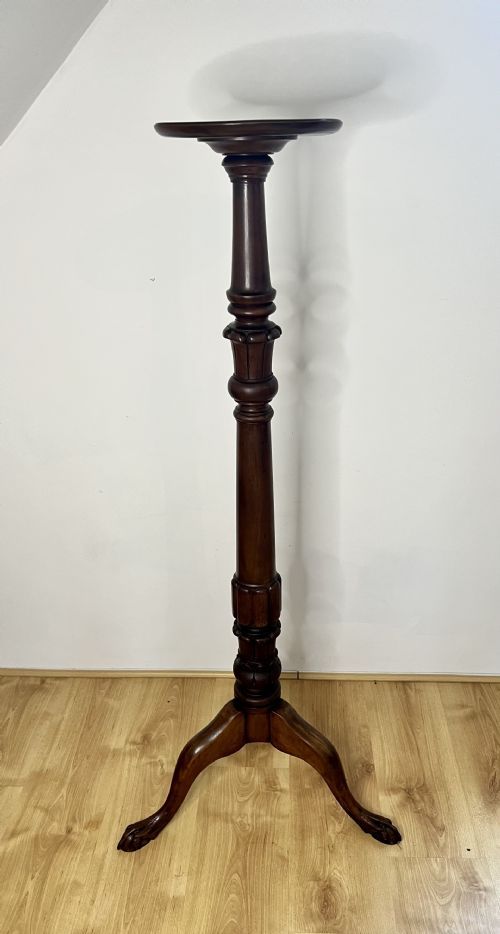
- A tall, slender stand designed to support a lamp, vase or plant. These pieces typically feature a small circular top raised on a turned pillar and supported by tripod legs.
- Waterfall bookcase
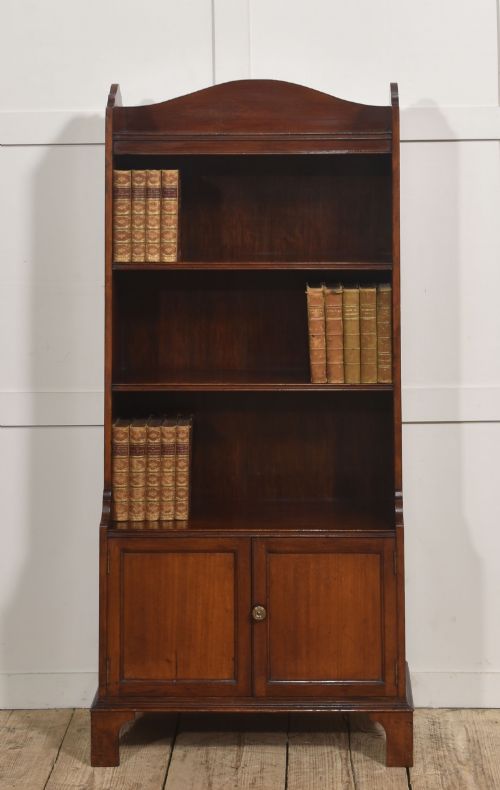
- A set of open shelves arranged in stepped tiers where each shelf is narrower than the one below. This design creates a cascading profile suited to displaying books and small objects.
- Stringing
- Thin inlay lines of contrasting light wood inserted into recesses in the primary timber. This technique defines edges and panel borders on Sheraton revival and inlaid Edwardian items.
- Dumb waiter
- A tiered freestanding piece of furniture featuring rotating or stationary circular trays. It was traditionally placed beside a dining table to hold dishes and serving items.
Traditional Mahogany Display Stand: Frequently Asked Questions
What is a torchere stand used for?
A torchere functions as an elevated platform for displaying plants, decorative urns or lighting in a room corner. Their slender profile allows them to occupy minimal floor space while drawing the eye upward.
Historically, these tall stands held candles or oil lamps to illuminate dark corners. Today, collectors utilise them to showcase botanical specimens or sculptural objects.
How do I identify a waterfall bookcase?
Waterfall bookcases feature open shelves that step back progressively from bottom to top, creating a cascading silhouette. The sides are often shaped with a downward sweep that follows the recession of the shelves.
This form became particularly popular during the Regency and Victorian periods for displaying small book collections. Their open construction allows easy access to volumes from multiple angles.
Where should I place a corner cupboard?
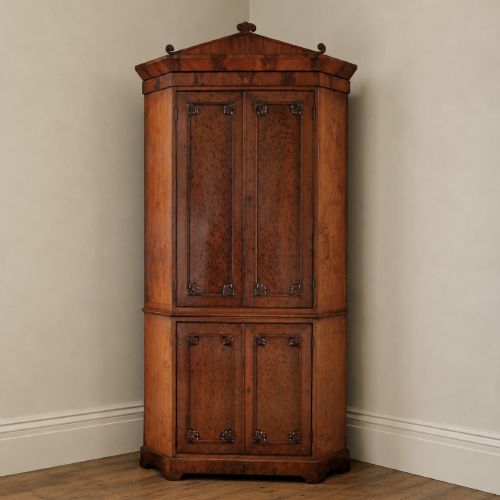
Standing and hanging corner cupboards fit neatly into ninety-degree wall intersections, making efficient use of awkward spaces. They provide enclosed shelving for displaying china, glassware or books without crowding a room.
Many feature glazed doors or panelled construction suited to dining rooms and living areas. Their wedge-shaped footprint anchors room perimeters effectively.
How do tier cake stands function?
Tiered cake stands feature two or more circular platforms arranged vertically on a central turned shaft. Some versions include folding mechanisms that allow the tiers to swing closed for compact storage.
Originally built for serving afternoon tea or holding cheese, these pieces now serve as display tiers for small decorative collections. Their portable nature makes them adaptable across different rooms.