

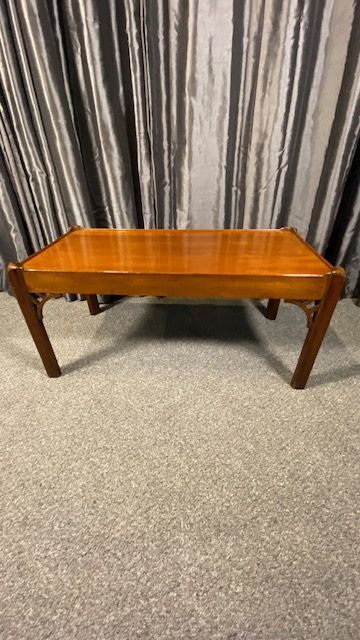
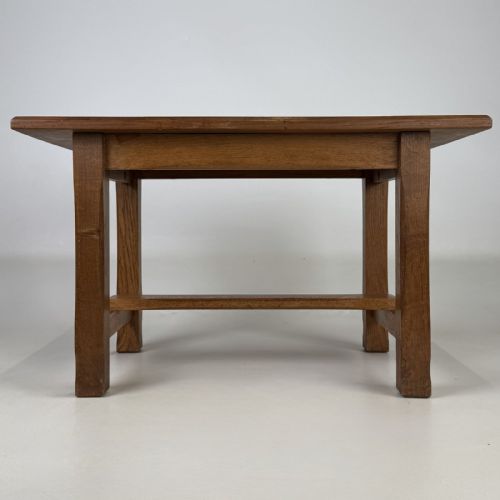
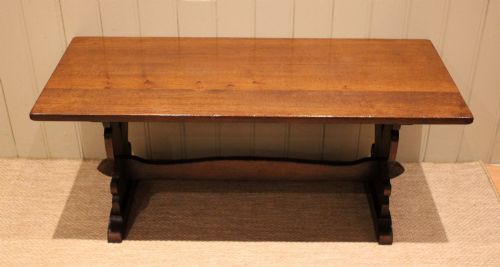
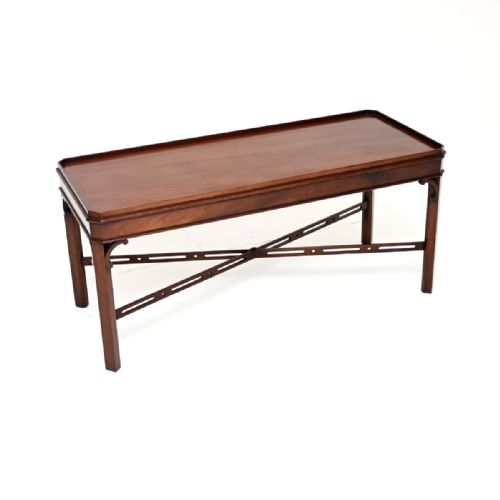
Traditional Low Wood Table
A traditional low wood table brings low-slung utility and rich timber grain to a room.
Traditional Low Wood Table
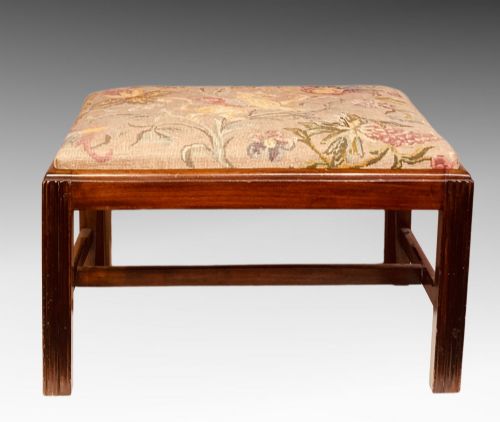
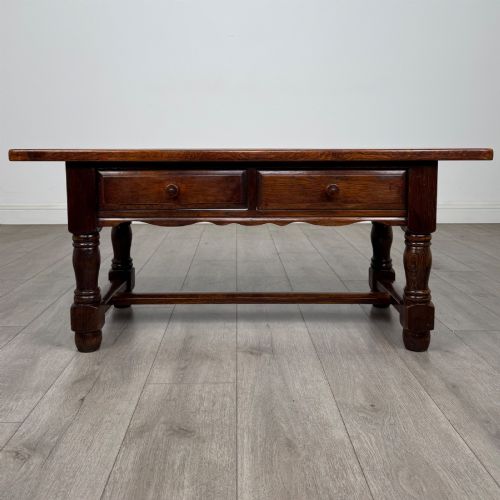
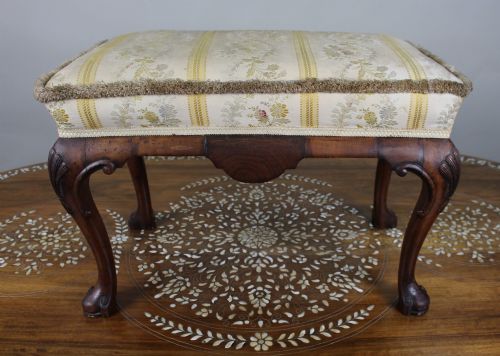
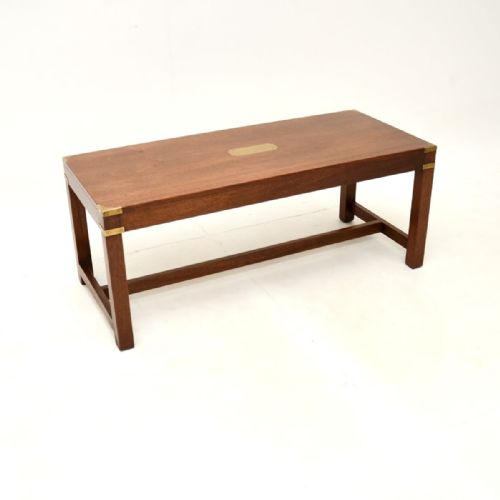
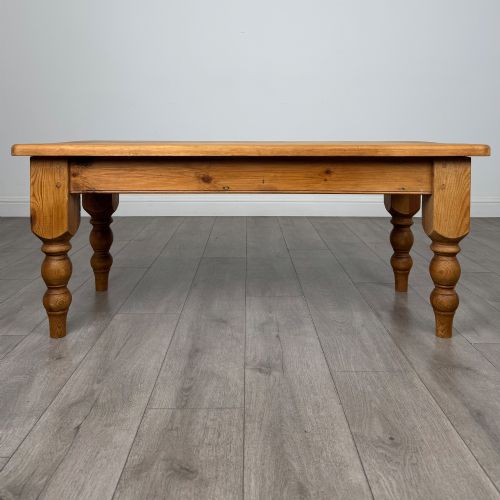
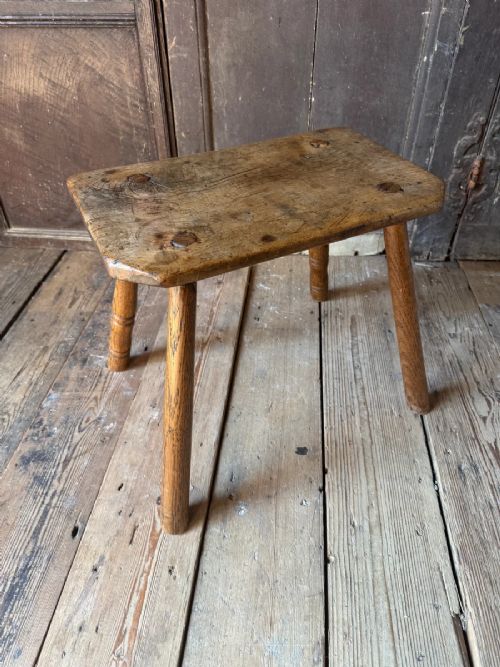
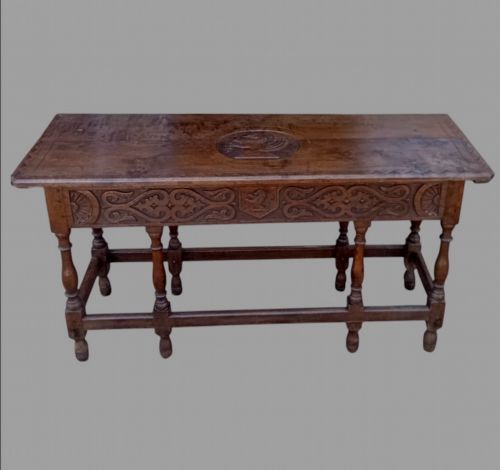
When you search for a traditional low wood table, you encounter low-slung furnishings that span coffee tables, side tables, stools, footstools, nests of tables, and console tables. These pieces emerge from periods ranging across the eighteenth, nineteenth, and early twentieth centuries, including Edwardian, Victorian, and Jacobean Revival eras.
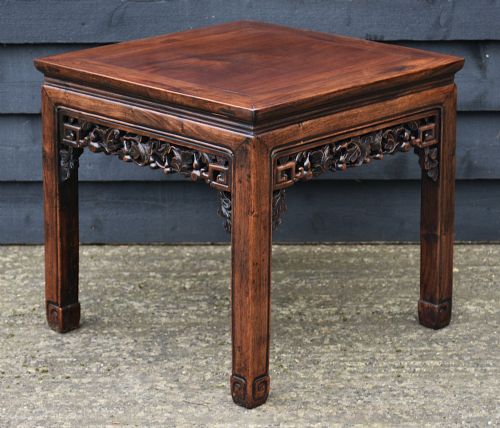
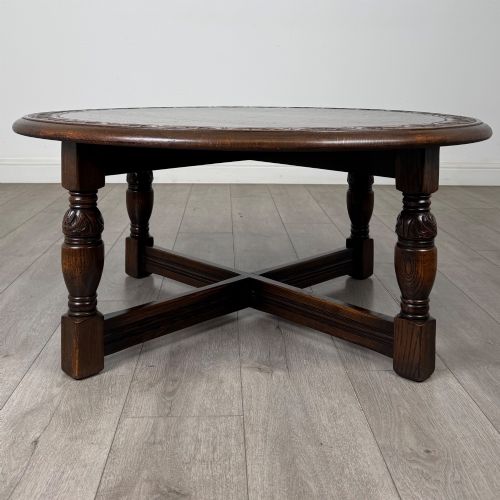
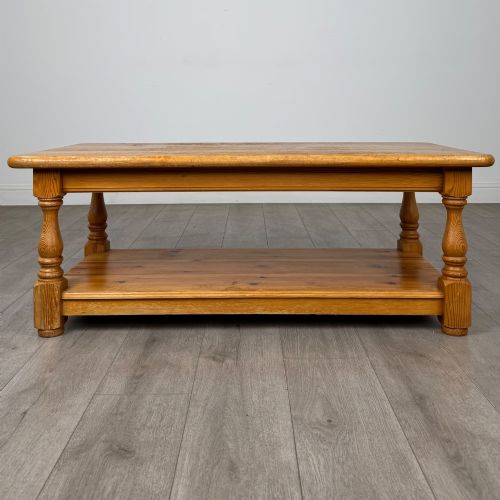
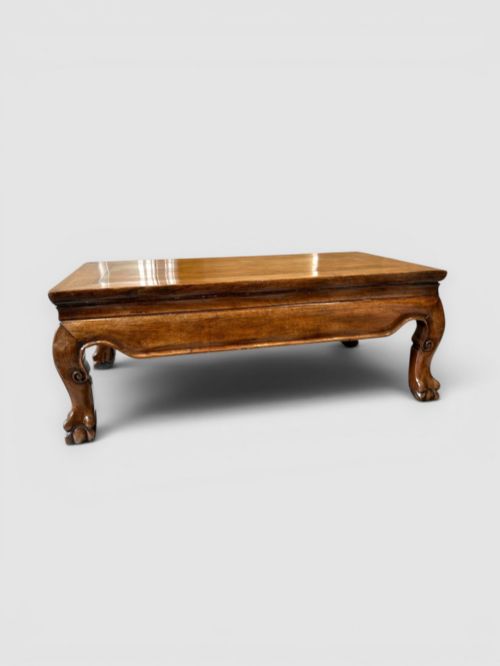
You are most likely to meet oak, mahogany, elm, or pine coffee tables and stools, alongside occasional Chinese rosewood, padouk, or opium tables. The selection encompasses vernacular country pieces, campaign styles with brass, and formal revival designs with carved legs.
Qualities of timber and joinery
The standard of a traditional low wood table rests in the selection of the timber grain, whether figured mahogany, burr walnut, oyster veneer, or solid quarter-sawn oak. Superior examples display thoughtful proportions and harmonious integration of secondary woods.
Execution of carved details and the crispness of turned legs separate competent vernacular carpentry from finer formal production. The integrity of the original joints and the depth of the polished surface finish determine the lasting character of the piece.
Traditional Low Wood Table Retail Price Guide 2026
Typical asking prices for traditional low wood table among the pieces listed under this phrase on Sellingantiques today, from the lower quarter to the upper quarter. They describe what is for sale here now, not the wider market.
Several tables were originally built for smoking opium or brewing tea before finding a second life holding modern coffee cups.
The Traditional Low Wood Table Glossary
- Coffee Table
- A low table designed to sit before a sofa or seating area. These forms became particularly prominent in twentieth-century iterations of earlier designs.
- Opium Table
- A low-set Chinese table historically used for dining or resting. They typically feature recessed legs and substantial timber construction in rosewood or padouk.
- Quartetto
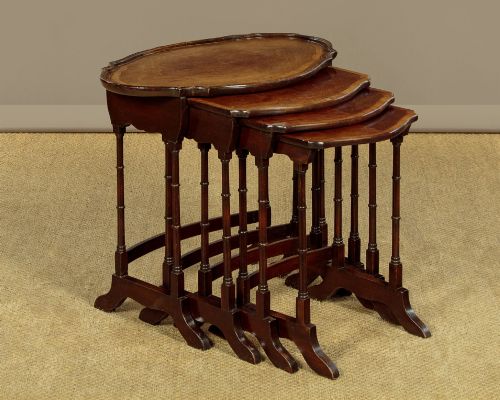
- A set of four graduating tables that nest beneath one another. This space-saving design gained popularity in the Edwardian and interwar periods.
- Joint Stool
- A sturdy wooden stool constructed with mortise and tenon joints, often predating dedicated coffee tables. Many examples serve as low occasional surfaces today.
- Oyster Veneer
- Slices cut transversely from small branches to create circular oyster patterns in wood. This technique appears on decorative surfaces of walnut or fruit wood.
Traditional Low Wood Table: Frequently Asked Questions
What is a traditional low wood table used for?
These low-slung surfaces serve multiple domestic functions, operating primarily as coffee tables, low side tables, or occasional display surfaces before seating.
Their modest height makes them practical for resting books, drinks, or decorative objects while maintaining open sightlines across a room.
How do I identify an older wooden table?
Examine the timber species, construction joints, and surface wear to gauge the age of a piece. Eighteenth and nineteenth-century examples often employ solid regional woods like oak, elm, or mahogany with hand-cut joinery.
Revival styles from the Edwardian period or the 1930s replicate these traditional forms using period machinery and characteristic turning or carving details.
Are Chinese low tables difficult to place?
Chinese low tables, including opium tables and rosewood or padouk coffee tables, integrate well into contemporary interiors by providing low horizontal lines. Their restrained ornamentation complements both traditional and modern decor.
They function effectively as focal points in living spaces or as platforms for low-profile displays.
What woods were used for these tables?
Maker workshops utilised a wide variety of domestic and exotic timbers depending on the region and period. British and European pieces frequently feature oak, mahogany, walnut, elm, pine, sycamore, ash, fruit wood, and yew.
Eastern pieces draw on dense hardwoods such as Chinese rosewood, padouk, and lacquered substrates.