
Traditional Low Back Chair
A traditional low back chair brings sturdiness and regional character to a room, offering low-slung seating rooted in centuries of vernacular design.
Traditional Low Back Chair
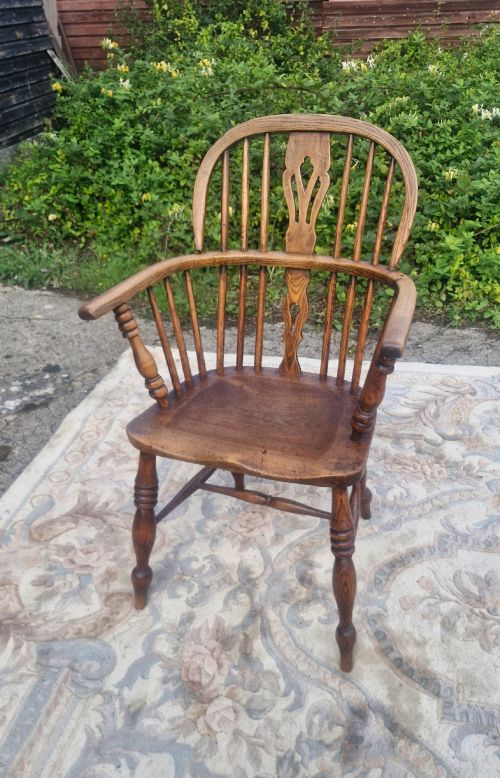
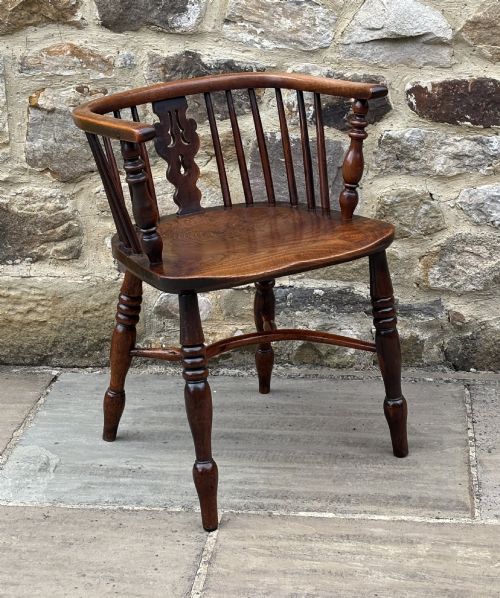
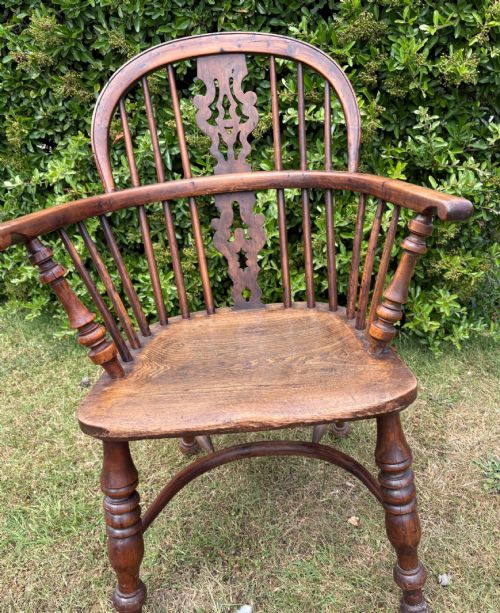
A traditional low back chair encompasses various vernacular and formal seating forms, most frequently appearing here as Windsor armchairs, smokers' bows, and captains' chairs originating from the eighteenth, nineteenth, and early twentieth centuries. These pieces span English country, provincial, and Victorian styles, reflecting diverse regional origins such as Nottinghamshire and workshops like Gabbitass Worksop.
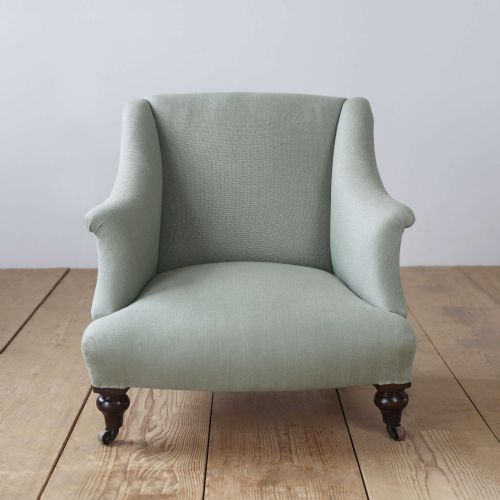
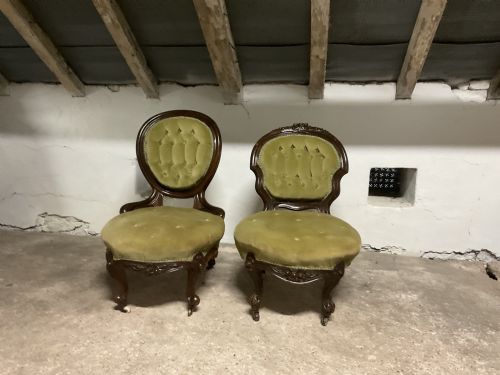
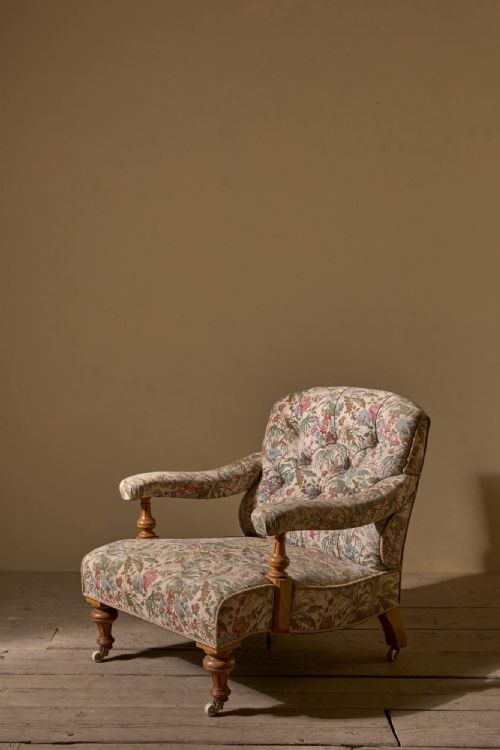
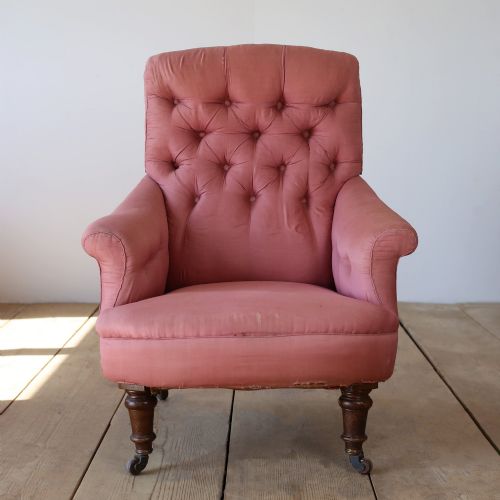
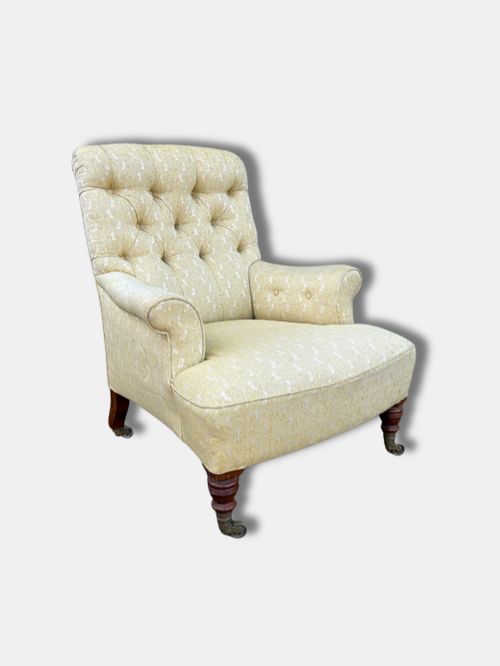
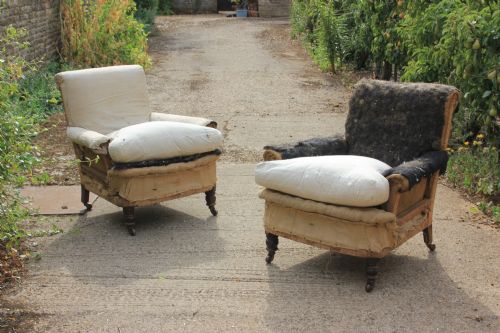
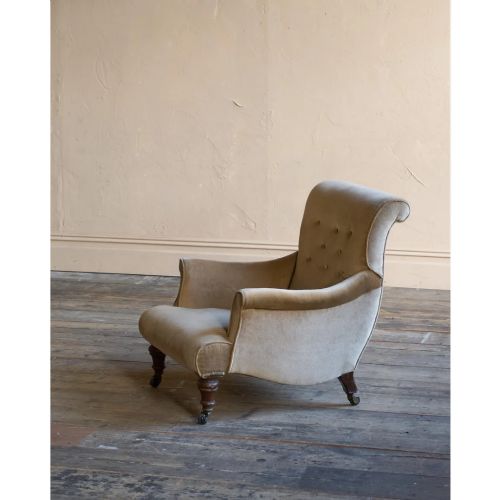
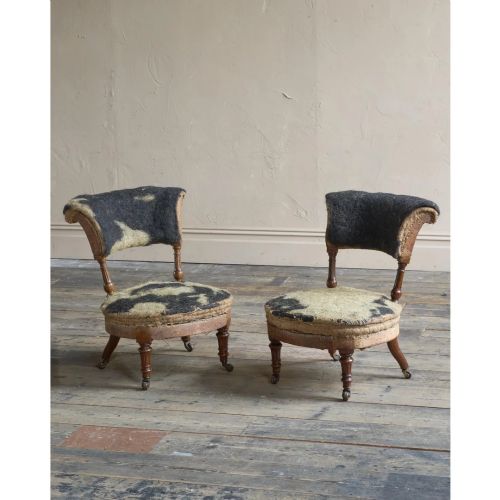
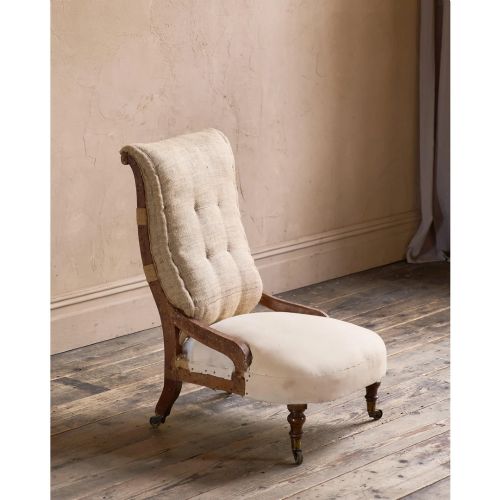
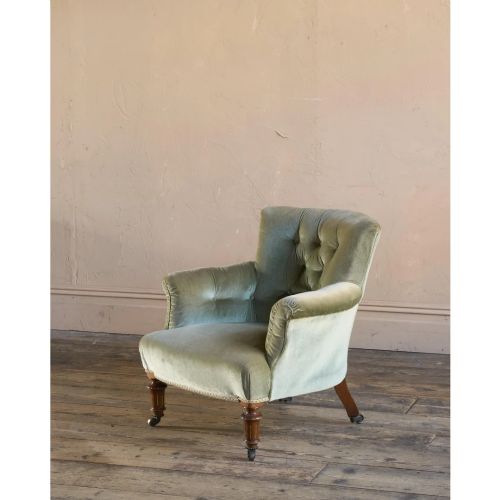
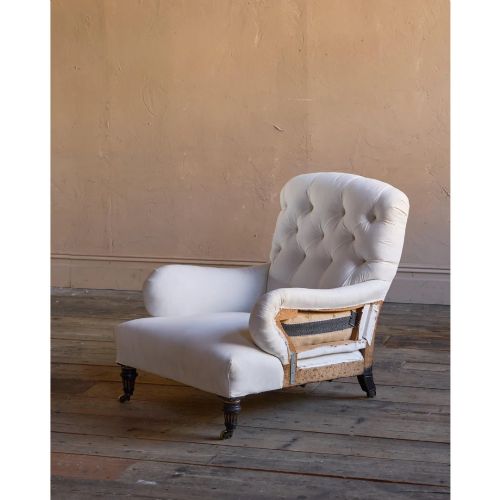
Beyond spindle-backed Windsor designs, this grouping includes upholstered seating such as button-back armchairs, nursing chairs, slipper chairs, and desk chairs from the Victorian and Edwardian eras. Makers and firms such as Howard and Sons and Gillows also contribute heavily upholstered club and lounge forms to the selection.
Buyers encountering these listings will find a strong emphasis on low-slung profiles designed for fireside use, desk work, or bedroom placement. The materials shift according to the specific form, balancing the rustic charm of regional Windsor types against the upholstered comfort of nineteenth-century drawing-room chairs.
Materials and construction methods
Construction relies heavily on traditional timber selection, combining ash, elm, beech, oak, alder, and yew in vernacular Windsor and captain's chairs. Elm is typically chosen for solid, sculpted seats, while ash and beech provide strong, flexible spindles and bentwood parts.
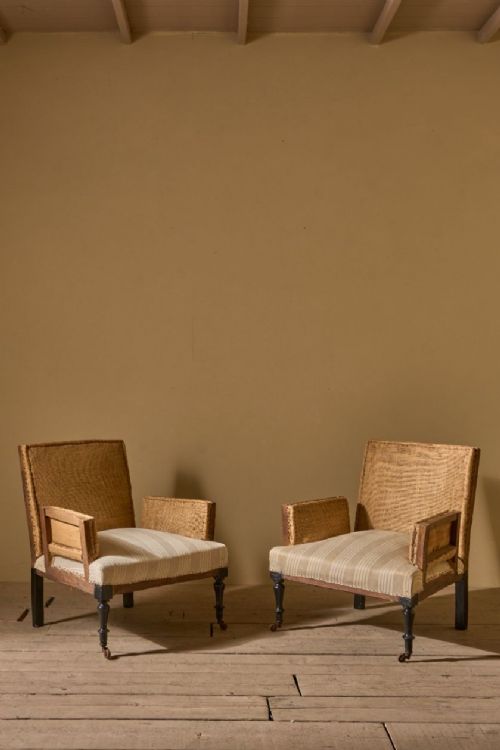
Upholstered forms utilise internal webbing, springs, and stuffing covered in fabrics such as velvet, hide, and specialised textiles like Robert Kime Avebury fabric. Secondary structural elements incorporate brass details and iron frames, particularly within nineteenth-century nursing and desk chairs.
Upholstered pieces range from nineteenth-century iron-back nursing chairs to aesthetic movement and Howard style club armchairs.
Distinctions in quality and execution
Quality separates pieces by the integrity of their timber selection, such as the presence of burr back splats in yew wood Windsors or deeply figured elm seats. Maker attribution also elevates certain examples, with stamped inventory marks or documented works from prominent London firms commanding distinct interest.
The sophistication of the joinery and upholstery finish determines the upper tier of the range. Original frames retain tighter structural alignment, crisper turning on spindles, and untouched upholstery foundations compared to heavily altered or later-reconstructed examples.
Howard and Sons·Gillows·Gabbitass Worksop·Shoolbred
The Traditional Low Back Chair Glossary
- Windsor chair
- A wooden chair built with a solid sculpted seat into which the legs and back spindles are separately tenoned. These pieces often feature bentwood bow backs and regional variations in turning.
- Smokers bow
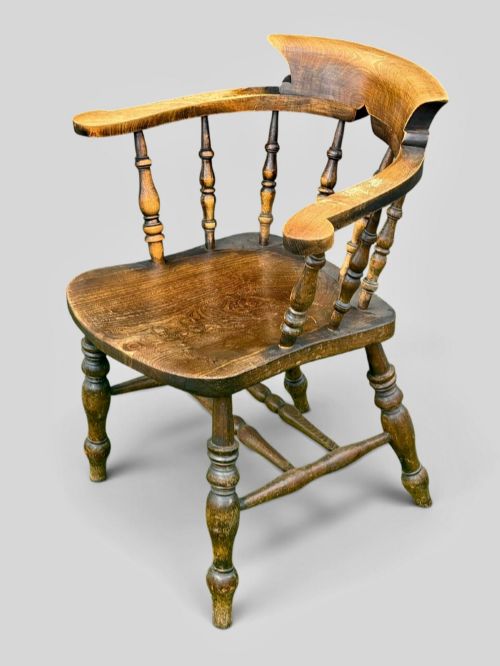
- A sturdy, low-backed Windsor variant featuring a continuous curved armrail supported by turned spindles. This form is frequently constructed from ash and elm.
- Button back
- An upholstery technique where depressions are created in the padding by pulling twine tightly through to the frame and securing it with buttons. This creates a distinct diamond pattern across the backrest.
- Slipper chair
- A low-set upholstered bedroom chair traditionally designed for ladies to sit while dressing. They lack arms to accommodate voluminous nineteenth-century garments.
- Spindle
- A slender, turned wooden rod used to form the backrest or undercarriage of a chair. These elements are shaped on a lathe to provide structural support and decoration.
Traditional Low Back Chair: Frequently Asked Questions
What is a smokers bow chair?
A smokers bow chair is a low-backed wooden armchair sharing construction traits with the Windsor tradition, typically featuring a rounded arm rail and turned spindles above an elm seat.
These pieces were common in nineteenth-century country settings, public houses, and domestic parlours, prized for their robust build and comfortable proportions.
How do I identify a Windsor chair?
A Windsor chair is distinguished by its solid wooden seat into which the legs and back components are wedged and pinned directly, rather than relying on a traditional framed chassis.
They appear in various regional British styles, often combining woods like ash for the bent components and elm for the heavy seat slab.
Where were low back chairs used?
Low back chairs were designed for specific domestic spaces including bedrooms, firesides, and studies, where compact dimensions or low profiles were practical.
Upholstered versions served as nursing or slipper chairs, while wooden variants functioned as desk chairs or smoking seats.
How do I care for antique wood chairs?
Antique wooden chairs require stable indoor humidity levels to prevent the timber from drying out or shrinking, which can loosen the joints between spindles and seats.
Routine maintenance involves dusting with a dry cloth and occasionally applying traditional beeswax to nourish the polished wood surface.