




Traditional Log Holder
Traditional log holder designs manage hearth fuel using durable materials that combine function with period craftsmanship.
Traditional Log Holder
A traditional log holder encompasses fireside storage vessels designed to keep firewood tidy beside a hearth. Buyers searching this phrase encounter a variety of forms, from metal bins and buckets to woven baskets and wooden boxes.
The selections span multiple eras, showing particular concentration in nineteenth-century examples alongside eighteenth-century specimens and early twentieth-century pieces. Common regional origins include English, French, and Scandinavian workshops.
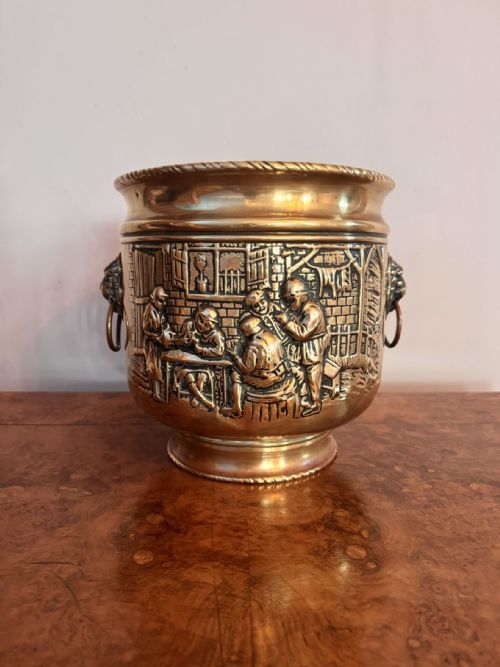
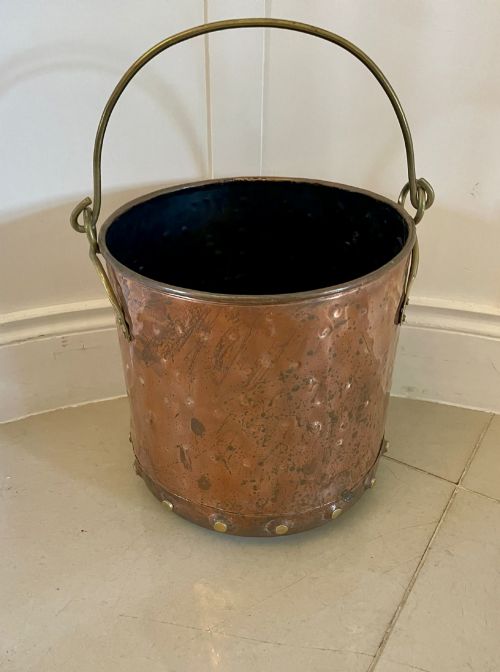
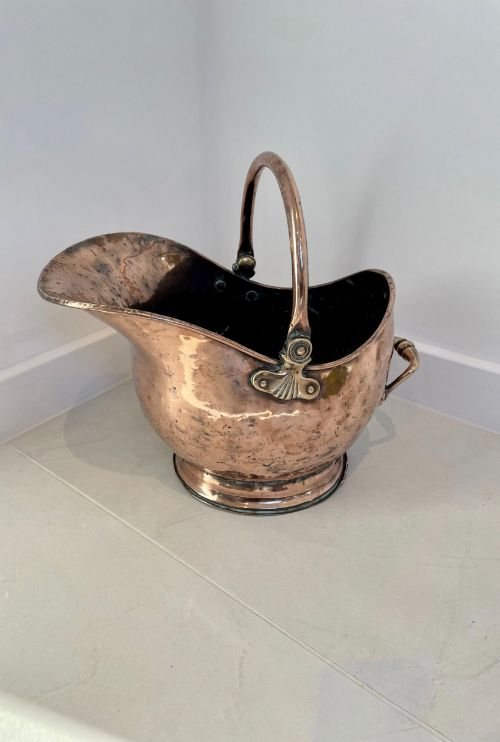
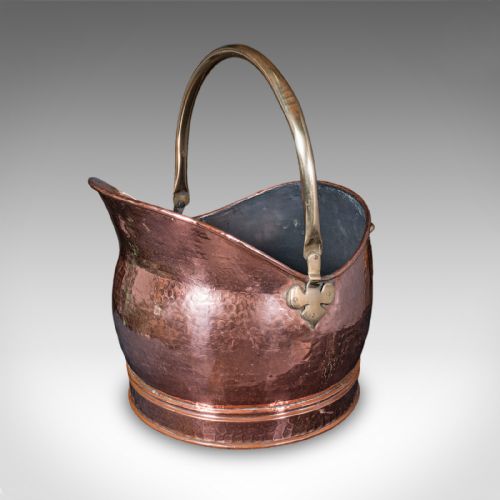
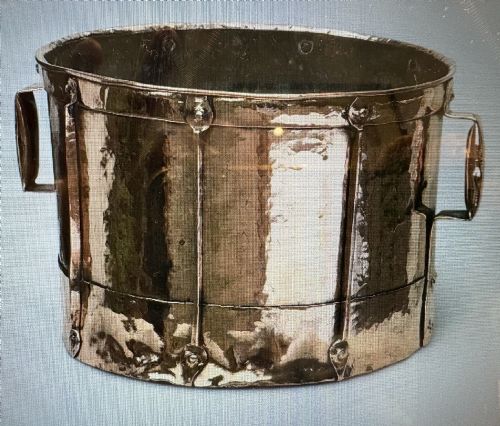
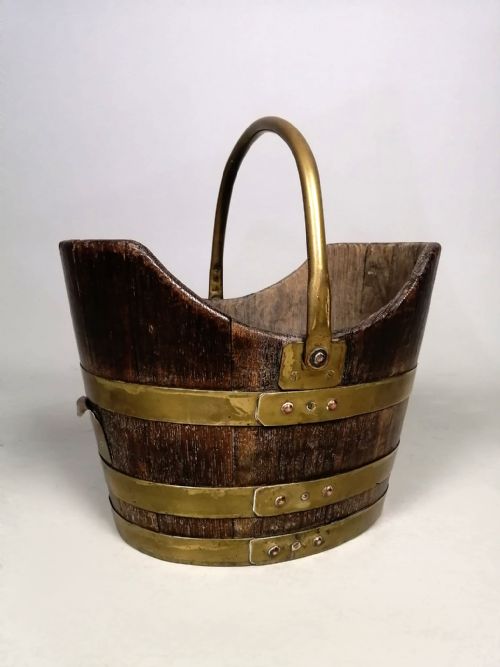
Vessels take many shapes including helmet scuttles, grain measures, and coopered fire buckets. These objects serve both practical containment and decorative hearth placement.
Materials and Construction
Metal items utilise beaten copper and brass sheets joined with rivets, alongside heavy cast and wrought iron shaped by blacksmiths. Wooden containers employ traditional joinery and coopered staves of oak, pine, or mahogany bound with metal bands.
Surface finishes display hand-finished patination, polished metal highlights, and woven plant fibres. Artisans used forging, hammering, and cooperative stave assembly to ensure structural endurance for heavy fuel storage.
Traditional Log Holder Retail Price Guide 2026
Typical asking prices for traditional log holder among the pieces listed under this phrase on Sellingantiques today, from the lower quarter to the upper quarter. They describe what is for sale here now, not the wider market.
French grain measures found a second life beside English hearths, proving that sturdy agricultural vessels make excellent log bins.
Distinctions in Quality
Superior examples demonstrate heavier gauge metalwork and robust structural framing that withstands repeated loading. Finer pieces often feature decorative motifs, such as brass banding or hand-forged scrollwork, executed with precision.
The integrity of construction separates standard utility items from higher grade pieces, particularly in the tightness of coopered staves or the clean lines of hand-forged iron and cast brass components.
The Traditional Log Holder Glossary
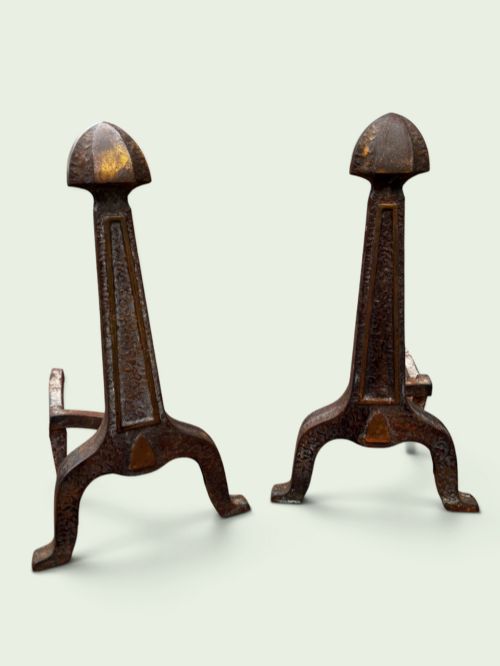
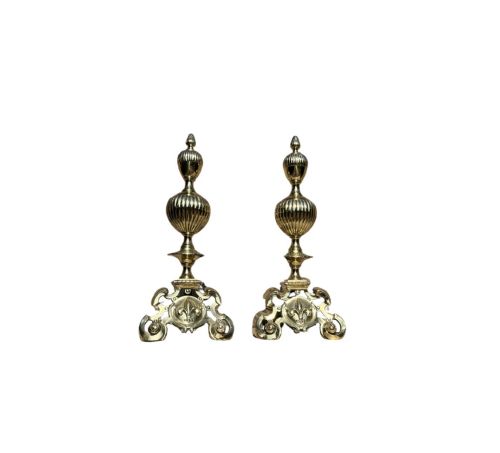
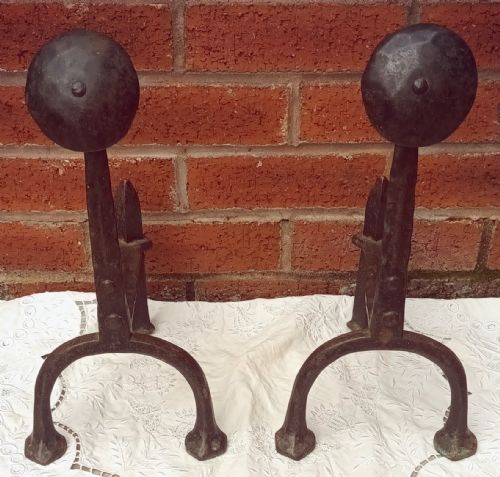
- Andirons
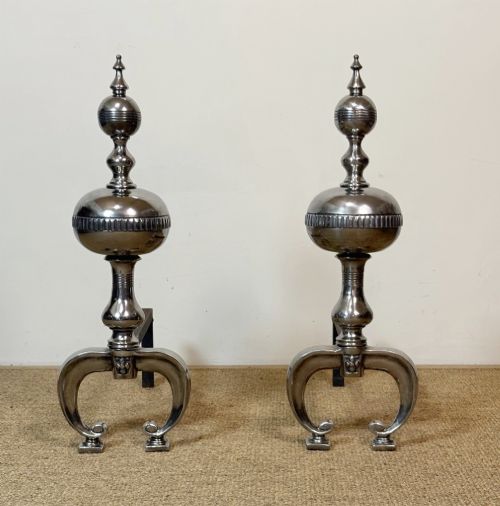
- Iron supports used to raise logs off the hearth floor to improve air circulation. They often feature decorative front standards.
- Coal Scuttle
- A bucket or container designed for carrying and storing coal near a fire. Many Victorian versions feature a hinged lid and a sloping rim.
- Coopered
- Constructed from wooden staves fitted together and bound with metal hoops, much like a traditional barrel. This technique provides strength for holding heavy loads of wood or peat.
- Fire Basket
- An iron grate designed to hold burning fuel safely within a fireplace opening. They frequently incorporate decorative metalwork styles.
Traditional Log Holder: Frequently Asked Questions
How do I choose a log holder?
Select a vessel size that matches your hearth capacity and fuel volume. Consider whether open baskets or enclosed metal bins suit your room layout.
Match the material, such as warm copper, polished brass, or dark iron, to the existing metalwork and period character of your fireplace.
What is an andiron?
Andirons are horizontal metal bars supported by decorative vertical pillars placed inside a fireplace. They hold logs securely above the hearth floor.
Pairs of andirons often match companion fire baskets and log holders to create a cohesive fireside arrangement.
How were coopered buckets made?
Coopered items utilise curved wooden staves bound tightly together with metal hoops. This skilled technique creates robust cylindrical vessels without modern adhesives.
Master coopers used woods like oak, pine, and mahogany to build sturdy containers for fuel storage.
Where were these pieces used?
These accessories served daily domestic functions beside domestic hearths in parlours, inglenooks, and living spaces. They kept fuel dry and accessible.
Today, they transition easily into modern interiors as decorative storage containers for blankets or magazines.