
Traditional Library Shelving Unit
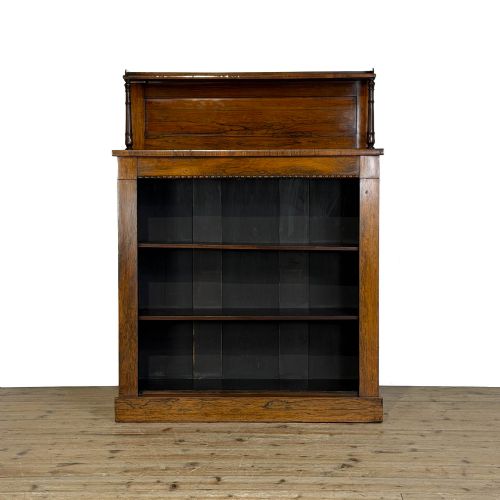
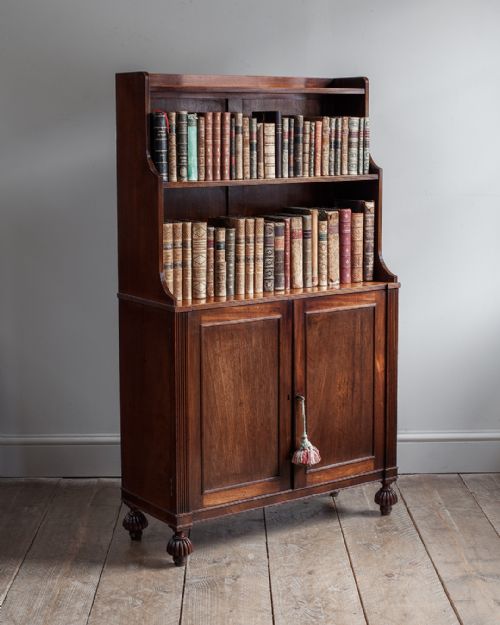
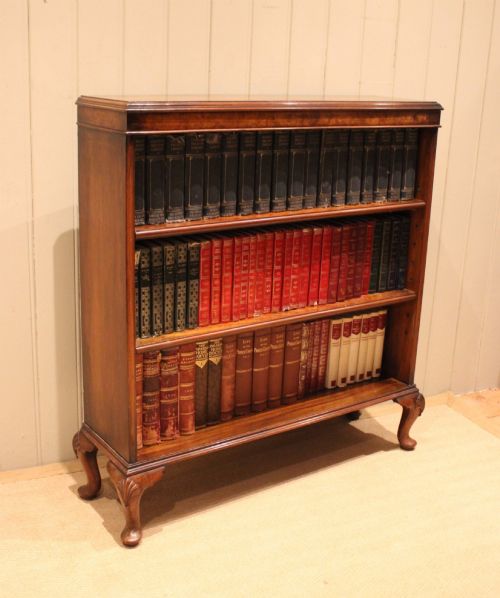
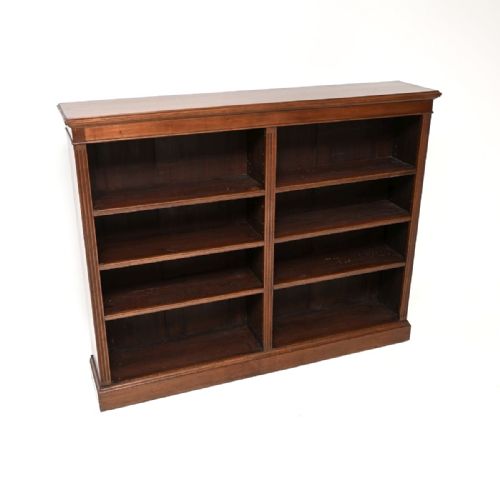
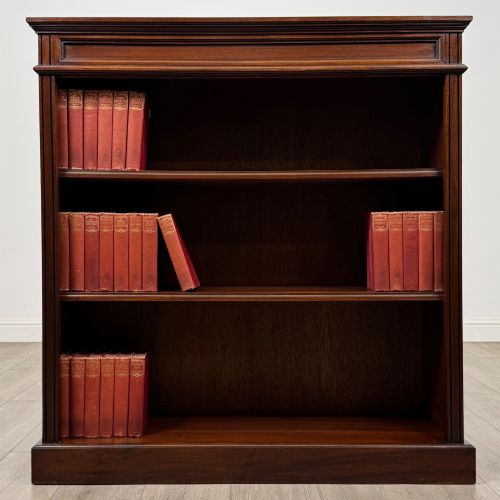
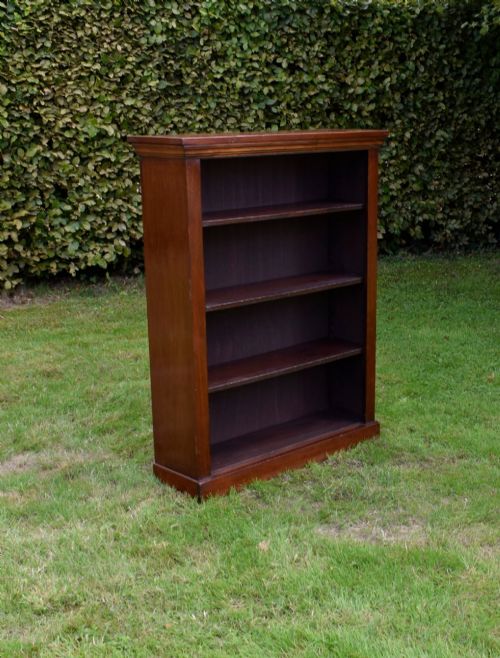
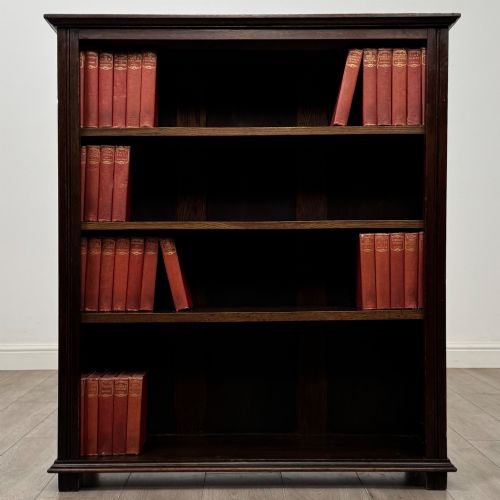
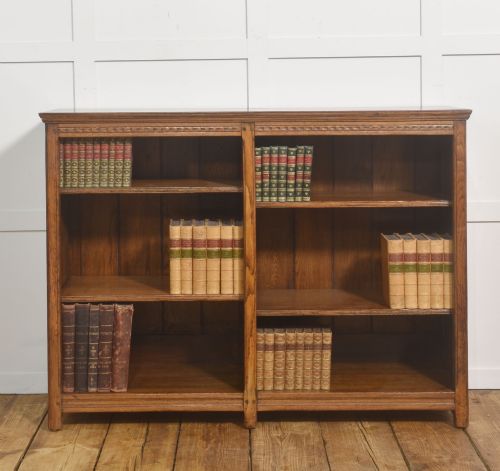
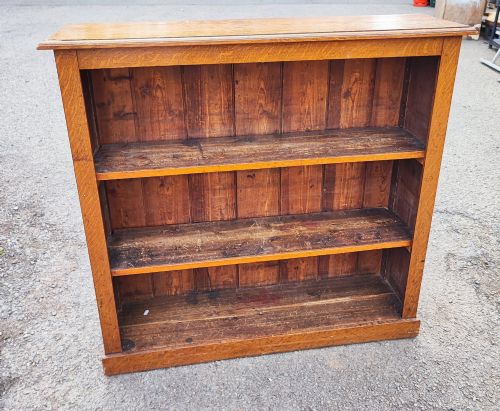
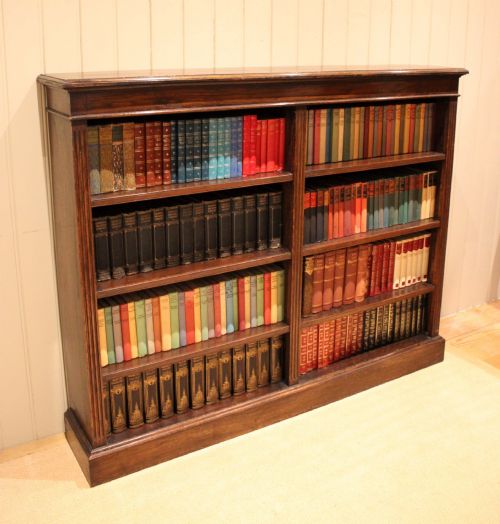
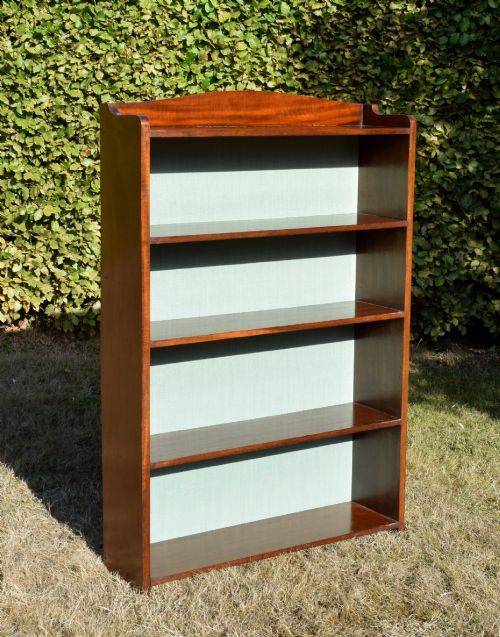
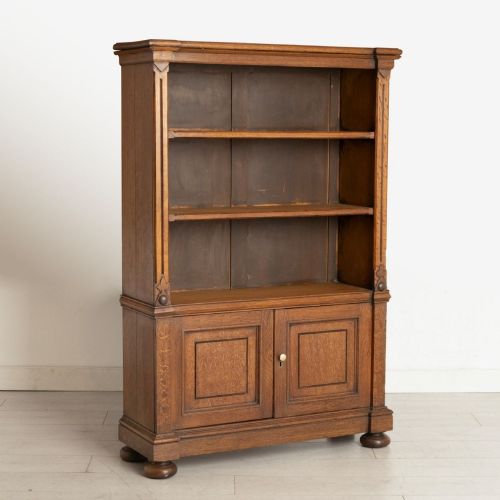
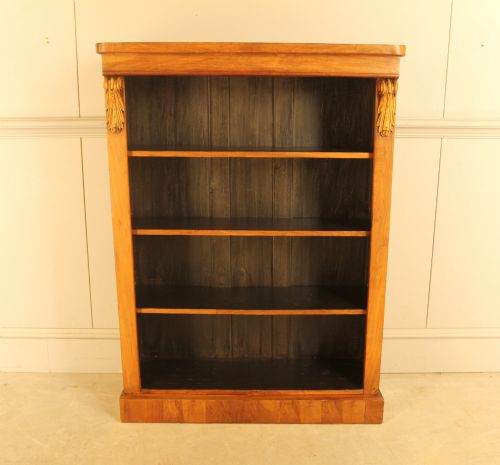
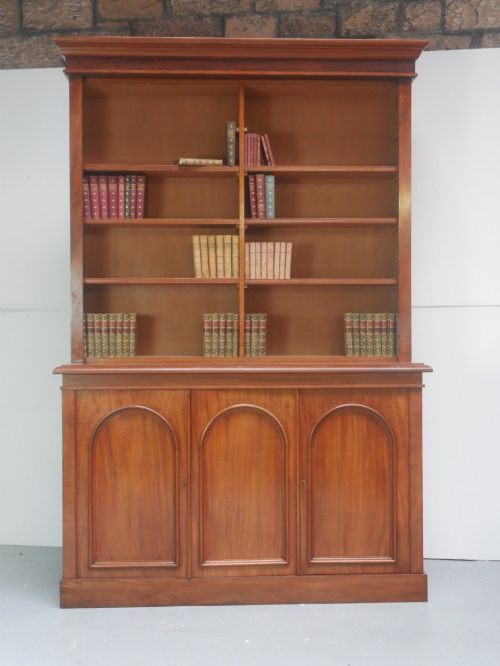
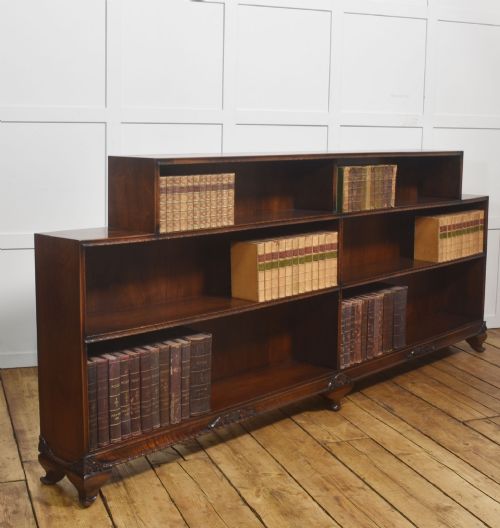
Traditional library shelving unit pieces are open wooden bookcases from the nineteenth and early twentieth centuries designed to hold large collections.
Traditional Library Shelving Unit
A traditional library shelving unit serves as an open bookcase for housing volumes in domestic or institutional settings. These items appear primarily from the nineteenth century, the Victorian era, the Edwardian period, and the early twentieth century.
The common form on this page is the open bookcase, often constructed in mahogany, oak, walnut, or pine. Pieces range from neat single sections to large breakfront configurations with adjustable shelves.
Materials and Construction
Cabinet makers utilised hardwoods such as mahogany, oak, walnut, and rosewood, alongside softer woods like pine, complemented by brass fittings and glass elements. Timber selection dictated the structural integrity and visual weight of each shelving unit.
Construction methods focused on adjustable shelving systems to accommodate varying book heights within domestic libraries. Breakfront designs and stepped configurations provided additional structural articulation and floor standing stability.
Some nineteenth-century volumes rested on shelves adjusted by brass ratchets, allowing librarians to change shelf heights with a simple lift.
Distinctions in Standard
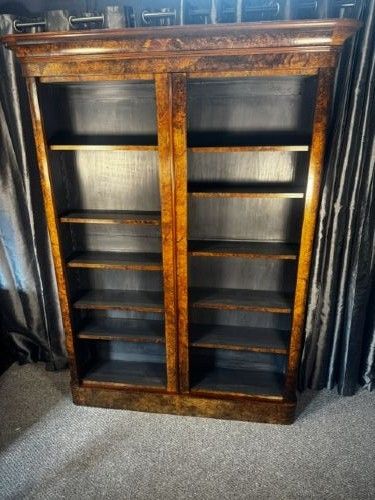
Quality separates through the selection of timber veneers, such as burr walnut or figured mahogany, and the precision of the cabinet work. Superior examples demonstrate careful attention to timber grain matching across large breakfront facades.
The sophistication of internal adjustable shelving mechanisms and secondary wood choices also distinguish finer pieces. Maker attribution, such as work originating from established firms, further elevates the standing of a library unit.
Waring and Gillows
The Traditional Library Shelving Unit Glossary
- Breakfront
- A piece of furniture where the central section projects forward from the flanking sections. This configuration adds architectural depth to large library shelving units.
- Open Bookcase
- A bookcase lacking doors, allowing direct access to the volumes stored inside. Such pieces dominate the traditional library shelving unit category.
- Adjustable Shelves
- Shelves that can be moved to different heights using a system of pegs, ratchets, or brass studs. This feature accommodates books of varying sizes.
- Ebonised
- Wood finished to resemble ebony through staining or painting. This technique creates a dark, uniform surface seen on certain nineteenth-century shelves.
Traditional Library Shelving Unit: Frequently Asked Questions
How do I style a traditional library shelving unit?
Arrange books vertically and horizontally alongside decorative objects to break up solid rows of spines. Leave breathing space between objects to let the wood and back panels show.
Ensure heavy volumes sit on lower shelves for stability while lighter or smaller items occupy upper tiers. Mix antiquarian volumes with modern publications if the bindings complement the timber tone.
Are these shelves suitable for heavy books?
Most traditional library shelving units were constructed from sturdy hardwoods like oak and mahogany to support large collections of heavy volumes. Adjustable wooden shelves handle substantial weight when properly supported by their original pins or ratchets.
Inspect the thickness of individual shelves and the central vertical supports before loading heavy folios onto a single tier. Distribute weight evenly across the entire unit to prevent sagging over time.
What is the difference between Victorian and Edwardian bookcases?
Victorian bookcases generally feature darker, heavier timbers like mahogany and walnut with rich grain patterns and substantial proportions. These pieces often incorporate carved details or breakfront designs suited to formal nineteenth-century rooms.
Edwardian bookcases tend to utilise lighter oaks and brighter finishes, reflecting a shift towards airier domestic interiors around nineteen hundred. Their lines are frequently simpler, prioritising utility and straightforward cabinet work over heavy ornamentation.
Can I adjust the shelf heights?
Many traditional library shelving units include adjustable shelves supported by wooden ratchets, metal tracks, or brass pegs. This system allows you to change shelf positions to accommodate books of different heights.
Older mechanisms can occasionally stick due to seasonal humidity changes affecting the timber. Handle internal supports with care when repositioning shelves within a nineteenth-century bookcase.