






Traditional Leather Stool
These traditional leather stool pieces combine sturdy frames with tactile hides, offering enduring utility and classic character for any room.
Traditional Leather Stool
A traditional leather stool combines a sturdy wooden or metal frame with a durable hide top, serving as a functional seat, footrest or library access point. Buyers searching for a traditional leather stool will encounter everything from low footstools to tall workshop benches and library steps.
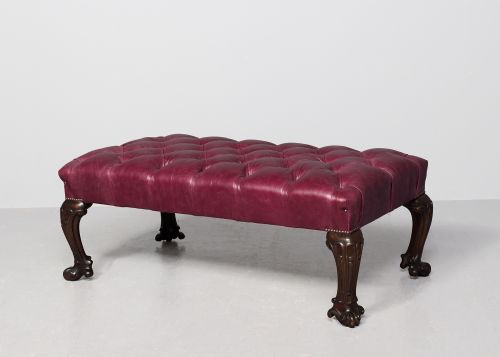
The selections span significant historical periods, with pieces originating from the nineteenth century through to the early twentieth century. Common forms include buttoned centre stools, revolving piano stools and long benches upholstered in rich hides.
Styles range from formal Georgian and Regency mahogany frames to rustic English country oak and vernacular pieces. This variety ensures that every traditional leather stool brings distinct historical craftsmanship into a modern interior.
Materials and construction
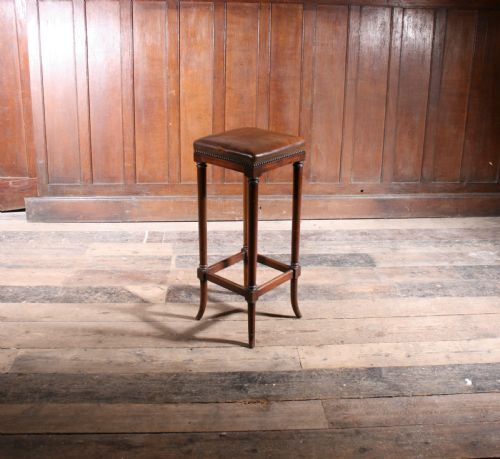
Frames rely on solid timbers such as mahogany, oak, yew wood, pine and hardwood, often shaped into fluted legs or jointed structures. Metal and brass appear in structural elements, revolving mechanisms and decorative studding.
Upholstery utilises genuine leather and red hide, frequently finished with buttoning and hand-dyeing techniques. Treads and seating surfaces are securely fastened to timber bases using brass studs and traditional joinery.
Traditional Leather Stool Retail Price Guide 2026
Typical asking prices for traditional leather stool among the pieces listed under this phrase on Sellingantiques today, from the lower quarter to the upper quarter. They describe what is for sale here now, not the wider market.
A leather worker's 'pony' bench keeps you firmly tethered to your craft while you stitch.
What defines the grade
Quality rests in the selection of timber and the depth of the woodwork, where finely carved mahogany and robust oak outlast lighter pine or secondary woods. The intricacy of the frame, such as fluted legs or precise joinery, marks the standard of the maker's hand.
The condition and treatment of the hide dictate the tactile appeal, with hand-dyed and buttoned leathers showing superior ageing compared to plain surfaces. Solid brass detailing and sturdy internal framing separate utilitarian pieces from finer library and drawing-room furnishings.
The Traditional Leather Stool Glossary
- Buttoned leather
- Upholstery pulled into a diamond pattern with deep indentations secured by buttons. This technique provides structural tension and a distinctive padded texture.
- Joint stool
- An early form of wooden stool constructed with mortise and tenon joints rather than turned legs. These pieces rely on pegged wooden construction for rigidity.
- Library steps
- A set of portable steps designed for reaching high bookshelves, frequently fitted with leather-topped treads. They often incorporate clever folding mechanisms or sturdy upright columns.
- Centre stool
- A large, freestanding seat designed to sit in the middle of a room rather than against a wall. They typically feature generous proportions and upholstered tops suitable for use as a table or footrest.
- Hide
- The natural skin of an animal, dressed and tanned for upholstery. In these pieces, hide provides a durable and patinated surface.
Traditional Leather Stool: Frequently Asked Questions
What rooms suit a traditional leather stool?
These pieces fit naturally beside armchairs as footstools or serve as centre seating in living spaces and dressing rooms. Tall variants and library steps find a practical home in studies and home libraries.
Their compact footprints also allow them to function as occasional seating in hallways or bedrooms without cluttering the floor plan.
How do I care for the leather?
Leather surfaces benefit from regular dusting with a dry, soft cloth to prevent grit from settling into the grain. Conditioning balms help maintain suppleness and prevent the hide from drying out over time.
Keeping these stools away from direct sunlight and heat sources preserves the natural colour and prevents the leather from cracking.
Can I use a stool as a coffee table?
Large buttoned centre stools and ottomans provide a stable surface that readily accommodates a tray for drinks and books. Their firm padding offers a softer alternative to wooden tables while maintaining daily utility.
Ensuring the leather is properly conditioned protects the hide from spills and general wear during everyday use.
How do I distinguish between periods?
Nineteenth-century pieces often display heavier mahogany frames with rich buttoned red hide, reflecting Victorian and Georgian stylistic influences. Early twentieth-century examples frequently incorporate simpler oak or yew construction with plain upholstery.
Observing the leg turnings, timber choice and fastening methods provides clear clues to the era of manufacture.