

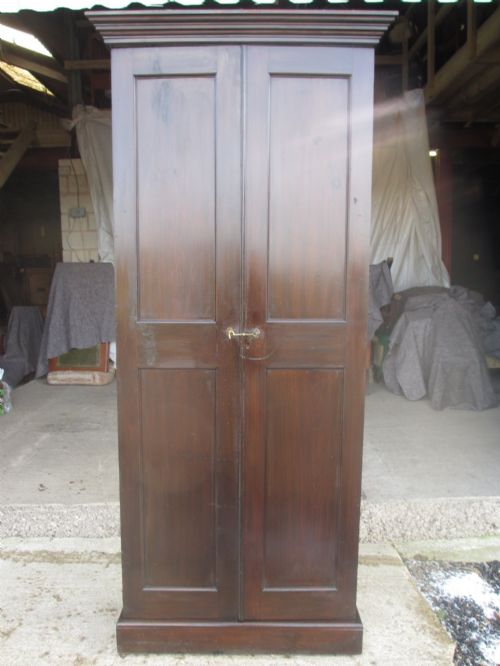
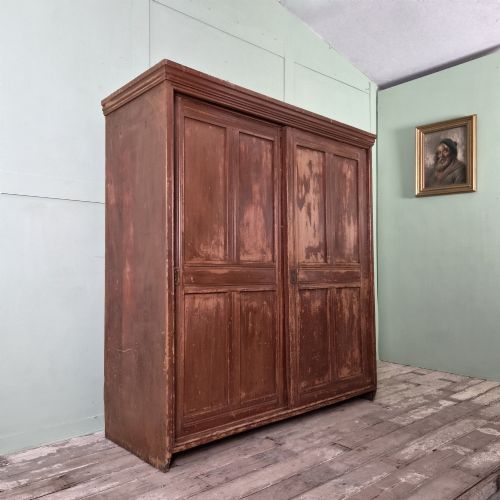
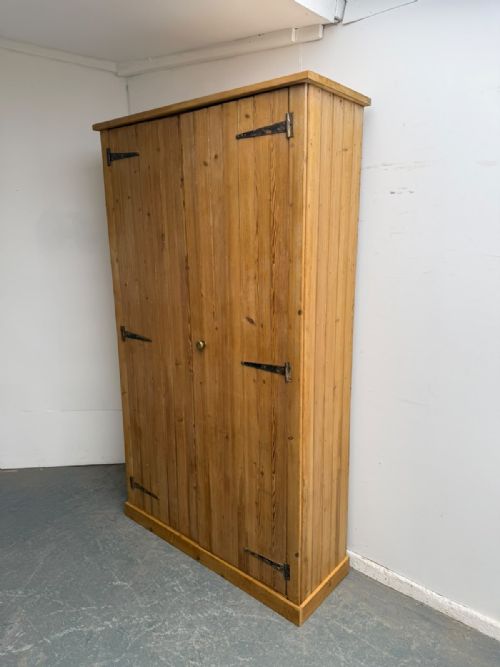
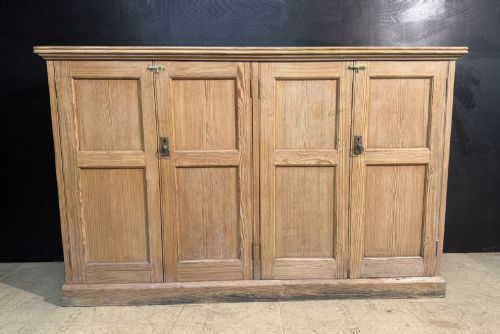
Traditional Larder Cupboard
A traditional larder cupboard provides essential domestic storage, bringing rustic utility and historical character into modern kitchens.
Traditional Larder Cupboard
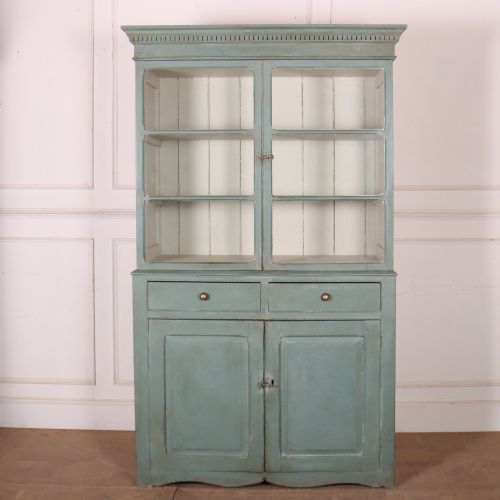
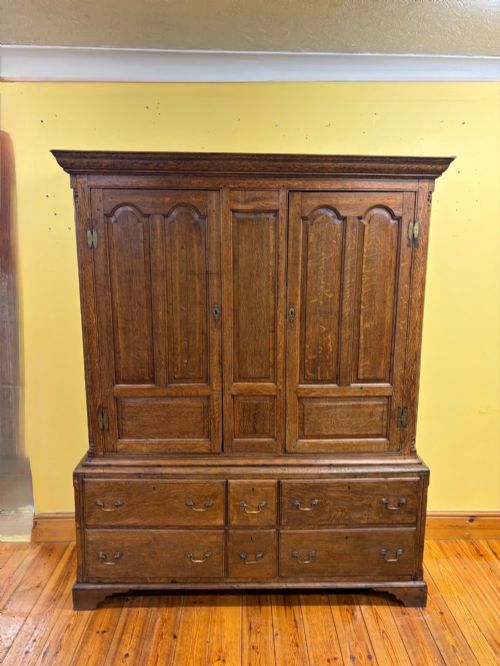
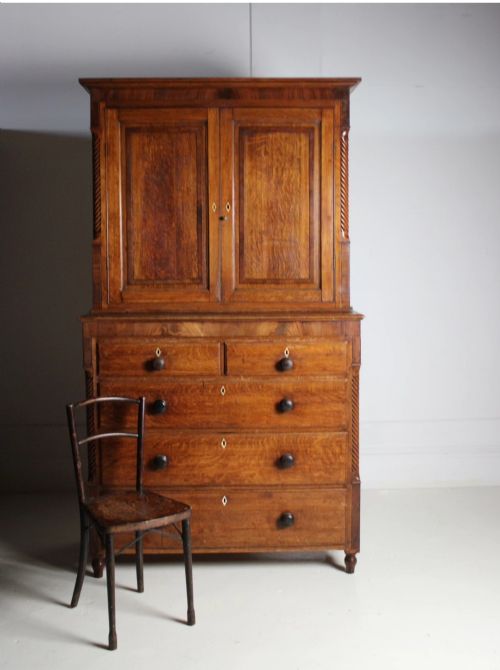
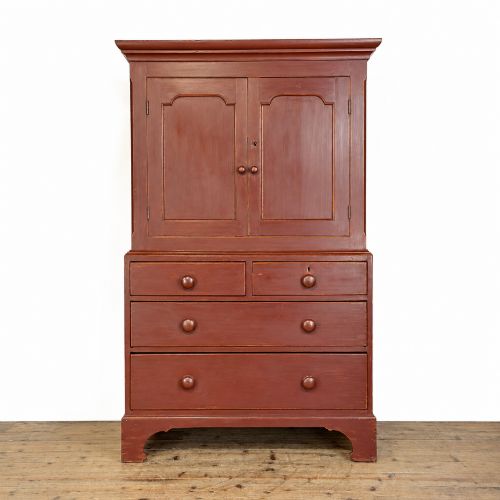
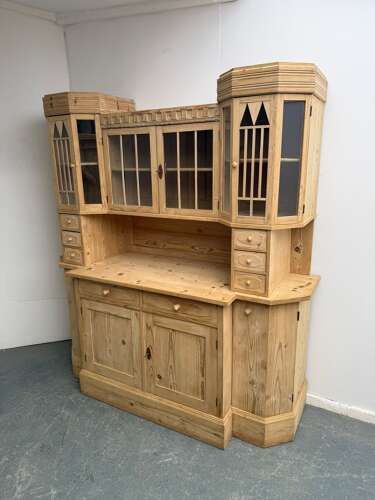
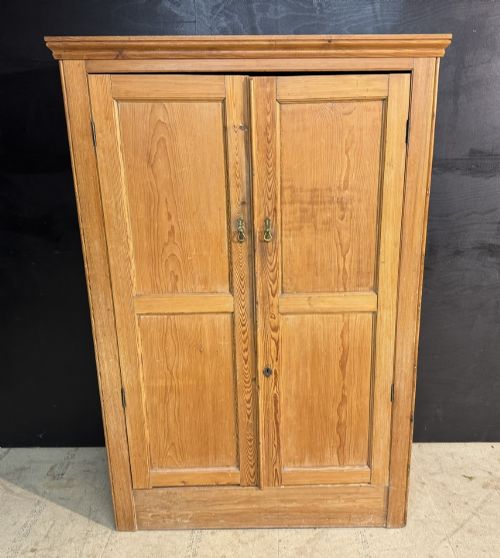
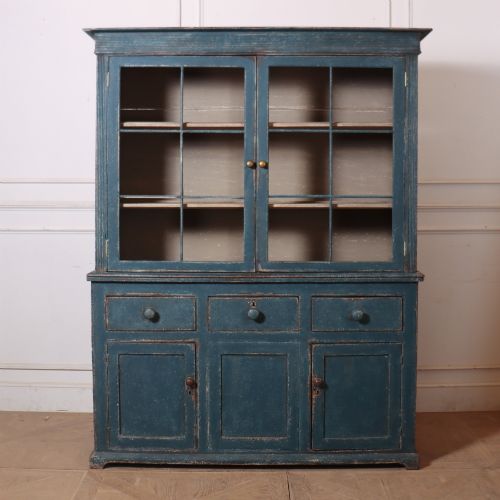
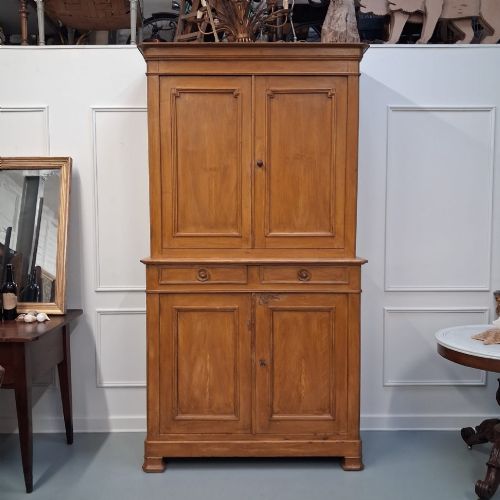
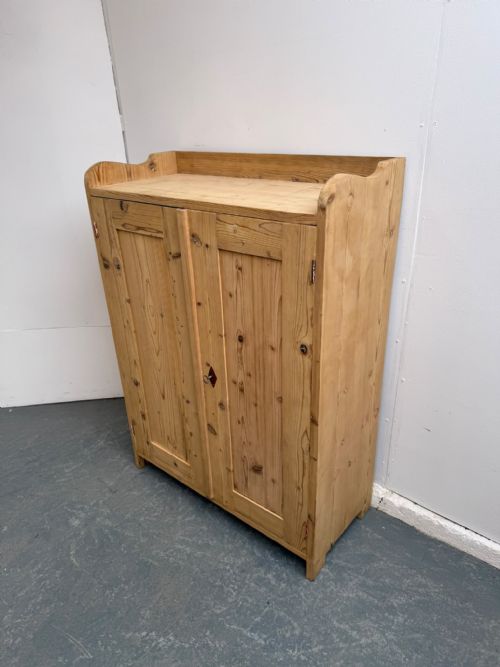
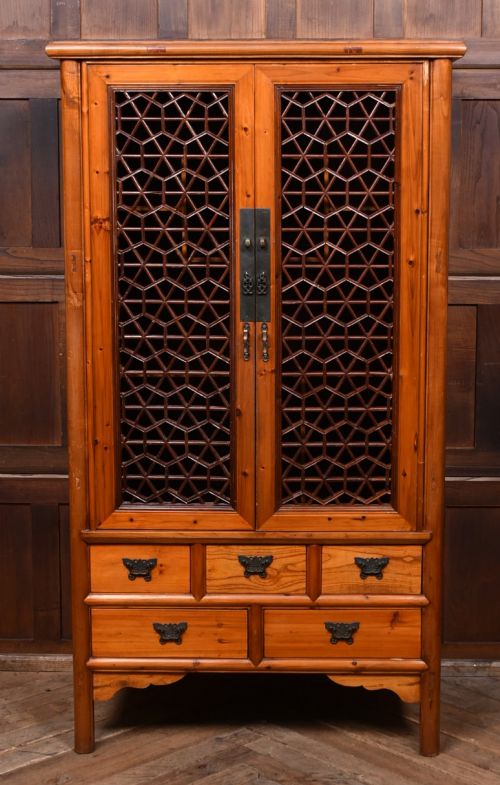
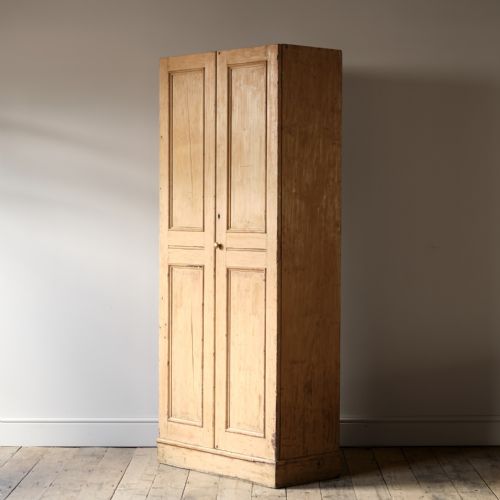
A traditional larder cupboard is a functional storage piece designed for provisions and dry goods, frequently appearing as housekeeper's cupboards, food cupboards, or kitchen cabinets. These items originate predominantly from the nineteenth and eighteenth centuries, reflecting domestic life in Georgian, Victorian, and Edwardian households.
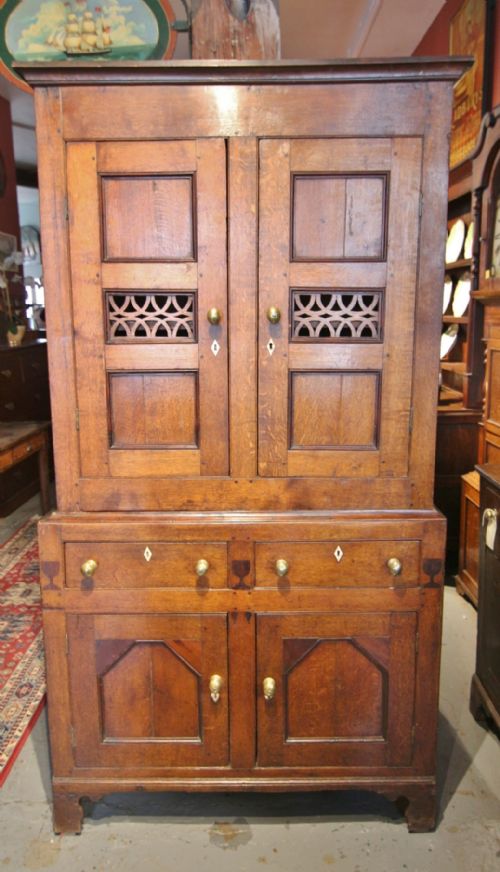
The versions most commonly met on this page are constructed from pine or oak, often arranged in two parts or featuring multiple doors and vented panels. Regional forms such as Welsh vernacular, Scottish country, and English country pieces appear alongside continental examples, showcasing diverse domestic traditions.
How they were made
Makers utilised solid pine and oak for the primary carcases and doors, relying on sturdy timber construction to support heavy provisions and daily domestic use. Surfaces were frequently left to the natural grain, waxed, or finished in period paint finishes.
Traditional Larder Cupboard Retail Price Guide 2026
Typical asking prices for traditional larder cupboard among the pieces listed under this phrase on Sellingantiques today, from the lower quarter to the upper quarter. They describe what is for sale here now, not the wider market.
Listings feature pieces spanning the eighteenth, nineteenth, and early twentieth centuries, constructed primarily from pine and oak.
What varies in quality
The standard of a traditional larder cupboard rests upon the selection of timber and the integrity of its original construction rather than decorative flourishes. Superior pieces display thoughtful proportions, sound joinery, and well-preserved internal shelving configurations designed for practical storage.
Surface treatments also distinguish pieces, as original paint, untouched patination, or clean architectural detailing elevate an example far above heavily altered or stripped utilitarian counterparts.
The Traditional Larder Cupboard Glossary
- Housekeeper's cupboard
- A large storage piece traditionally used in country houses to store linen, dry goods, and household provisions. These tall units often feature multiple panelled doors enclosing shelving or hanging space.
- Bread and cheese cupboard
- A regional storage form featuring ventilated panels, often pierced tin or wooden slats, designed to keep dairy and provisions cool. Such items represent specialised vernacular domestic furniture.
- Two-part cupboard
- A piece constructed in separate upper and lower sections to facilitate transport and placement in domestic quarters. This method of building was common for larger kitchen dressers and storage cabinets.
- Vernacular furniture
- Domestic pieces made by local craftspeople using regional styles and readily available timbers rather than following metropolitan fashion. These items prioritise everyday utility and regional character.
Traditional Larder Cupboard: Frequently Asked Questions
How were traditional larder cupboards used?
These cupboards served as the primary storage units for food provisions, dry goods, and household textiles before modern refrigeration and fitted kitchens existed. Their internal shelves and compartments kept perishables organised and protected within the home.
Larger variations stood in domestic service rooms or large kitchens, acting as central stations for household management and daily meal preparation by staff or family members.
What woods were used for these cupboards?
Pine and oak form the vast majority of traditional larder cupboards, chosen for their durability and structural strength. Oak appeared frequently in earlier Georgian and eighteenth-century pieces, while pine became widespread across nineteenth-century country furniture.
Surfaces were often painted in period colours, waxed, or left as bare timber depending on the region and the specific domestic setting where the piece stood.
How do I date a larder cupboard?
Dating relies upon examining construction methods, timber characteristics, hardware, and overall stylistic vernacular. Eighteenth-century and Georgian examples typically feature heavy oak framing and hand-cut joinery, whereas Victorian and Edwardian pieces frequently utilise pine and lighter internal fittings.
Nail types, hinge styles, and layers of old paint or surface wear also provide reliable physical evidence of a piece's age and subsequent history.
Are these cupboards suitable for modern kitchens?
A traditional larder cupboard integrates effectively into contemporary kitchens by offering substantial freestanding storage for modern provisions, crockery, or dry goods. Their deep shelves and tall doors conceal modern clutter while adding historic character to a room.
Placing one in a modern interior requires measuring ceiling height and floor space carefully, as these antique storage units are often substantial in scale.