
Traditional Lamps
Traditional lamps bring enduring illumination and period character to a room, uniting functional lighting with historic craftsmanship.
Traditional Lamps
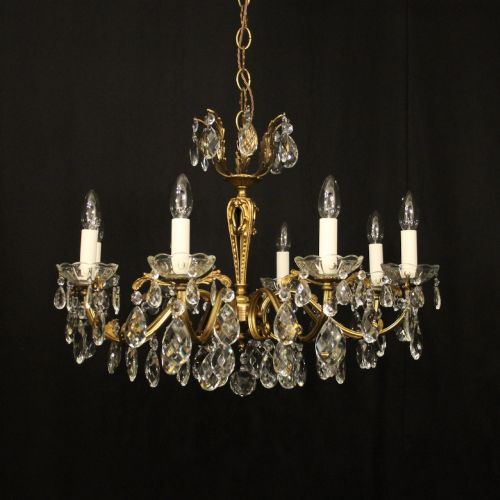
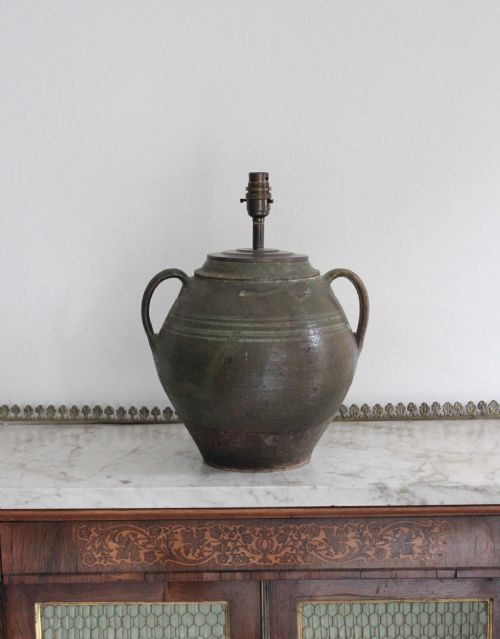
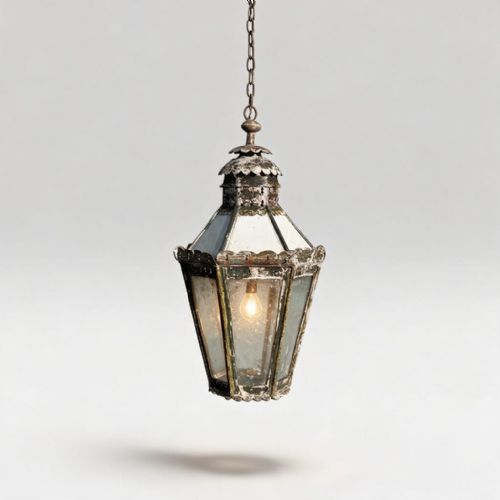
Traditional lamps encompass a variety of historical lighting fixtures, ranging from floor-standing standard lamps to table lamps and hanging chandeliers. When exploring traditional lamps, buyers encounter diverse forms shaped by centuries of stylistic evolution.
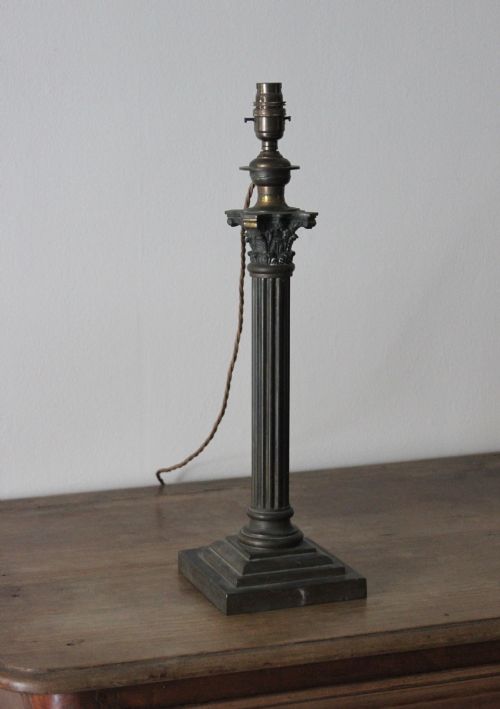
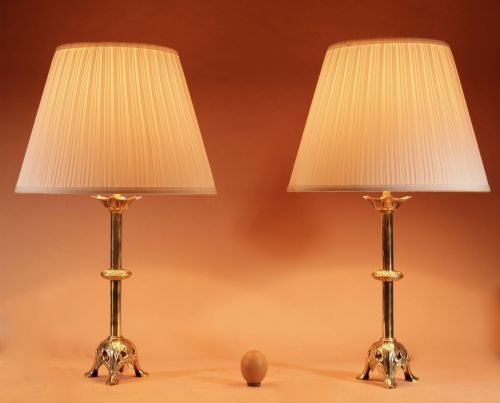
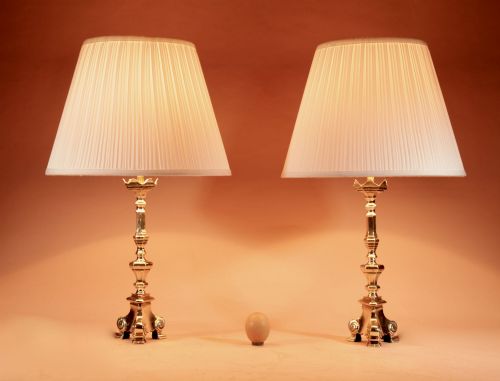
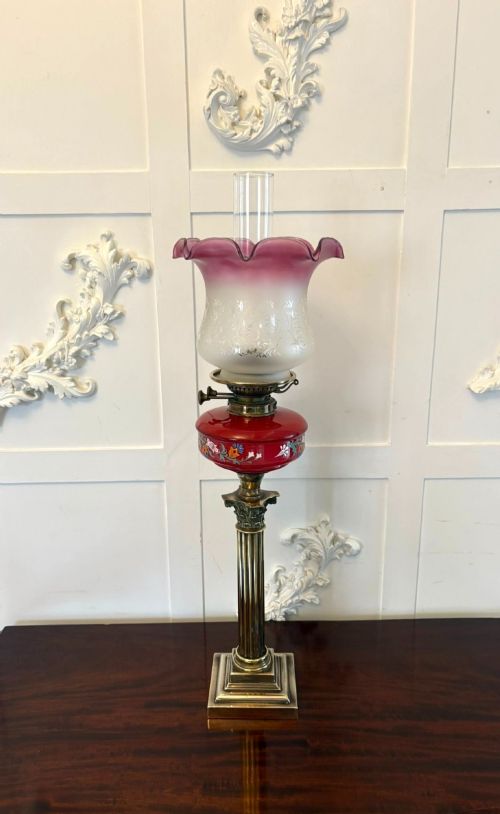
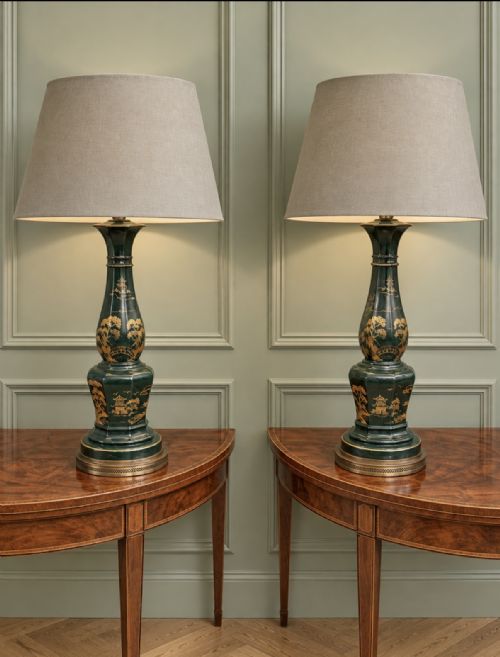
The selections span distinct periods including the Victorian and Edwardian eras, alongside earlier 18th-century designs and later 20th-century revivals. Table lamps and standard lamps emerge frequently, often featuring classical columns or adjustable heights.
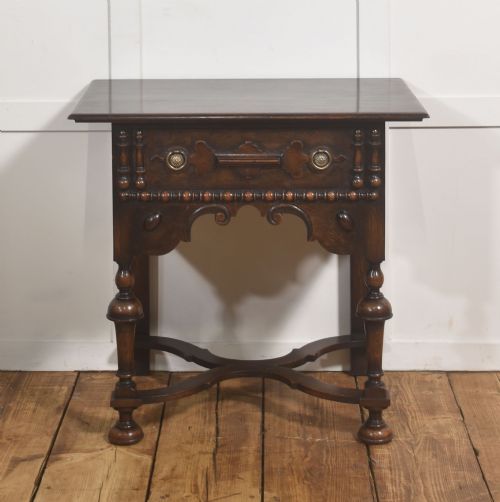
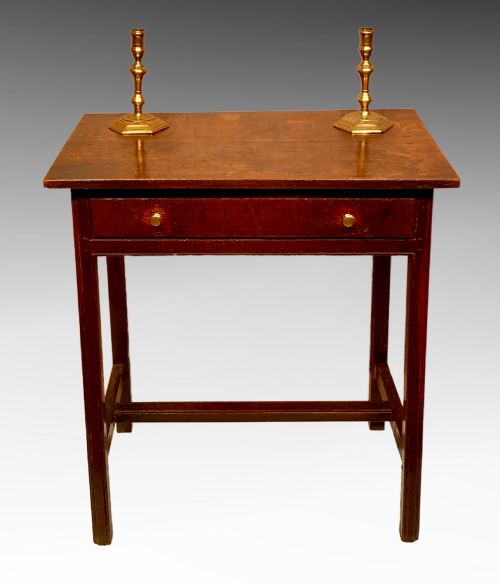
Materials vary widely across the inventory, reflecting the aesthetic preferences of each period from Georgian restraint to French Rococo ornamentation. Pieces incorporate metalwork alongside timber furniture designed to accompany domestic lighting.
Materials and construction
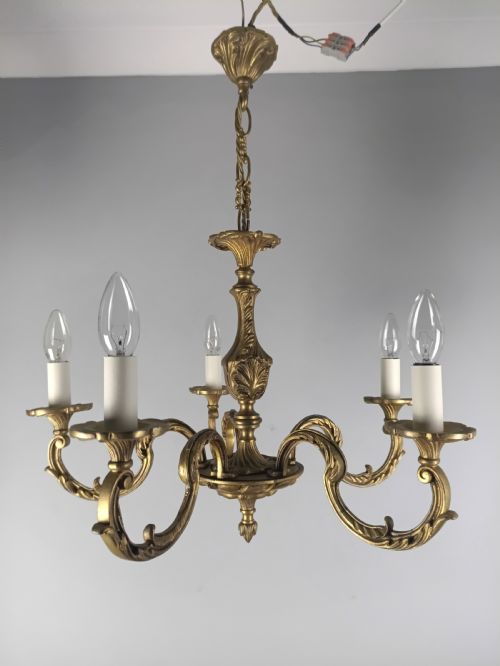
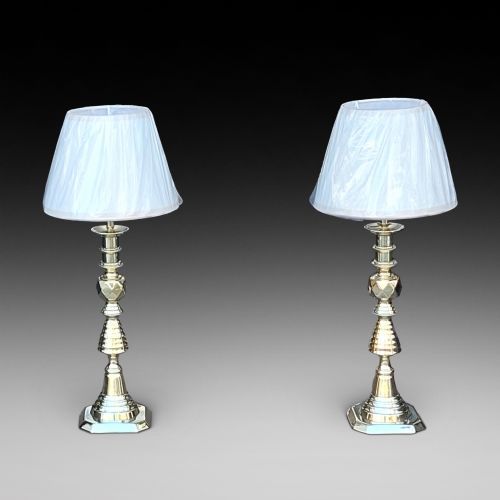
Metals form the structural core of many lighting pieces, with brass, copper, bronze and silver plate utilised for candlesticks, standard lamps and chandeliers. Cast components demonstrate meticulous founding techniques, while spun brass elements provide lighter support.
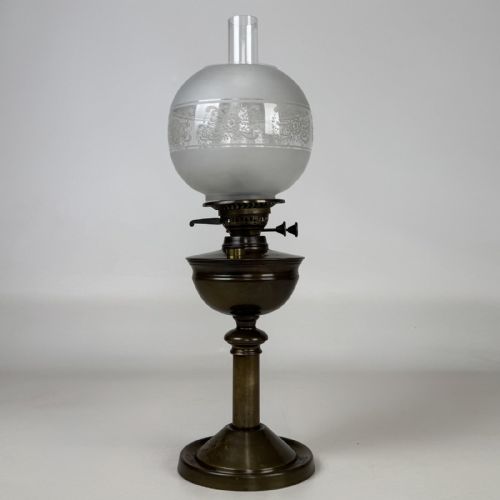
Glass and crystal introduce translucent qualities, appearing as frosted shades, cut crystal drops and alabaster hanging bowls. Fabric elements occasionally complete the fittings, diffusing light across domestic interiors.
Listings feature standard lamps and table lamps in brass, copper, mahogany and crystal, spanning the Georgian, Victorian and Edwardian periods.
Assessing quality and execution
Quality rests upon the crispness of metal casting and the precision of hand-finishing, where superior examples exhibit sharp relief and refined chasing. Weight and solidity distinguish substantial bronze or brass fixtures from lighter alternatives.
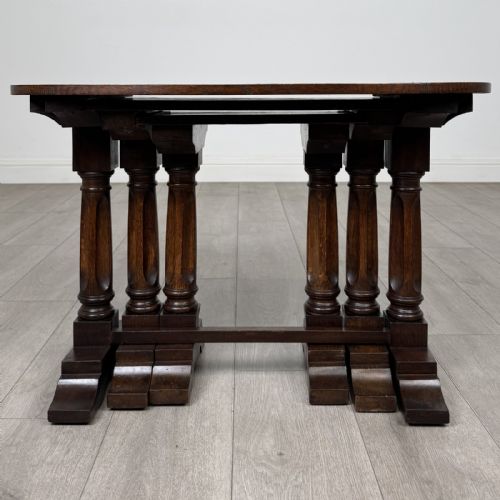
In wooden components and furniture, the choice of timber grain and the integrity of the joinery determine the standard of craftsmanship. Carved ornamentation executed with depth and fluency indicates superior workshop output.
The integration of decorative elements, such as champlevé enamel work or intricate crystal arrangements, elevates certain pieces above standard utilitarian production.
Mappin & Webb
The Traditional Lamps Glossary
- Standard lamp
- A tall floor-standing lamp designed to illuminate a room from a standing position. These fixtures frequently incorporate adjustable height mechanisms or heavy weighted bases for stability.
- Chandelier
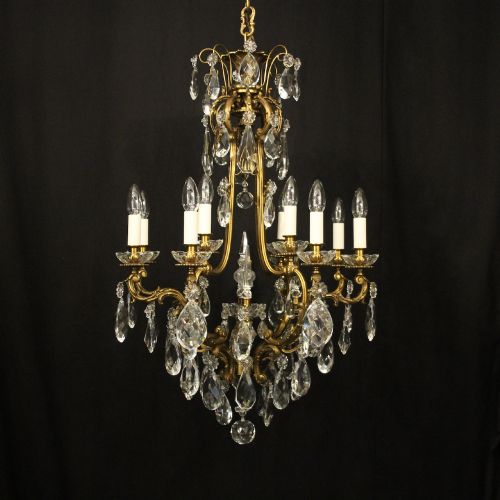
- A branched ceiling-mounted lighting fixture holding multiple bulbs or candles. Examples often incorporate crystal drops and gilded bronze frames.
- Champlevé
- An enamelling technique where troughs are sunk into a metal surface and filled with vitreous enamel. This process creates colourful decorative patterns on bronze bodies.
- Tripod table
- A small freestanding table supported by three legs, commonly utilised to hold a table lamp. These tables often feature tilting or star-shaped tops.
- Ormolu
- Gilded bronze ornamentation applied to furniture and lighting fixtures during the 18th and 19th centuries. The technique involves applying a mercury and gold amalgam to the bronze base.
Traditional Lamps: Frequently Asked Questions
What periods do traditional lamps cover?
Traditional lamps span multiple centuries, incorporating pieces from the 18th century through the Victorian and Edwardian eras up to the early 20th century.
Design influences draw upon historical movements including Georgian, Regency, Arts and Crafts, and French Rococo Revival.
How were standard lamps used historically?
Standard lamps provided movable illumination in principal rooms before fitted electric lighting became universal. They stood beside seating areas to direct light downward for reading and needlework.
Many featured adjustable shafts to alter the height of the light source according to domestic requirements.
What materials are common in these lamps?
Metal is the predominant material for the structural bodies of lamps, utilising brass, copper, bronze and silver plate. Glass and crystal frequently appear in shades, prisms and decorative drops.
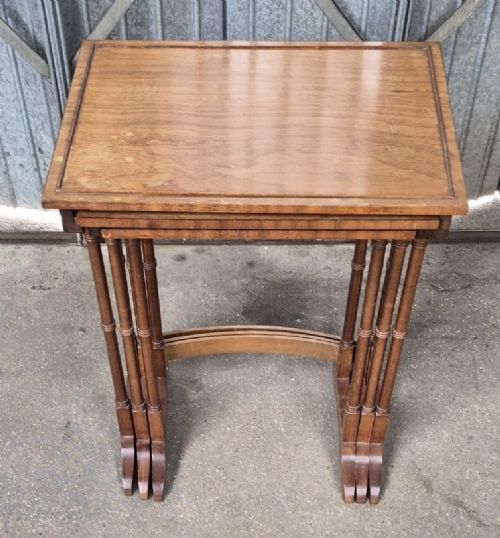
Associated lamp tables employ hardwoods such as mahogany, oak, walnut and yew.
How do I identify an Edwardian standard lamp?
Edwardian standard lamps typically date from the early 1900s and often showcase classical revival styles in brass or polished oak. They emphasise slender turned columns and stable weighted bases.
Comparison with Victorian predecessors reveals lighter proportions and restrained decorative enrichment.