





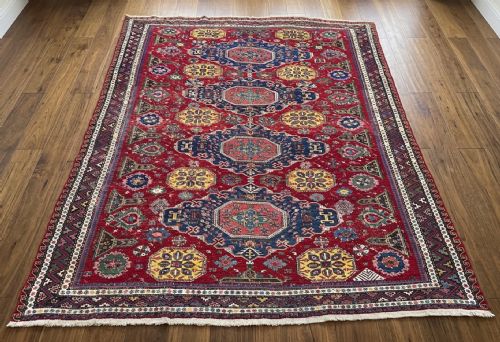
Traditional Kuba Carpet
A traditional kuba carpet brings geometric Caucasian design into a room through dense wool pile and distinctive regional patterns.
Traditional Kuba Carpet
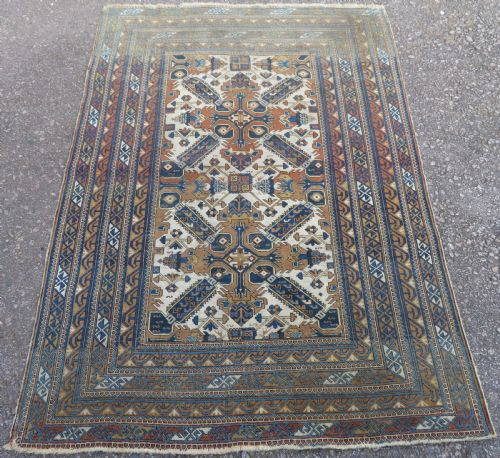
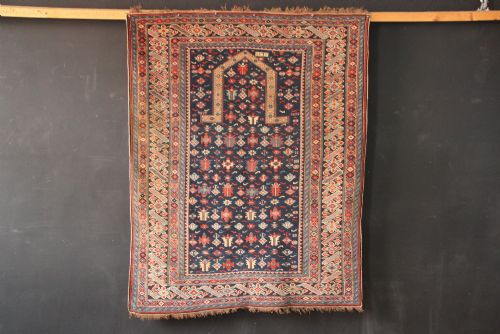
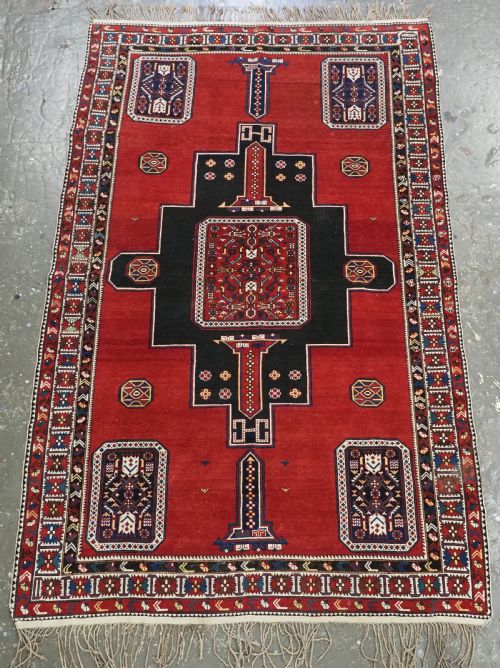
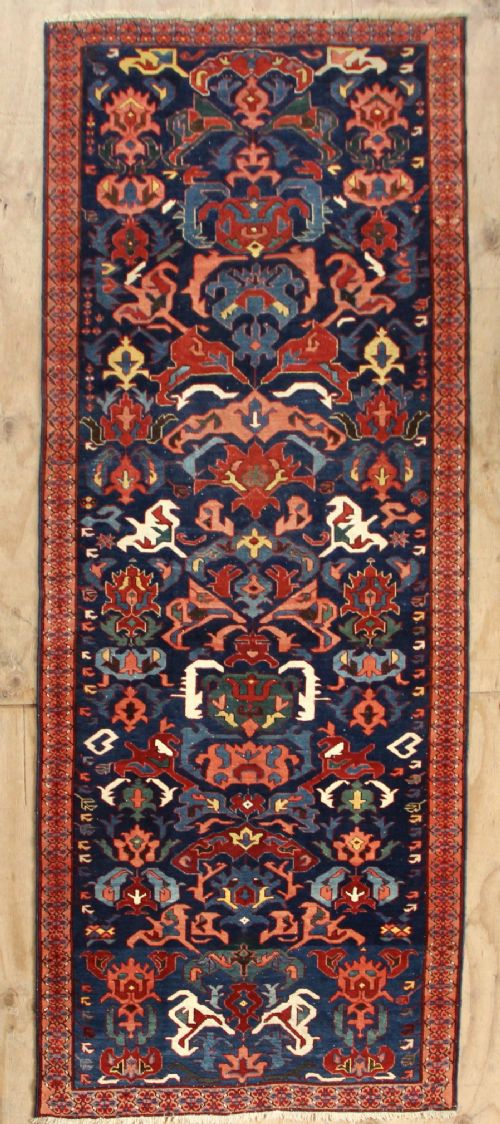
A traditional kuba carpet originates from the Eastern Caucasus, taking the form of rugs, runner rugs, and area rugs created across the late nineteenth and early twentieth centuries. These woven pieces display distinct regional styles such as Khyrdagyd, Seichur, Konagkend, Alpan, Karagashli, and Soumak.
Buyers encounter examples spanning from eighteen-seventy to nineteen-ten, demonstrating Caucasian tribal designs like cruciform medallions and shield motifs. Formats vary from square prayer rugs to long, narrow runners designed for hallways and galleries.
Materials and Construction
Every traditional kuba carpet relies upon wool for its pile and foundation structure, often paired with cotton elements. Weavers knotted these natural fibres by hand to produce durable floor coverings capable of withstanding generations of use.
Techniques range from standard knotted pile construction to flat-woven Soumak and kilim methods. These varied approaches produce both deep, plush textures and flat, intricate geometric surfaces.
Traditional Kuba Carpet Retail Price Guide 2026
Typical asking prices for traditional kuba carpet among the pieces listed under this phrase on Sellingantiques today, from the lower quarter to the upper quarter. They describe what is for sale here now, not the wider market.
Listings span the period from eighteen-seventy to nineteen-ten, utilising wool and cotton materials across runner, prayer, and area rug formats.
Assessing Quality and Character
Quality in a traditional kuba carpet rests on the clarity of the Caucasian tribal motifs and the retention of full pile. Pieces with crisp cruciform medallions, distinct shield designs, and intact edges demonstrate superior historical preservation.
The visual appeal depends upon the palette, whether bright and contrasting or soft and faded through age. Denser knotting and finer wool quality separate standard tribal weaving from exceptional regional examples.
The Traditional Kuba Carpet Glossary
- Kuba
- A regional weaving centre in the Eastern Caucasus known for producing distinctive geometric rugs and carpets. These pieces often feature complex lattice patterns and tribal symbols.
- Soumak
- A flat-weave technique where weft threads wrap around the warp to create a textured, durable surface without a cut pile. This method results in a sturdy structure with a smooth reverse.
- Kilim
- An untufted flat-woven textile produced by tightly interweaving warp and weft strands. These lightweight pieces serve as versatile floor coverings and wall hangings.
- Prayer Rug
- A smaller format rug featuring a mihrab or arch design traditionally used for daily devotions. These items are prized for their concentrated symbolic ornament.
- Runner
- A long, narrow carpet format designed specifically for corridors, stairs, and hallways. They guide movement through domestic spaces while displaying repeating geometric borders.
Traditional Kuba Carpet: Frequently Asked Questions
Where were these carpets made?
These carpets originate from the Kuba region situated in the Eastern Caucasus.
Weavers in this mountainous area developed distinct tribal designs and weaving methods passed down through generations.
How do I care for a wool rug?
Regular gentle vacuuming without a rotating brush helps remove embedded dust from the wool pile. Professional cleaning suited for antique textiles preserves the natural fibres and dyes.
Placing a suitable underlay beneath the rug prevents slipping and reduces friction against hard floors.
What is a Soumak weave?
A Soumak weave is a flat-weaving technique that wraps supplementary weft threads around the warp yarns. This method creates a thicker, more durable structure than a standard kilim.
The reverse side of a Soumak piece often displays loose trailing threads, distinguishing it from pile carpets.
How do I identify a Konagkend rug?
Konagkend rugs from the Kuba region typically feature specific geometric layouts, often incorporating cruciform medallions. Their distinct regional patterns set them apart from other Caucasian village weaves.
Examining the borders and central motifs helps confirm the specific design attribution.